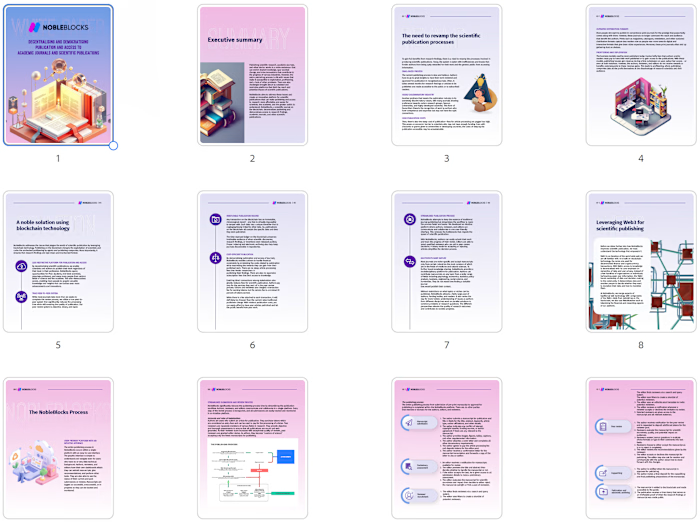
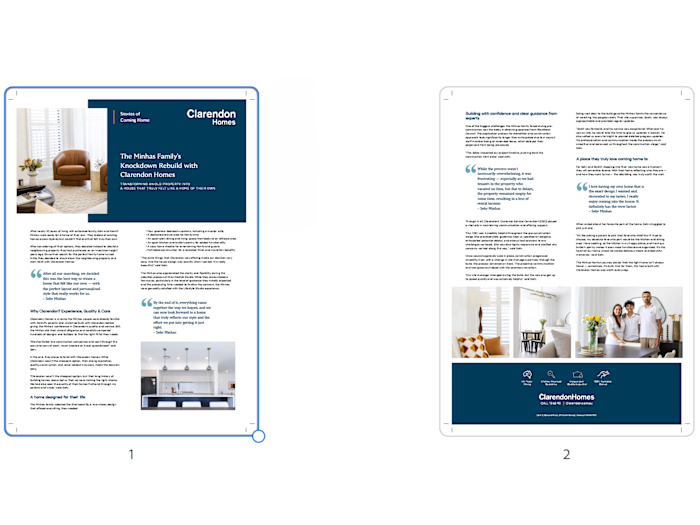
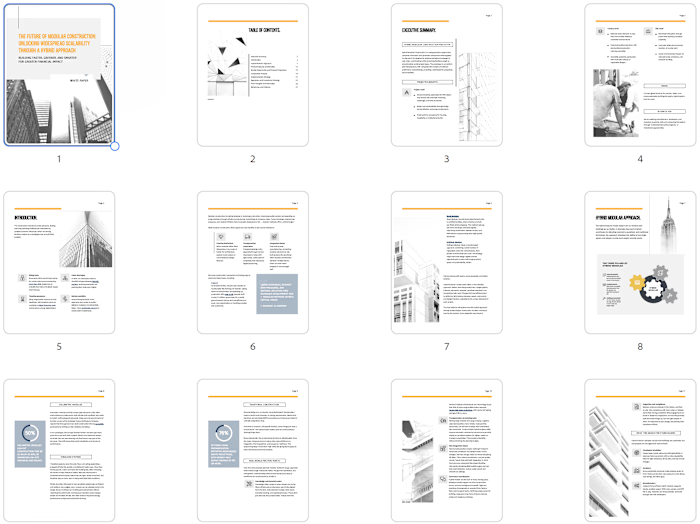
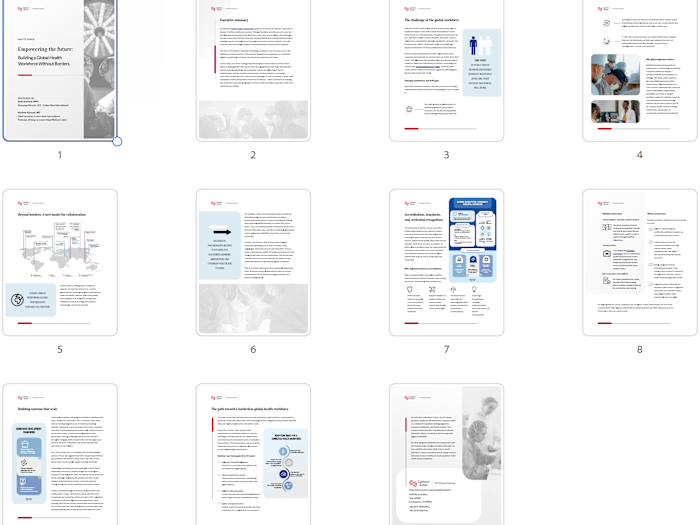
I wrote this white paper

Geri Mileva


I wrote this white paper for a design-led mobility brand. It examines how mobility devices are often shaped by medical thinking, which can make people feel defined by their limitations rather than supported in their daily lives. It shows how design, form, and everyday usability influence whether people actually choose to use these devices, and how more considered, user-focused design can lead to higher acceptance, regular use, and greater independence.
Like this project
Posted Mar 19, 2026
I wrote this white paper for a design-led mobility brand. It examines how mobility devices are often shaped by medical thinking, which can make people feel d...