
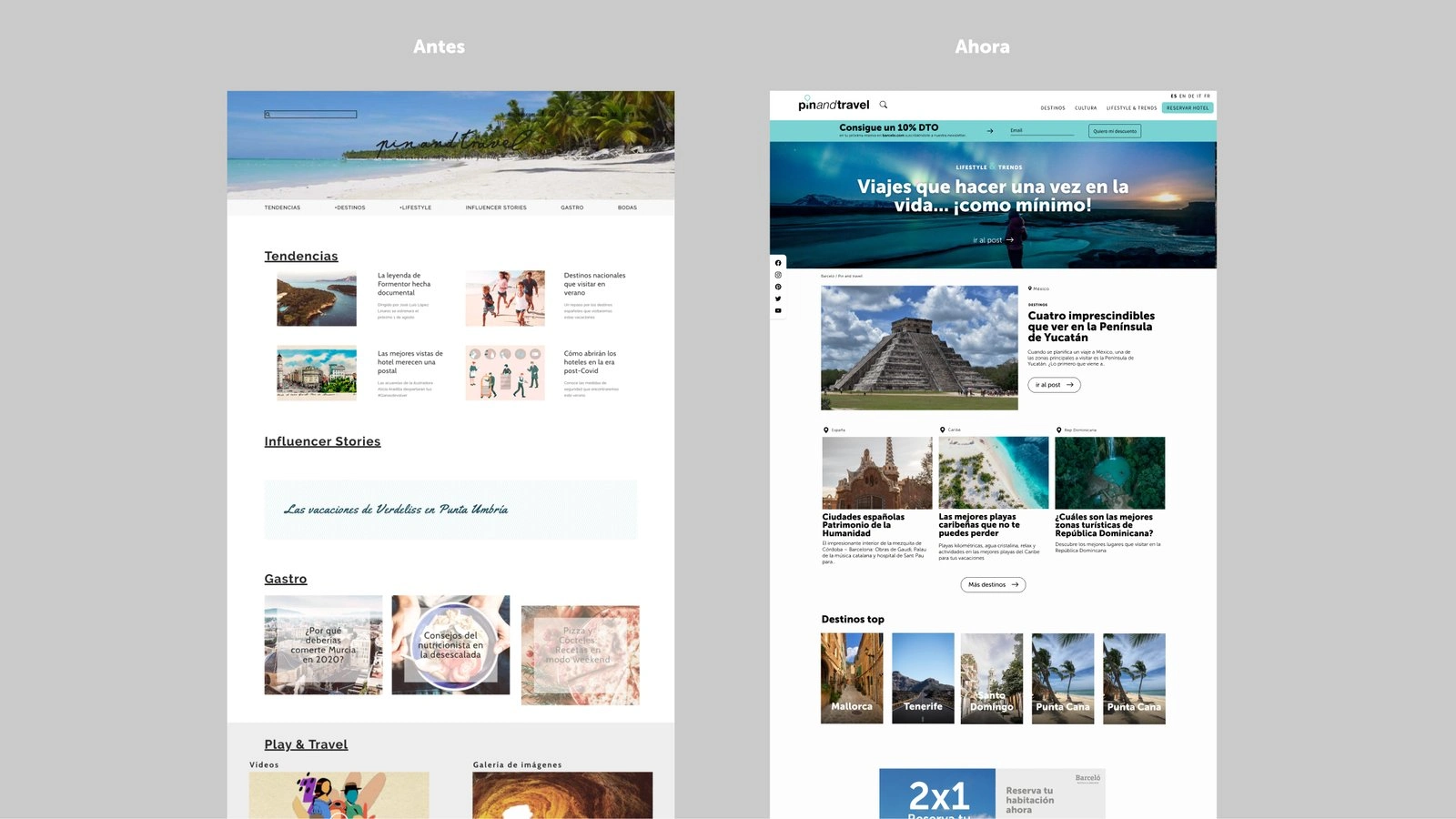
UX / UI · Design system · CRO
Turning web traffic into leads
Barceló Pin and Travel is the travel blog of Barceló Hotel Group. Over the years it had built up strong organic traffic, but it had no strategy to turn that traffic into bookings. The challenge was to generate those leads.
My role: concept work with the business team · UX/UI design · design system and banner components · collaboration with developers and SEO specialists
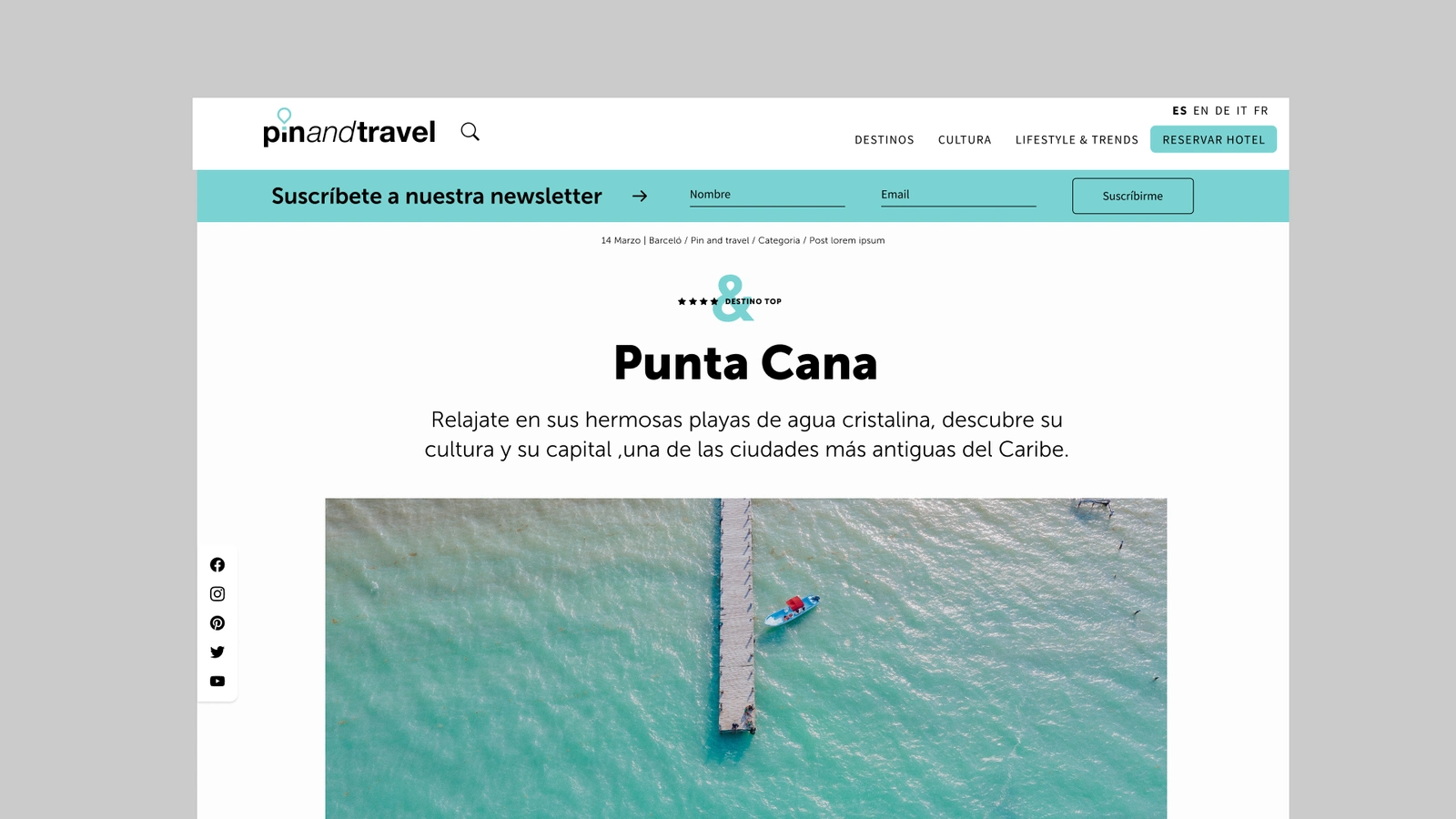
How did we do it?
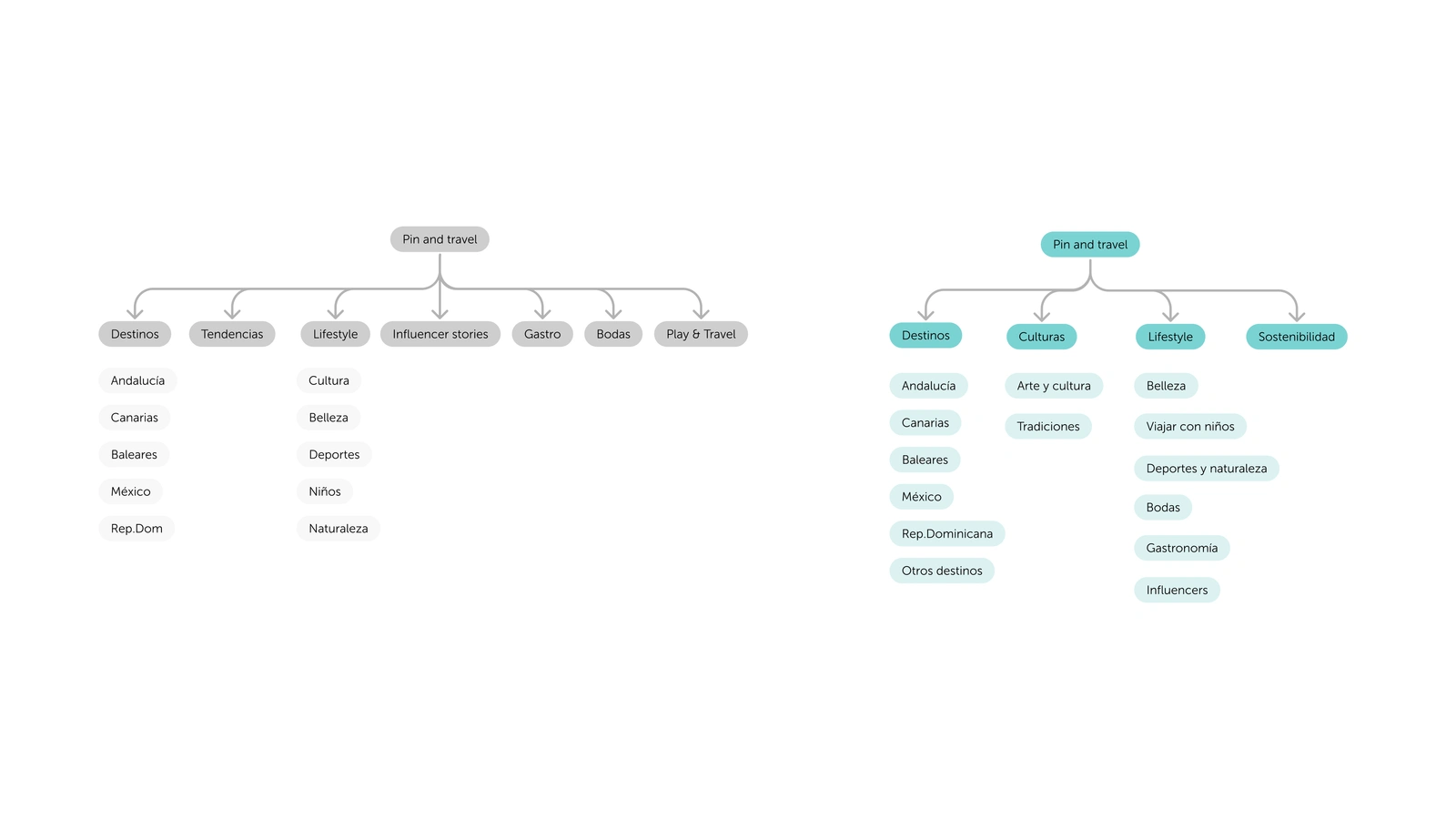
1. A new information architecture
We built a new architecture and category structure designed for both SEO and users.
2. A UI built as a design system
We designed a cleaner, more visual and optimized UI on top of a shared component library, built to improve loading times and keep every page consistent.
3. A modular banner and booking system
This let us refer traffic to the booking site and let users start their booking journey right from the blog, through search boxes connected to the barcelo.com booking API.
The technical challenge
Migrating the blog into the Barceló ecosystem
✅ The good news: this would connect the blog to the booking platform, giving access to booking components, advanced user analytics and full lead tracking in Adobe AEM.
❌ The bad news: it required a deep rebuild and meant leaving behind the WordPress CMS that Pin and Travel was built on. The migration was also a challenge for keeping the site correctly indexed by Google.
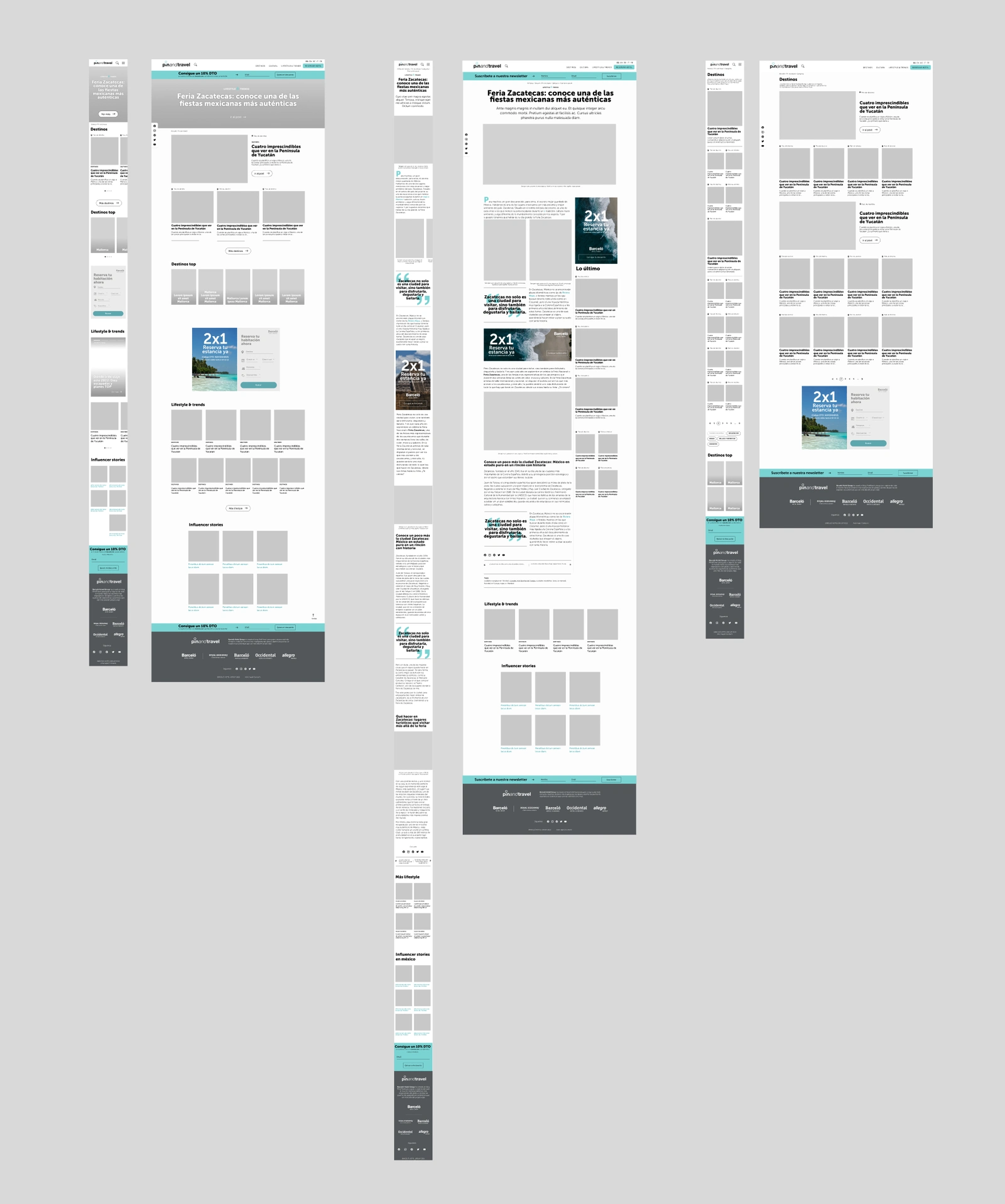
1. The new information architecture
We reorganized the category structure to make it more semantically coherent for both Google and users, and dropped categories that only brought residual traffic.
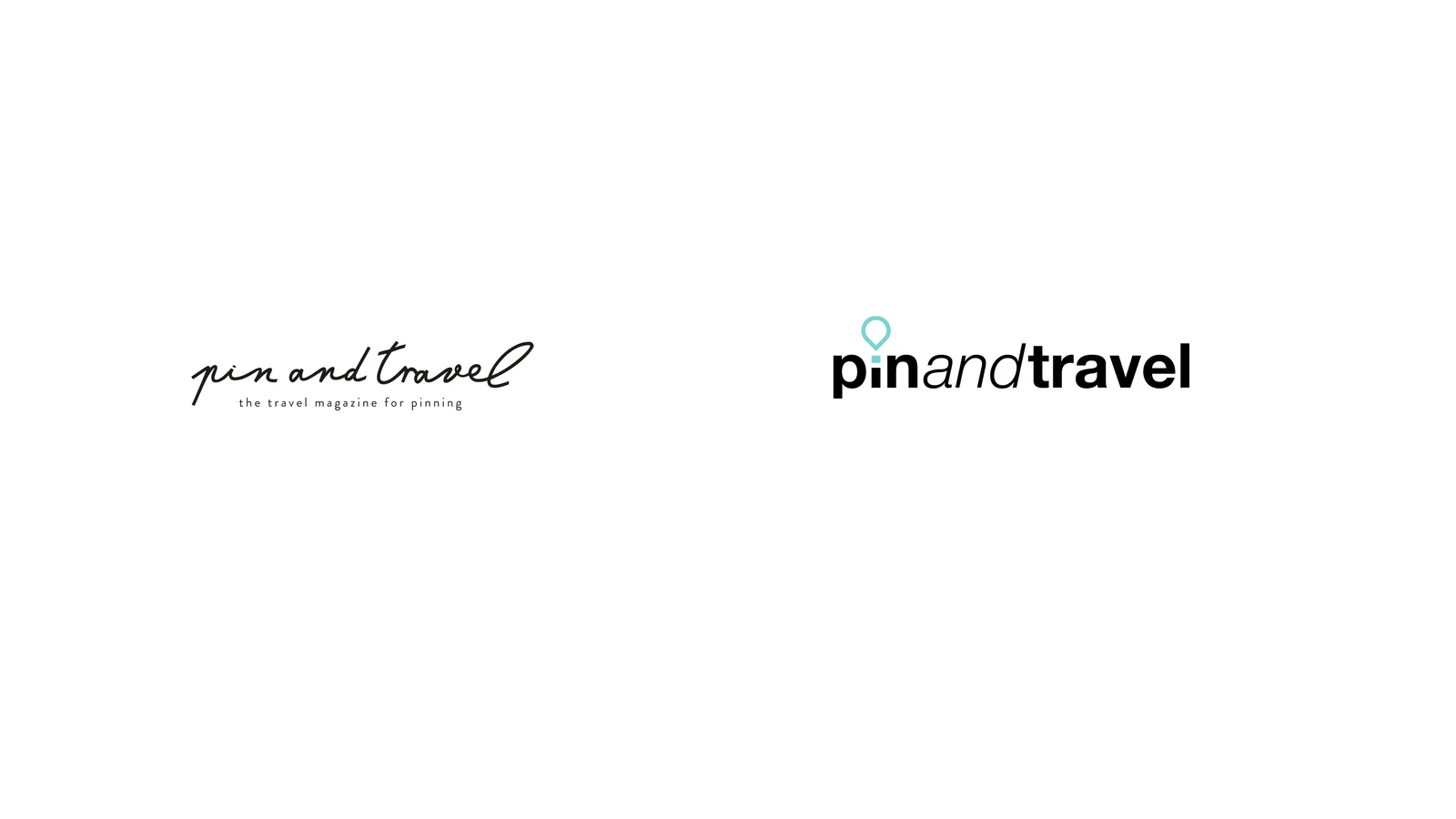
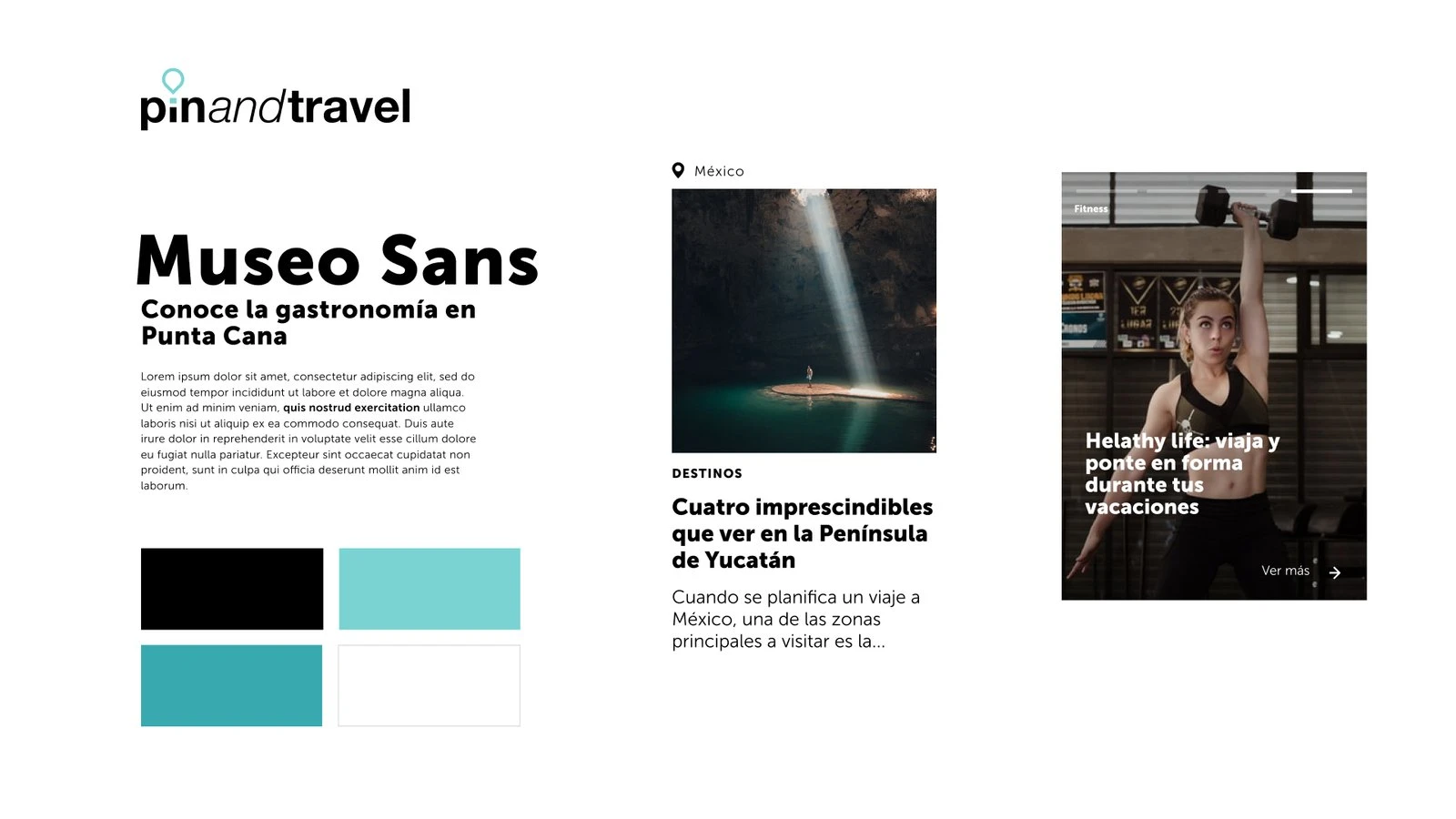
2. A new UI and design system for the brand
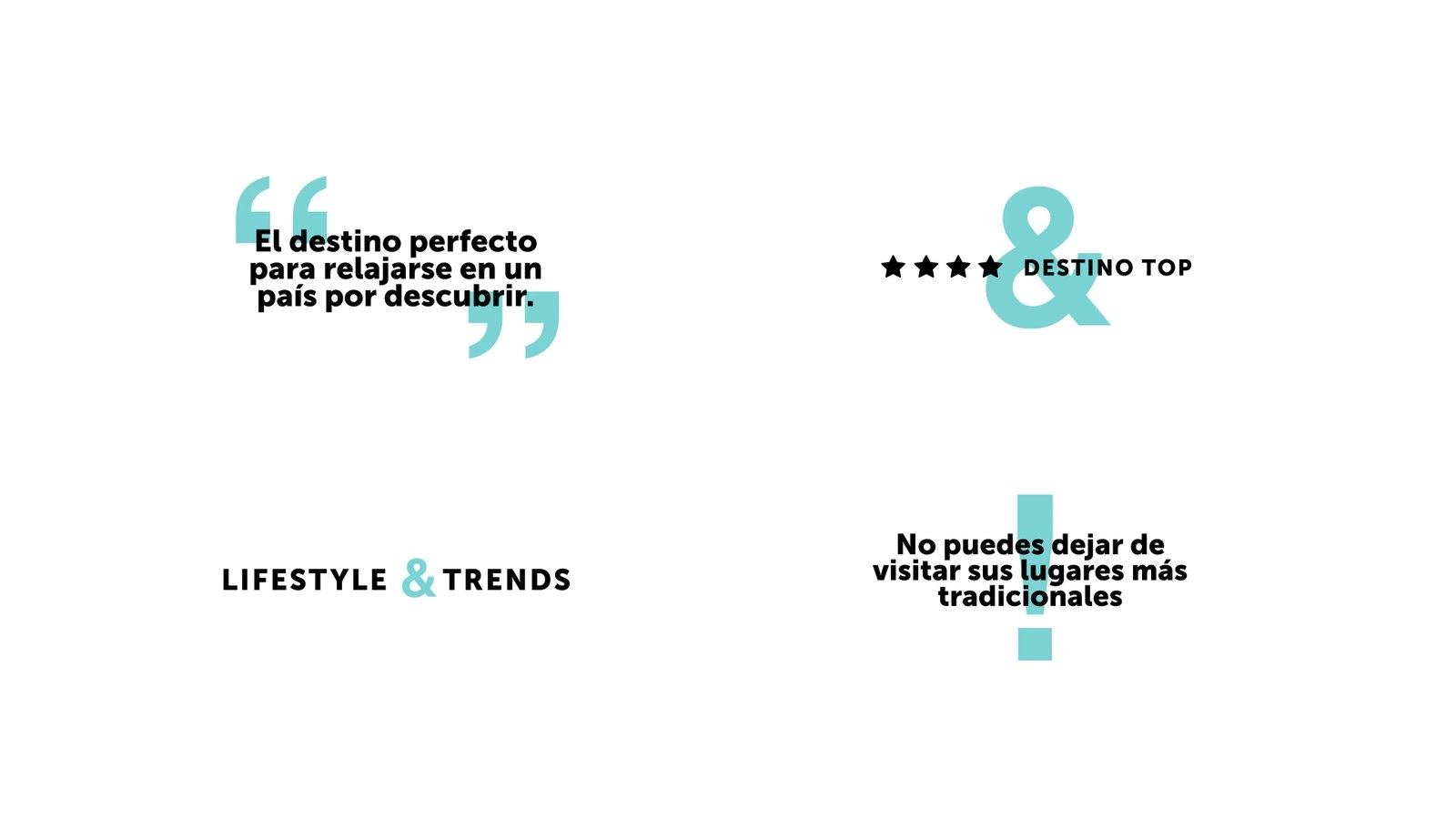
We updated the UI, redesigned the logo, moved to a brighter green and turned it all into a library of reusable components and graphic assets, so new content could be built quickly and consistently.
One key goal was faster loading (we removed the hero videos from the home page). We also gave it a more social feel, using navigation patterns from social media such as carousels and story-style elements inspired by Instagram and TikTok.
3. A banner system, designed as components
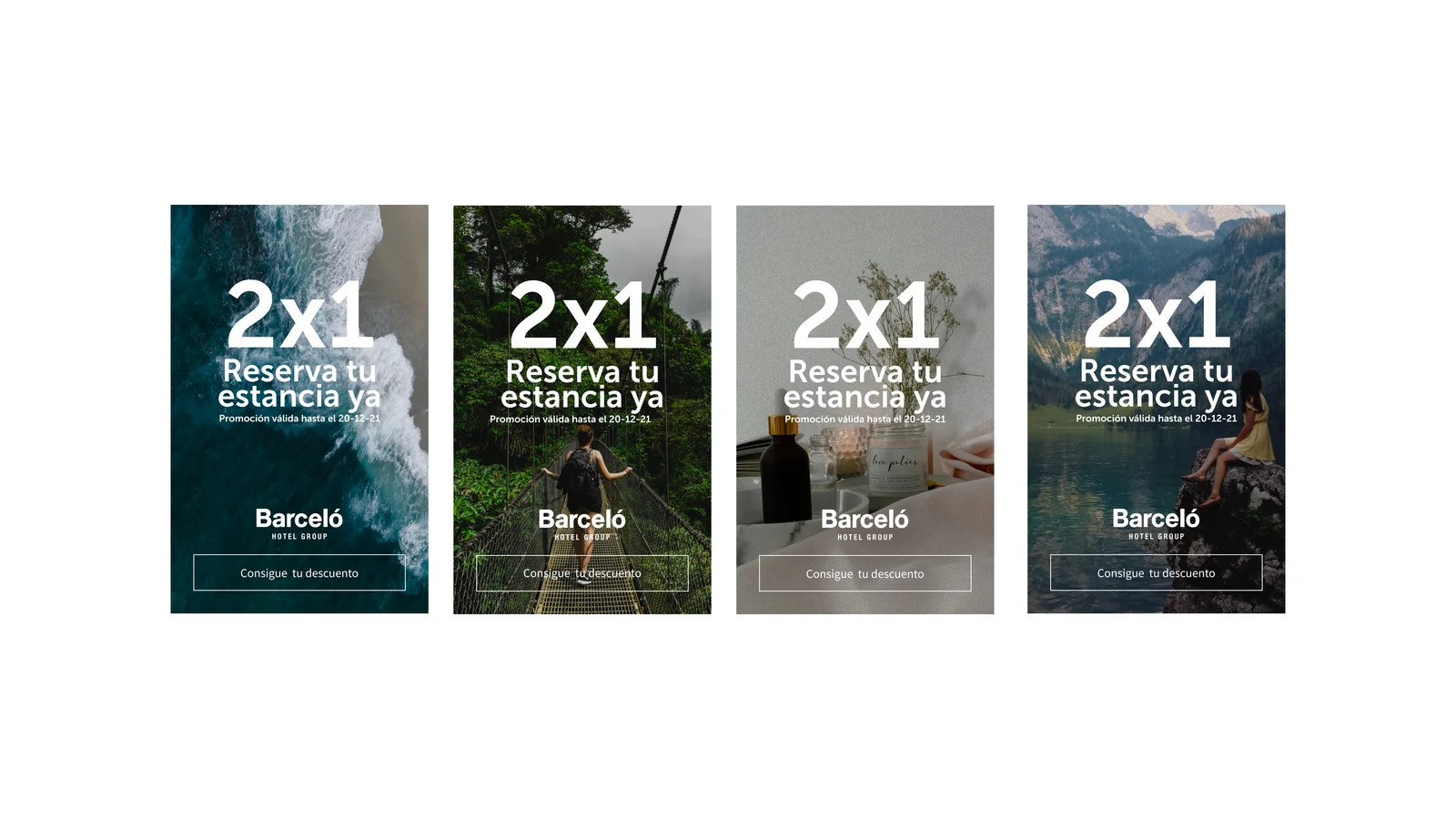
We designed contextual banners as a modular family of components that live alongside the content of each page, so the team can pick the right one for each article. The goal was not only to sell, but to genuinely help users plan their trip.
Banner types integrated into the content
A. Classic banners · B. Accommodation search banners · C. Hotel banners, showing the rooms of a specific hotel in the destination the article is about
The classic banner you can find on any blog. What makes these different is that they are contextual and consistent with the content around them.
B. Accommodation search banners
These banners are also contextual, and go one step further: they let users search for hotels in the area by entering their travel dates, number of guests, and so on.
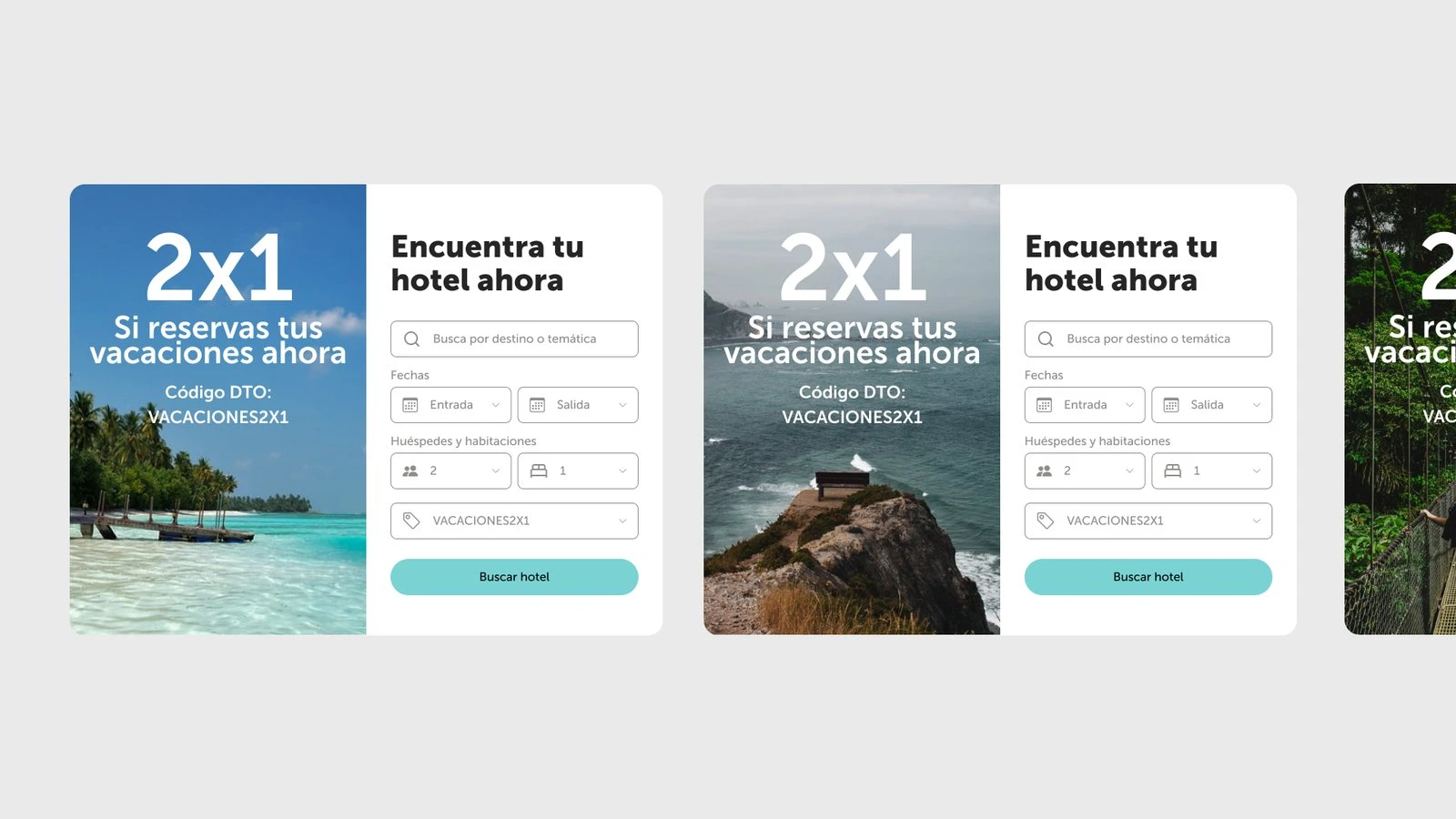
Custom banners based on the topic of each article, connected to the barcelo.com booking API.
The third level of banners lets users start booking a specific hotel in the destination and finish the booking on barcelo.com. These banners follow the visual identity of each Barceló hotel brand.
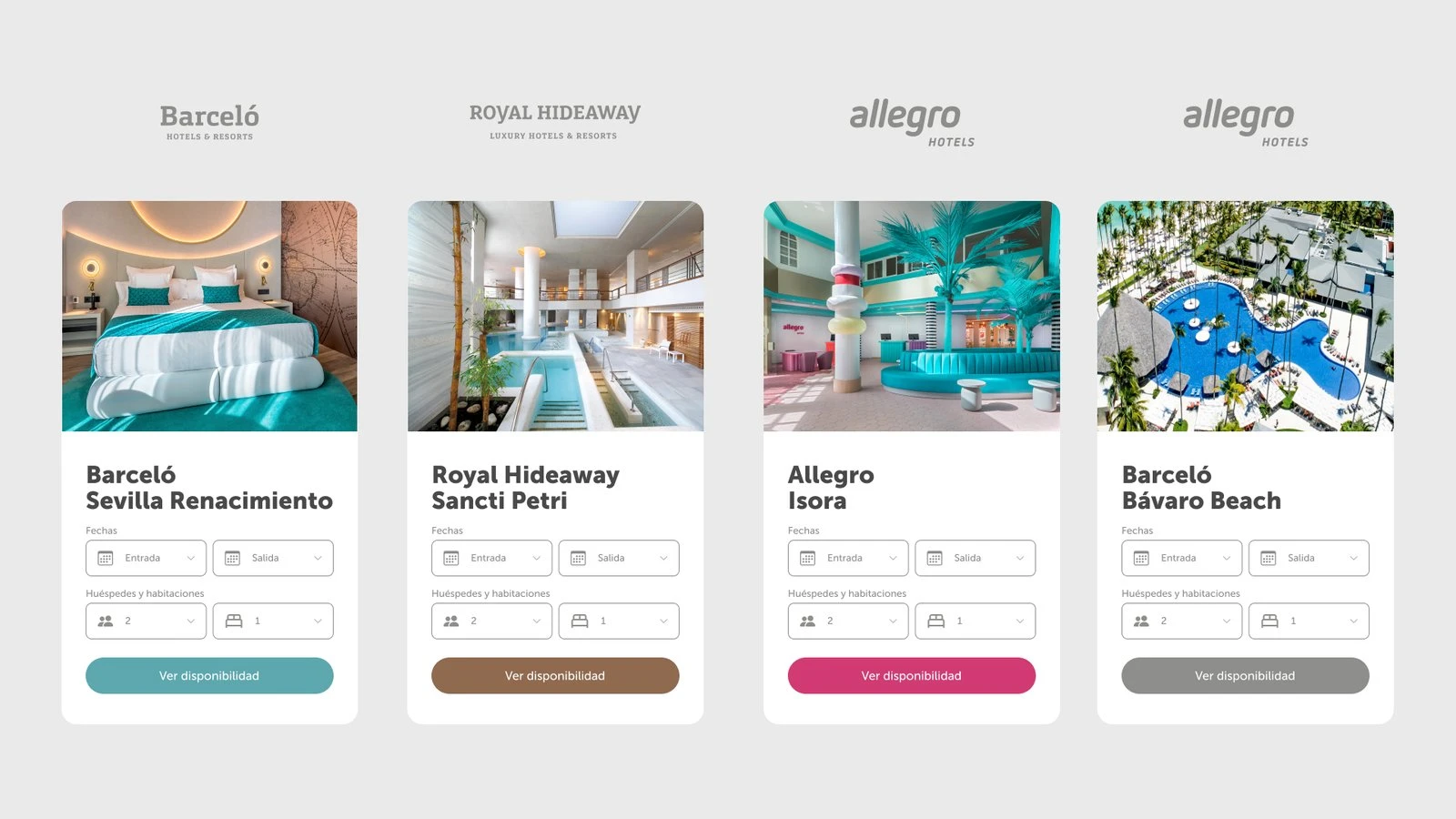
Custom banners based on the topic of each article, connected to the barcelo.com booking API.
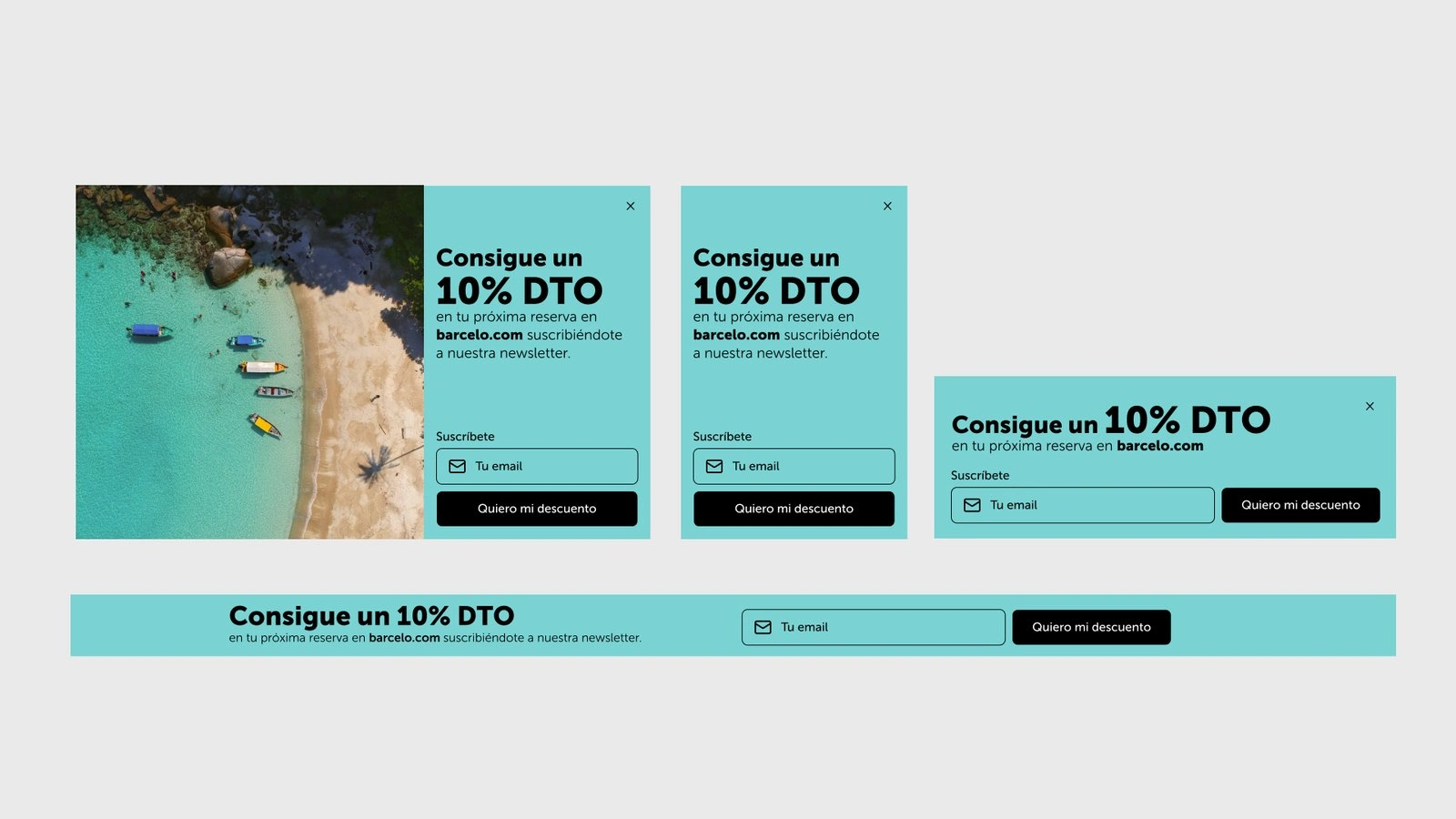
D. Subscription assets
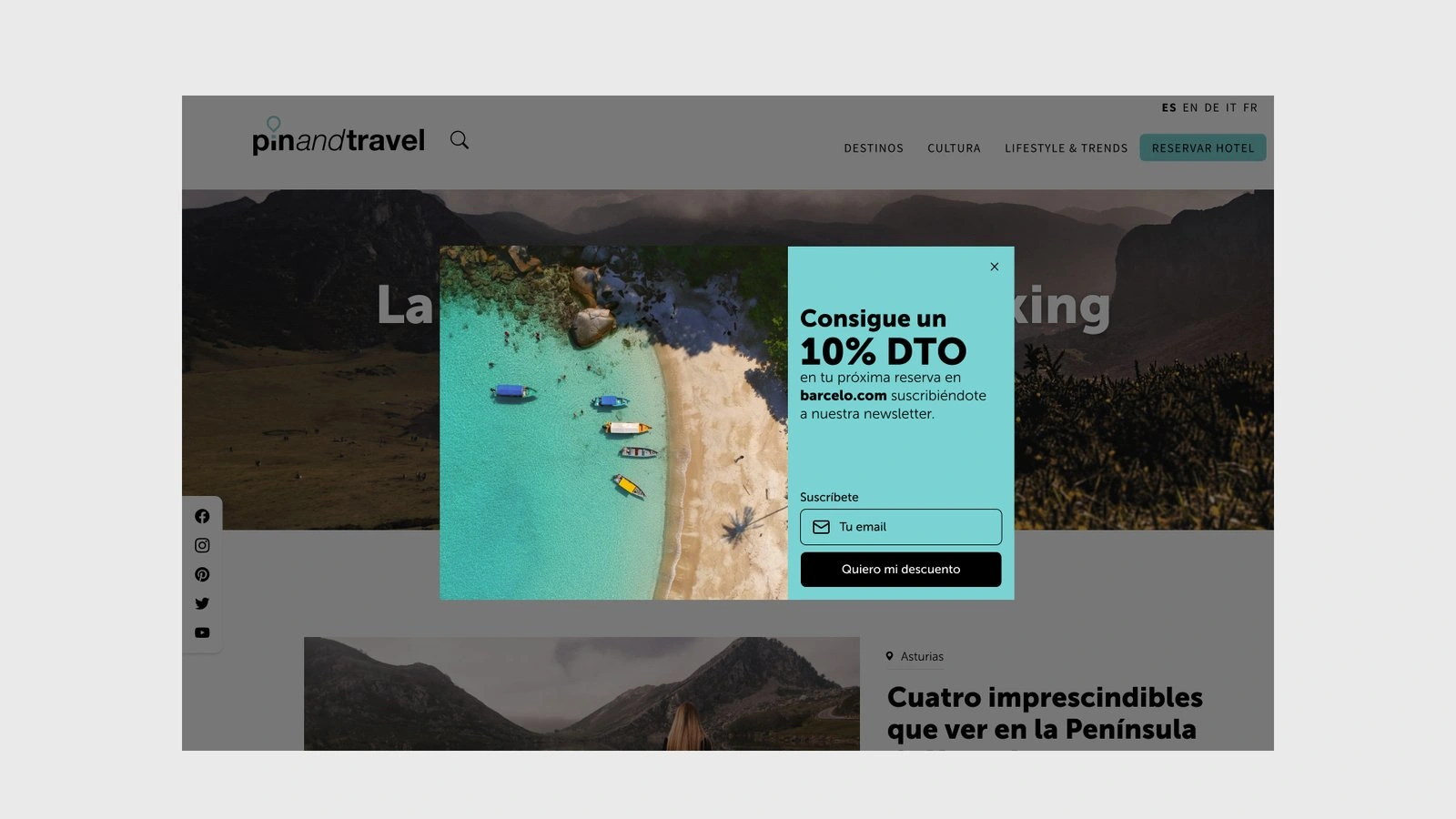
The new UI reserves space for banners and prompts to subscribe to the blog's future newsletter. This was proposed but was left pending implementation.
Post-migration data and conclusions
After the migration and the expected initial dip in traffic, sessions (the number of times a user visits P&T) soon started to grow.
The data shows better user retention: more pages viewed per session and longer sessions.
There was a clear increase in users aged 18 to 44, especially 35 to 44, while traffic from users aged 55 to 64 and 65+ dropped proportionally.
Referral traffic to barcelo.com grew significantly thanks to the new assets and banners, and it can now be measured in detail thanks to the blog's integration with Adobe Experience Manager.
0 likes · 0 views · Oct 2, 2026
Turned Barceló's travel blog into a lead channel: new IA, a component-based UI and a modular system of booking banners. More pages per session and referrals.

