Mobile App Design | Mental Health IOS App | UI UX Design

Anna asol_design


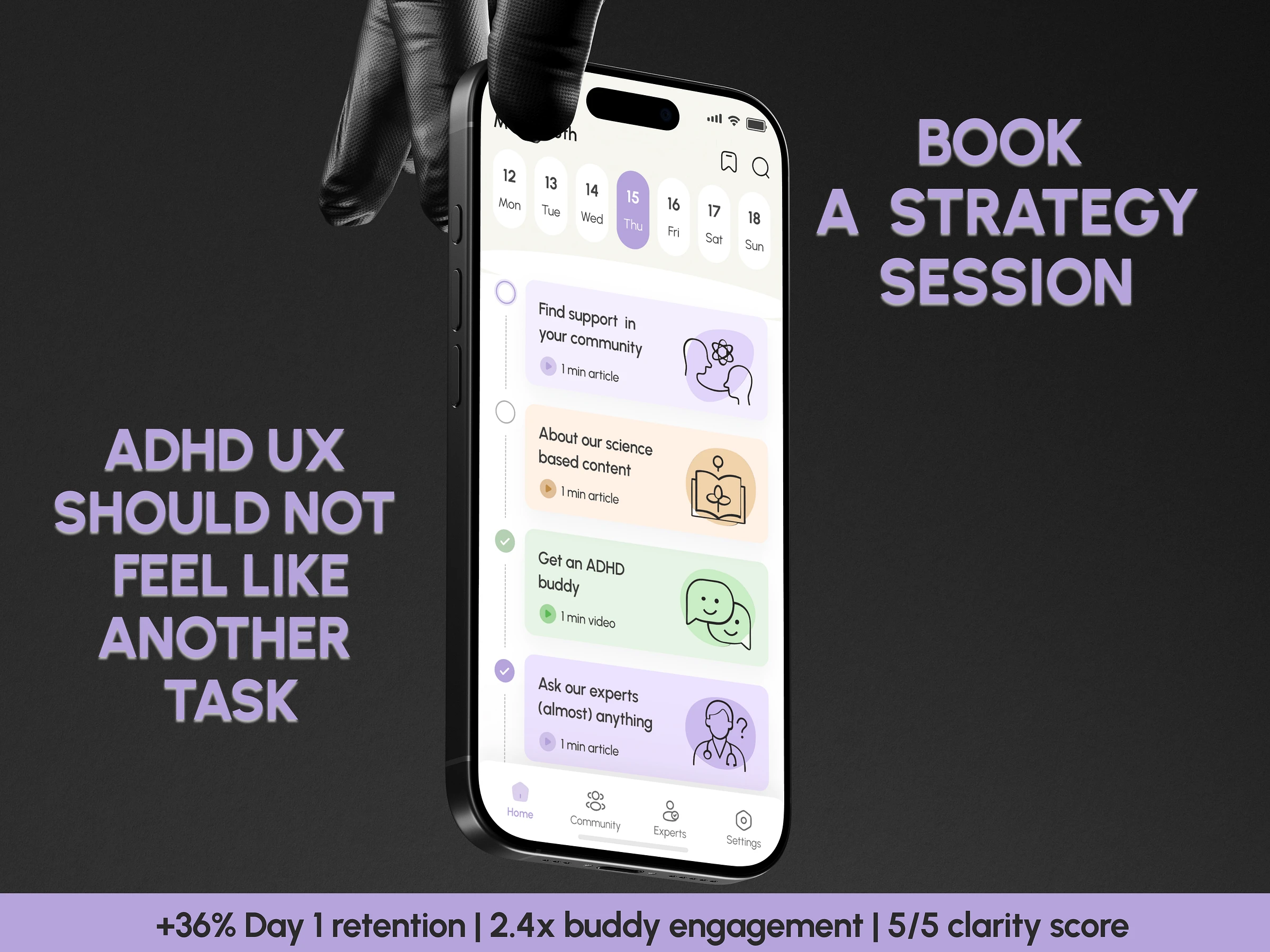
ADHD APPS SHOULD NOT FEEL LIKE ANOTHER TASK.
A lot of wellness apps are built around one assumption: if users want to feel better, they will follow the plan.
But for ADHD users, the problem is often not motivation. It is cognitive load.
Too many steps. Too much information. Too much pressure to stay consistent. Too many decisions before the user even feels supported.
This mobile app concept was designed around a different principle:
Don’t force users to manage more. Help them start with less.
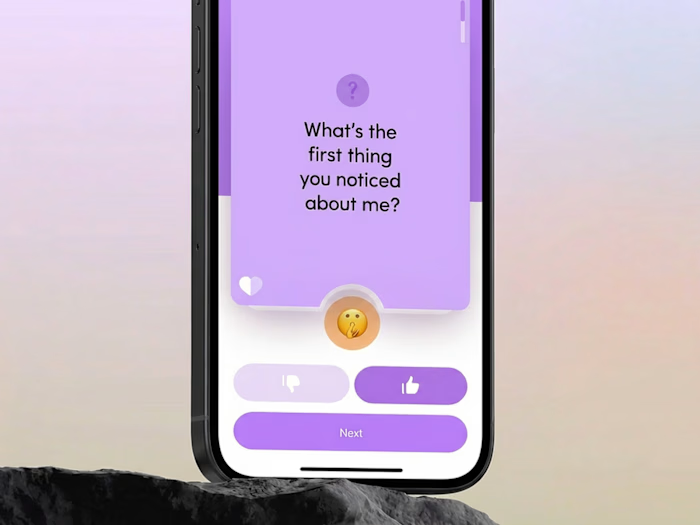
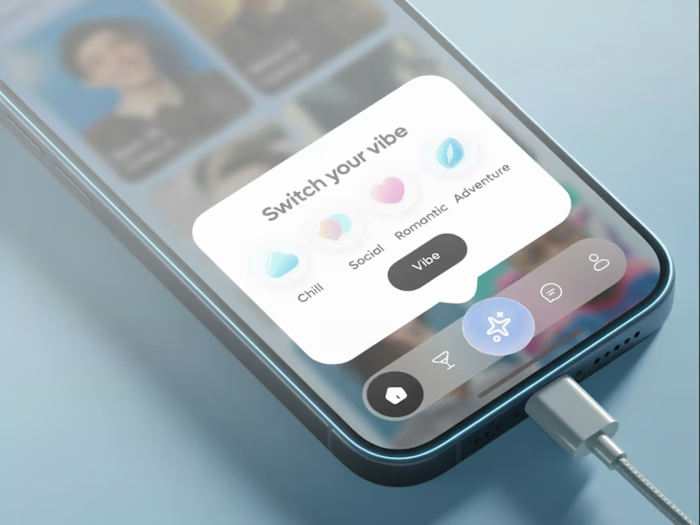
The experience combines ADHD-friendly micro-content, community support, body doubling, expert guidance, and daily progress in a calm mobile interface. Instead of overwhelming users with long routines, heavy dashboards, or endless self-improvement tasks, the app gives them small, clear, low-friction actions they can actually complete.
THE PATTERN I SEE ACROSS WELLNESS PRODUCTS:
Users do not always leave because the product is ugly. They leave because the product asks for too much energy too early.
They open the app and immediately face:
dense content
unclear next steps
too many choices
emotional pressure
routine complexity
weak personal relevance
no fast sense of support
For ADHD and mental health products, this friction matters even more.
IN ADHD UX, CLARITY IS NOT A NICE-TO-HAVE. IT IS THE PRODUCT.
CORE PRINCIPLE:
Don’t design another productivity system. Design a softer entry point into action.
WHAT THIS CONCEPT DOES:
reduces cognitive load
breaks support into tiny daily actions
makes content feel easy to start
uses calm visual hierarchy
supports community connection
adds ADHD buddy / body doubling logic
gives fast access to expert help
creates a clear daily structure without pressure
This is not just a pastel wellness interface.
It is a mobile UX system designed around low-friction support, emotional safety, and easier follow-through.
Because for ADHD users, the best product experience is not the one that demands perfect consistency.
It is the one that helps them return without shame.
PRODUCT HYPOTHESIS / EXPECTED UX IMPACT:
+36% potential increase in Day 1 retention
2.4x higher engagement with ADHD buddy features \
3x more repeat visits after expert support interactions
5/5 target satisfaction score for simplicity and clarity
If the app feels like another thing to manage, users will leave.
REDUCE THE FRICTION BEFORE USERS DROP THE ROUTINE. BOOK A MOBILE APP UX STRATEGY SESSION.
Like this project
Posted May 1, 2026
Designed a growth-focused ADHD wellness mobile app UX/UI to reduce cognitive load, improve daily planning clarity, and increase user retention.