El Migrante — LVX Optics

Sal Vanegas

"El Migrante" Short film for LVX Suárez Cinema Lens Collection
Directed by Peppe Badalamenti, shot on RED Raptor and RED Komodo in Los Angeles amid the 2025 uprisings. A lens launch that became a film about displacement, told through a voiceover fractured across fifteen speakers and three intercut narratives.
Client: LVX Optics
Produced by: Badalamenti Films
Direction: Peppe Badalamenti
Role: Lead Senior Editor
The brief
One voiceover, written and performed by the director as a single narrating presence, then redistributed across fifteen people speaking fragments of it to camera. Underneath it, three narratives that never intersect: a boxer, a kitchen worker returning to his border crossing, dancers in the desert. The problem wasn't finding a cut. It was finding the logic that let all of it be one film.
What I did
Peppe and I have been collaborating on each other's projects for years, back when we were shooting music videos for local bands in Guatemala City. He brought me this one because it was personal. He needed fast-paced cinema cuts from our more experimental days combined with a more grounded documentary approach towards a social issue that's very important to both of us.
He'd written a voiceover in the register of a sentient narrator describing migration, recorded it himself, then filmed fifteen people speaking pieces of it back to camera documentary subjects he met in Los Angeles during the 2025 protests.
Three narratives run beneath it as well as a large volume of B-roll footage documenting the every day lives of random migrants he shot with his team in documentary guerrilla style using RED Raptor and Komodo cameras with minimal rigging, letting the SUAREZ lens kit do the heavy lifting, catching beautiful images as a true cinema vérite statement.
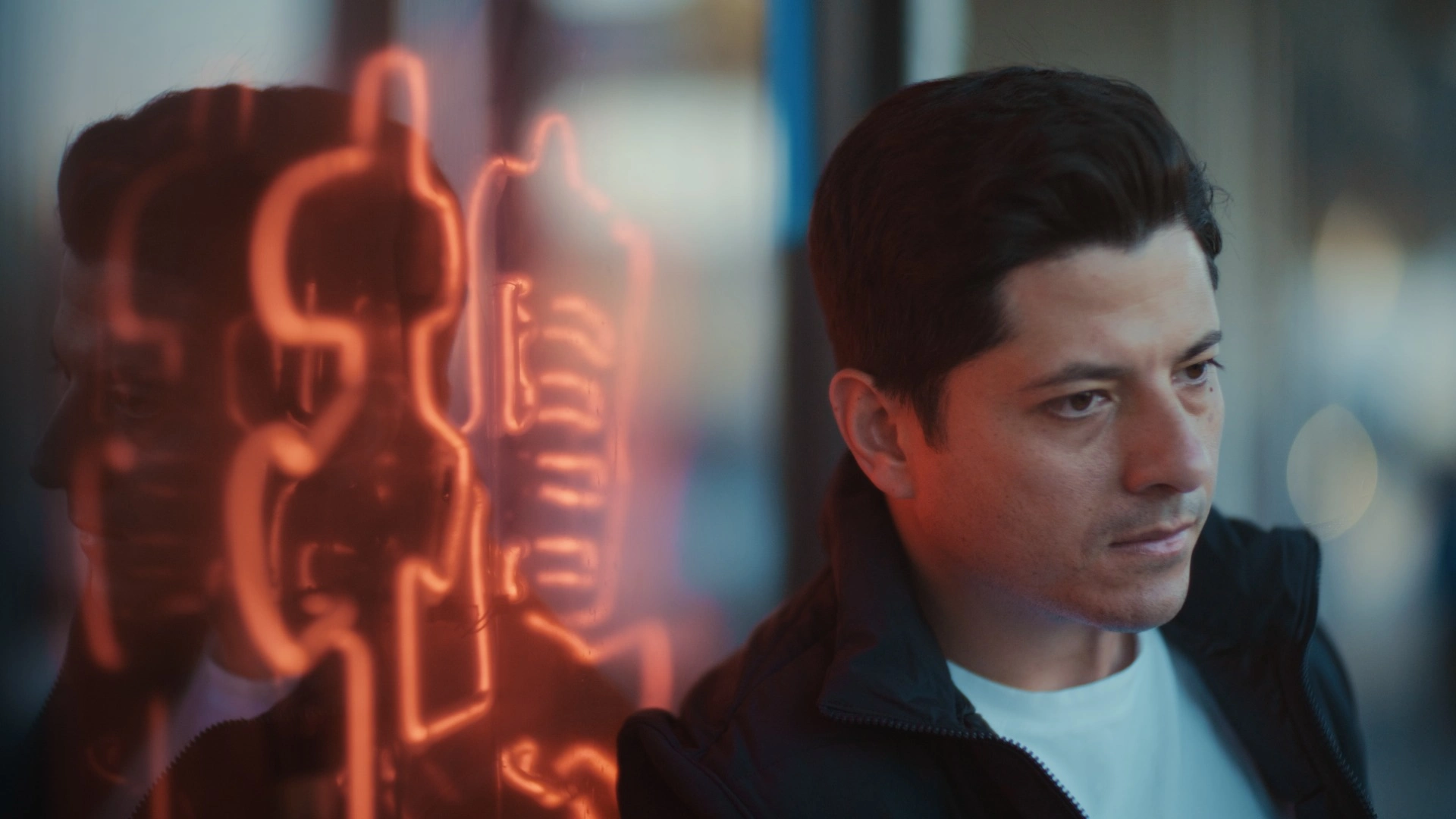
"El Migrante" Short Film Still.
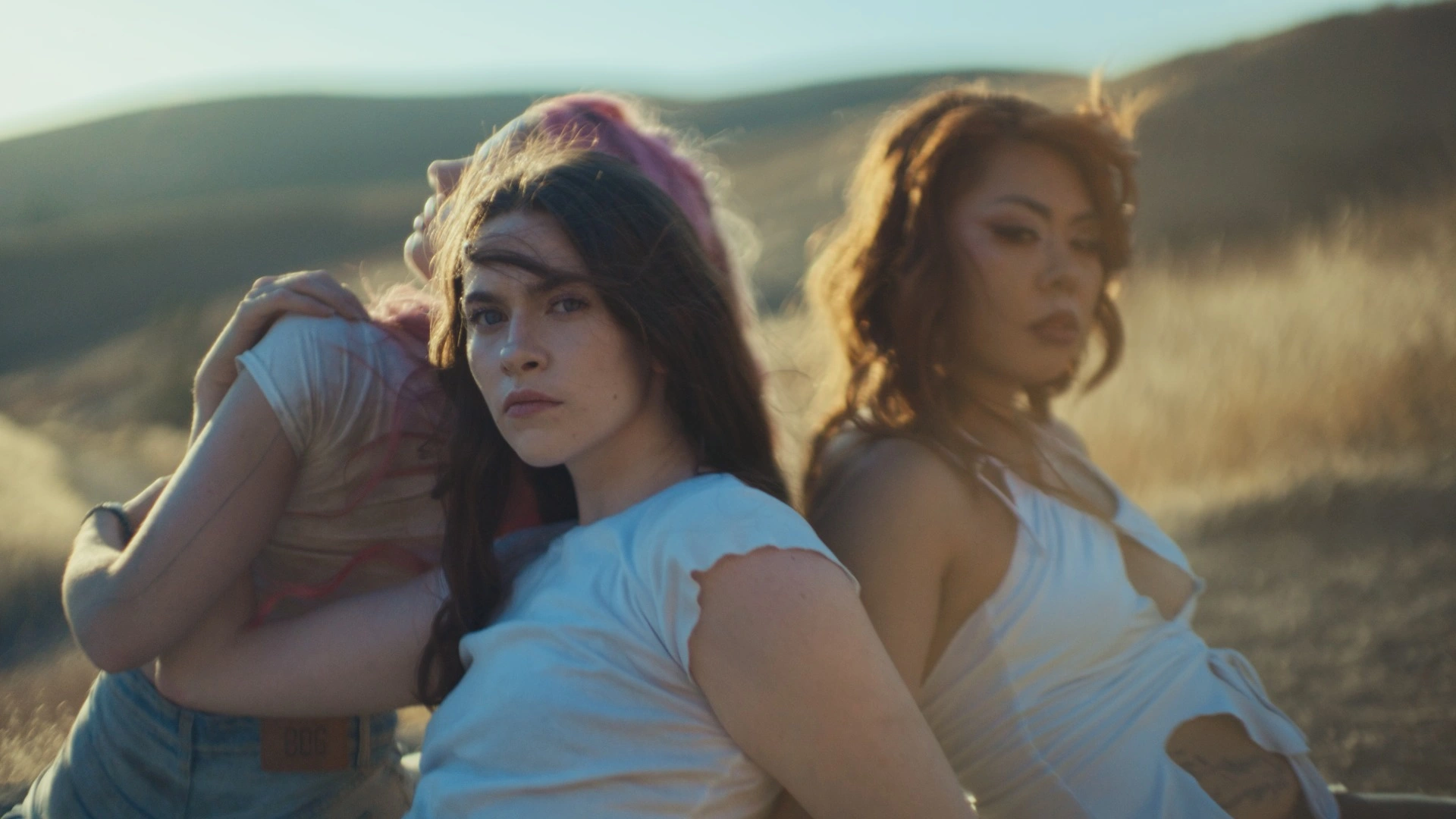
"El Migrante" Short Film Still.
The process
Built the film's structure from raw documentary material and turning it into a glossier high-end commercial showing the Lenses power was not an easy task.
The voiceover was the spine, so every lip-sync fragment had to land on the right speaker at the right moment — fifteen faces carrying one continuous voice without the seams showing.
Around that, the three narratives were interleaved on pacing rather than plot, cutting fast and associatively so the boxer, the kitchen, and the desert read as one continuous pressure instead of three separate stories.
The film also had a product to sell, and the Suárez glass sells itself only under specific conditions: shallow depth, minimal focus elements, warmth at the diffusion point, roll-off allowed to do its work.
Those shots are slow by nature, and the film is not. Selecting from hours of footage meant finding the frames where the optics were unmistakable, then placing them so they functioned as rests inside the fast cutting rather than interruptions of it. B-roll juxtaposed against jump cuts, transitions grounded and organic — the glass stays the most designed thing on screen.
Ran a two-person post team: one on sound design, one on fine-cut detail — overlays, speed ramping, transitions. Grade was external. Offline, fine cut, and conform all lived in a single DaVinci Resolve timeline.
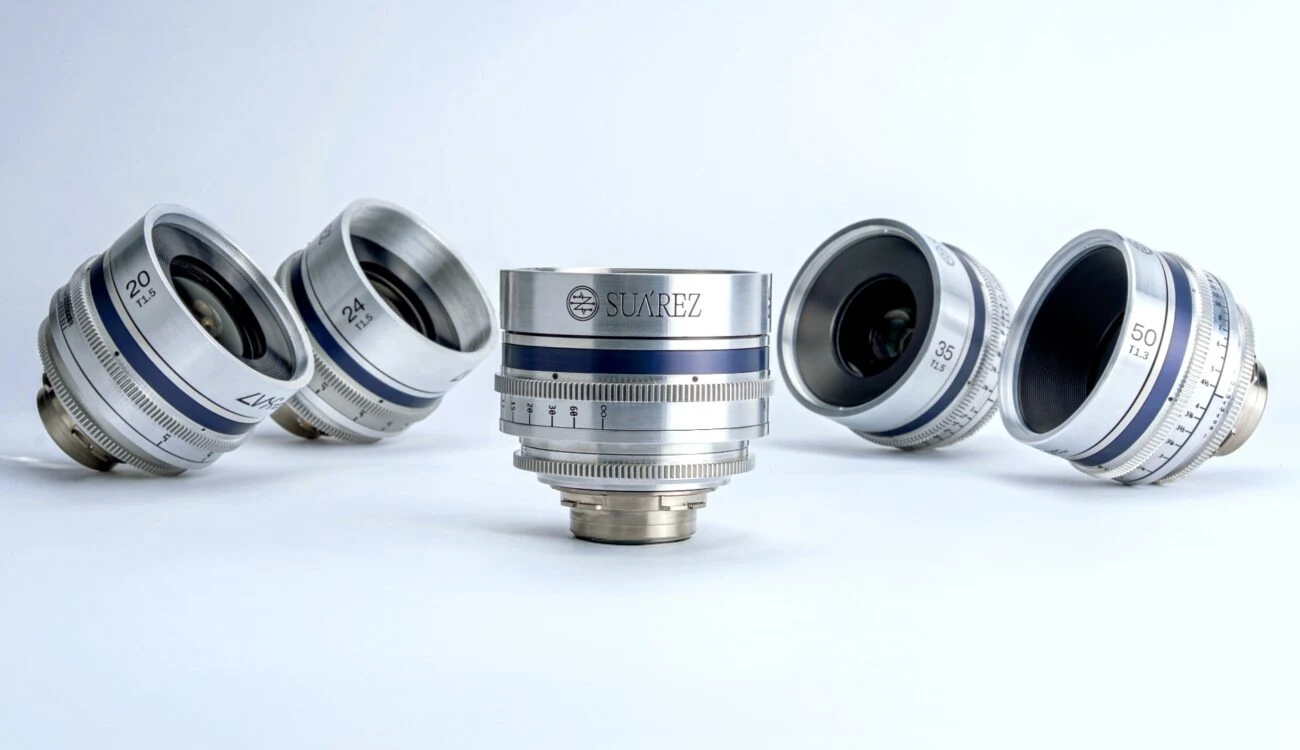
Suárez Cinema Optics Collection
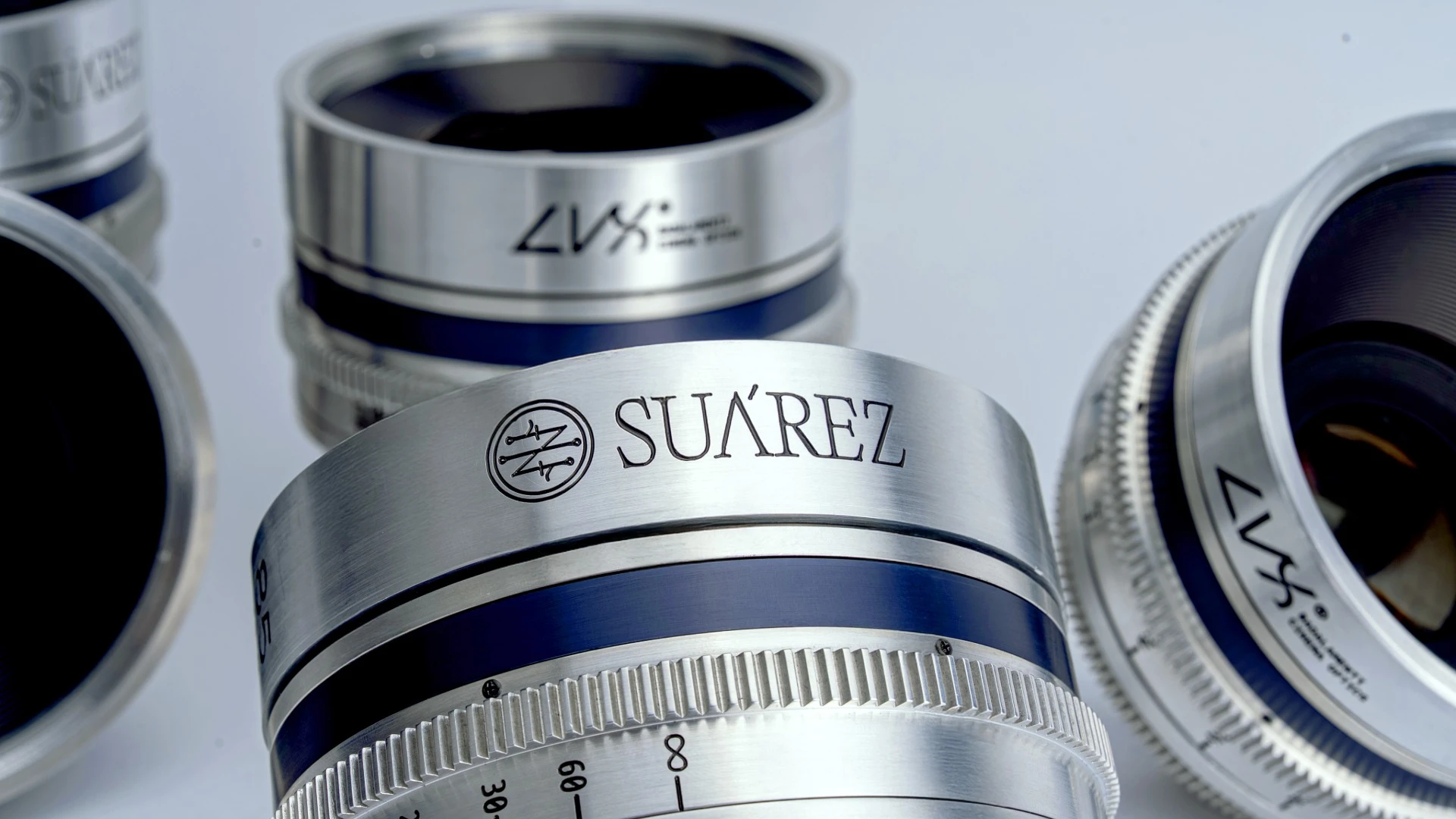
Suárez Cinema Optics
Specs
Cameras: RED Raptor, RED Komodo
Lenses: LVX Suarez
Post: DaVinci Resolve
Location: Los Angeles
Like this project
Posted Jul 31, 2026
Lead editor for a cinematic short film promoting LVX Optics cinema lenses, shot on RED Raptor/Komodo, produced by Badalamenti Films.
Likes
0
Views
1
Clients
LVX Optics
Badalamenti Films