Hybrid Commerce Product Design for Modern Retail

Shawn Borsky


Valuelenz
Valuelenz explored how physical retail could behave more like modern ecommerce without losing the tactile, human parts of shopping that still matter. They call it hybrid commerce or phygital shopping.
I worked across multiple product concepts and pilots that focused on bridging in-store discovery, mobile checkout, and remote commerce into a single, flexible platform that could scale from global brands to small boutiques.
Scan, Pay & Go: Reimagining the In-Store Flow
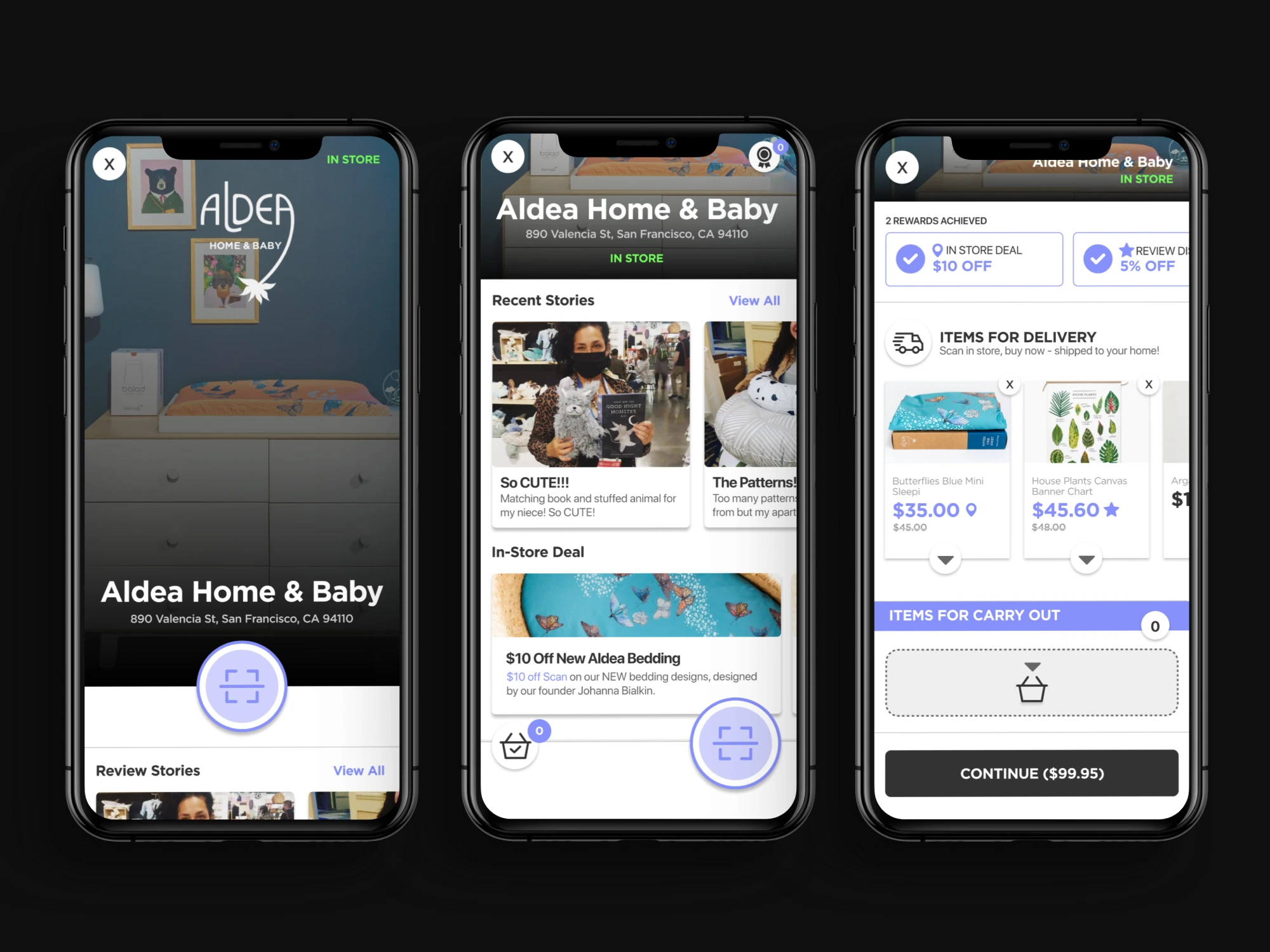
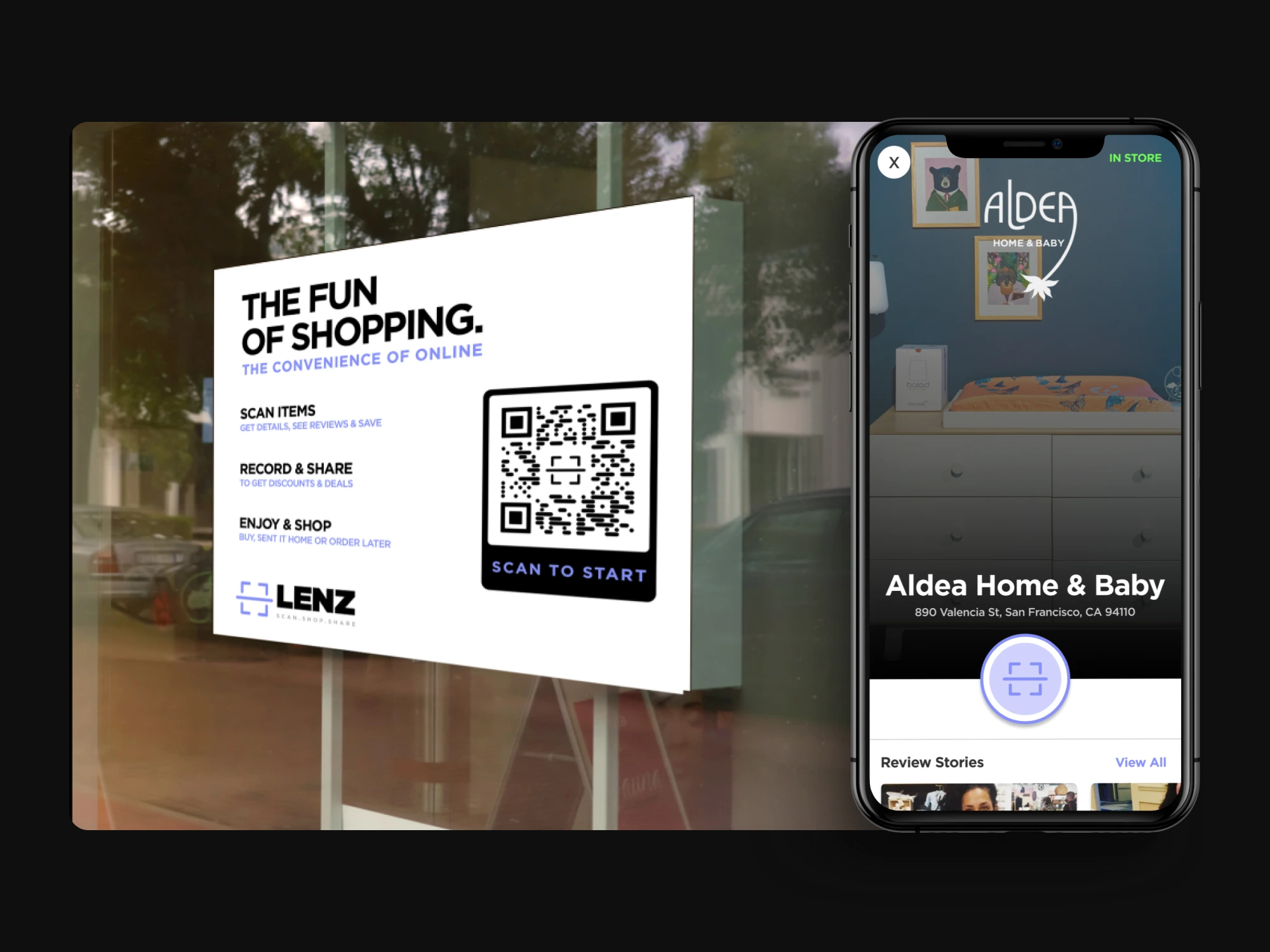
A core concept was a white-label scan, pay & go web app designed for use directly in physical stores. Customers could scan products on their phone, see a live digital cart update in real time, and choose how they wanted to complete the purchase: pay at the register, check out on their phone, or have items delivered later.
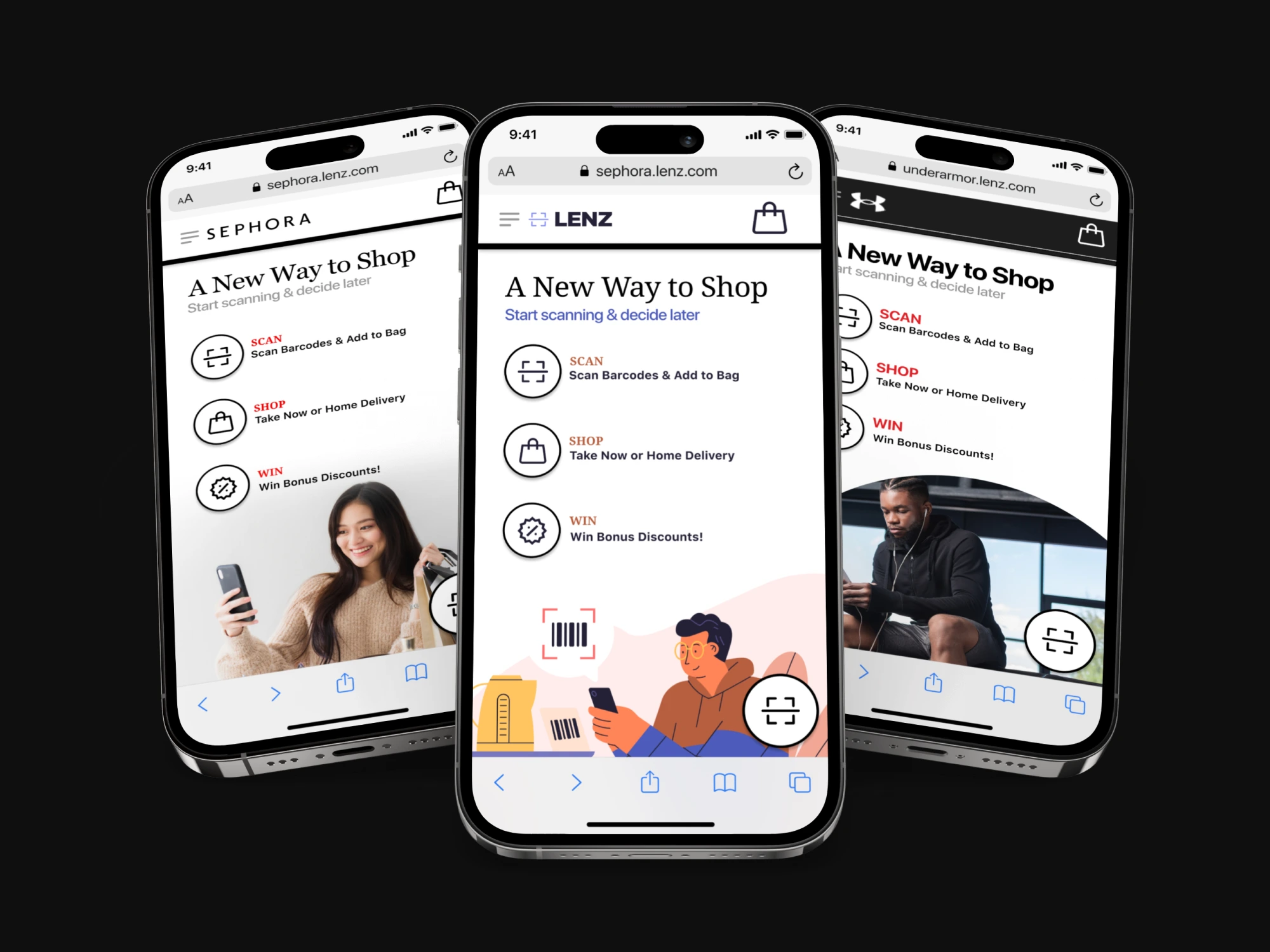
A key interaction introduced a celebratory spend threshold mechanic: as customers scanned items, they unlocked discounts once certain spend levels were reached. This feedback loop lived directly inside the digital cart, encouraging exploration and increasing engagement while shopping.
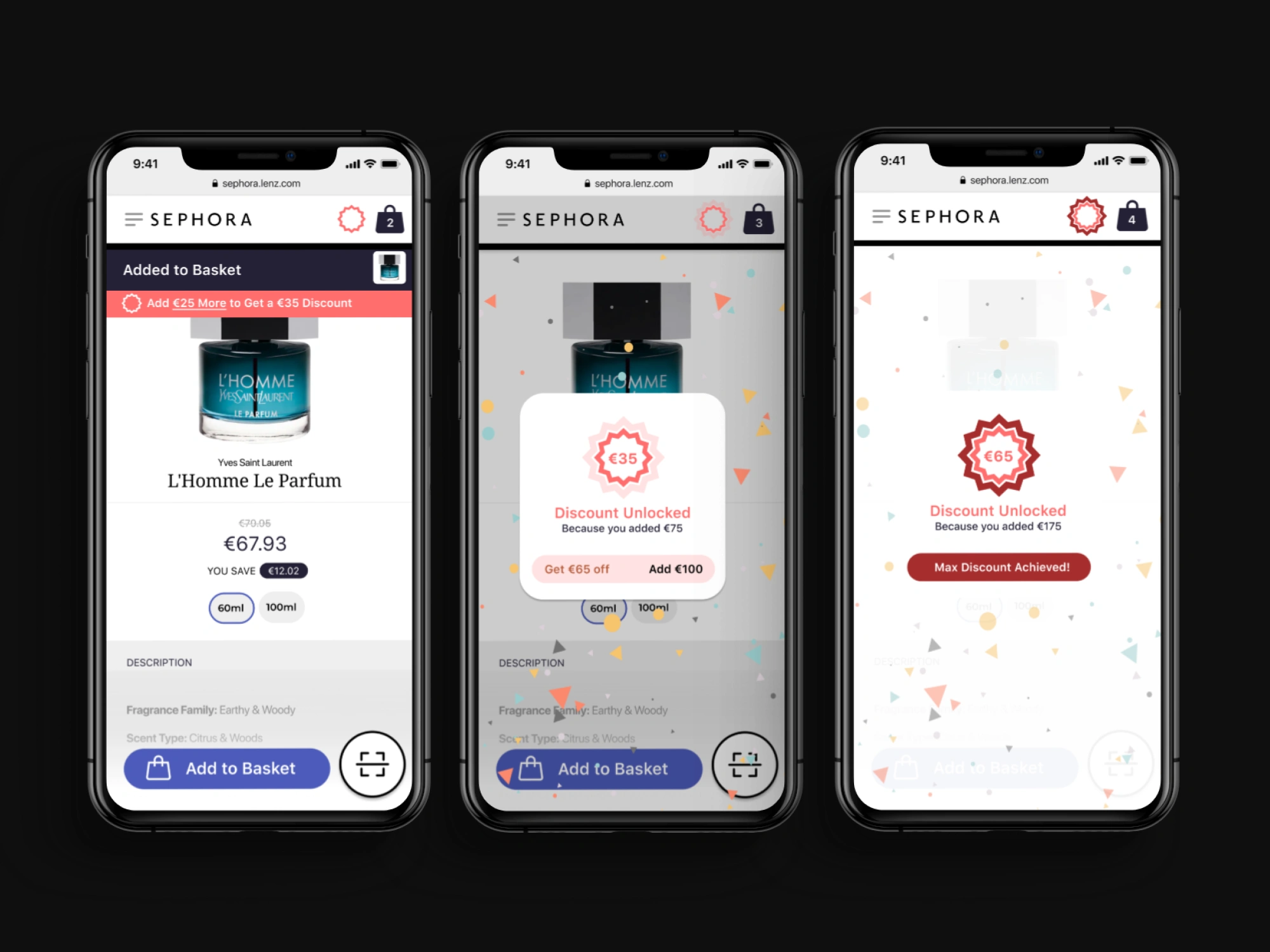
Scan, Pay & Go - Personal discount indications and celebrations
The system was intentionally designed to support inventory-light retail models, where stores function more like showrooms. Customers could handle real products in person, scan them via QR code, and complete purchases digitally for later fulfillment: blurring the line between ecommerce and physical retail in a way that worked for smaller merchants.
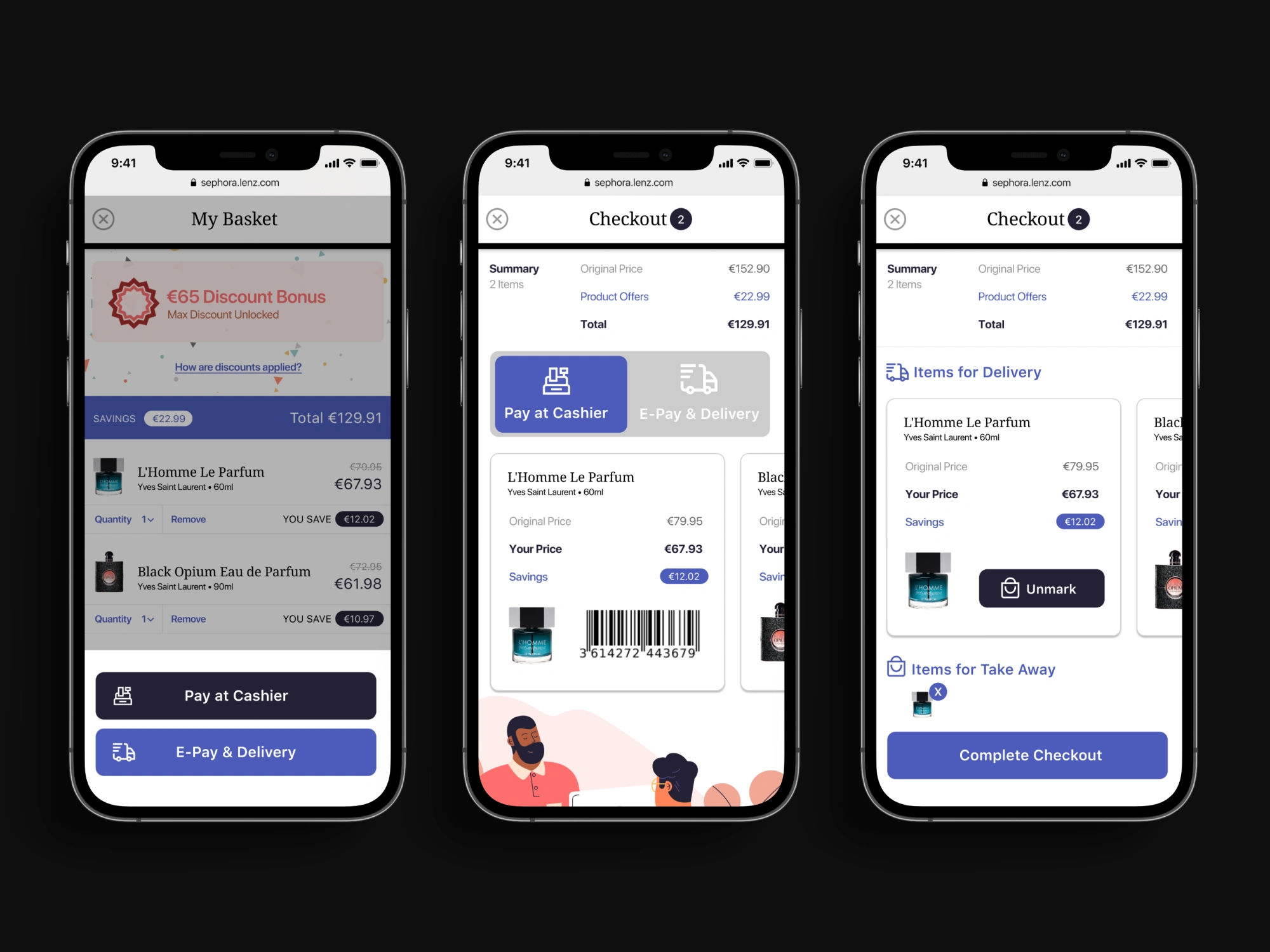
Scan, Pay & Go - Take away vs. Pay for delivery choice flow
Remote Shopping: Mall of Athens Pilot
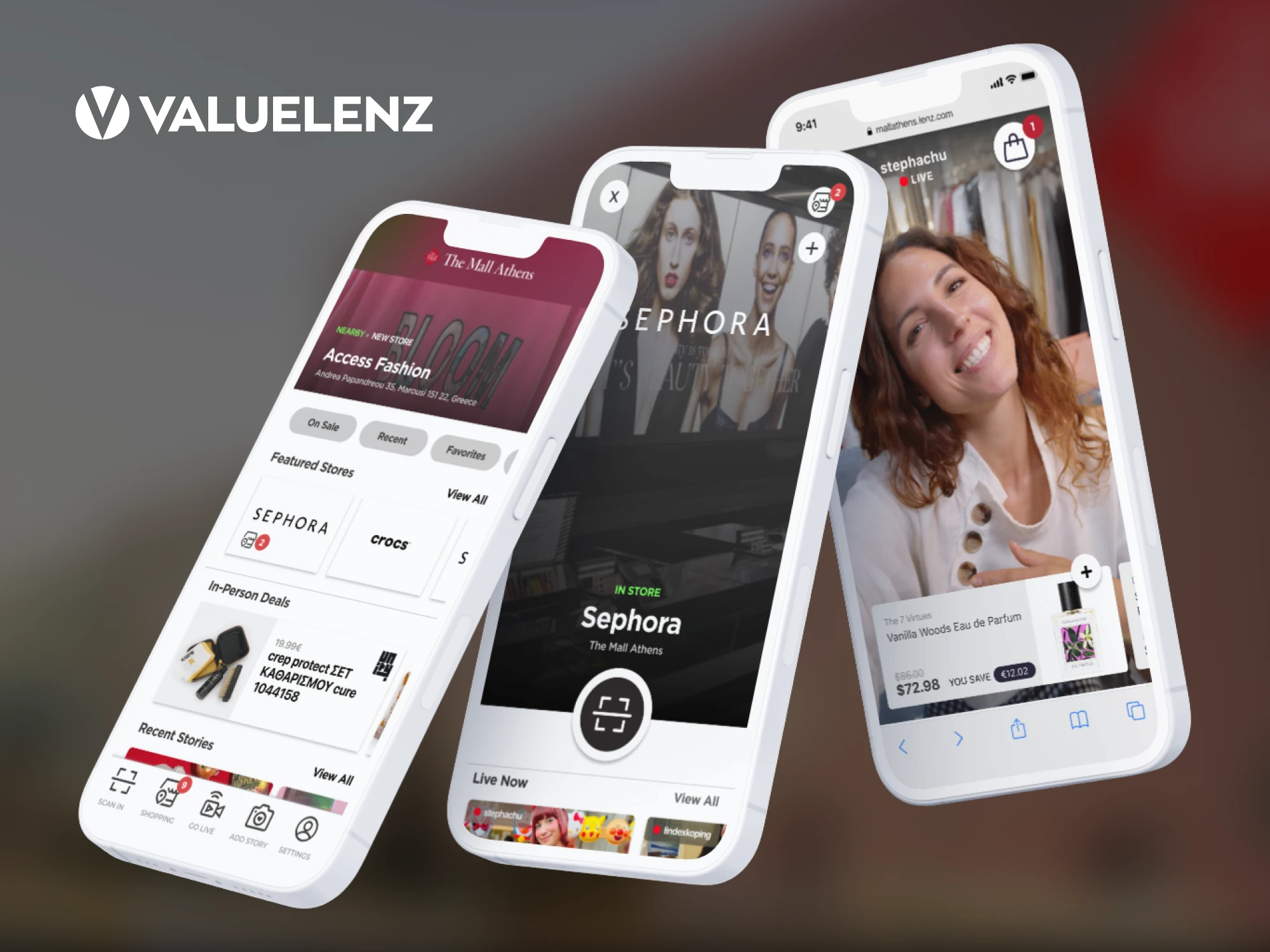
I also designed a remote shopping experience piloted with the Mall of Athens, aimed at customers who couldn’t or didn’t want to shop in person.
Using a web or native app, customers could request a remote shopper who was physically present at the mall. That shopper would accept the request, visit stores on the customer’s behalf, and connect via live video or text chat to show products, answer questions, and help make decisions in real time.
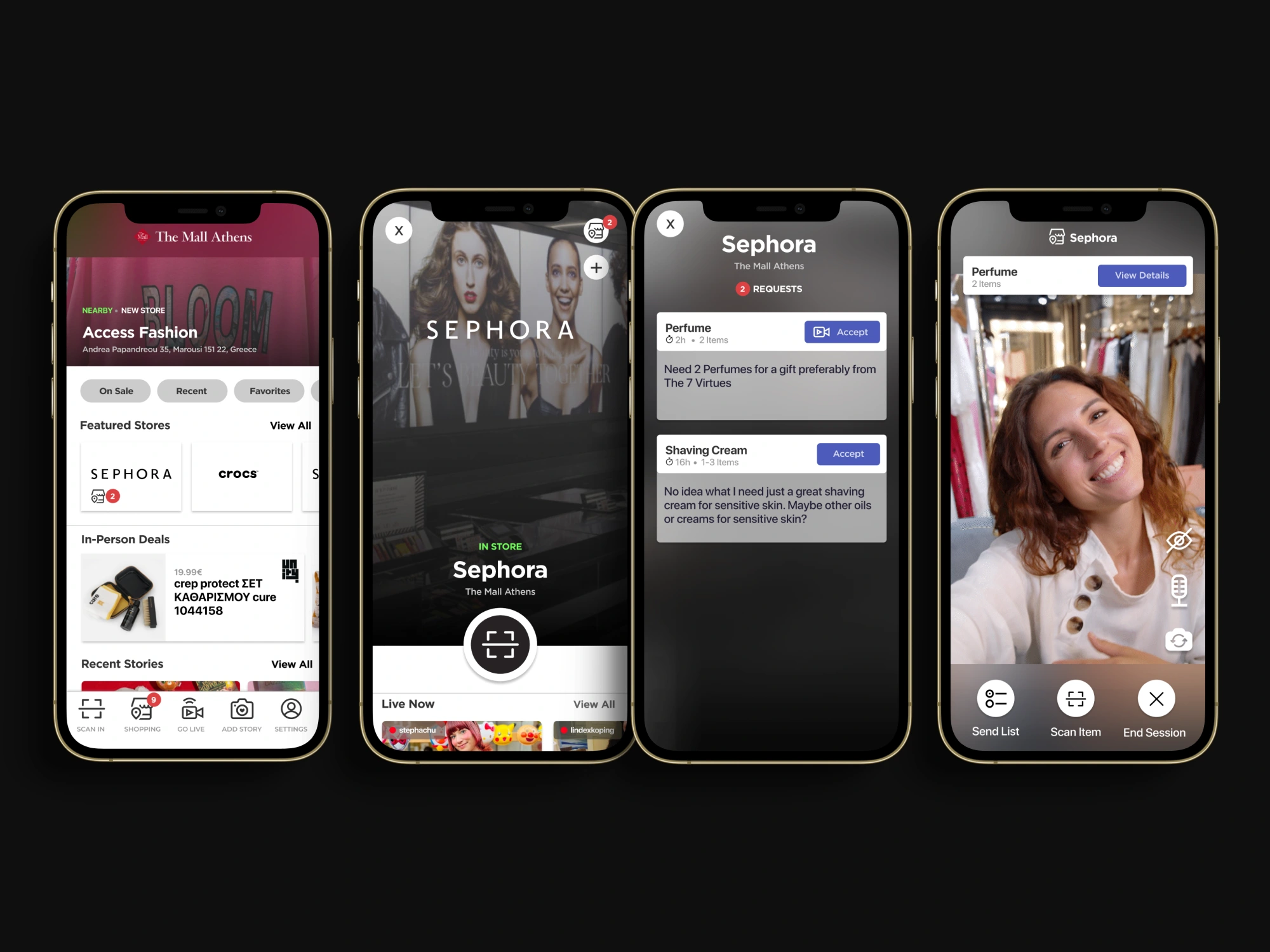
If a customer chose to buy, the shopper could push the cart directly to the customer’s device, allowing them to complete checkout and arrange delivery seamlessly. The experience focused on preserving trust and agency while removing the friction of travel, crowds, or physical limitations.
Shopper & Creator Ecosystem
Alongside the customer experience, I designed a native shopper app targeted at aspiring influencers and casual shoppers alike. Anyone could sign up as a remote shopper, choosing between high-touch video interactions or more passive text-based shopping.
Shopper view for remote shopping demo for Mall of Athens
This opened the door to a creator-driven commerce model, where shoppers could livestream or record shopping sessions, curate carts, and share them with followers. Viewers could purchase directly from these carts, creating a parasocial shopping loop that benefited creators, customers, and retailers—while keeping the experience grounded in real products and real stores.
Content Creator view for remote shopping demo for Mall of Athens
Brand Flexibility & Pilots
The platform was designed to be brand-agnostic and highly adaptable. In addition to a live pilot with Sephora, I created speculative mockups for Aldea, Stonehouse Olive Oil, and other small businesses to demonstrate how the same system could flex across categories: from beauty to specialty food to local goods all without changing the core experience.
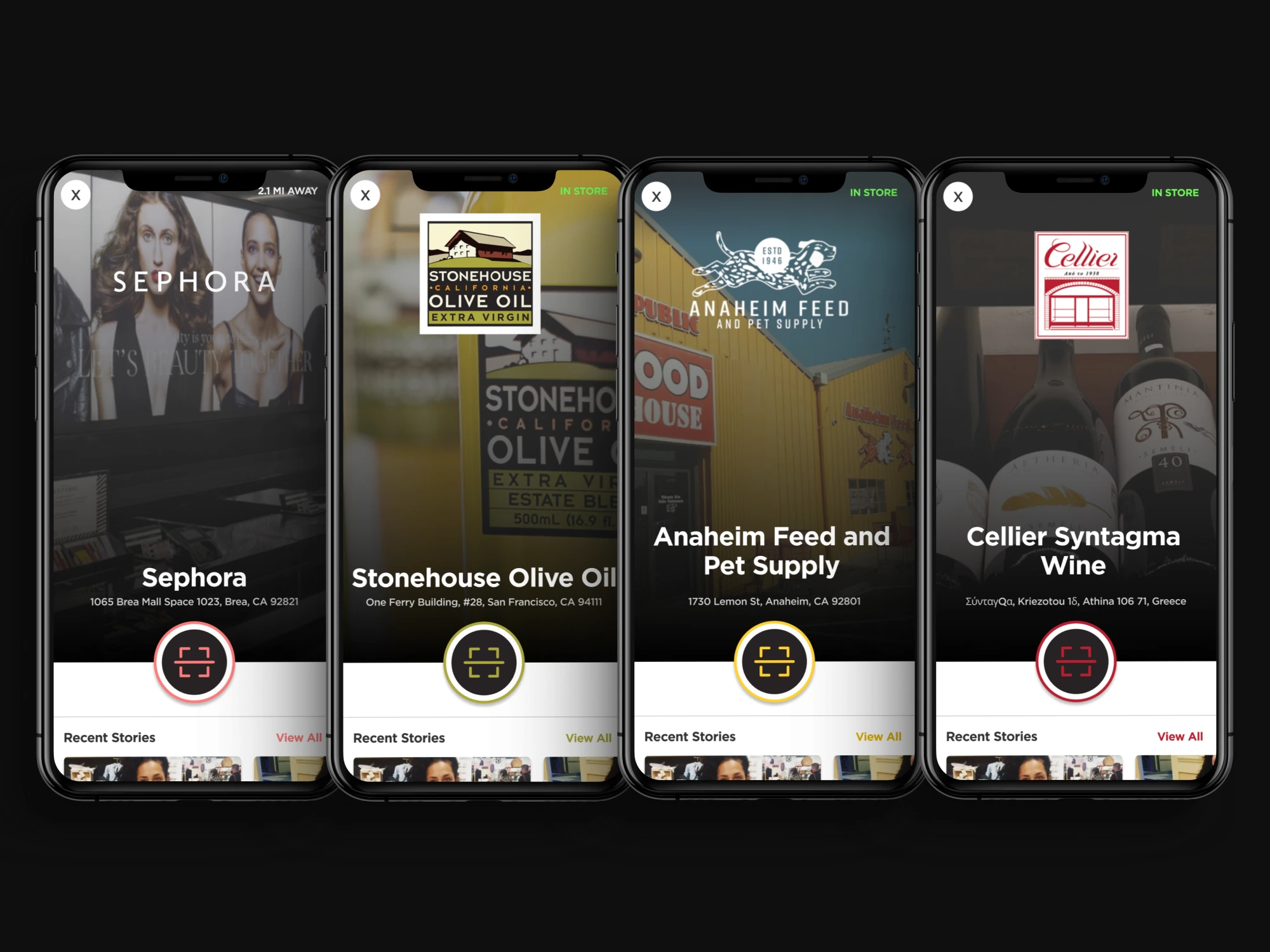
Across all concepts, the focus remained the same: reduce friction, increase choice, and let physical retail behave more like modern digital commerce without losing its humanity.
Like this project
Posted Dec 20, 2025
Helped Valuelenz to bridge physical stores and ecommerce through scan-to-pay, remote shopping, and flexible white-label mobile-first design.
Likes
0
Views
6
Clients
Valuelenz