Innova: Redefining Clinical Ops Through AI

Mark K. Hamz


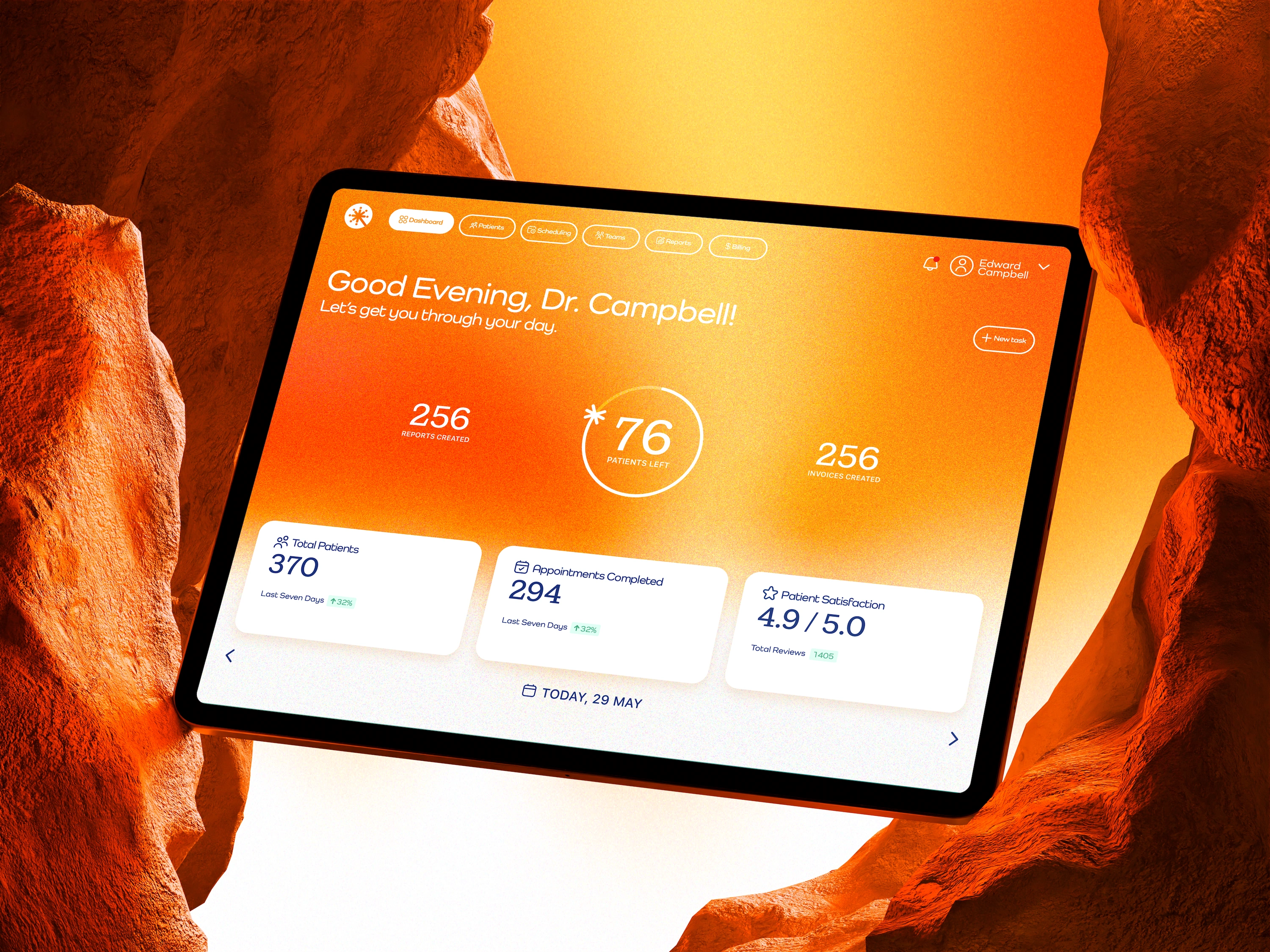
Innova - AI native EHR
When I set out to build Innova, the vision was clear: stop treating clinical documentation as a chore and start treating it as a seamless byproduct of care. As an AI-native EHR, Innova isn't just another digital filing cabinet; it’s a high-velocity command centre designed to solve the "Triple Threat" of therapy documentation burnout, compliance anxiety, and audit risk.
The Strategy: From Forms to Flows
My core strategy for Innova is Intelligent Clinical Ops. I didn't want to build a platform where clinicians spend half their shift typing. Instead, I designed a cloud-native, multi-tenant ecosystem that prioritizes interoperability with giants like MatrixCare and PointClickCare.
By moving from rigid "Forms" to fluid "Flows," I’ve embedded AI into the very fabric of the platform. It doesn't just sit on top; it actively validates compliance (like the 8-Minute Rule) in real-time. My goal is simple: reduce online time by 50% so therapists can focus on patients, not pixels.
Key Performance Metrics
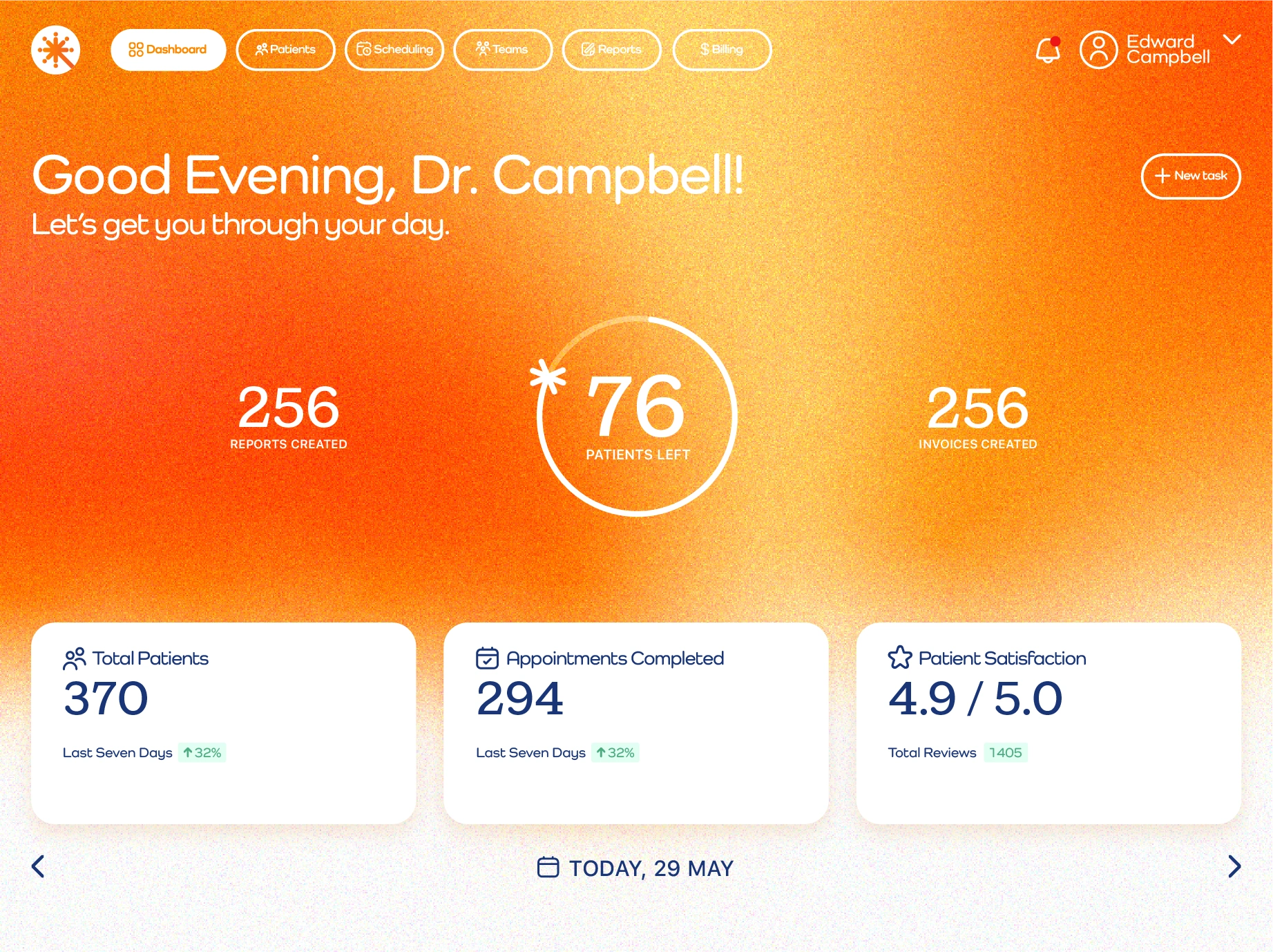
To ensure the platform delivers on its promise, I track high-level success indicators directly on the main dashboard:
Clinical Velocity: Tracking reports and invoices created in real-time.
Growth Trends: Monitoring a 32% week-over-week increase in appointments completed.
Quality of Care: Maintaining a 4.9/5.0 patient satisfaction score across thousands of reviews.
1. High-Velocity Interoperability
To solve the "Triple Threat," the backend is built for seamless data exchange. We utilize a HL7 FHIR-based API layer to ensure that data flows bi-directionally between Innova and legacy systems like PointClickCare.
Middleware: A custom integration engine that normalizes data from multi-tenant environments into a unified clinical record.
Sync Strategy: Real-time webhooks ensure that when a patient is admitted in the facility’s primary system, their profile is instantly ready for the therapist in Innova.
2. The AI Fabric (NLP & Logic Engine)
We aren't just "calling an API" for AI; we’ve built a custom clinical logic engine.
Real-time Validation: As a therapist types a SOAP note, a Transformer-based NLP model parses the text in the background. It flags potential 8-minute rule violations or missing functional goals before the user even hits "Save."
Smart Libraries: We developed a predictive text engine that suggests clinical phrases based on the specific ICD-10 codes assigned to the patient, drastically reducing manual typing.
Dashboard
3. Frontend Architecture: The "Glanceable" UI
The dashboard you see is built using React with a custom-themed Tailwind CSS framework to ensure the "grainy" aesthetic doesn't compromise performance.
State Management: We use TanStack Query (React Query) to handle the high volume of real-time data updates (like the report counters) without requiring full page refreshes.
Micro-Frontends: To keep the "Operational Hub" fast, we’ve modularized the dashboard. The billing widgets, scheduling tiles, and patient lists load independently, ensuring the UI remains responsive even under heavy data loads.
4. Security & Compliance (The Vault)
Because we handle sensitive PHI, security is baked into the development lifecycle:
Encryption: AES-256 at rest and TLS 1.3 in transit.
Audit Trails: Every interaction with a clinical record is logged in an immutable ledger, making Innova "audit-ready" by default.
Innova is more than an EHR; it’s my commitment to making healthcare operations as smart and intuitive as the people providing the care.
Like this project
Posted Dec 16, 2025
I designed and developed a cloud-native, multi-tenant ecosystem that prioritizes interoperability with giants like MatrixCare and PointClickCare.