Cinematic AI Documentary: NAYAYI — The Interview

NIZAR SAMOGLU


NAYAYI — The Interview | Cinematic AI Film
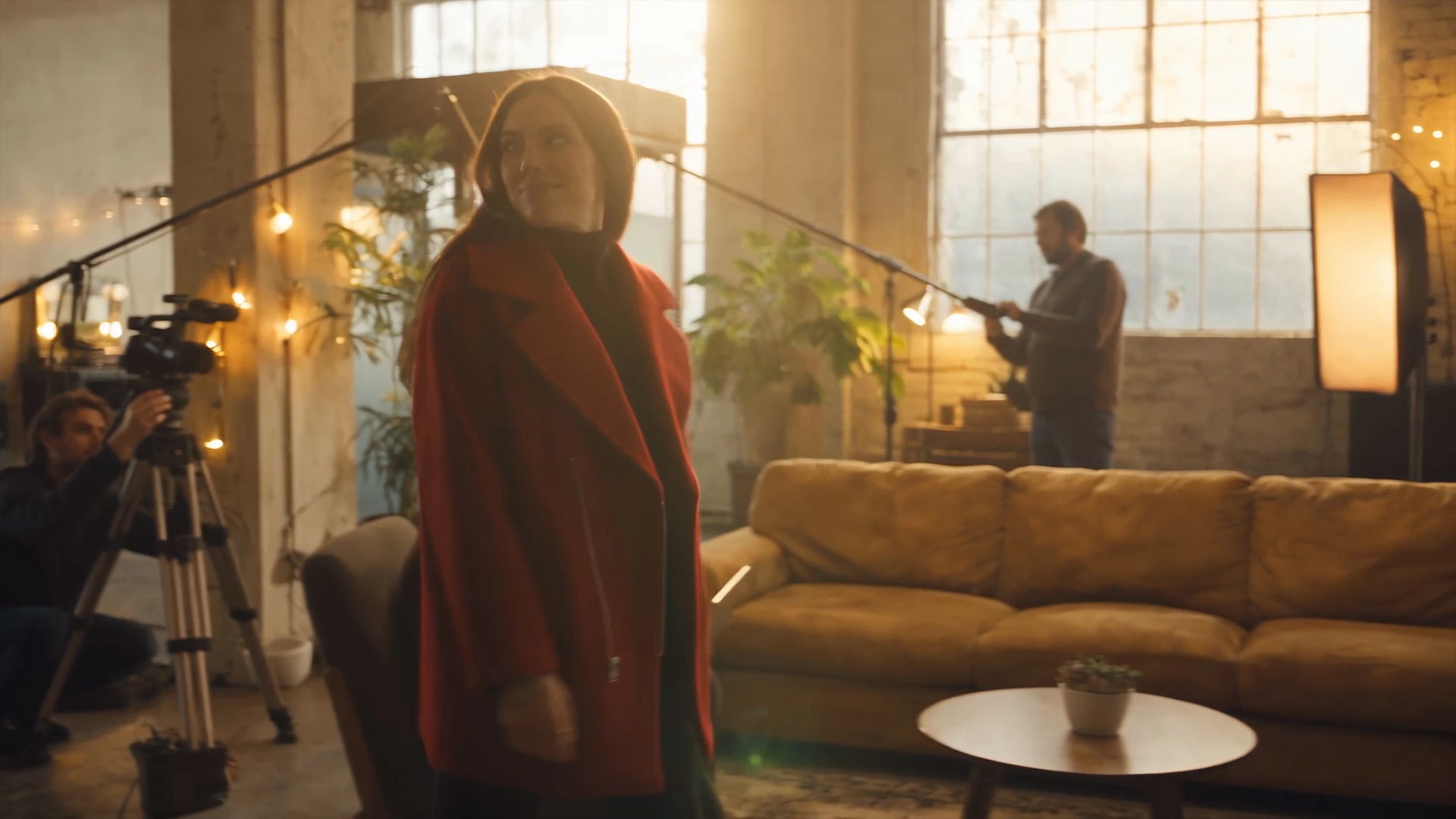
NAYAYI — The Interview is a cinematic AI documentary portrait built around a deeply personal interview.
The film follows Nayai through memories of childhood, her parents, her sisters, her work, and the emotional journey that shaped who she became.
Rather than presenting AI as a visual effect, I used it as a filmmaking medium — combining character consistency, cinematic environments, controlled camera movement, emotional performance, sound, editing, and color to create a cohesive documentary experience.
ABOUT THE PROJECT
NAYAYI — The Interview is a character-driven cinematic documentary created through an AI filmmaking workflow.
At the center of the film is Nayayi, a publicly recognized dietitian reflecting on the experiences, people, and relationships that shaped her life.
The story moves between present-day interview footage and cinematic memories — from childhood objects and family moments to her sisters' creative paths, her professional journey, and the clinic she built.
The goal was not to create a collection of visually impressive AI shots. The goal was to make the audience feel that they were watching a real person remember her life.
Every visual element therefore supports the emotional narrative: the environments, wardrobe, lighting, camera movement, character performances, transitions, sound and pacing.
The result is an AI film designed to feel closer to a cinematic documentary portrait than conventional AI-generated content.
THE CREATIVE VISION
I wanted to approach AI filmmaking from the perspective of a director rather than a content generator.
The central question was simple:
What does a person's success look like when you show the memories and relationships behind it?
Instead of explaining Nayayi's story through conventional exposition, the film reveals it through fragments of memory and observation.
Childhood is represented through objects rather than a child performer.
Her parents are shown through the work they devoted themselves to.
Her sisters are introduced through their own creative disciplines.
Her professional success is revealed through the clinic she built.
And the emotional center of the film comes through a simple phone call from her mother.
This structure allowed the film to move from personal memory to professional achievement without losing its emotional core.
CREATIVE APPROACH
I would use four sections.
1. Character & Narrative
The film was designed around a central character and a clear emotional progression rather than disconnected visual sequences.
2. Cinematic World Building
Characters, locations, props, wardrobe and lighting were developed as a unified visual system to maintain continuity throughout the film.
3. Emotional Performance
The storytelling depends on subtle facial expressions, pauses, gestures, eye movement and controlled camera proximity rather than exaggerated AI performances.
4. Cinematic Post-Production
The generated material was shaped through editing, pacing, sound design, voice treatment, subtitles and color grading to create a cohesive documentary language.
EXECUTION
The project was developed from concept and story structure through character design, environment creation, cinematic generation and post-production.
The workflow included:
• Story & narrative development
Defining the emotional arc and structuring the interview as the narrative spine.
• Character development
Designing a consistent AI cast with defined appearance, wardrobe and visual continuity.
• Cinematic world building
Creating the podcast environment, van interior, street environment, clinic and supporting locations.
• Prop & visual development
Building story-specific objects including the photo album, guitar, phone and memory objects.
• AI video generation
Creating cinematic shots with controlled framing, movement, lighting and character performance.
• Voice & sound
Building the interview around character voice, diegetic phone audio, room tone, music and restrained sound effects.
• Editing & finishing
Editing the film, refining pacing, compositing subtitles, and completing the cinematic grade.
The entire workflow was designed around consistency rather than isolated generations.
VISUAL LANGUAGE
Warm amber interiors create the present-day interview world.
Cooler, desaturated memory imagery separates the past from the present.
Shallow depth of field keeps the emotional focus on the characters.
Slow camera movement gives the film a human, observational quality.
Held shots allow emotional moments to breathe.
Montage sequences compress memories, family history and professional achievement into cinematic fragments.
The visual language was intentionally kept restrained so the technology remains invisible behind the story.
RESULT
The final film transforms an interview-driven concept into a cinematic character portrait.
Instead of using AI simply to generate beautiful images, the project demonstrates how AI filmmaking can be used to build:
Character continuity
Emotional storytelling
Cinematic environments
Narrative-driven sequences
Controlled camera language
Documentary-style editing
The result is a film where the technology supports the story rather than becoming the story.
MY ROLE
AI Filmmaker & Creative Director
Concept Development
Story & Narrative Direction
Character Development
Visual Development
AI Film Direction
Cinematic Shot Design
AI Video Production
Editing & Pacing
Sound & Voice Integration
Color Grading
Final Film Direction
Interested in luxury AI campaigns? Let’s connect—ready for new brand collaborations.
Find more AI projects:
Instagram.com/nizarsamoglu
Like this project
Posted Sep 23, 2026
AI documentary exploring family, ambition, and personal transformation through character-driven storytelling, cinematic,emotional performance,and AI filmmaking.
Likes
1
Views
13