Netherlands Shifts Sharply to the Right in Election

Joey Savilla

Their own path of development," while emphasizing the importance of respecting national sovereignty.
Country Reaction
European Union Expressed concern over potential impact on EU integration
United States Acknowledged the international response, but refrained from overt criticism
China Emphasized the importance of respecting national sovereignty
As the Netherlands navigates its new political landscape, the international response and global implications of this shift will continue to be closely monitored and debated. The country's position within the European Union and its broader role on the world stage will be subject to intense scrutiny in the months and years to come.
Conclusion
The Netherlands' election has ushered in a new era of political upheaval, with right-wing and populist parties making significant gains. This shift reflects deep-seated concerns among voters over issues such as immigration, the economy, and the perceived failures of the political establishment. The implications of this realignment will reverberate through Dutch politics and beyond, posing challenges for the country's future governance and its role within the European Union.
As the dust settles, the Netherlands' new political landscape will continue to be a subject of intense scrutiny and debate. The summary of this election result points to a fundamental shift in the nation's political priorities, with voters seeking solutions to their economic and societal anxieties. The key takeaways from this election suggest that the Netherlands is poised for a prolonged period of political uncertainty and realignment, with significant implications for the country's domestic and international policies.
However, it remains to be seen how the newly empowered right-wing and populist parties will navigate the complexities of coalition-building and governing. The ability of these parties to translate their electoral success into effective policymaking will be a critical factor in determining the long-term impact of this political shift on the Netherlands and its role within the broader European landscape.
FAQ
What were the key factors that contributed to the Netherlands' political shift to the right?
The rise of right-wing populism in the Netherlands can be attributed to a combination of factors, including growing concerns over immigration, dissatisfaction with the economy and perceived failures of the political establishment, and the spread of misinformation on social media platforms.
How have the far-right and populist parties performed in the recent election?
The election saw a significant surge in support for far-right and populist parties, with the Freedom Party (PVV) and the newly formed Forum for Democracy (FvD) making substantial gains. These parties campaigned on a platform of anti-immigration, Euroscepticism, and a rejection of the political establishment.
What are the implications of the Netherlands' political shift for the European Union and the Eurozone?
The success of Eurosceptic parties in the Netherlands could pose challenges to the country's continued commitment to EU integration, potentially creating tensions with other member states and undermining efforts to strengthen the bloc.
How might the rise of right-wing populism impact the Netherlands' immigration and refugee policies?
The new political landscape in the Netherlands is likely to lead to more restrictive immigration and refugee policies, such as tighter border controls, stricter asylum procedures, and increased deportations, reflecting the electorate's concerns over the perceived threats posed by immigration.
What insights can be drawn from the analysis of voting patterns and demographics in the Netherlands?
The right-wing parties have found particular success among certain segments of the population, such as older, working-class voters and those living in more rural or deindustrialized areas, who feel that the country's mainstream parties have failed to address their concerns.
What are the challenges for coalition building in the Netherlands given the fragmented political landscape?
The fragmentation of the Netherlands' political landscape poses significant challenges for forming a stable governing coalition. With no single party or bloc commanding a clear majority, the process of negotiations and compromise will be crucial in determining the country's future direction, with the potential for political gridlock and instability looming large.
How has the international community responded to the political shift in the Netherlands?
The election results in the Netherlands have drawn significant attention from the international community, with leaders and observers weighing in on the potential implications for the country, the European Union, and the broader global order. The shift towards right-wing populism in the Netherlands is being closely watched, as it reflects broader trends that could have far-reaching consequences for the region and beyond.
Like this project
Posted May 19, 2024
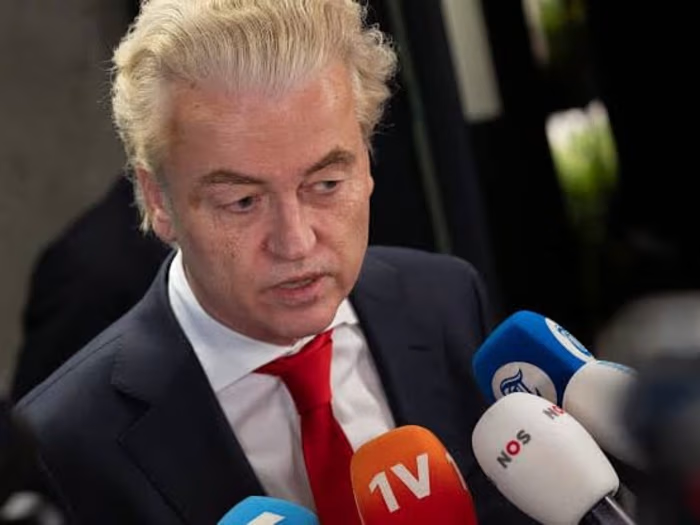
The Netherlands has taken a significant shift towards the right with a new government dominated by the party of Geert Wilders, known for his anti-Islam stance.