Pastry as Social Currency: Flavor as a Form of Expression

Berlian Nabila



Pastry as Social Currency: Flavor as a Form of Expression
Background
Food operates across multiple cultural layers, one of which is its role as a medium for self-expression. Pastry is a clear example of this expressive form in modern culinary culture, not just something to be enjoyed, but a way to communicate taste, impression, and identity.
Problem Statement
In the digital era, pastry functions as a social currency: something chosen, shared, and used to signal participation in a particular lifestyle.
Analysis
Pastry holds a unique position in modern culture. It sits at the intersection of three major forces: visibility, experience, and culture.
A Symbol of Quality
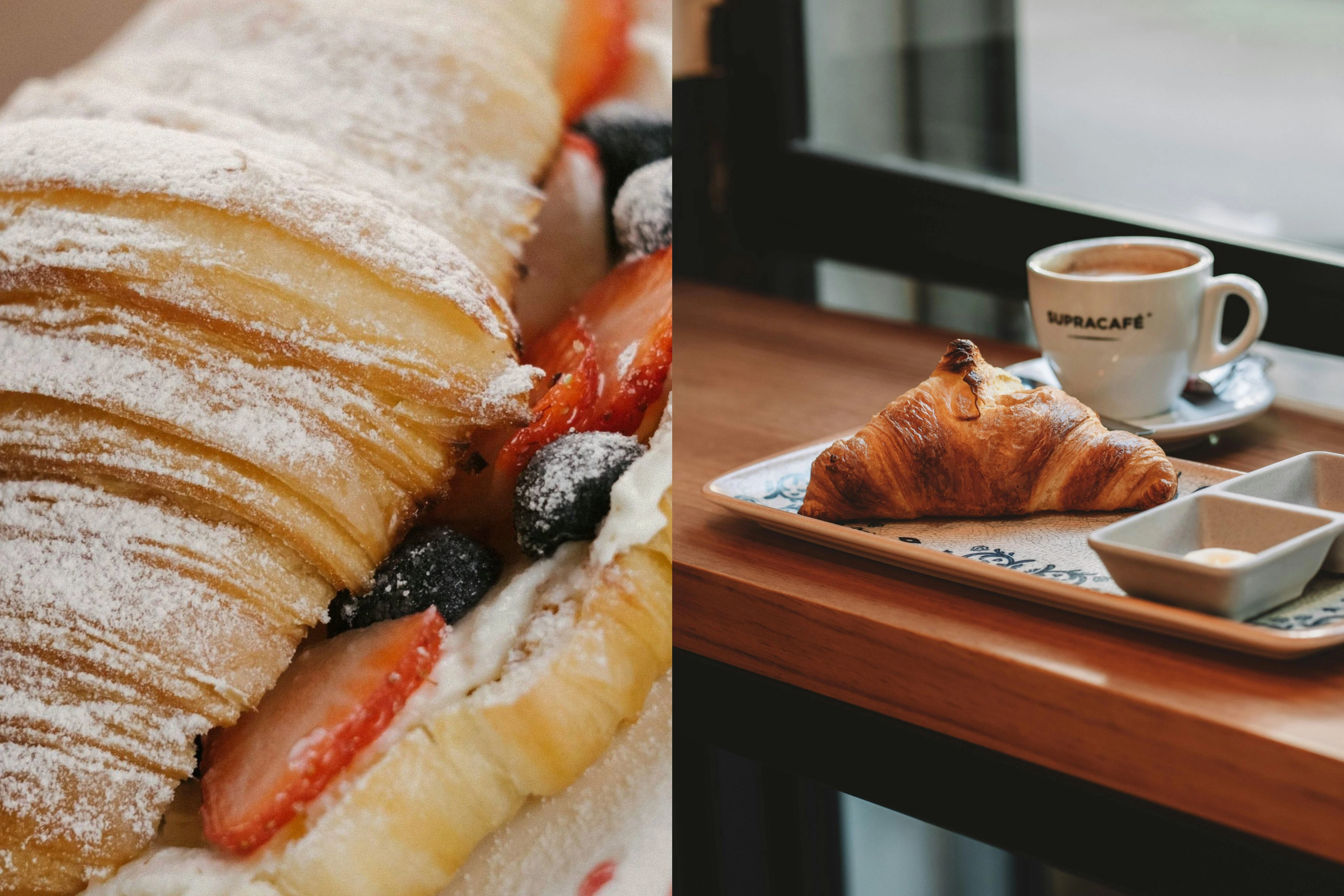
Visual platforms have turned food into a social stage. Every piece of pastry, perfectly laminated with artistic detail, becomes a visual language that translates directly into perceived quality.
Emotionally Potent
As a trend setting force in the current experience-driven economy, food is sought not merely as a consumable product but as an emotional encounter. Pastry can create simple, shareable micro-experiences through its visual appeal, personal stories, cultural associations, and local narratives.
Culture Rooted
A strong cultural identity emerges from the history of pastry creation, shaping a sense of togetherness and continuity. Beyond biological function, pastry carries social and cultural meaning, symbolism, rituals, and community.
The Evolving Language of Pastry
This broad theme is broken down to ensure clarity and depth:
Pastry as Social Ritual
The social symbolism of pastry brings a new dimension to food culture. In everyday life, pastry has become a social ritual that continues to evolve into a performative space, from a simple morning snack to a gift exchanged as a form of expression.
Pastry as Cultural Shorthand
Pastry also functions as a cultural shorthand in urban environments, reflecting lifestyle, aesthetic preferences, and social perspectives. This means that pastry is not just food, but a form of cultural expression that people use to signal their identity and social position.
Bridging Tradition and Modernity
By understanding this function, we can see how pastry serves as a bridge between tradition and modernity in everyday life. Its evolution preserves the language of tradition while embracing contemporary forms. Advances in technique and recipes, along with the modernisation of shape and flavour, form a new identity for pastry as a bold yet accessible cultural symbol, reaching even the smallest communities and strengthening collective bonds.

Strategic Implications
New strategic spaces are emerging as brands respond to the social and cultural strength of pastry. Products are now built with intentional aesthetic value and narrative depth to strengthen the emotional connection between the brand and its consumers.
Emotional branding becomes a deliberate choice to create lasting impressions and foster customer loyalty. The experiences offered are multi-layered, from pre-experience to post-experience, serving as strategic assets that enhance the brand’s appeal.
Conclusion
Ultimately, pastry is not merely a snack or ordinary consumption, but a social symbol rich with cultural and emotional meaning, connecting people across generations and communities.
Like this project
Posted Nov 22, 2025
Explored pastry as a cultural and social symbol in modern culinary culture.