This is officially my first

Rol Waters


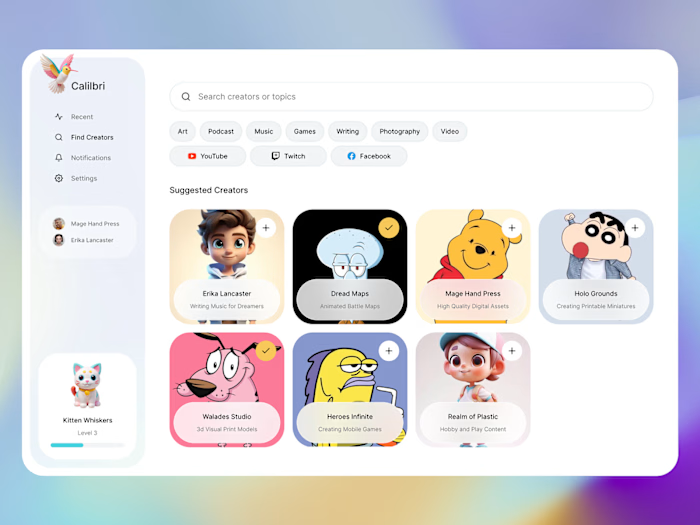
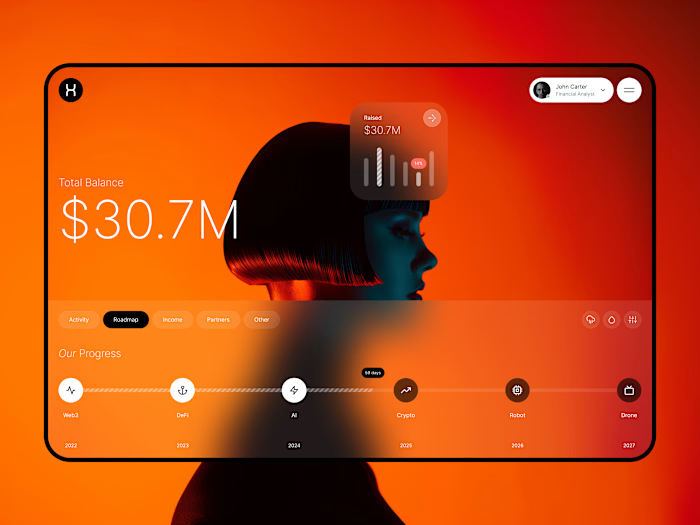
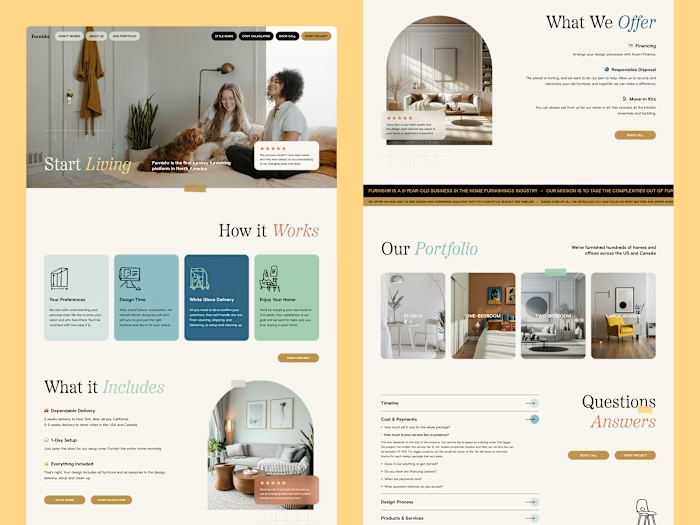
This is officially my first interface designed not with my hands, but with my voice.
We talk a lot about AI changing our workflows, but experiencing it firsthand shifts your entire perspective. I wanted to see how far I could push a pure AI-to-UI pipeline for a complex digital asset management workspace, prioritizing LLM logic and voice commands over manual pixel manipulation.
Here is how this hybrid process actually played out:
01 / The Logic: Instead of sketching, I started by mapping out the structural architecture and edge cases in Claude, generating a solid low-fidelity blueprint.
02 / The Voice: This was the wild part. Armed with detailed usability specs and moodboards, I used voice prompts in Figma AI to establish the high-fidelity visual foundation. I literally spoke the core UI into existence.
03 / The Human Touch: I processed the raw output through Claude again to adjust specific UI parameters, and then finally stepped in for a strict manual polish. Perfect grid alignment and sharp visual hierarchy still require a designer's eye.
04 / The System: To wrap it up, I reverse-engineered the polished interface back through Claude to automatically construct a fully scalable atomic design system, complete with defined components and local variables.
The role of a product designer is fundamentally shifting. We are spending less time executing and more time directing architectural logic and curating systems.
I would love to hear how you all are integrating these new AI pipelines into your daily sprints. Let's discuss in the comments.
#ProductDesign #Claude
Like this project
Posted Nov 2, 2026
This is officially my first interface designed not with my hands, but with my voice. We talk a lot about AI changing our workflows, but experiencing it first...
Likes
0
Views
0