Chigger Bite Prevention and Treatment Guide

Amy DeYoung


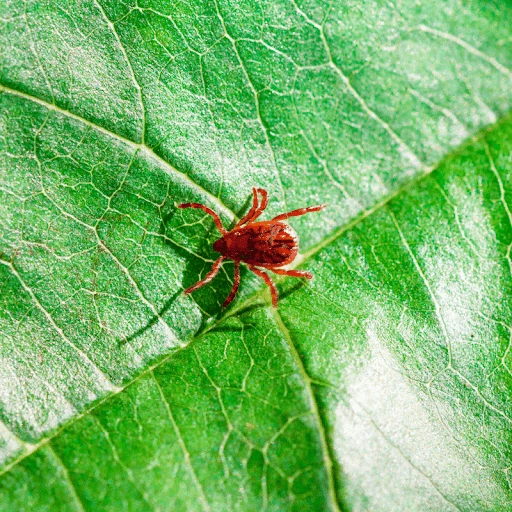
Nobody enjoys itchy bug bites, but chigger bites are some of the worst you can get. As if that wasn’t bad enough, their bites keep getting itchier for several days after you get them. Unfortunately, these tiny red bugs live in most areas of the country, and they’re especially prevalent in the Southeast and Midwestern regions of the United States. However, there are several ways to prevent chiggers and make sure you don’t get swarmed with itchy red dots.
If you want to prevent chiggers and protect yourself from chigger bites, you can start by staying out of tall grass and wooded areas, keeping up with landscaping, and taking showers immediately after coming indoors. However, for a quicker fix, consider hiring a pest control expert or exterminator to spray your property and eliminate those pesky chiggers. Keep reading to learn more about how to prevent chiggers and what to do if you find chigger bites on your body.
Chiggers (Trombiculidae) are small mites that thrive in wooded or grassy areas near water, especially during warm temperatures. These arachnids are cousins to ticks and spiders and are nearly invisible to the naked eye.
They’re extremely small, but if you do spot one, adult chiggers are usually bright red and yellow. They’re typically orange during the larval stage. As larvae, chiggers have six legs. As adults and nymphs, they’ll have eight legs.
Chiggers hatch from eggs as larvae and feed on skin tissue from a host, either animal or human, as mites, before leaving the host and developing into adult mites. Their bites are extremely itchy and can even develop into small welts or blisters in some cases.
Chigger larvae look for human or animal hosts and will attach to human clothing. Then, they move to your skin to feed. Once on your skin, chigger larvae release a liquid chemical into your skin, which kills skin cells. According to Cleveland Clinic, chiggers form a tiny straw out of the dead skin cells, called a stylostome, to drink human skin tissue.
These bites are very itchy because humans respond poorly to the liquid chemical (digestive enzyme) that chiggers release when they bite. The first 24 to 48 hours after the bite are usually the most uncomfortable and itchy. However, if you keep scratching the bites, they can keep getting worse over time.
If you suspect a chigger has bitten you, look for speckled lines of pimples or red bumps on your skin. Unlike bed bug bites, chigger bites are more likely to be concentrated in one area, especially where clothing is tight against your body.
You’ll also notice intense itching in the bite area roughly three hours after the initial bite. Anti-itch creams, cold compresses, calamine lotion, and over-the-counter antihistamines can help treat chigger bites and ease your discomfort.
Chiggers aren’t usually dangerous, but some infected chiggers can spread scrub typhus, so it helps to be careful when dealing with chigger bites. Keep a close eye out for infection, and be sure to wash the bites and surrounding areas with soap and water regularly.
Canva
If you suspect you have a chigger infestation on your property and want to take measures to prevent them, I recommend the following steps:
According to the New York City government website, chiggers love overgrown areas, leaf litter, and other damp and shaded areas. If you can avoid these areas, do your best to steer clear.
To cut down on chiggers, trim back overgrown trees, tall grass, and bushes to reduce the number of shady areas on your property. Chiggers love to live in these areas, so keep up with weed pulling to prevent thick vegetation from forming.
If you’ve been outside hiking or enjoying the warm weather, shower immediately to rid yourself of any bugs that may have gotten on you. Use hot and soapy water and rinse your body repeatedly.
Place your clothing into the washing machine immediately after coming inside to prevent any unwanted pests from escaping into your home. When you run the load, use hot water to take care of any bugs.
Chiggers and many other pests prefer damp, dark areas while waiting for prey. Trash cans are ideal places for pests because moisture naturally collects under newspapers, wrappers, food, and other trash. Take care to remove your trash regularly, and don’t leave trash scattered around your property.
If you have a chigger infestation or live in an area at high risk of chiggers, consider hiring one of these best pest control companies to service your property. A professional can spray your property for fleas, mosquitoes, harvest mites, and more, to get rid of chiggers near your home.
Chiggers usually bite humans where skin and clothing are in close contact, particularly bra lines, waistbands, sock lines, anywhere with exposed skin, or any place where your skin folds.
Common chigger bite areas include:
Reduce your risk of chigger bites using the following tips:
Spray a bug spray with DEET or a vinegar bug repellent to protect yourself from insect bites.
Wear protective clothing, such as tall socks, shirts with long sleeves, and long pant legs.
Treat your clothing with insect repellent before going into the woods for any outdoor activities to repel chiggers and mosquitoes.
Limit your time outside in grassy, wooded, and wet areas during late spring and the summer months.
Spray your property with pesticides to reduce the number of chiggers nearby.
Avoid walking through vegetation or tall grass while you’re hiking. Choose plant-free paths or hard surfaces to walk on when possible.
Stay in sunny areas. Chiggers dislike bright sunlight, so you can reduce your exposure by staying in the sun.
You can also create your own chigger repellent spray using a combination of your favorite essential oils, witch hazel, and water. Simply spray yourself and your clothing with this home remedy to repel these irritating bugs before you go into the woods.
Another way to take your protective clothing to the next level is by adding a pair of tights or pantyhose underneath your pants. Chiggers can’t bite through pantyhose or tight material, so this trick protects your skin.
It’s tempting to scratch chigger bites, but do your best to avoid scratching the affected area. I can tell you from experience that chigger bites are extremely itchy, but you can put yourself at risk if you break the skin on the bite, potentially leading to an infection. If you do scratch or break the skin, wash the area thoroughly with soap and water.
If the itching gets to be too much to bear, try using an over-the-counter anti-itch cream, hydrocortisone, or antihistamines to reduce itching and pain. Rubbing alcohol and other antiseptics can also help reduce the symptoms of chigger bites and lower your risk of infection.
While they may not be very dangerous, chiggers are still a nuisance. They’re some of the itchiest bites I’ve ever had, and they can definitely put a damper on your summer outdoor adventures. If you don’t want chigger bites, be sure to use the DIY pest control tips above to prevent getting them in the first place.
When in doubt, consider hiring a pest control expert to spray your yard for chiggers. Pest control costs can be expensive but very worthwhile. Once you go the whole season without any itchy chigger bites, you’ll be glad you hired professionals to handle your pest problems.
Frequently Asked Questions
Chiggers are most active in summer and fall, but if you live in a tropical climate, they could be active all year long. Be sure to take precautions the whole year to prevent chigger bites in warmer areas of the country.
Chiggers aren’t known for spreading diseases, but according to the United States Centers for Disease Control and Prevention, chiggers can spread scrub typhus. Most cases of scrub typhus happen in Southeast Asia, Indonesia, China, Japan, the Indian subcontinent, and northern Australia. However, it is possible for infected chiggers to spread this disease.
Like this project
Posted Jul 31, 2025
I created a guide on preventing and treating chigger bites.
Likes
1
Views
14
Clients
Today's Homeowner