Zillennials' Work-Life Anthem: Olivia Rodrigo's 'Brutal'

Rachel Jaime

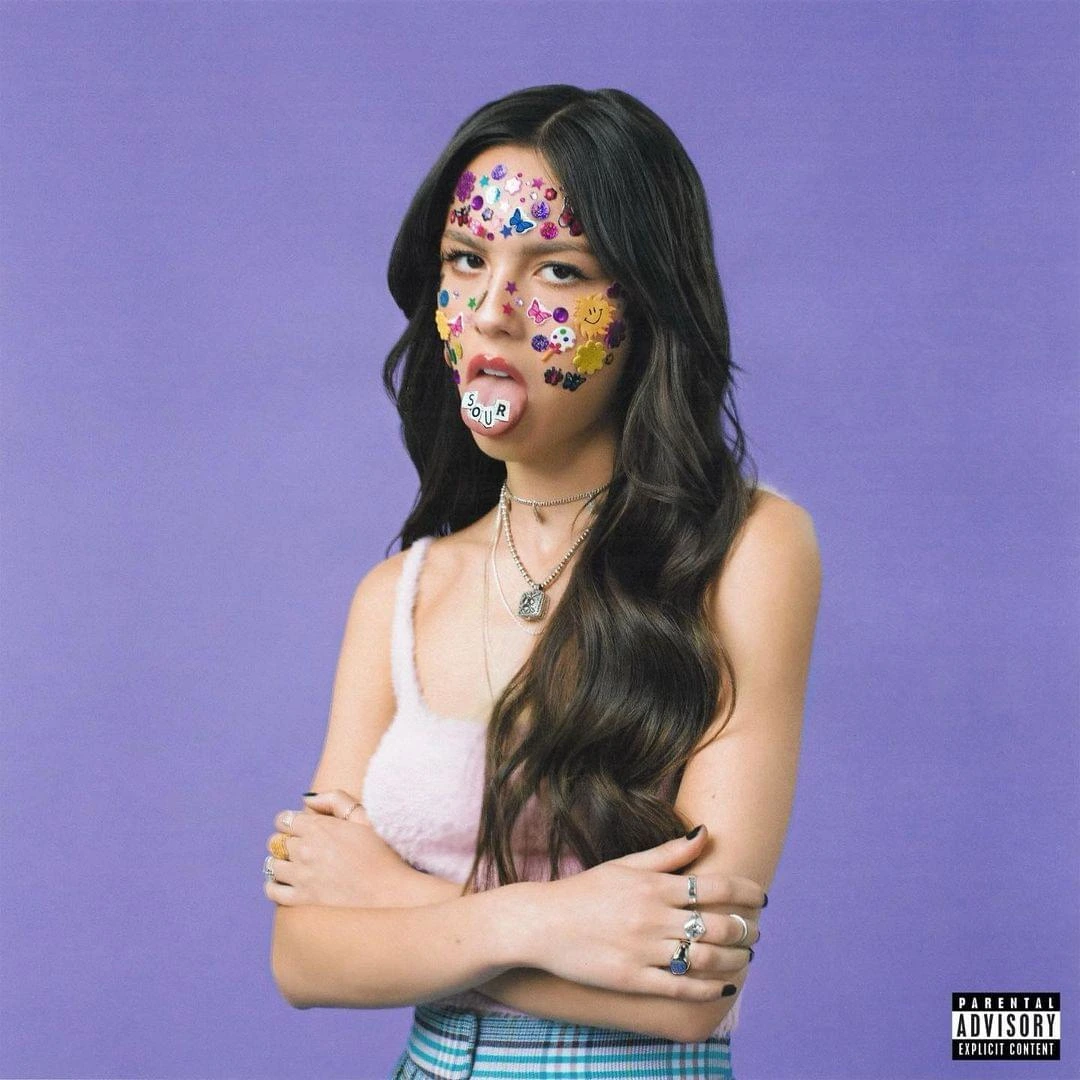
Olivia Rodrigo’s ‘Brutal’ Isn’t Just a Song — It’s a Work-Life Anthem for Zillennials
The job market is chaos. Boomers say no one wants to work, Millennials are disillusioned, and Gen Z is rewriting the rules. For those caught in-between — the “Zillennials” — Olivia Rodrigo’s Brutal feels less like a pop song and more like an anthem.
Quick Olivia Crash-Course
Ms. Rodrigo started out on Disney Channel but quickly found fame outside of the kiddo-sphere with her hit single “Driver’s License.” Audiences soon saw that Olivia presented a rock-edge, reminiscent of Miley Cyrus and Demi Lovato during and after their Disney reigns. This rocker style became more prevalent with her later songs, especially on her second studio album, Guts. Why do I bring this up? A key aspect of rocker edge is rebellion against something deemed the norm.
For this article, the norm is the stereotypical, cookie-cutter career we were all promised if we did all the right steps: excel in high school with 50 extracurriculars, go to college and get a “sensible” degree, and land a good job. But here’s the thing — this age group grew up with a tool that allowed mass communication with almost no bounds, allowing free flow of information. This tool? The internet. Stories of disrespect, disregard, and toxic work culture became sharable and accessible, and unfortunately, these stories are far too common.
Zillennials’ Workforce Insecurity in Brutal
In Brutal, Rodrigo’s opening lines capture the insecurity and exhaustion Zillennials feel entering today’s workforce:
I’m so insecure, I think
That I’ll die before I drink
And I’m so caught up in the news Of who likes me, and who hates you (Rodrigo)
After following the rules and completing all the steps that were supposed to guarantee success, Zillennials are entering a workforce where they often can’t compete. With the implementation of the U.S. Department of Government Efficiency (DOGE), thousands of federal employees suddenly found themselves unemployed as contracts and programs were canceled. The fallout didn’t stop there — contractors lost positions tied to those projects, and companies downsized their corporate staff. For Zillennials entering or re-entering the workforce, this meant competing not only with peers but also with a surge of highly experienced professionals now back in the job market. The result? An environment where qualifications feel meaningless and insecurity runs high.
“That I’ll die before I drink” captures the feeling of something ending before seeing results or celebrating achievements. Zillennials often feel as though they cannot measure up enough to even get a chance at their careers.
From there we move to, “And I’m so caught up in the news/Of who likes me, and who hates you.” This hyper-vigilance — of who is liked, who is hated, and how to navigate favoritism — isn’t just perception. Due to the spread of information across Glassdoor, Indeed, and LinkedIn, it is increasingly easy to see which companies have toxic culture. In fact, a survey by Staffing Industry Analysts shows that 74.9% of U.S. employees have worked in a toxic workplace, while the iHire Toxic Workplace Trends Report found that 65.6% of employees who had worked in a toxic workplace cited favoritism or biased treatment by leadership.
Soft Life vs. Hustle Culture
Then we hit:
And I’m so tired that I might
Quit my job, start a new life
And they’d all be so disappointed ‘Cause, who am I, if not exploited? (Rodrigo)
Raise your hand if you’ve felt those first two lines. A growing trend on social media is the pursuit of a “soft life” and abandoning hustle culture.
“Soft life” refers to a lifestyle prioritizing well-being, including mental and emotional health. It directly opposes a life of constant stress and movement. At its core, it is simply living without compromising your well-being to meet employer expectations.
“Hustle culture,” on the other hand, glorifies relentless work and sacrifice. Think “Girlboss,” “Alpha Male,” or routines that start at 3 a.m. It prioritizes money moves above all else, creating societal norms of burnout. Sure, you may not eat, sleep, go on vacation, or have a social life, but it’ll be worth it...until it isn’t. The system benefits only those in charge, leaving employees feeling exploited. When someone sets boundaries, an explosion of disappointment follows: “Who do you think you are? We don’t get vacations.”
We’ve created an expectation where the norm is to work to death — mentally, emotionally — for someone else. And when you point out that it’s not okay, the backlash is intense.
Conclusion
All of this comes from just the first verse of the song! That’s why Brutal resonates so deeply. Rodrigo may not have written it about work culture, but Zillennials hear their struggles in every line. They followed the supposed formula for success — the grades, the degree, the internships — only to step into a workforce reshaped by mass layoffs, unseen competition, and toxic environments. The “norm” has become oppressive, and the natural response is rebellion. For
many, that rebellion looks like choosing themselves over their employer, setting boundaries, or rejecting hustle culture altogether. This movement is amplified by the internet’s open exchange of stories. At the end of the day, the frustration isn’t just generational; it’s structural. But given their unique position, Zillennials are at the forefront of pushing back. Olivia Rodrigo’s Brutal doesn’t just soundtrack their rebellion — it gives it words.
References
iHire Toxic Workplace Trends Report. iHire, 2025, www.ihire.com/about/press/ihire-toxic-workplace-trends-report-pr.
“Nearly 75% of Workers Have Worked in a Toxic Workplace (iHire).” Global Daily News, Staffing Industry, 6 Feb. 2025, www.staffingindustry.com/news/global-daily-news/nearly-75-of-workers-have-worked-in-a-toxic- workplace-ihire.
Rodrigo, Olivia. Brutal. Sour, Geffen Records, 2021.
Like this project
Posted Sep 24, 2025
Article explores Zillennials' work-life struggles through Olivia Rodrigo's 'Brutal'.
Likes
0
Views
22