Guide to Top 15 Indoor Plants and Care Tips

Abdullah Khan

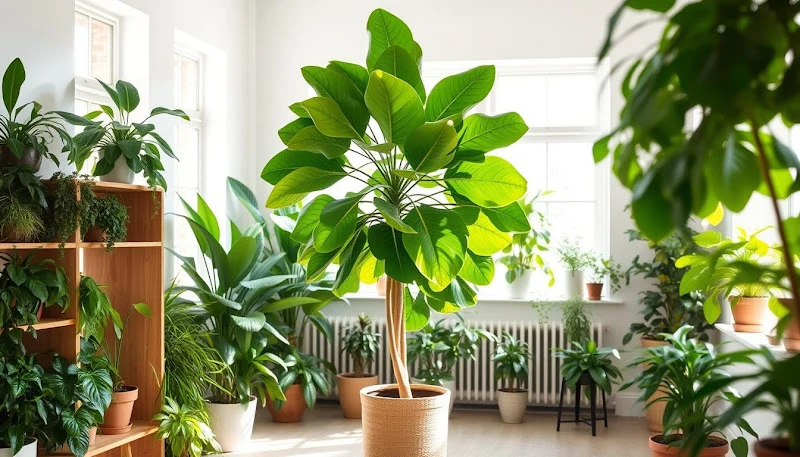
Bringing greenery indoors can transform your living space, improving air quality and aesthetic appeal. Indoor plants are not just decorative; they play a significant role in maintaining a healthy indoor environment.
This article will guide you through the top 15 indoor plants that can thrive in your home, despite common challenges. You'll learn about the benefits of these plants, common issues they face, and practical tips on optimizing their health.
Discover the top 15 indoor plants suitable for your home.
Learn effective care tips to keep your plants thriving.
Understand how to address common problems faced by indoor plants.
Explore the benefits of having indoor plants in your home.
Get insights into optimizing indoor plant health.
The Top 15 Indoor Plants for Every Home Environment
Transforming your home into a lush oasis starts with choosing the right indoor plants. With a vast array of options, you can select plants that not only beautify your space but also improve air quality and contribute to a healthier living environment.
Low-Light Champions
For areas with limited natural light, these plants thrive and add vibrancy to your home.
1. Snake Plant: Known for its air-purifying qualities and low maintenance.
2. ZZ Plant: Tolerates neglect and low light, perfect for busy homeowners.
3. Pothos: Easy to care for and great for hanging baskets.
4. Peace Lily: Elegant white blooms and excellent air purification.
5. Chinese Evergreen: Beautiful leaves with silver or gold markings.
These plants flourish in bright, sunny spots, bringing a touch of tropical paradise indoors.
6. Fiddle Leaf Fig: A stylish addition with large, violin-shaped leaves.
7. Rubber Plant: Large, dark green leaves add a dramatic touch.
8. Bird of Paradise: Unique flowers resemble a bird's beak.
9. Monstera Deliciosa: Known for its distinctive, holey leaves.
10. Jade Plant: A symbol of good luck, easy to care for.
https://www.youtube.com/watch?v=NLBqmKYdTPg
Improve your indoor air quality with these powerful plants.
11. Spider Plant: Easy to propagate and great for air purification.
12. Boston Fern: Adds a lush, green touch to any room.
13. Aloe Vera: Soothing gel for skin irritations and air purification.
14. Bamboo Palm: Feathery leaves and a natural air purifier.
15. English Ivy: Versatile and effective at removing air pollutants.
Perfect for those new to indoor gardening or with busy schedules.
16. Succulents: Store water in their leaves, stems, or roots.
17. Philodendron: Adaptable to various lighting conditions.
18. Dracaena: Tall, slender plants for a dramatic effect.
19. Prayer Plant: Unique, colorful leaves and a fun name.
20. African Violet: Small, delicate plants with vibrant flowers.
Make a bold statement with these unique and striking plants.
21. Majesty Palm: Adds a tropical touch with its tall, slender trunk.
22. Yucca: Architectural, sword-shaped leaves.
23. Money Tree: Believed to bring good fortune.
24. Calathea: Beautiful, colorful leaves that are a feast for the eyes.
25. Orchid: Exotic, elegant flowers that are relatively low maintenance.
To keep your indoor plants healthy and flourishing, it's essential to understand and address common problems. Indoor plants can face a variety of challenges, from watering issues to pest infestations, that can hinder their growth and beauty.
Watering is one of the most critical aspects of indoor plant care. Both overwatering and underwatering can lead to serious problems.
Overwatering can cause roots to rot, leading to wilting and yellowing leaves. To solve this, check the soil moisture by sticking your finger into the soil up to the first knuckle. If it's wet, wait a few more days before watering. Ensure your pot has good drainage holes to prevent waterlogged soil.
Underwatering can cause leaves to become dry and crispy. To fix this, water your plant thoroughly until you see water coming out of the drainage holes. Then, adjust your watering schedule to meet the plant's needs based on its species and environment.
Light is another crucial factor for indoor plant health. Too little or too much light can cause significant issues.
If your plant is not getting enough light, it may become leggy or develop pale leaves. To address this, move the plant to a brighter location or consider using grow lights.
Too much light can cause leaves to become scorched. If you notice this, relocate the plant to a spot with filtered or indirect light.
Pest Infestations and Disease Management
Pests and diseases can wreak havoc on indoor plants. Regular inspection is key to identifying issues early.
Identifying and Treating Common Pests
Common pests include spider mites, mealybugs, and scale. To treat infestations, isolate the plant, and use insecticidal soap or neem oil according to the product's instructions.
Dealing with Fungal and Bacterial Issues
Fungal and bacterial diseases often result from overwatering. To manage these issues, remove affected areas, improve air circulation, and treat with a fungicide if necessary.
By understanding and addressing these common problems, you can provide your indoor plants with the care they need to thrive. Regular monitoring and adjustments to their environment will help prevent many issues, ensuring your plants remain healthy and vibrant.
Essential Care Techniques for Thriving Indoor Plants
The health and vitality of your indoor plants depend on applying the right care techniques. To ensure your plants thrive, it's essential to understand the fundamentals of their care.
Watering is one of the most critical aspects of indoor plant care. Overwatering can lead to root rot, while underwatering can cause dehydration. Check the soil moisture by inserting your finger into the soil up to the first knuckle; if it's dry, it's time to water. Water thoroughly until you see water draining out of the pot's bottom holes.
Light is another vital factor. Different plants have different light requirements. Low-light plants like Chinese Evergreen and Pothos can thrive in conditions with limited natural light, while bright-light plants such as succulents and cacti need direct sunlight for several hours a day. Positioning your plants according to their light needs is crucial.
Soil Selection and Fertilization Schedule
Using the right soil and fertilizing your plants regularly can significantly impact their health. Choose a well-draining potting mix, and fertilize your plants during the growing season (spring and summer) with a balanced, water-soluble fertilizer. Here are some tips:
Select a fertilizer with a balanced N-P-K ratio.
Dilute the fertilizer to half the recommended strength to avoid burning roots.
Fertilize once a month during the growing season.
Maintaining the right environment is also crucial. Most indoor plants prefer a humid environment, between 40-60% relative humidity. Keep them away from heating and cooling vents to maintain a stable temperature between 65-75°F (18-24°C). Ensure good air circulation around your plants to prevent fungal diseases.
Cultivating indoor plants can be a rewarding experience, bringing numerous benefits to your home environment. By selecting the right plants and providing proper care, you can create a lush oasis that purifies the air and enhances your living space.
As discussed, understanding the specific needs of your indoor plants is crucial. Proper watering, optimal light positioning, and suitable soil selection are essential for their growth. By mastering these care techniques, you can enjoy the many advantages of indoor plants, from improved air quality to aesthetic appeal.
Embracing the world of indoor plants can be a journey of discovery, allowing you to explore various species and styles to suit your taste. With the right knowledge and care, you can maintain a thriving indoor garden that brings joy and serenity to your home.
What are some common problems faced by indoor plants?
Indoor plants often face issues such as overwatering, underwatering, insufficient or excessive light, pest infestations, and diseases. Proper care and attention can help mitigate these problems.
How often should I water my indoor plants?
The frequency of watering depends on the type of plant, soil mix, and environmental conditions. Check the soil moisture by sticking your finger into the soil, and water only when necessary.
What are some signs of overwatering in indoor plants?
Overwatering can cause yellowing leaves, droopy stems, and soft, mushy roots. If you notice these signs, stop watering immediately and allow the soil to dry out slightly.
How can I improve air circulation around my indoor plants?
To enhance air circulation, keep plants at least 6-8 inches away from any walls or surfaces, and avoid overcrowding. You can also use fans to gently circulate the air.
What are some effective ways to control pests on indoor plants?
Inspect your plants regularly, and isolate infested plants to prevent the pests from spreading. Use neem oil, insecticidal soap, or horticultural oil to treat infestations, and maintain good hygiene practices.
Can indoor plants help purify the air in my home?
Yes, many indoor plants are known to be air-purifying powerhouses, such as Spider Plants, Peace Lilies, and Snake Plants. These plants can help remove pollutants and toxins from the air, improving indoor air quality.
How can I promote healthy growth in my indoor plants?
Provide your plants with the right amount of light, water, and nutrients. Fertilize them regularly, and repot them as needed to maintain optimal growing conditions.
What is the ideal temperature range for most indoor plants?
Most indoor plants prefer daytime temperatures between 65-75°F (18-24°C) and nighttime temperatures around 55-65°F (13-18°C). Avoid placing plants near heating or cooling vents, fireplaces, or drafty windows.
Like this project
Posted Aug 7, 2025
Created a guide on top 15 indoor plants and care tips.
Likes
0
Views
6