
Neha Madrala
Power BI Data Analyst turning data into insights
New to Contra
Neha is ready for their next project!


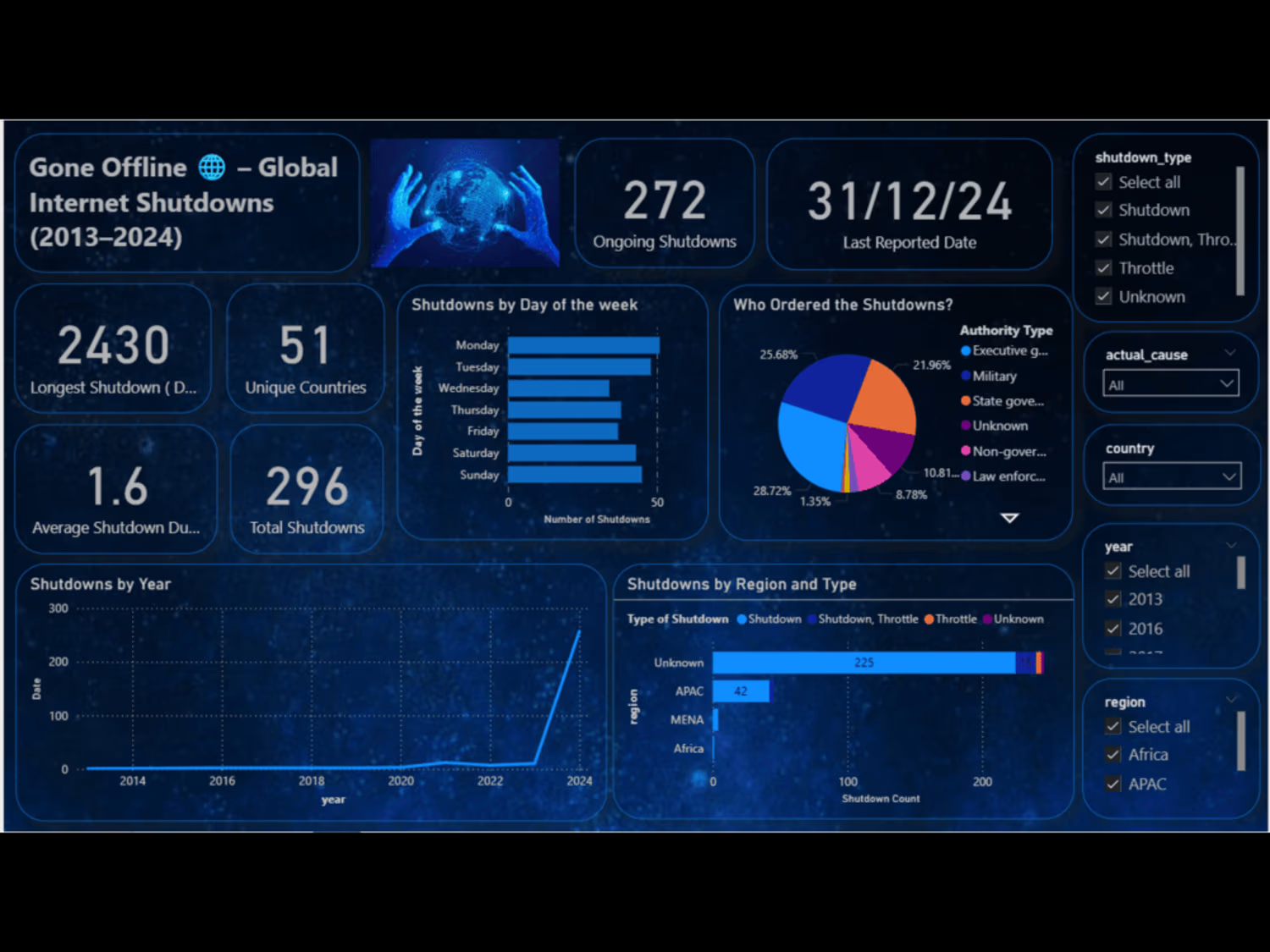
BizPulse — AI-Powered Business Analytics Dashboard
Built for the Anything Ship & Sell Remixathon on Contra.
What is BizPulse?
An AI-powered business analytics tool that transforms messy, raw sales data into a clean professional dashboard instantly — no coding or spreadsheet skills needed.
How it works:
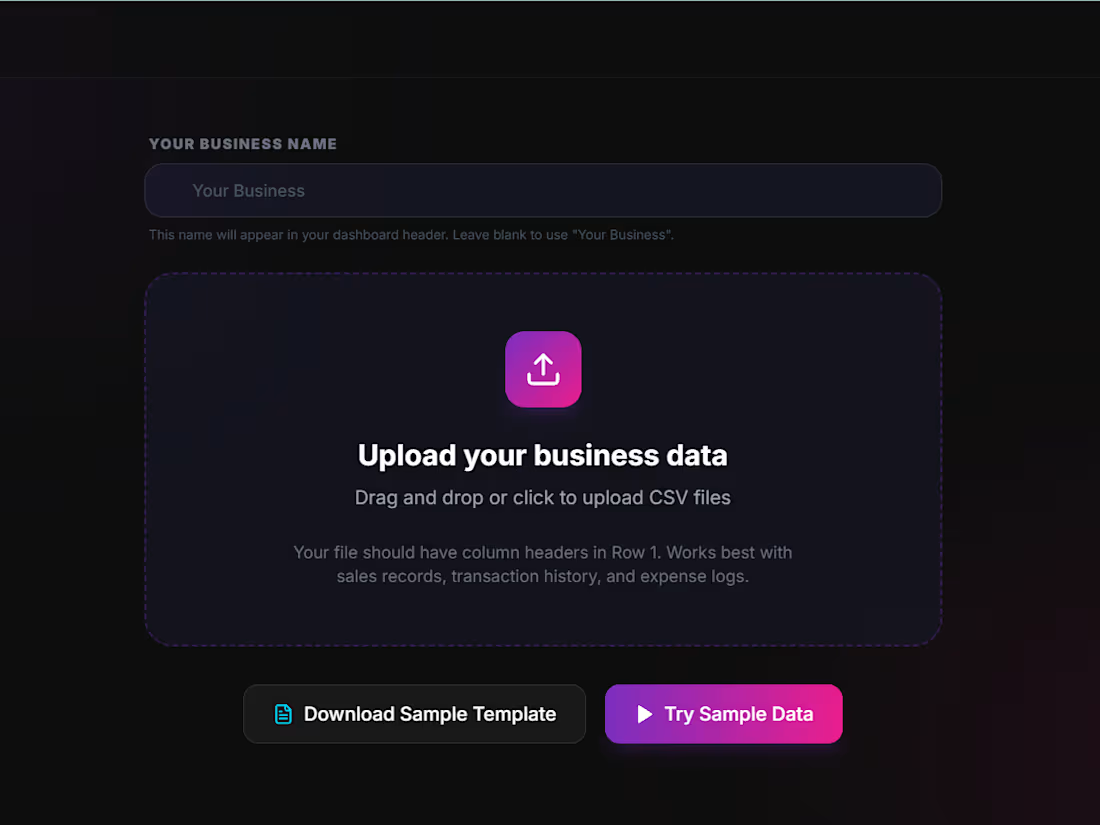
Upload any messy CSV or Excel file
BizPulse auto-cleans your data and maps your columns
Get a full analytics dashboard with KPIs, charts and AI insights
Key Features:
Business Health Score out of 100
KPI scorecards — Revenue, Expenses, Profit Margin, Customers
6 interactive charts with hover tooltips
5 AI-generated plain English business insights
Revenue Goal Tracker with live progress bar
Export as PDF and CSV
No dataset? No problem!
Click "Try Sample Data" on the upload screen to instantly load a realistic fictional dataset and explore the full dashboard.
@Anything
Try it here: https://bizpulse-879.created.app/
LinkedIn post: https://www.linkedin.com/posts/neha-madrala_anythingremixathon-buildinpublic-nocode-ugcPost-7453420153456762882-P2ve
Demo Video: https://www.loom.com/share/3574386d73924ac59076493b055570c1
4
7
803
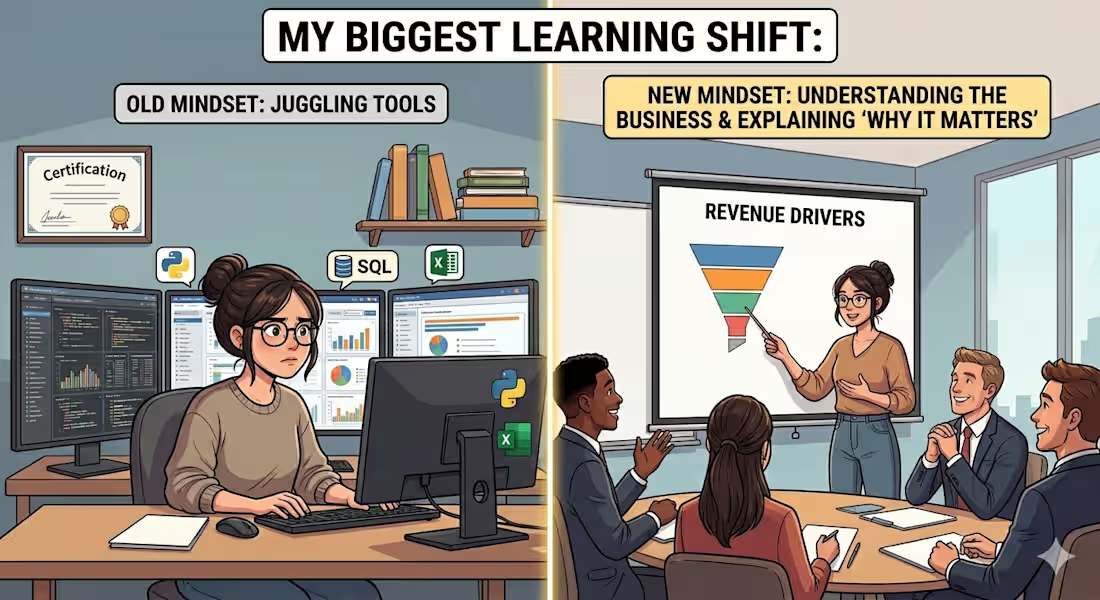
The biggest shift in my learning hasn’t been technical it’s been mindset.
I used to think good analysts are the ones who know more tools.
Now I realize they’re the ones who understand the business better.
Anyone can create charts.
Not everyone can explain why it matters.
That’s what I’m working on every day.
0
47
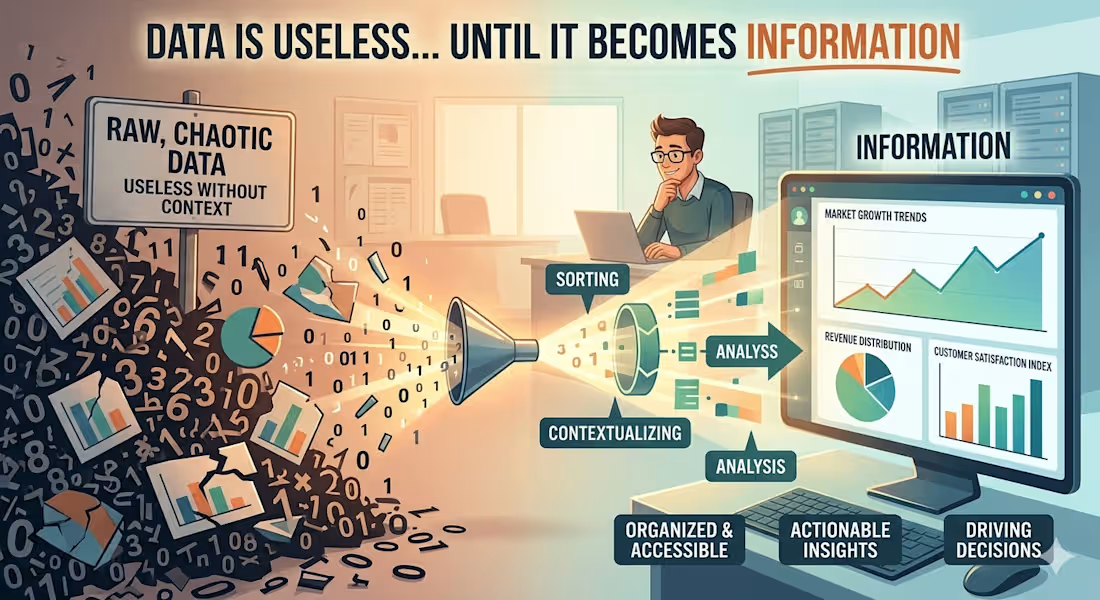
Data is useless. Yes, it is.
Because on its own, it doesn’t say much.
It’s just numbers, rows, and columns.
The real value comes when that data is understood —
when it answers a question, shows a pattern, or drives a decision.
That’s what turns data into information.
And that’s what businesses actually need.
0
115
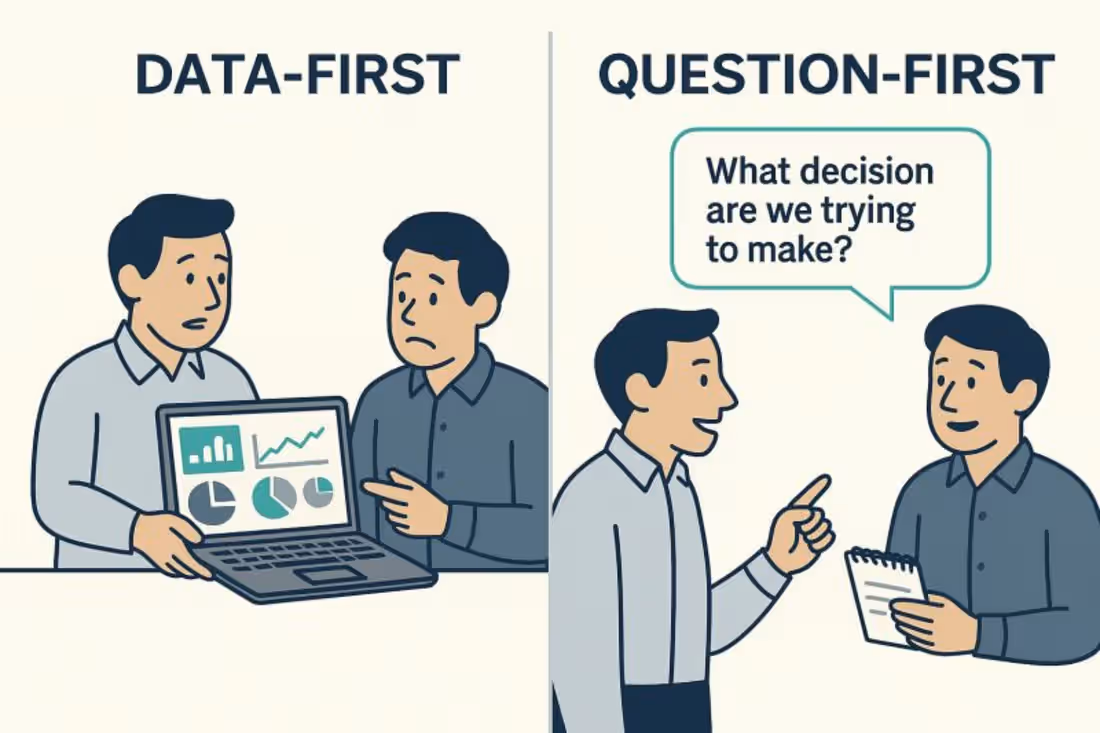
While working on a project, one question always comes first:
Do we need data first… or a clear understanding of the requirement?
It’s easy to jump into dashboards, charts, and analysis.
But without clarity, even the best data can lead in the wrong direction.
So the real focus is asking the right questions:
👉 What exactly is the goal?
👉 What decision needs to be made?
👉 What does success look like?
When the requirement is clear, the data becomes powerful.
That’s how analysis turns into real business impact.
0
131