
Muhammad Haroon bilal
Accurate bookkeeping, reliable accounting, and Reporting


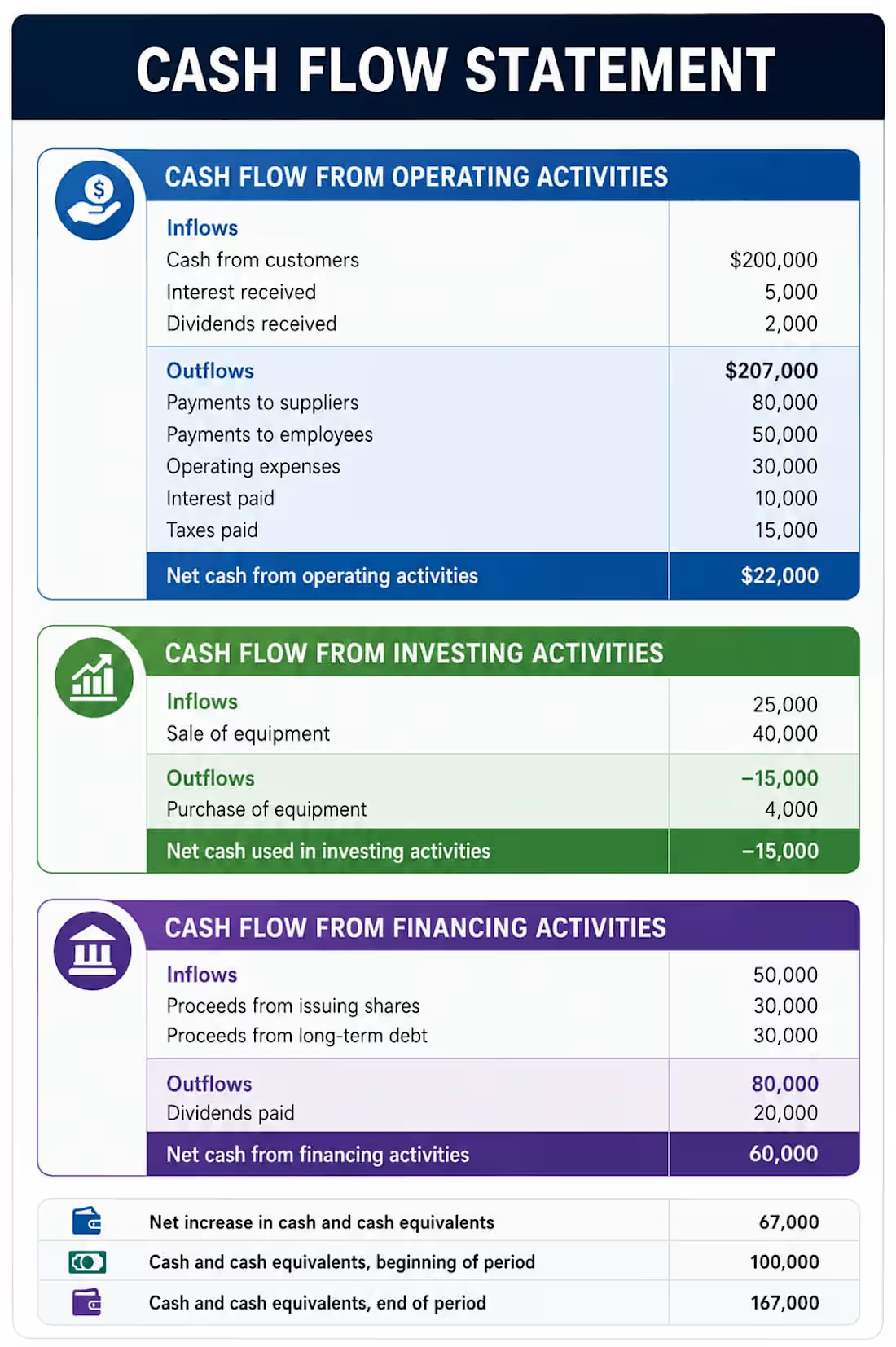
Profit looks good on paper, but without strong cash flow, even profitable businesses can struggle to survive. Managing cash flow means understanding how money moves in and out of your business — and making sure you always have enough to cover your operations, investments, and unexpected expenses.
Positive cash flow allows you to:
✔ Pay expenses on time
✔ Invest in growth opportunities
✔ Build financial stability
✔ Avoid unnecessary debt
On the other hand, poor cash flow management can lead to delayed payments, missed opportunities, and financial stress.
That’s why tracking your inflows and outflows regularly is not just important — it’s essential. A well-managed cash flow system helps you make smarter decisions, plan ahead, and keep your business running smoothly.
Remember:
Revenue is vanity, profit is sanity, but cash flow is reality.
2
219
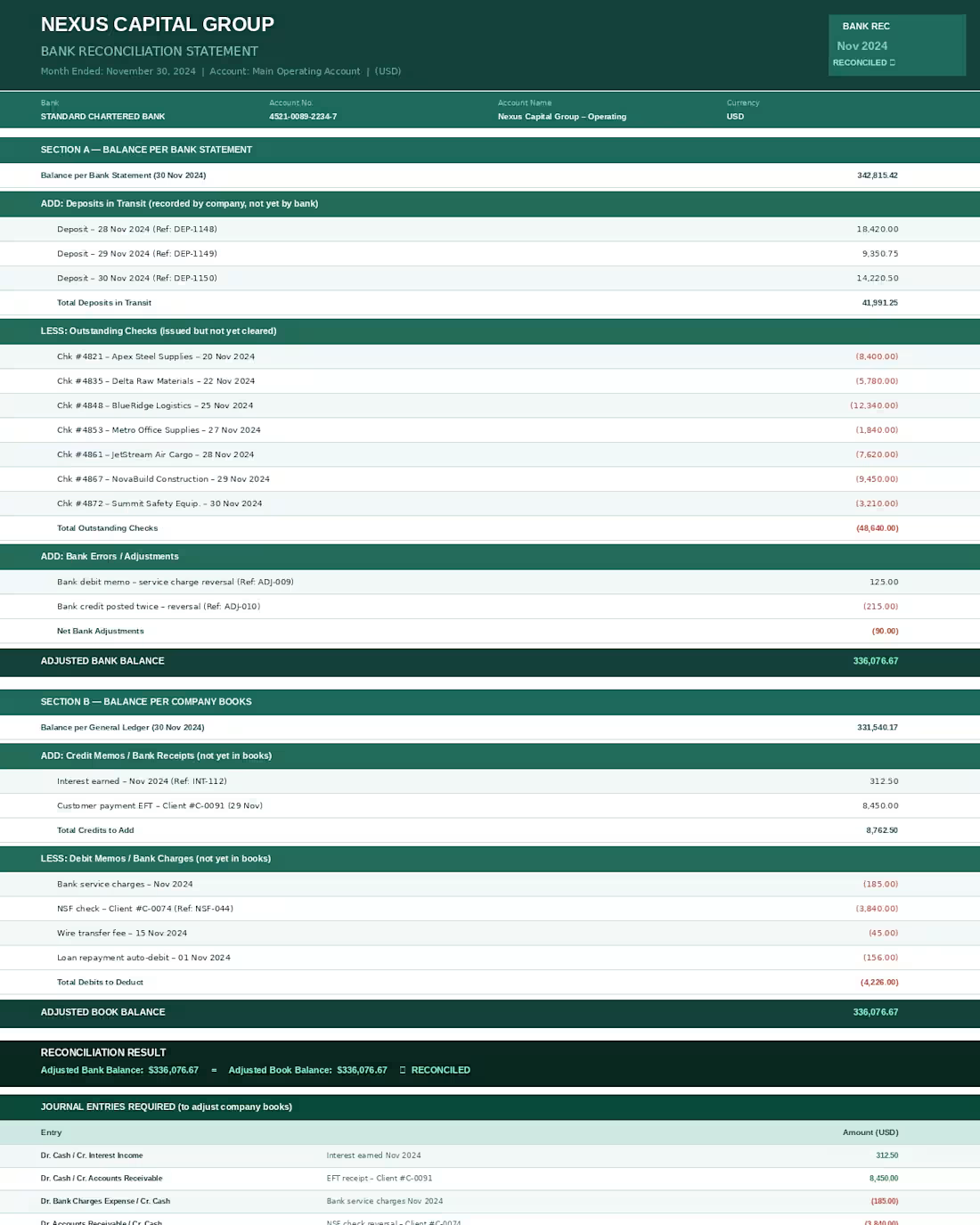
Performed Bank Reconciliation Statements (BRS) by matching bank records with company accounts, identifying discrepancies, reconciling transactions, and ensuring accurate financial reporting and cash flow management.
1
223
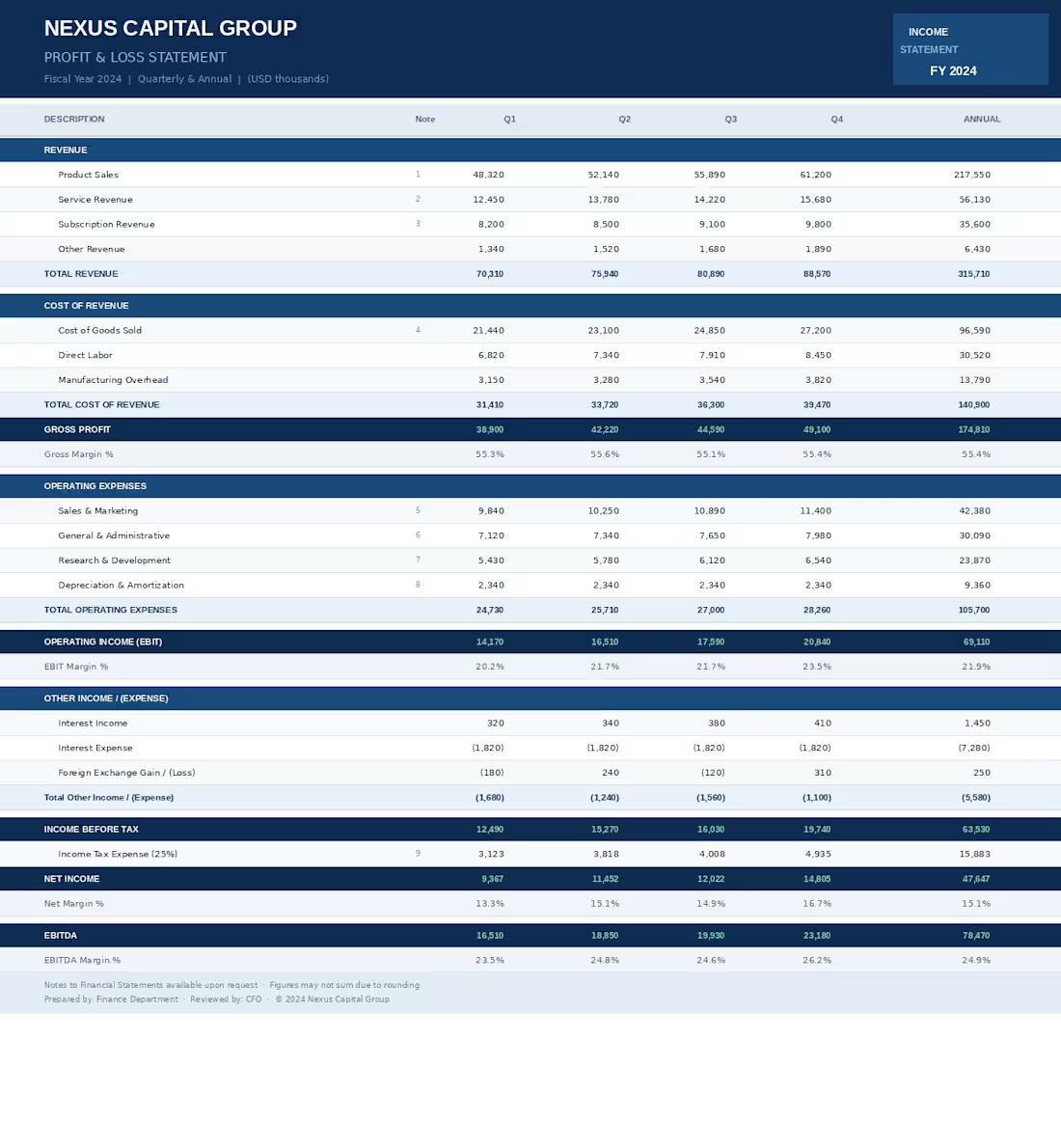
Prepared and maintained Profit & Loss (P&L) statements by tracking revenues, expenses, and financial transactions to analyze business performance, support budgeting, and improve financial decision-making.
0
147
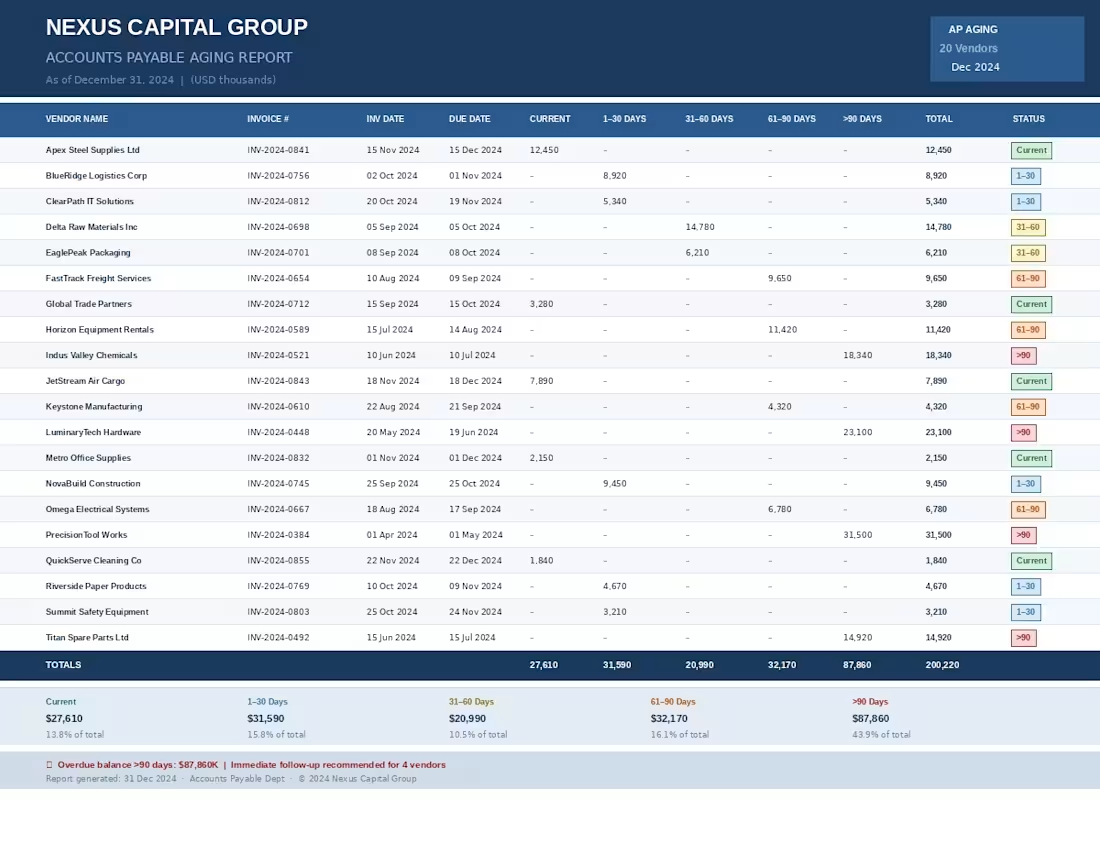
Managed accounts payable processes including invoice verification, payment processing, vendor reconciliation, expense tracking, and maintaining accurate financial records to ensure timely payments and smooth financial operations.
0
136