
Minhaj Rehman

Engineering high-speed web apps & intake systems
- 4
- Followers


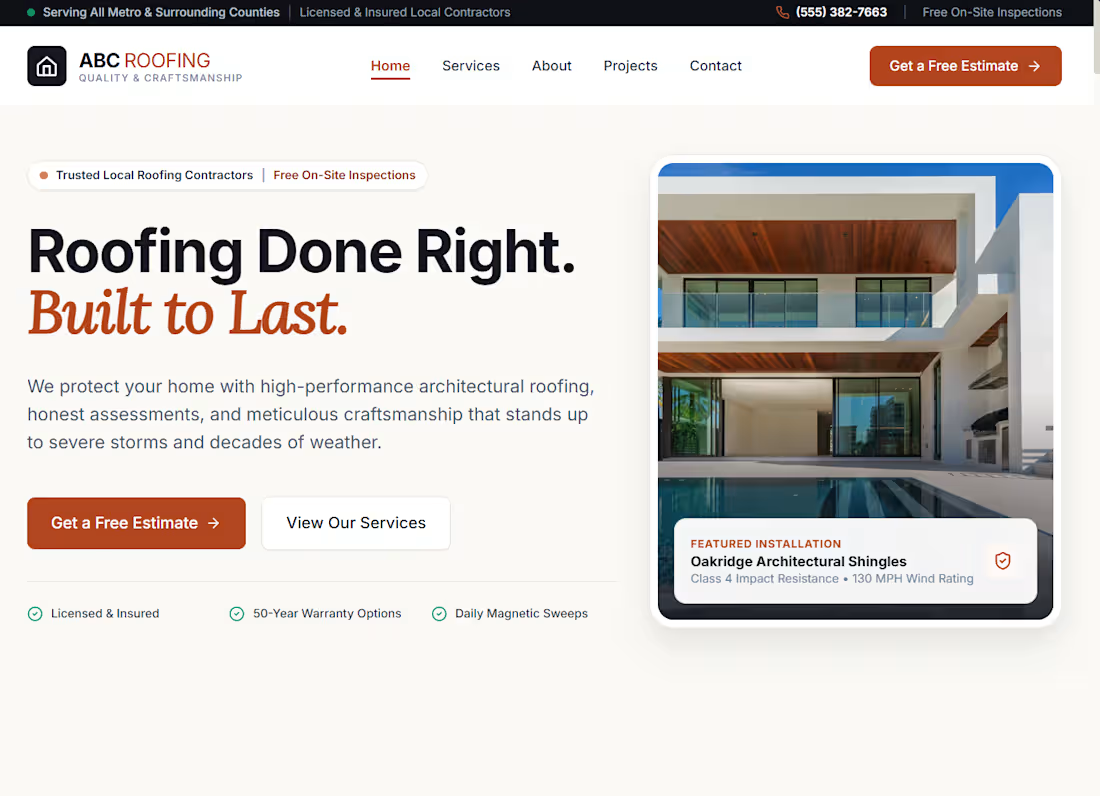
Most service businesses lose 30% to 50% of incoming leads because their estimate form feels like tax paperwork.
If a homeowner or facility manager has a leaking roof or damaged structure, they are almost always on a mobile device under bad network conditions.
When your quote form is a bloated multi-step survey with 8 required fields before showing value:
• Mobile users drop off on step 2.
• Uploading high-res inspection photos crashes the mobile browser tab.
• The contractor's office gets half-baked inquiries with zero actionable dimensions.
We engineered an intake pipeline at Orillusive specifically for high-ticket trade contractors:
Sub-Second Instant Estimation:
Calculates rough square footage, material tiers (Architectural Shingles vs Metal), and slope impact directly client-side with zero latency.
Resilient Client-Side Image Compression:
Compresses high-res inspection photos in the browser before payload transmission, stopping network timeouts dead in their tracks.
Zero Layout Shift (CLS):
Built with pure Next.js and Tailwind CSS so the entire funnel stays completely stable during dynamic recalculations.
Your intake funnel shouldn't just be a digital contact card. It should do the preliminary site inspection before your crew ever drives out.
Interactive Demo:
https://roofingdemo.orillusive.com/
Founders & contractors: What is the single biggest bottleneck in your current customer onboarding flow?
0
88
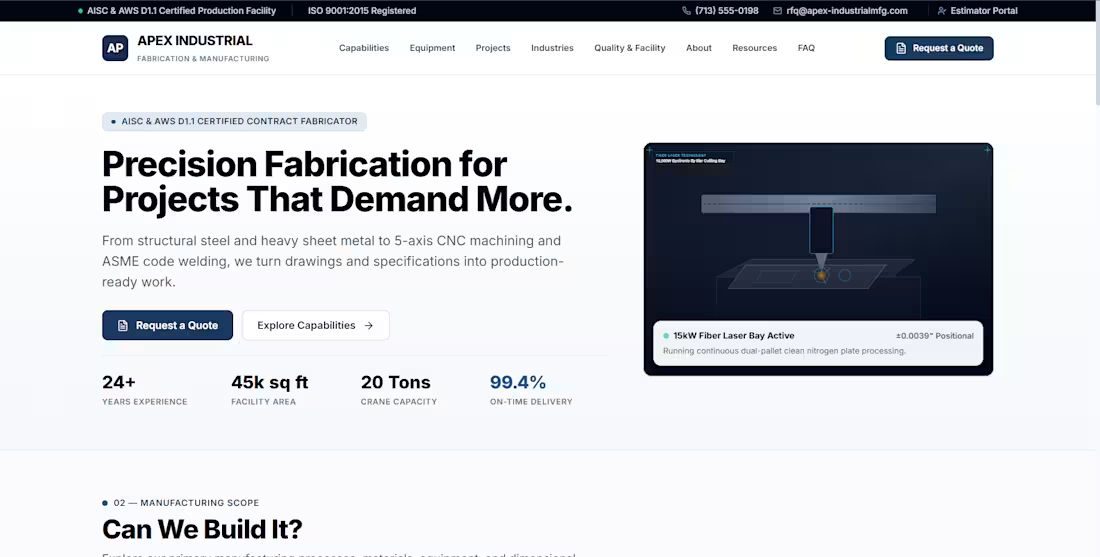
This isn't an experimental concept or an AI playground test — this is a fully realized, production-level platform architecture.
Hands down, this is the most cohesive and technically refined demo we have engineered at Orillusive to date.
Live Interactive Sandbox:
https://industrydemo.orillusive.com/
When scaling web platforms for modern industry leaders, superficial UI is never enough. We built this build to address the real bottlenecks:
• Sub-second layout transitions without Cumulative Layout Shift (CLS)
• Deterministic state handling built on production-grade component architecture
• Purpose-driven typography and dark aesthetic engineered for enterprise credibility
• Zero unnecessary runtime bloat — purely optimized for conversion and speed
Most platforms look impressive in a static Figma frame, but break down under real client interactions. We engineer live proofs-of-work so founders can feel the speed, accessibility, and precision firsthand before writing a single contract.
Take it for a spin and inspect the responsiveness across viewports.
What is the biggest technical benchmark you test first when evaluating an agency's frontend capabilities?
2
2
225
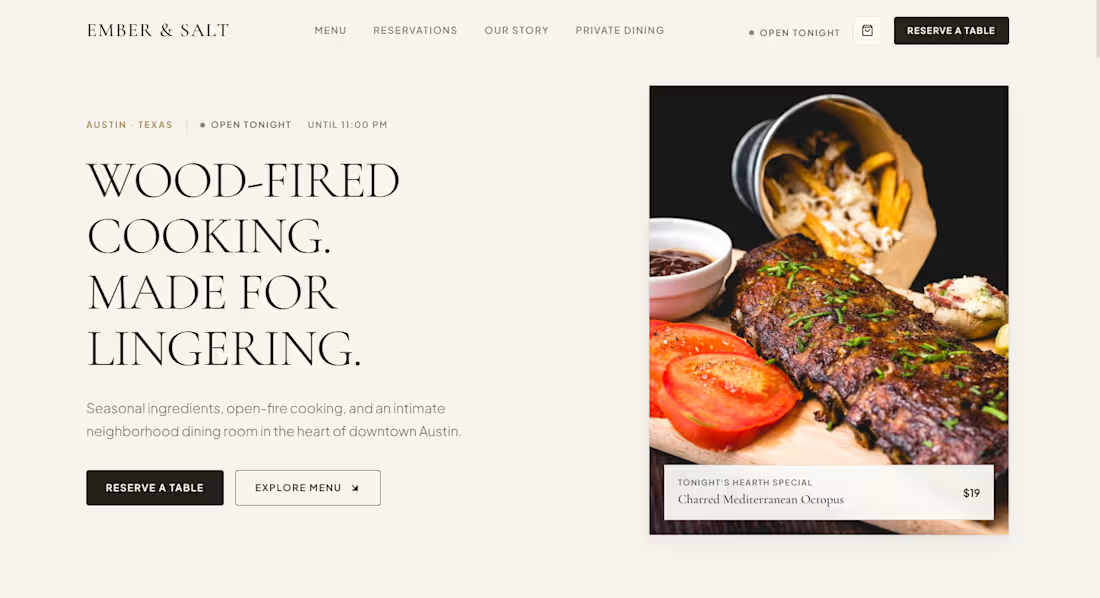
Most restaurant websites rely on the exact same cookie-cutter templates: heavy hero sliders, sluggish PDF menus, and zero personality.
For this culinary platform ("Ember & Salt"), we took an editorial, print-inspired direction — blending the tactile feel of a high-end food magazine with sub-second digital performance.
Key engineering & design highlights:
• Editorial typography pairing with classic serif hierarchy and dynamic grids
• Zero Layout Shift (CLS) on high-resolution food assets across mobile viewports
• Instant reservation flows & accessible interactive menu filtering
• Built with modern React & Tailwind CSS for lightweight, butter-smooth navigation
Experience the live demo here:
🔗 https://demo1.orillusive.com/
How do you feel about print/editorial aesthetics making a comeback in modern web development?
#WebDesign #WebDevelopment #Frontend #React #TailwindCSS #UIUXDesign #FullStackDevelopment
1
195
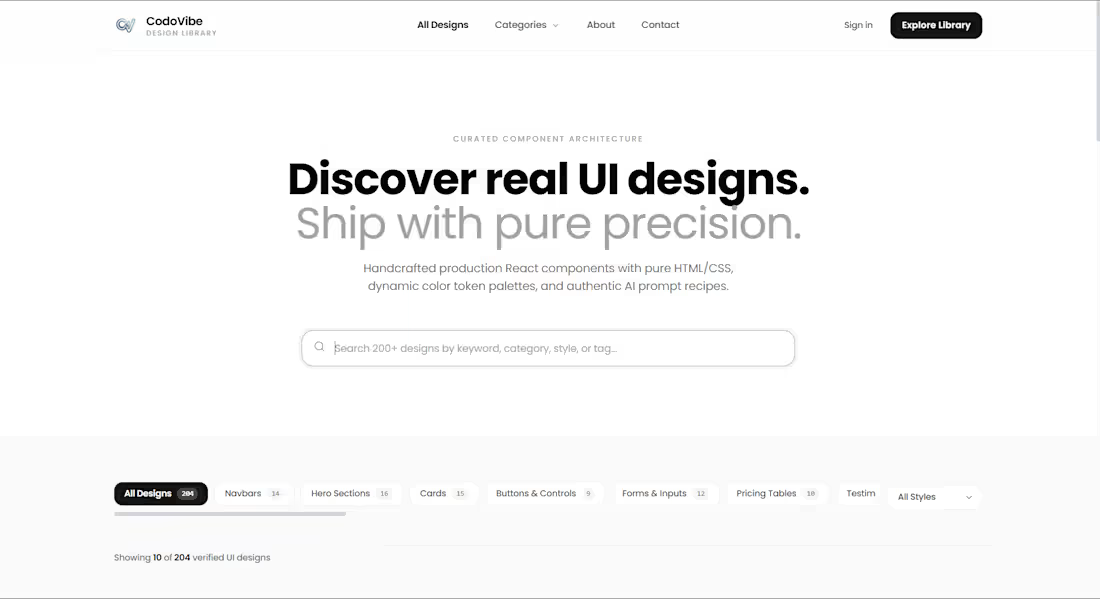
Most AI-generated UI code looks good in screenshots but falls apart the second you drop it into a production codebase.
Bloated Tailwind classes, zero semantic hierarchy, and inaccessible DOM trees slow down real shipping.
That’s why I’m currently building CodoVibe:
• Handcrafted production React & HTML/CSS component architecture
• Dynamic color token palettes ready for design systems
• Authentic AI prompt recipes calibrated for clean, maintainable output
The goal: instead of wrestling with broken AI boilerplate, you get component precision you can actually ship.
Since CodoVibe is actively in development:
Would a curated bridge like this between AI prompts and production-ready React components genuinely save you time, or do you prefer refining the raw AI output yourself?
#WebDevelopment #Frontend #React #UIDesign #DesignSystem
0
174