
Michael Gould
Workflow automation for forms, CRMs, Zapier, Make, n8n.
New to Contra
Michael is ready for their next project!
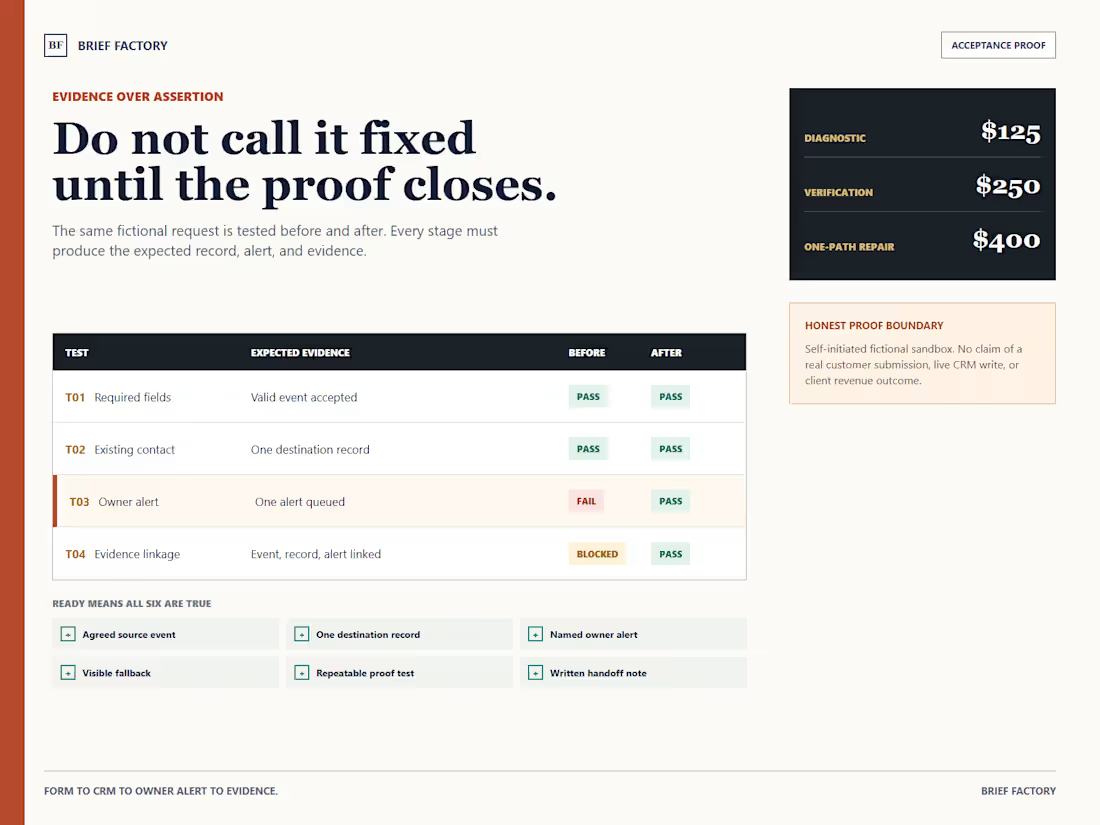
HVAC Lead Handoff Rescue Case Study
0
8
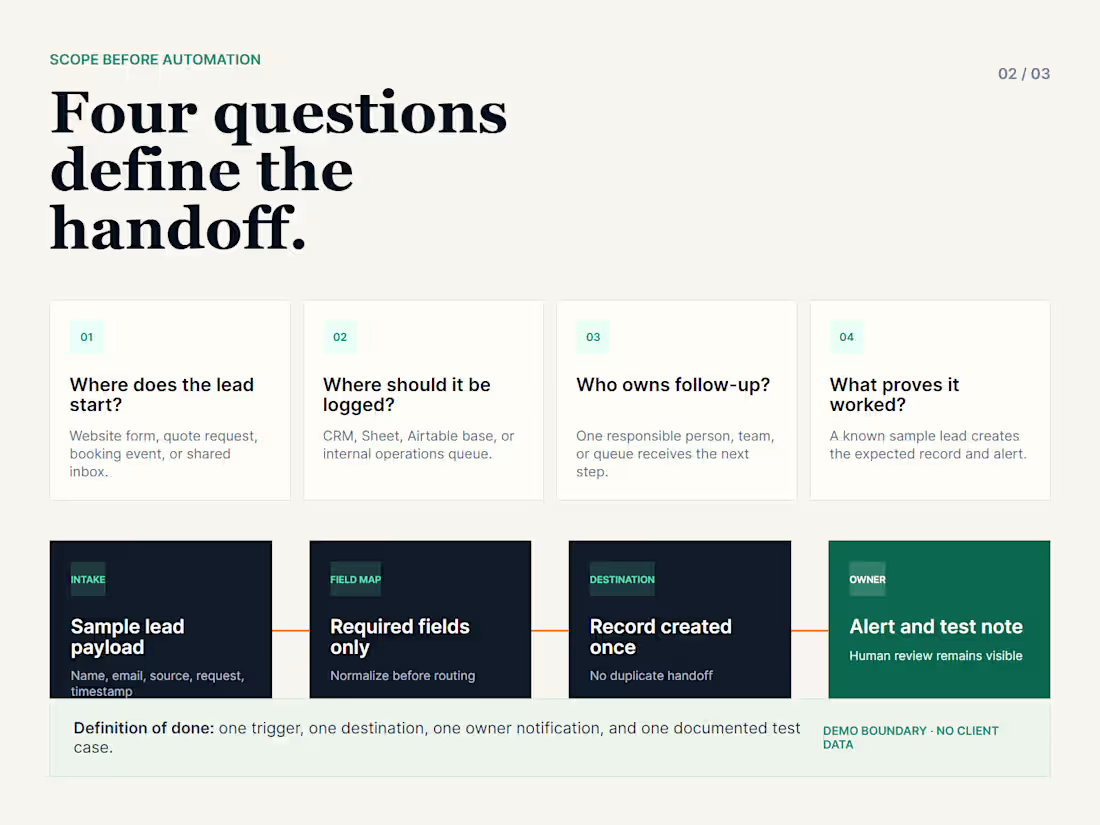
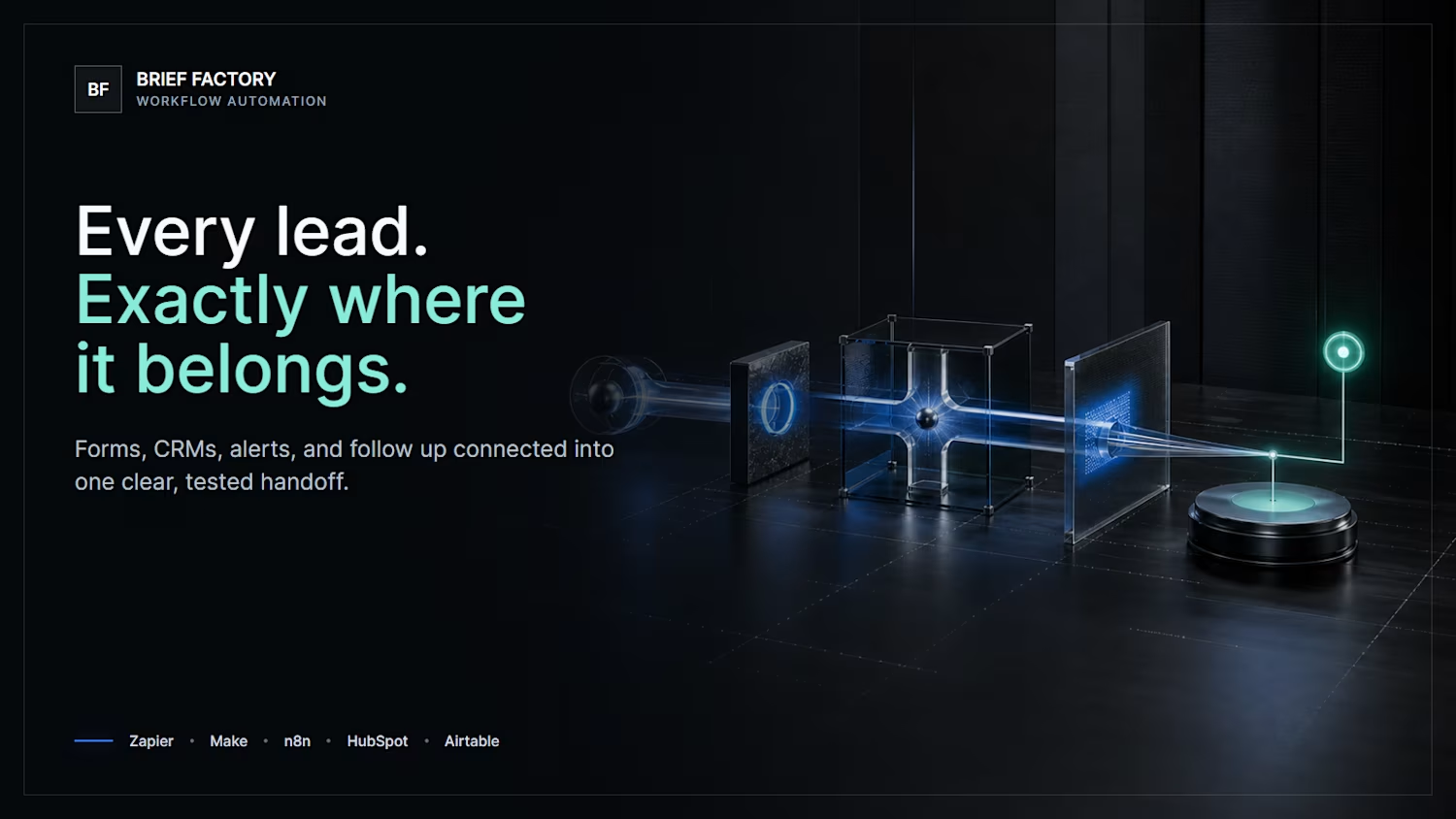
A self-initiated workflow automation demo showing a simple lead handoff: intake, routing, CRM or sheet logging, owner notification, and test-ready review output.
0
62
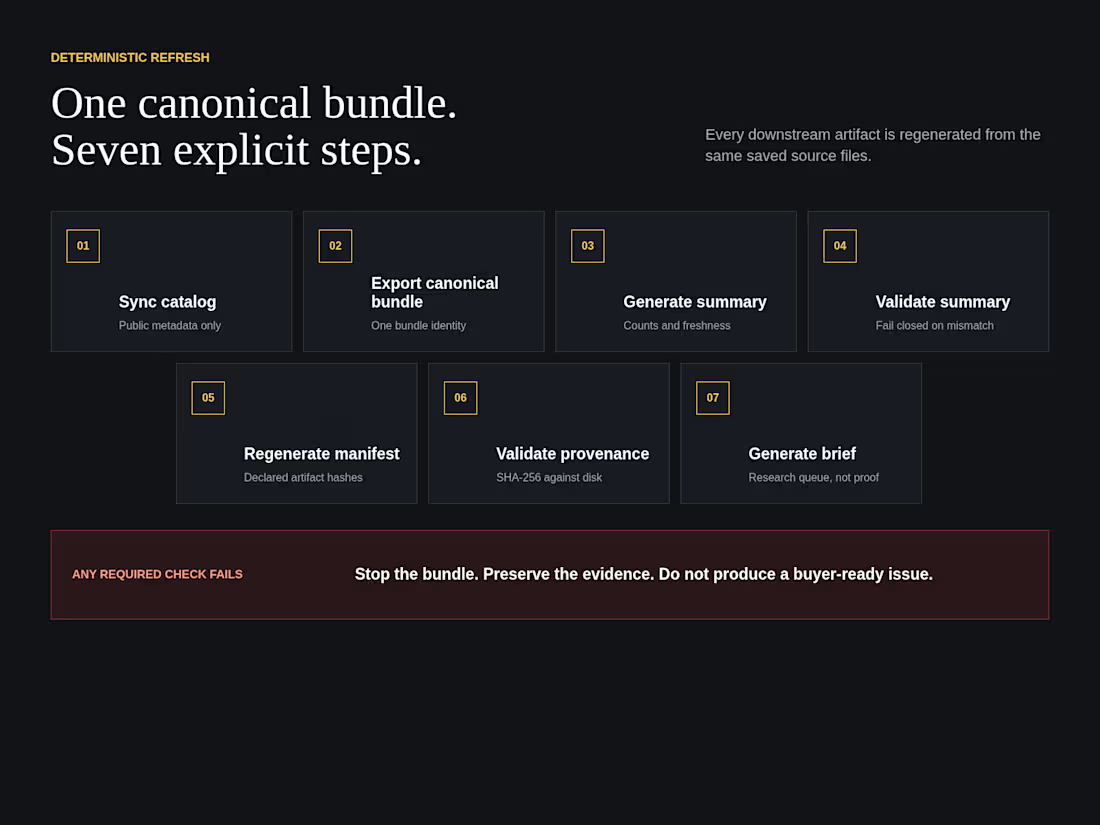
Self-initiated internal product. Odds Desk uses public data only. It is not client work, a trading tool, or financial advice.
I built this because a research brief is only as trustworthy as the source snapshot behind it. Catalog freshness, derived summaries, file identity, and editorial status need to stay consistent across every generated artifact.
The workflow synchronizes a public catalog, exports one canonical bundle, generates and validates a summary, regenerates a manifest, checks declared SHA-256 values against disk, and produces a dashboard and Markdown brief from the same saved files.
The workflow fails closed. If a required validation fails, the bundle stops, the evidence is preserved, and no buyer-ready issue is produced.
The gallery shows a July 30, 2026 snapshot with 675 saved markets, 36 unverified research leads, zero verified cards, and four of four declared hashes matching disk. The state remains RESEARCH_PREVIEW.
Best fit: public API ingestion, reproducible research bundles, validation pipelines, provenance checks, fail-closed editorial workflows, and automated briefing systems.
0
61
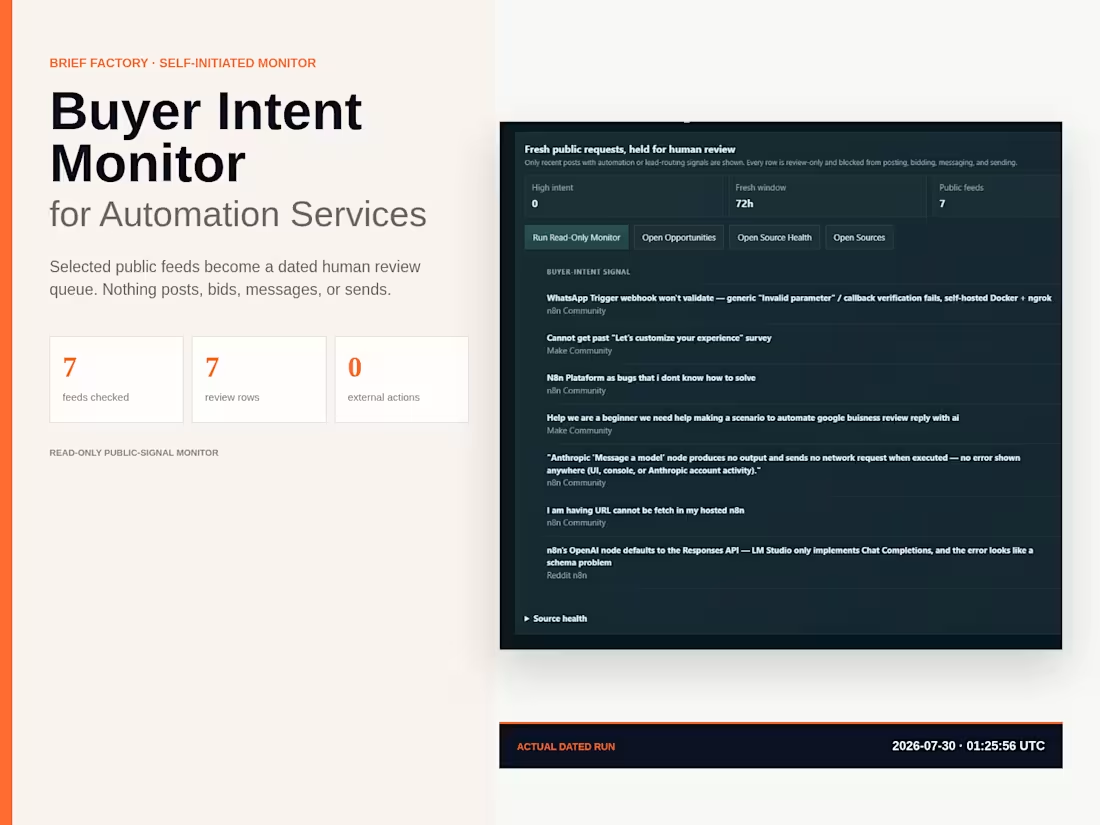
A self-initiated Brief Factory internal system. The gallery shows public post titles only. No names, handles, contact details, or private messages are shown.
I built this to make public automation research more consistent. Instead of manually checking communities for scattered requests, the monitor reads selected RSS and Atom feeds, normalizes source URLs, rejects stale or generic items, scores observable workflow pain, deduplicates accepted rows, and records source health.
The output is a structured review queue, not permission to contact anyone. The system does not post, bid, message, or send.
The gallery shows a dated run from July 30, 2026: seven configured feeds, seven review rows, two HTTP 429 rate limits, zero high-intent rows, and zero external actions authorized.
Best fit: public-source monitoring, qualification queues, source-health reporting, research triage, and review-first opportunity workflows.
0
57