
Maria Shrayber
Ops strategist optimizing procurement & execution
New to Contra
Maria is ready for their next project!

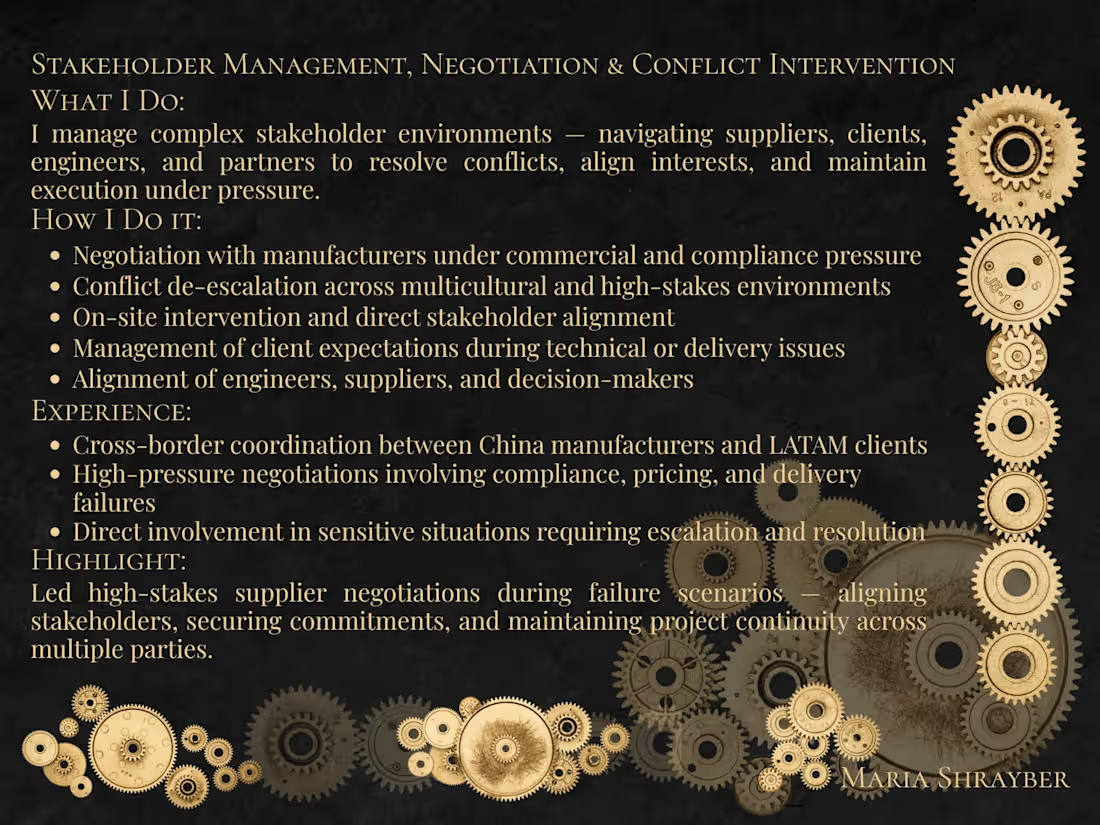
Most projects don’t fail because of technical issues.
They fail because of people.
Different incentives.
Different expectations.
Different levels of pressure.
I operate in environments where:
– manufacturers, clients, and engineers don’t always align
– compliance and commercial realities collide
– tensions escalate quickly
My role is to:
• negotiate under pressure
• de-escalate conflicts
• align stakeholders without slowing execution
Sometimes that means tough conversations.
Sometimes that means stepping in directly.
Because in complex supply chains:
👉 Technical problems can be solved
👉 People problems need to be managed
0
22
Sourcing is not about finding a supplier.
It’s about finding the right supplier under the right conditions.
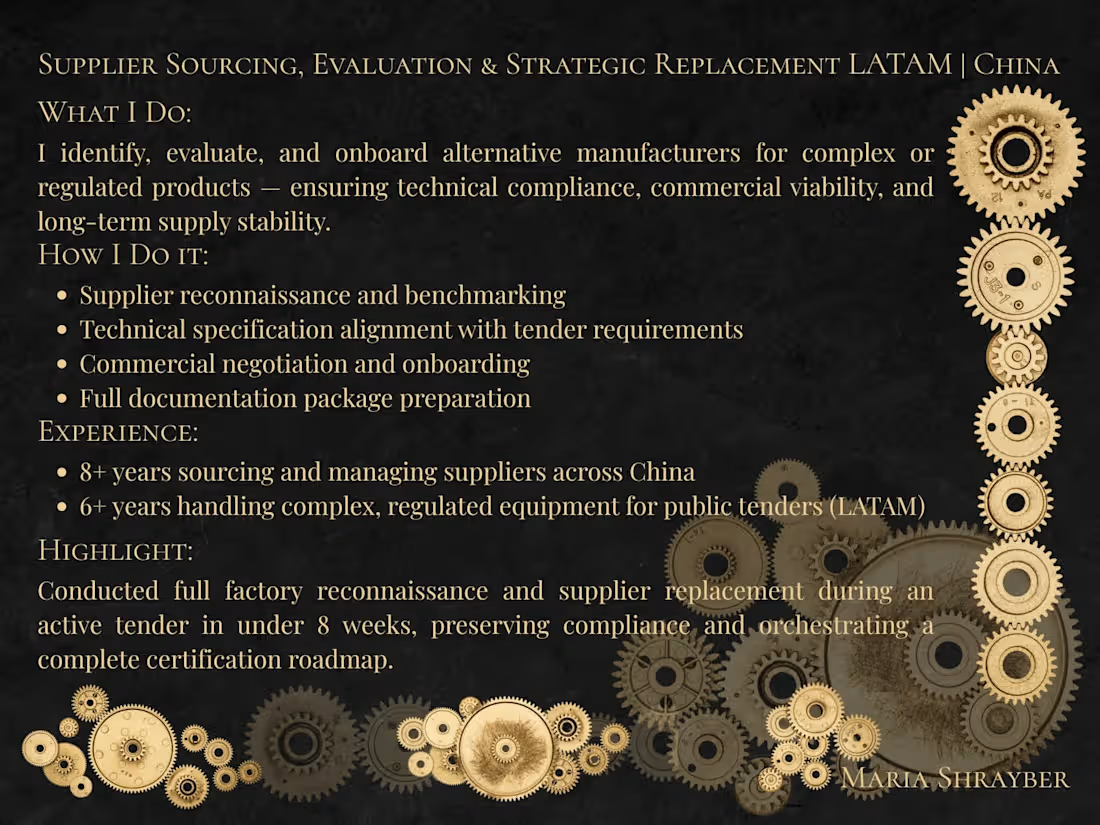
I work across China–LATAM supply chains:
• identifying and evaluating manufacturers
• aligning technical specifications with real requirements
• negotiating commercial terms
• preparing full documentation packages
In one case, I replaced a supplier during an active tender in under 8 weeks —
without breaking compliance, and while building a new certification roadmap.
That’s the difference between:
👉 sourcing
vs
👉 strategic replacement under pressure
0
21
Entering LATAM markets is not just a commercial decision.
It’s an execution problem.
Most international manufacturers underestimate:
– regulatory complexity
– documentation requirements
– local approval processes
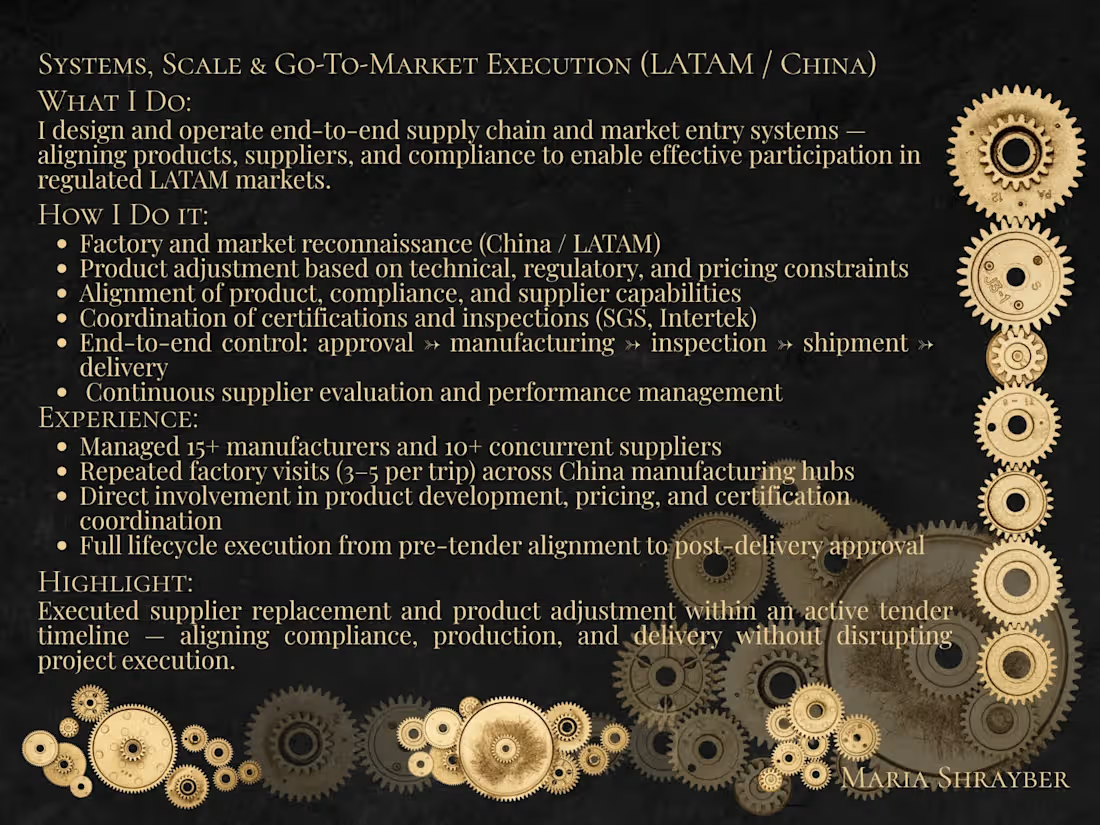
I work on building end-to-end execution systems:
• market and factory reconnaissance
• product adjustment to meet local constraints
• certification and inspection coordination (SGS, Intertek)
• full lifecycle control — from approval to delivery
This is not about “launching fast.”
It’s about:
👉 entering correctly
👉 staying compliant
👉 being able to actually deliver
Because in regulated markets, execution gaps don’t slow you down.
They disqualify you.
0
31
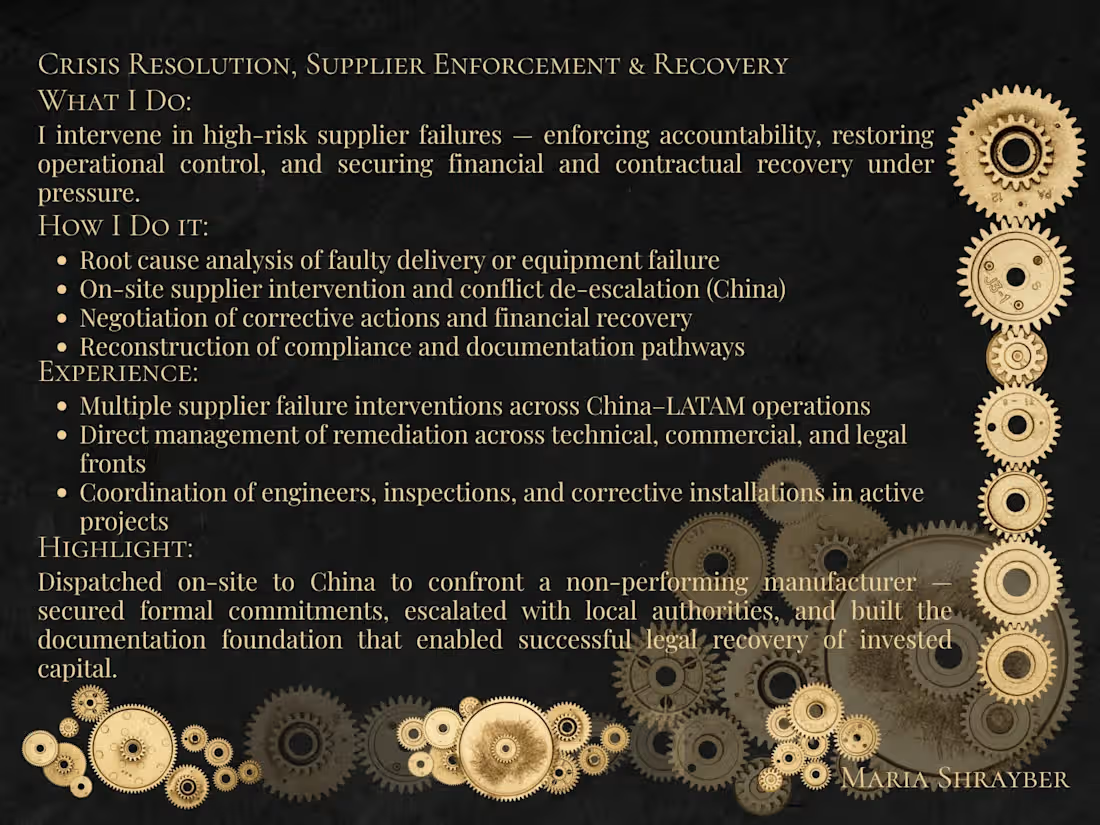
Supplier failure is not an exception.
It’s part of the game.
What matters is what happens next.
I’ve handled situations where:
– manufacturers failed to deliver
– equipment arrived non-compliant
– projects were already in motion
In one case, I was dispatched on-site in China to confront a non-performing supplier.
What followed wasn’t escalation — it was control:
• negotiation under pressure
• involvement of local authorities
• creation of a full documentation trail
That groundwork enabled legal recovery of the investment.
In other cases:
– we deployed engineers to fix equipment on-site
– negotiated cost coverage with factories
– restored compliance without stopping the project
This work is not about avoiding problems.
It’s about:
• containing them
• structuring recovery
• protecting execution and money
0
33