
Not every kind of natto is sticky.
Most people outside Japan know the stringy version: itohiki natto, literally "string-pulling" natto. Japan's agriculture ministry describes it as a salt-free food made by fermenting boiled soybeans with Bacillus subtilis natto.
But the same...
Japan is rice country, so why did one mountain region once eat a flour-based meal every day?
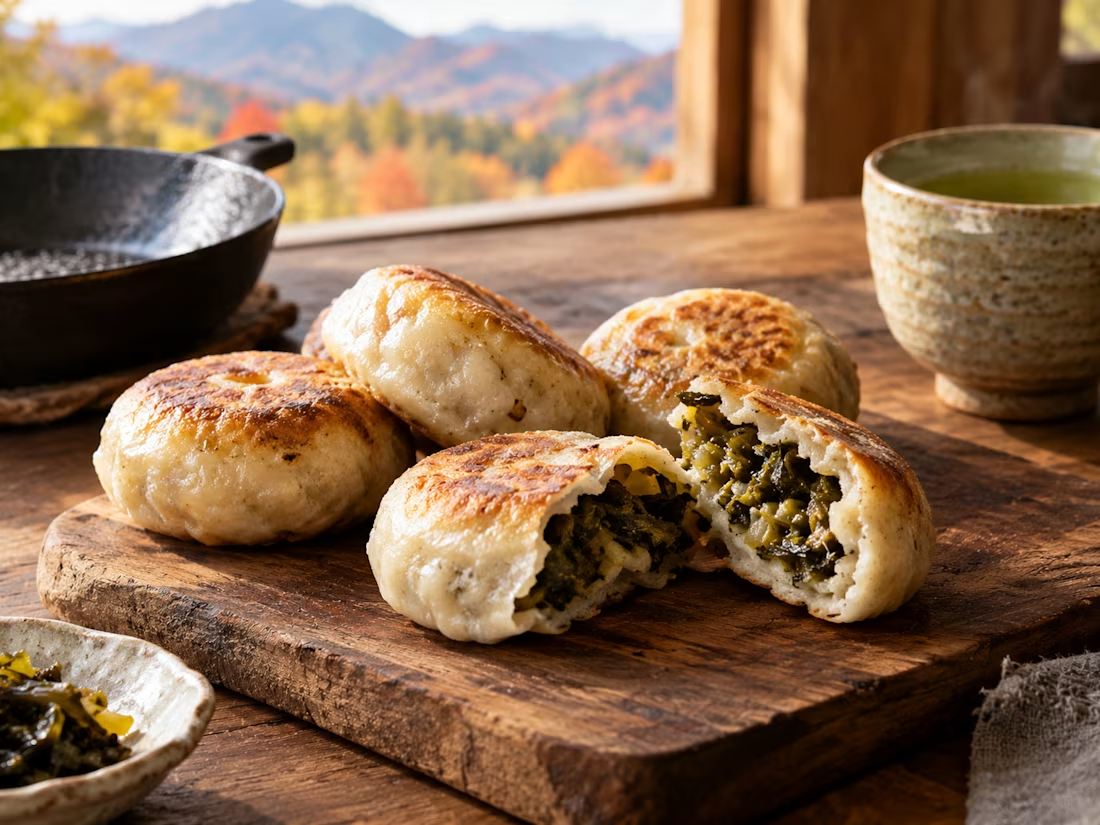
In Nagano, much of the answer is oyaki: a palm-sized dumpling of flour dough wrapped around a seasonal filling. The classic is nozawana, a local leafy green that is pickled, then...
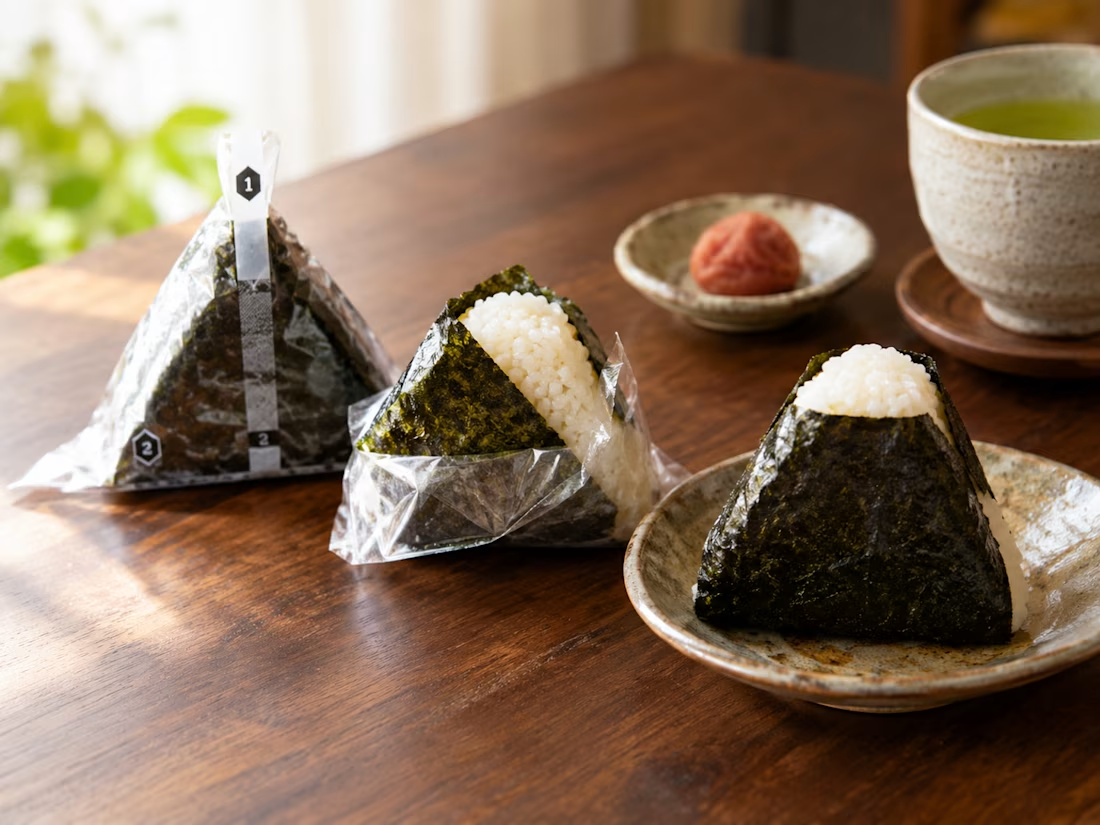
Have you ever opened a rice ball at a Japanese convenience store and ended up with the seaweed in pieces?
The wrapper is a small piece of design. A thin plastic film keeps the seaweed apart from the rice, so it stays crisp until you eat it.
The trick is the order. Pull tab 1...
Have you ever been told not to flip a fish over in Japan?
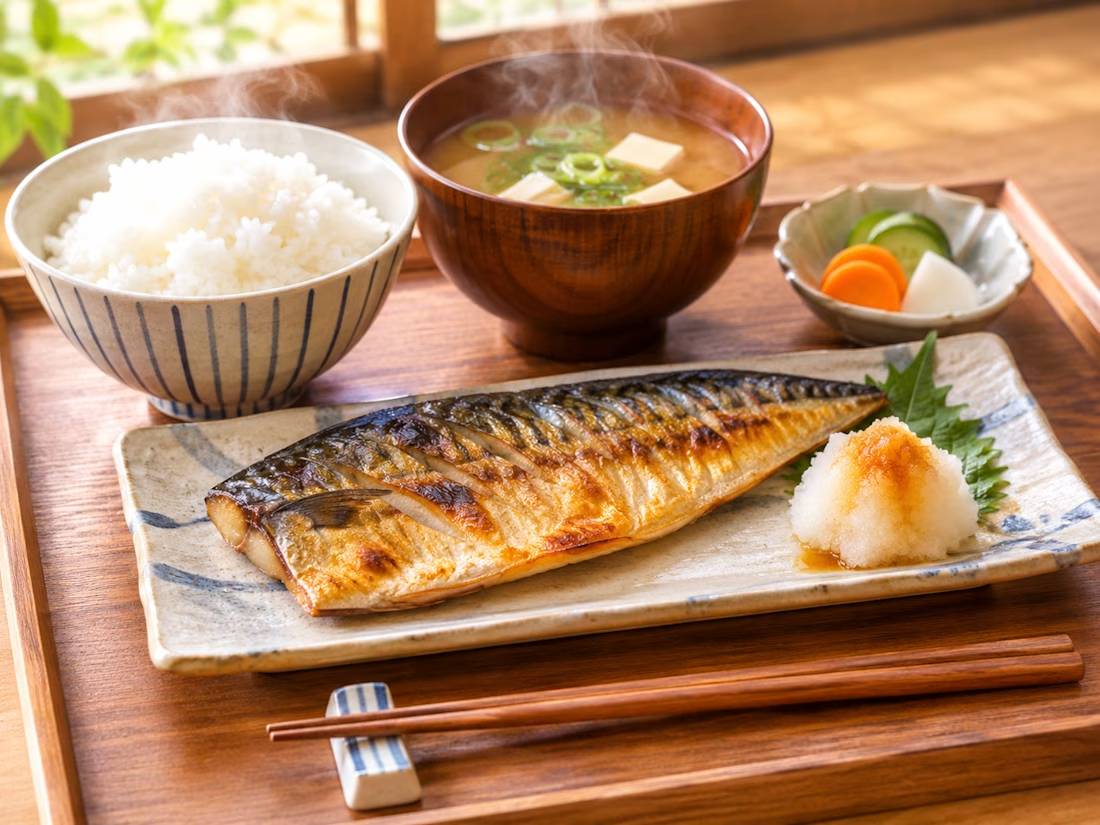
At a Japanese table, a whole grilled fish comes with a small etiquette lesson. You eat the top fillet first. Then, instead of turning the fish, you lift the backbone away, head and all, and set it at the back of the plate....
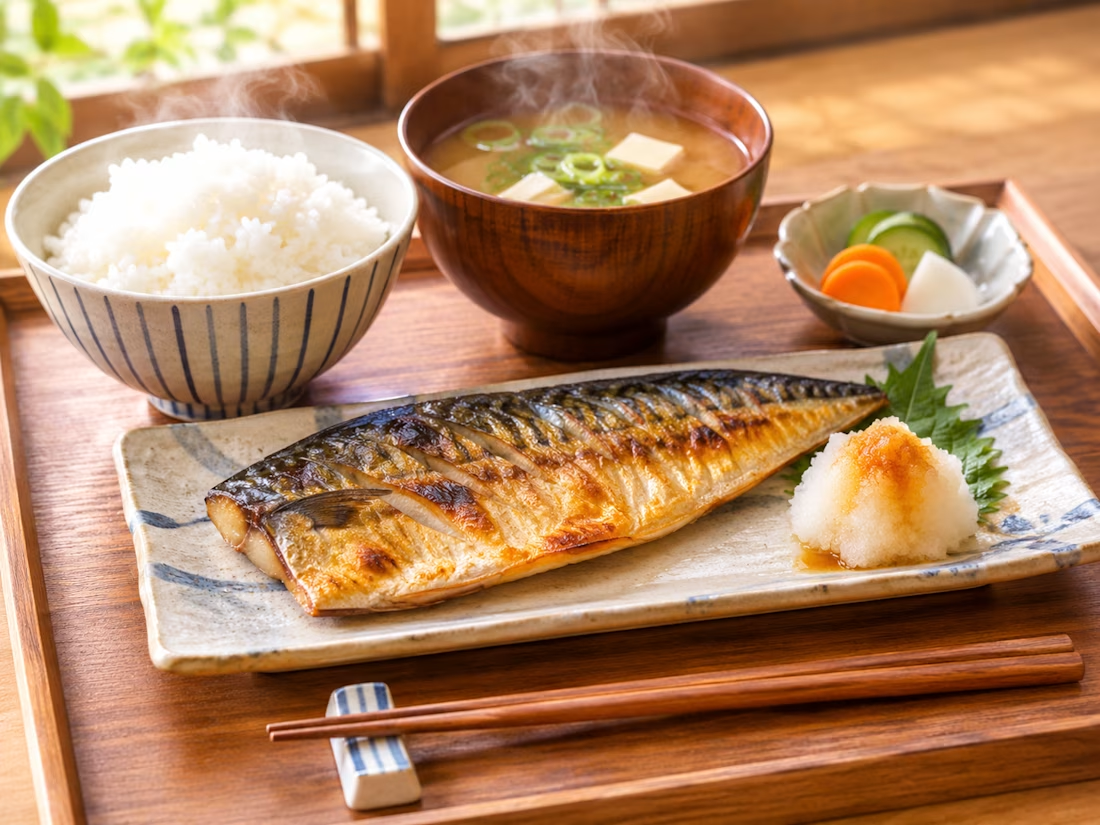
Why are some mackerel in Japan called "culture-dried"?
Saba no bunka-boshi literally means "culture-dried mackerel." The name is said to come from a Tokyo seafood processor that, around 1950, began wrapping dried fish in cellophane. It looked modern — "cultured" — and the name...