
Kashvi Techie
Product Designer & AI Frontend Engineer | Next.js 15 & Figma
- 1
- Followers



LuxeGen — AI-Powered Luxury UI
AI-Powered Luxury UI Design
LuxeGen is an innovative platform that leverages artificial intelligence to empower designers in creating luxurious and sophisticated user interfaces. The core functionality revolves around an intuitive prompt-based system, allowing users to describe their desired UI elements. As you prompt, iterate, and refine your design ideas, the live preview updates in real-time, providing immediate visual feedback and accelerating the design process.
AI-Powered Design Generation: Describe your UI needs and let AI generate stunning luxury components.
Live Preview Updates: See your design evolve instantly as you make changes.
Iterative Refinement: Easily tweak and perfect your UI elements through a seamless workflow.
Focus on Luxury Aesthetics: Tailored for creating high-end, premium user interfaces.
LuxeGen aims to streamline the creation of visually rich and premium digital experiences, making sophisticated UI design more accessible and efficient.
1
89
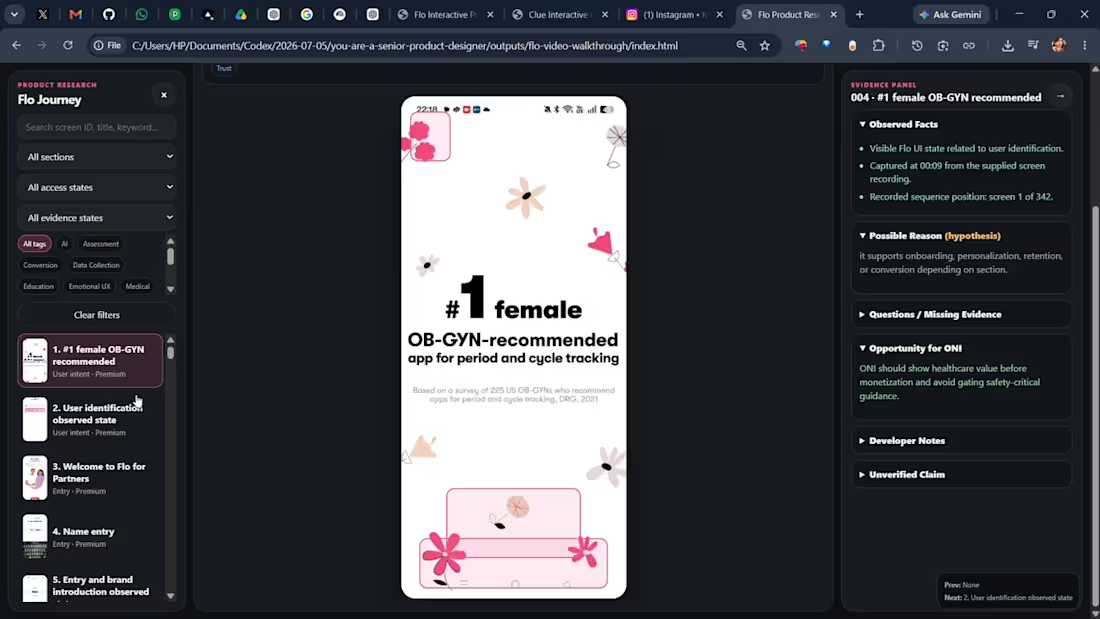
Spent the last few days auditing health-tech apps like Flo, Clue & Natural Cycles.
Reviewing 200+ screens inside Figma quickly became painful.
So instead, I built an interactive Product Analysis Workspace.
It lets me:
• Navigate complete user journeys • Review screens sequentially • Separate observed facts from assumptions • Add developer notes • Capture product opportunities • Present everything like an interactive walkthrough instead of static slides
Turns out building the review tool was almost as interesting as reviewing the products. 😄
Still improving it, but it's already making product discussions much easier.
2
127
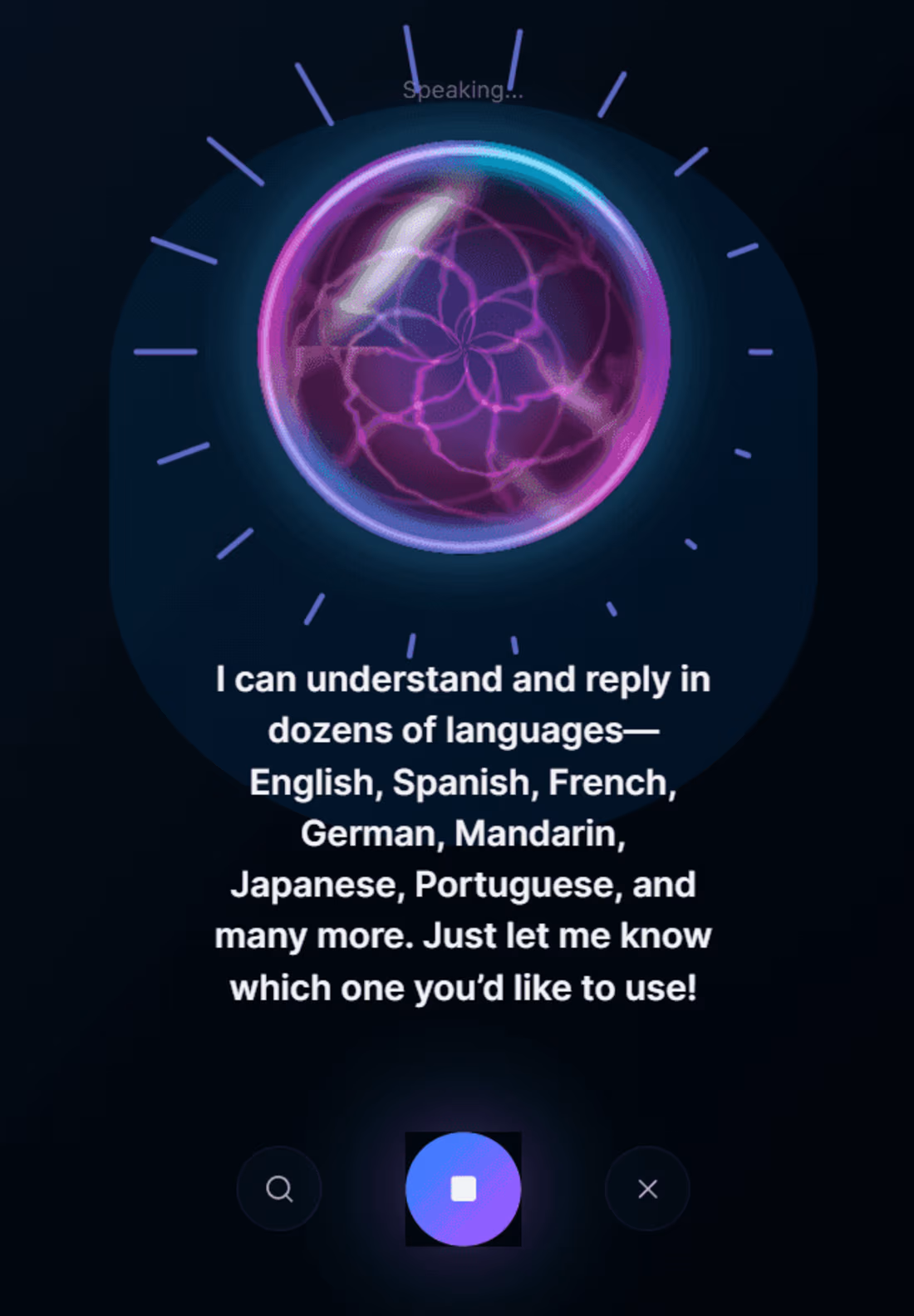
One month of building JISSI
Exactly one month ago, I started working on JISSI—an AI companion I'm building from scratch.
My goal isn't to create another chatbot. I want to build an assistant that can understand context, remember conversations, learn routines, and eventually take meaningful actions on behalf of the user.
Here's what I've built in the first month:
• Wake-word based interaction • Human Conversation Engine for more natural replies • Context-aware conversations • Memory foundation • Intent detection pipeline • Modular capability/action system • Android-first architecture • Early MCP-compatible tooling • Voice interaction pipeline
There's still a lot to build, but seeing the project evolve week by week has been incredibly motivating.
Next up:
Android system actions
Better memory and personalization
Proactive assistance
Richer voice experience
Looking forward to sharing more as I continue building in public.
2
189
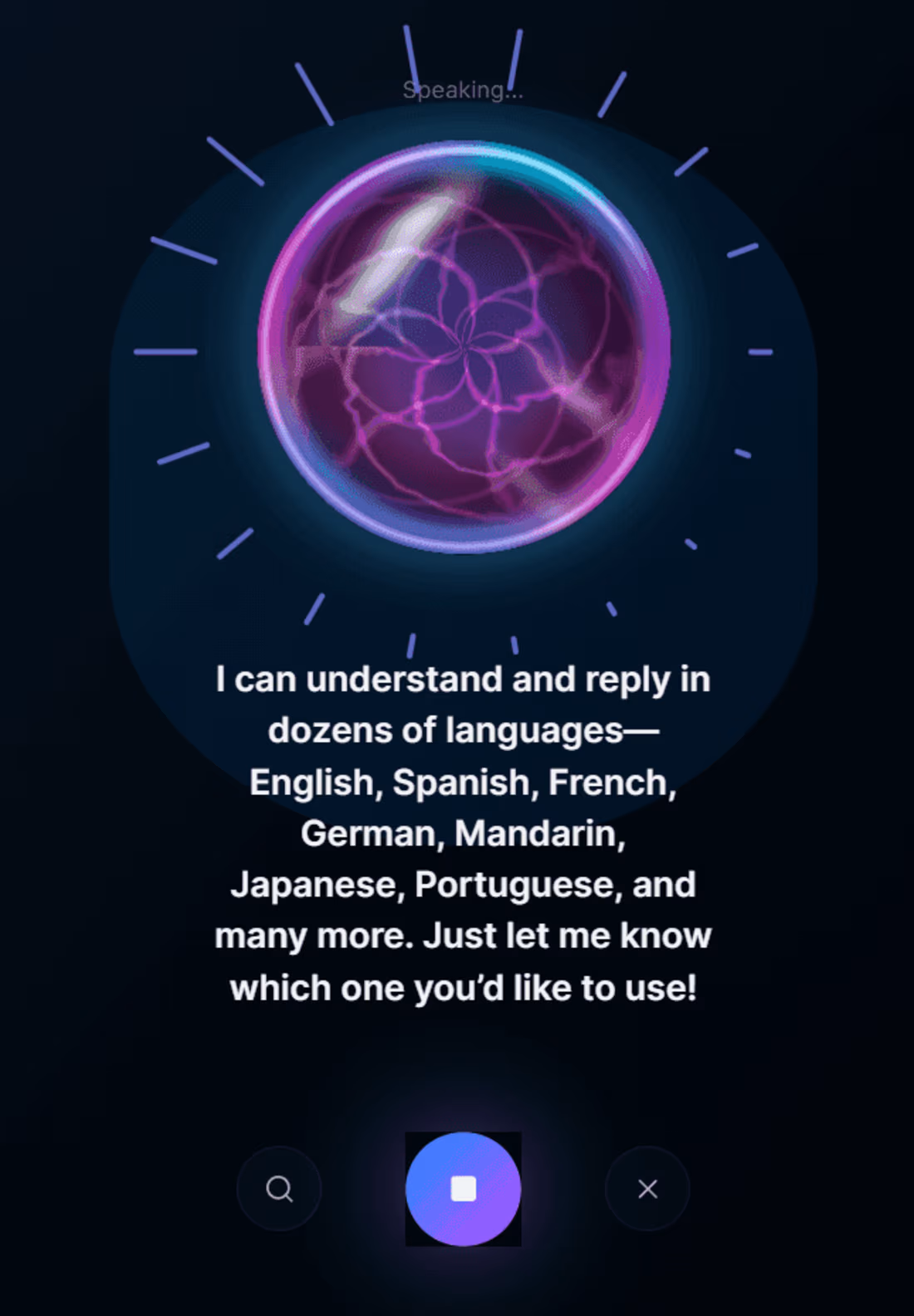
One month ago, I started building JISSI.
Not as another chatbot.
But as an AI companion that can understand context, remember what matters, and eventually take meaningful actions across your devices.
Over the last month, I've been designing and building the foundation:
🧠 Human Conversation Engine
More natural, less robotic interactions
Context-aware responses
Intent understanding
💾 Memory Foundation
Long-term memory architecture
Context retrieval
Personalized conversations
⚡ Capability System
Modular action framework
Android-first architecture
Building toward safe, permission-based device actions
🔌 MCP-Ready Architecture
Tool-based design so AI models can interact with capabilities through a standardized interface
What I've learned is that memory is the easy part—trust is the hard part.
Anyone can make an AI answer questions.
Building one that users trust to take actions safely is a completely different challenge.
This is still early, but I'm excited to keep shipping and sharing the journey.
If you're building AI products, I'd love to connect and exchange ideas. 🚀
#BuildInPublic #AI #Android #ProductEngineering #MCP #SoftwareEngineering
2
171