
pro


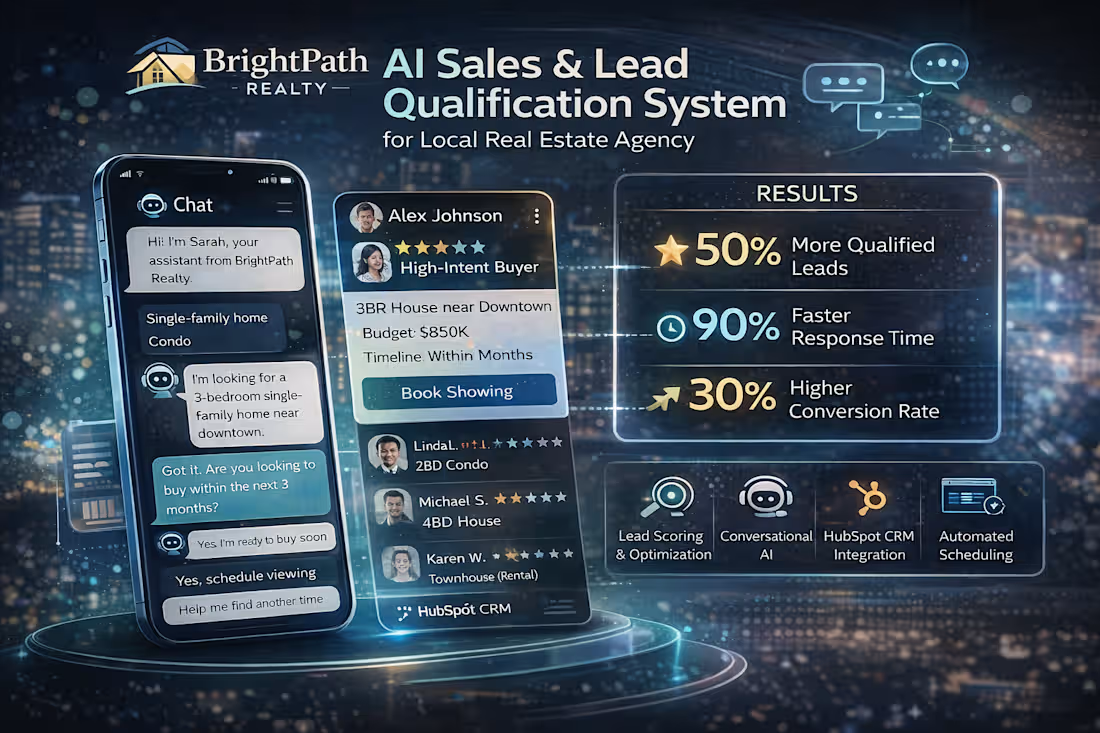
We worked with a small real estate agency that was struggling to manage incoming leads from multiple channels like website forms, ads, and social media. Most leads were not qualified, and agents were spending too much time chasing low-intent prospects.
My role was to define the product direction and align engineering with sales workflows. We built an AI-driven lead qualification system that automatically scores leads, responds instantly via chat, and schedules viewings based on availability.
One decision I made was to focus on speed and conversion, not just automation. We designed a lightweight conversational flow that engages users within seconds and filters high-intent buyers using simple but effective questions.
We also integrated the system with their CRM so agents could prioritize the best opportunities in real time.
As a result, the agency increased qualified leads by 50%, reduced response time from hours to seconds, and improved conversion rates by 30%.
0
8
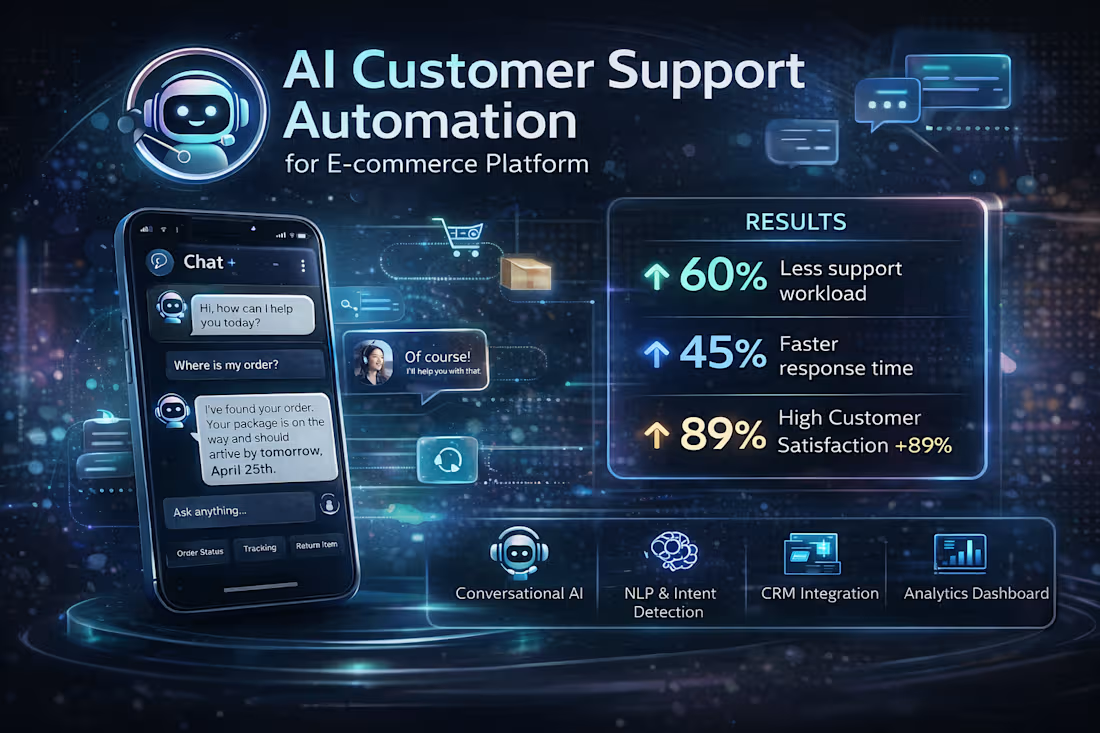
We worked with a fast-growing e-commerce company that was struggling with high customer support volume and slow response times. Their support team was overwhelmed, and customer satisfaction was starting to drop.
My role was to align product, AI, and operations teams to design a scalable solution. We built a conversational AI assistant that could handle common inquiries like order tracking, returns, and refunds, while seamlessly handing off complex cases to human agents.
One key decision I made was to focus on intent accuracy and smooth handoff, not just automation. We trained models on historical support data and integrated the system into existing CRM workflows.
We also added analytics dashboards so the team could monitor performance and continuously improve responses.
As a result, the client reduced support workload by 60%, improved response time by 45%, and increased customer satisfaction significantly.
0
8
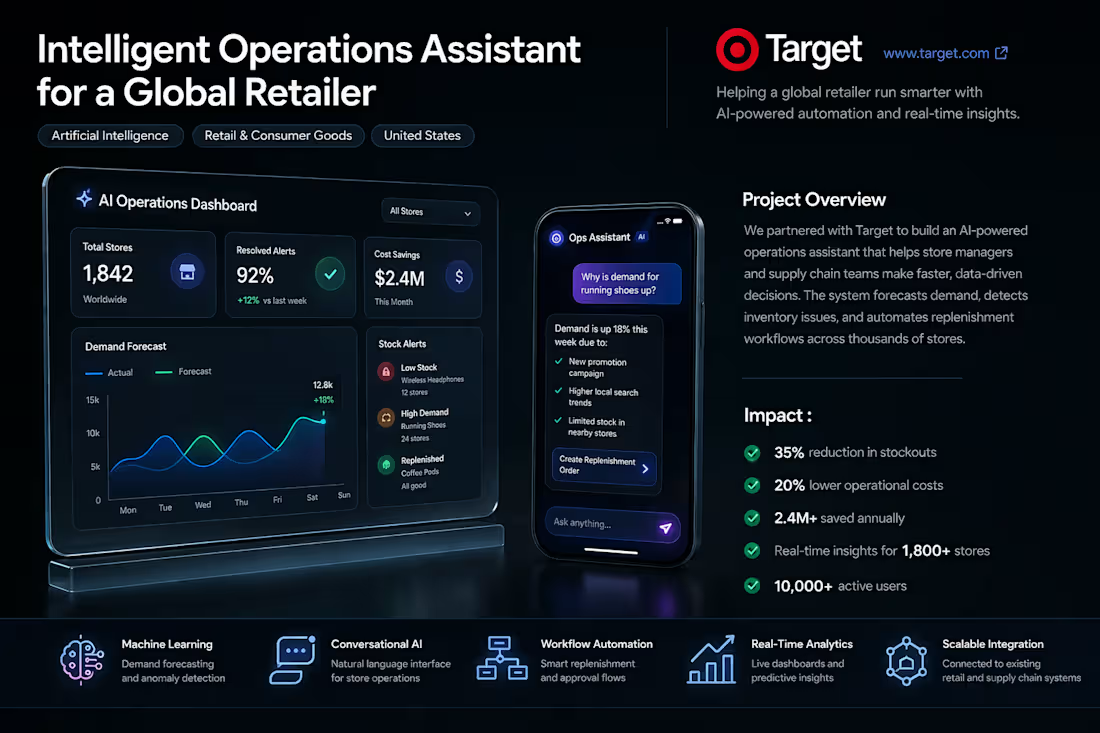
We partnered with a large retail client that was facing challenges with demand forecasting and store operations. Store managers were relying on manual reports, which made it hard to react quickly to stock issues and changing customer demand.
My role was to bring together product, engineering, and operations teams to design a more intelligent and real-time solution. We built an AI-powered operations assistant that combines demand forecasting, anomaly detection, and a conversational interface so managers can easily ask questions and take action.
One key decision I made was to focus on usability, not just accuracy. We introduced a simple dashboard and chat-based interface that integrates directly into daily workflows, along with automated replenishment suggestions.
We also ensured the system could scale across thousands of stores with real-time data pipelines and cloud infrastructure.
As a result, the client reduced stockouts by 35%, lowered operational costs by 20%, and enabled real-time decision-making across 1,800+ stores, improving both efficiency and user adoption.
0
15
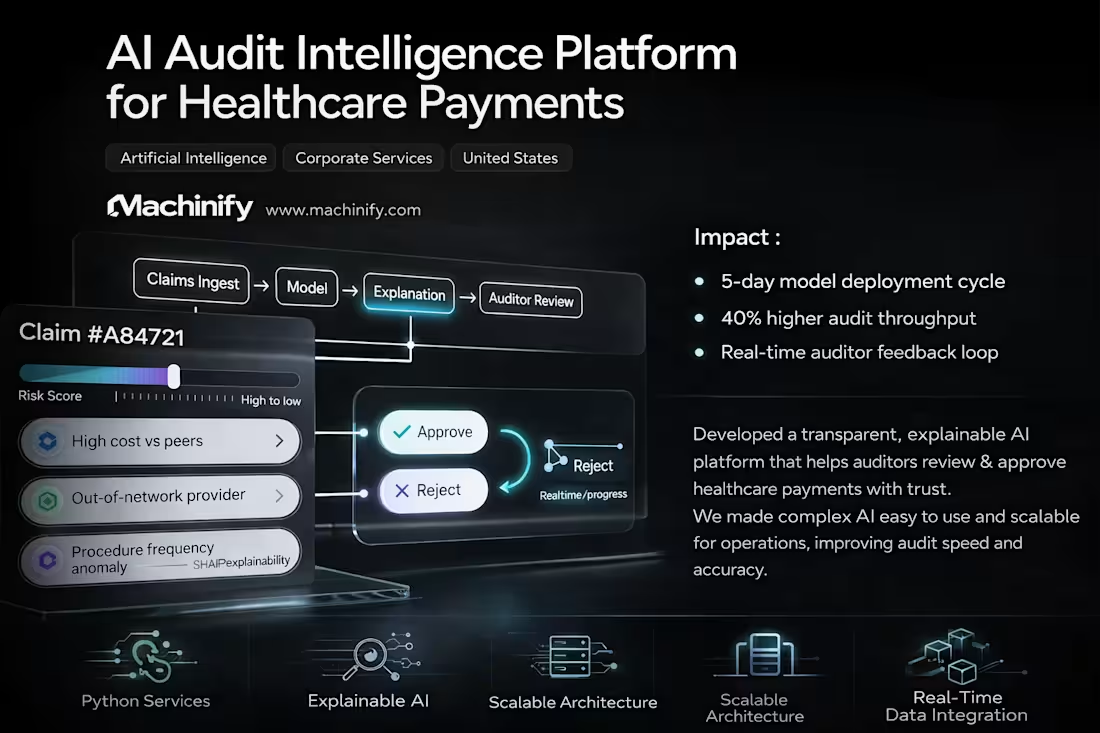
We worked with a U.S.-based healthcare payments company that was struggling with slow and inconsistent audit processes. Their auditors were reviewing claims manually, which created delays, errors, and limited scalability.
My role was to align engineering, data, and operations teams to build a more reliable and efficient system. We designed an AI-powered audit platform that could ingest claims, run risk scoring models, and provide clear explanations for every decision. A key focus for me was making the AI understandable for auditors, not just accurate.
We introduced an explainability layer using SHAP and built a real-time feedback loop so auditors could approve or reject decisions and continuously improve the model. We also streamlined deployment using modular architecture, which reduced release cycles significantly.
As a result, the client achieved a 5-day deployment cycle, increased audit throughput by 40%, and improved trust in AI decisions across teams.
0
18