
Jeffrey Izuchukwu
Campaign Setup and Email Deliverability Expert


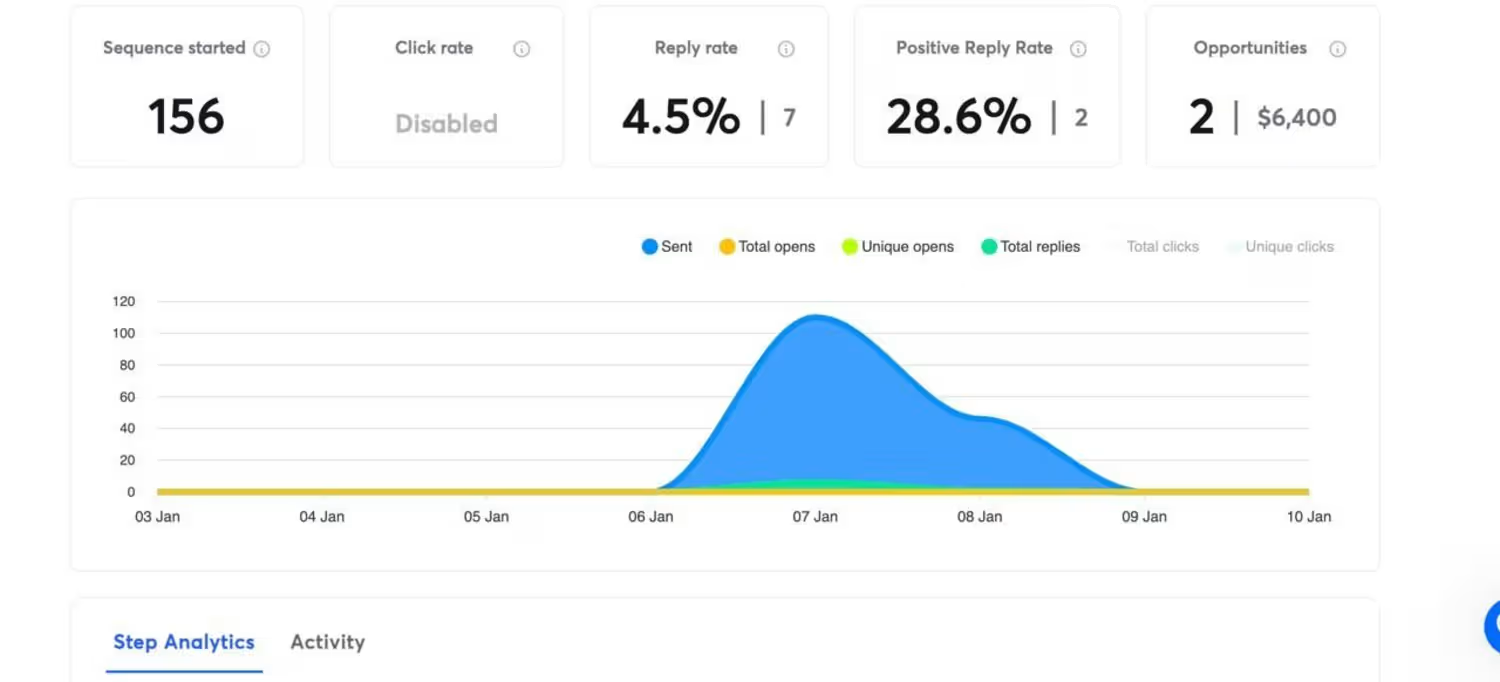
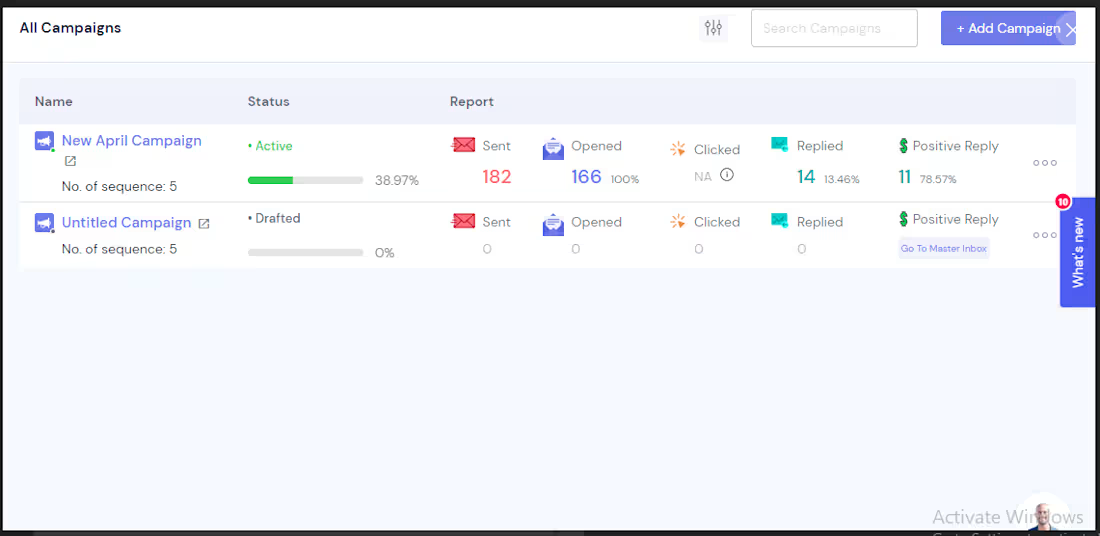
I worked with a client to design and manage a full outbound system using Smartlead, taking ownership from setup to optimization.
First, I built a solid sending foundation, connecting multiple inboxes, configuring authentication (SPF, DKIM, DMARC), setting up tracking domains, and running warmup to protect deliverability. I carefully controlled daily limits and inbox rotation to avoid reputation issues.
Next, I refined the targeting and segmented the lead list based on role and industry relevance. I then wrote and structured a multi-step sequence focused on value-first messaging, soft CTAs, and natural follow-ups to drive conversations instead of hard sells.
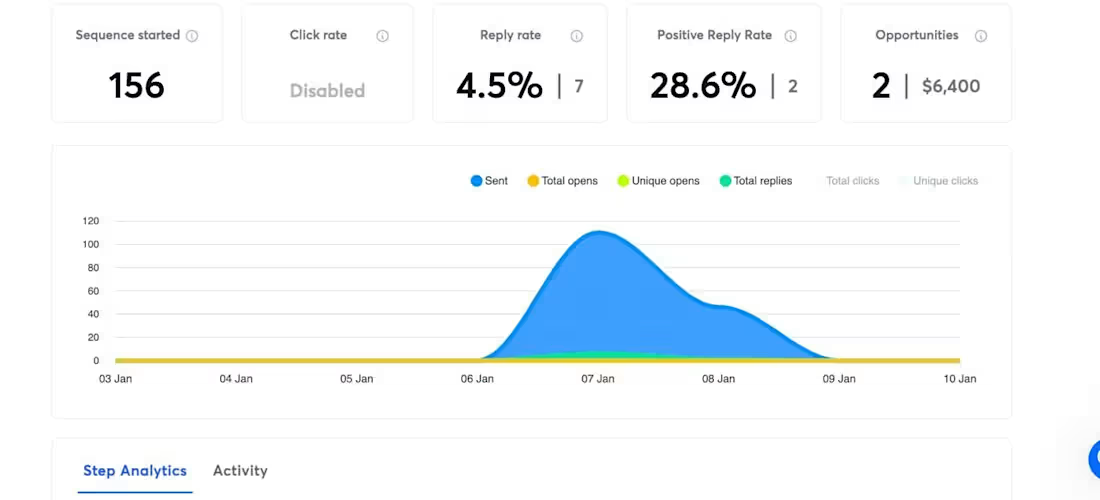
As the campaign ran, I monitored engagement metrics, adjusted volume when needed, improved underperforming steps, and optimized based on real reply feedback.
0
46
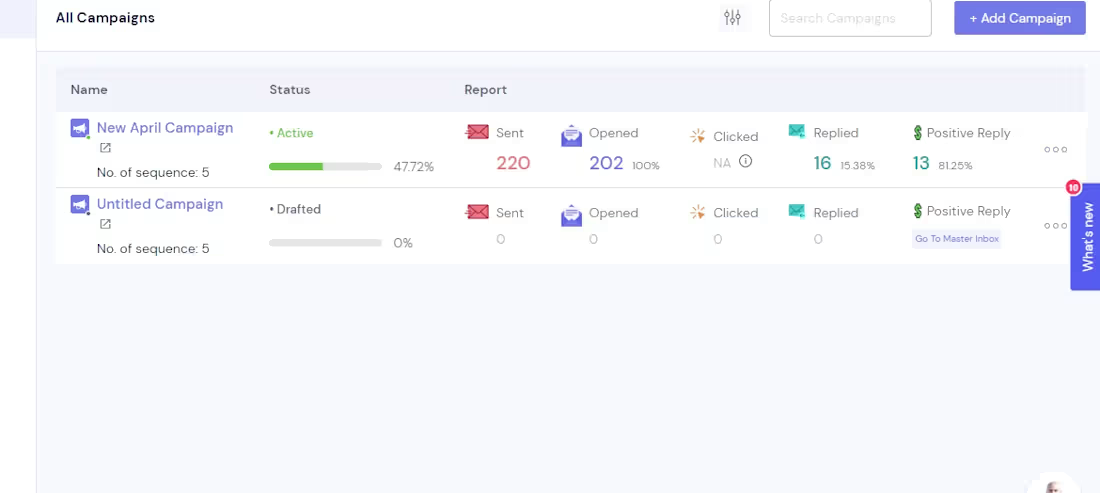
I structured the entire backend, setting up domains and inboxes, configuring SPF/DKIM/DMARC, activating warmup, and implementing inbox rotation to keep sending reputation stable. The goal was to create a scalable system that wouldn’t burn domains.
On the campaign side, I defined the ICP, segmented the list properly, and built the email sequence designed to feel natural and relevant. I focused on short, curiosity-driven emails with low-friction CTAs to increase reply rates.
During execution, I continuously tracked performance metrics (opens, replies, bounces), optimized underperforming steps, and refined targeting based on response patterns.
The outcome was a clean, repeatable outbound engine that consistently generated qualified conversations for the client.
0
69
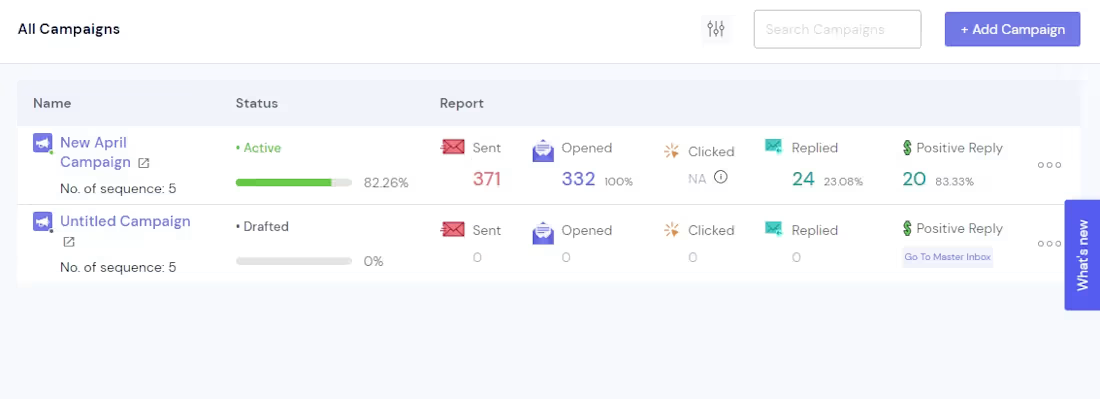
I built the sending infrastructure (multiple inboxes, SPF/DKIM/DMARC, tracking domains, inbox rotation, and warmup) to ensure strong deliverability and long-term domain health.
I cleaned and segmented the lead list, structured personalized sequences, and wrote conversational, non-salesy copy focused on generating replies rather than pushing hard CTAs.
Throughout the campaign, I monitored open rates, reply rates, bounce rates, and inbox health, adjusting volume, copy, and targeting where necessary to maintain performance and scale sustainably.
The result was a structured, optimized system built for consistent booked meetings, not just short-term spikes.
0
67
Cold Email Setup
Email Accounts Creation
Email Copywriting
Campaign Setup
Email Warmup
Email Automation
0
60