
Jeff Smith
Turn broken technical workflows into reliable systems.
New to Contra
Jeff is ready for their next project!
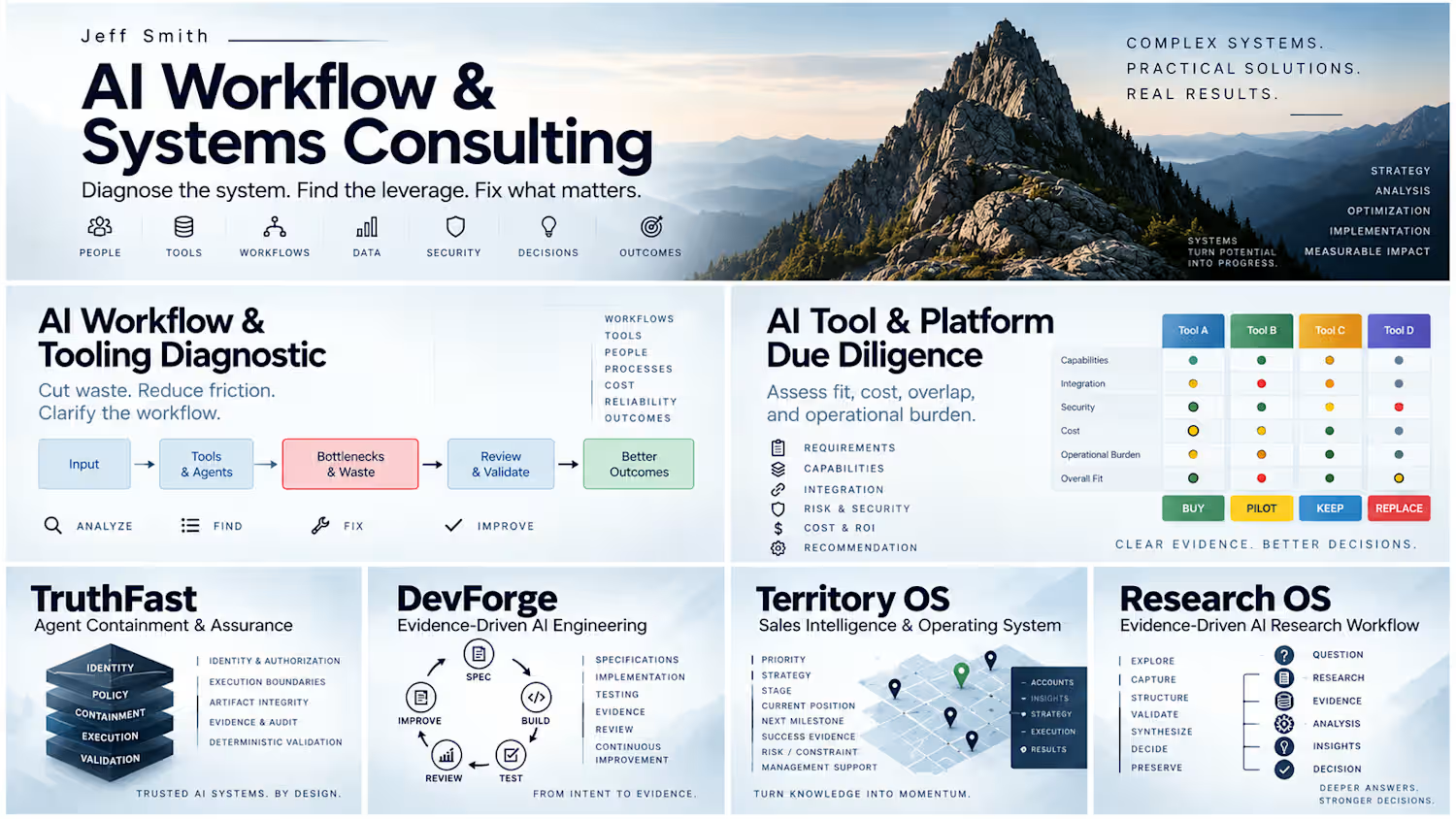
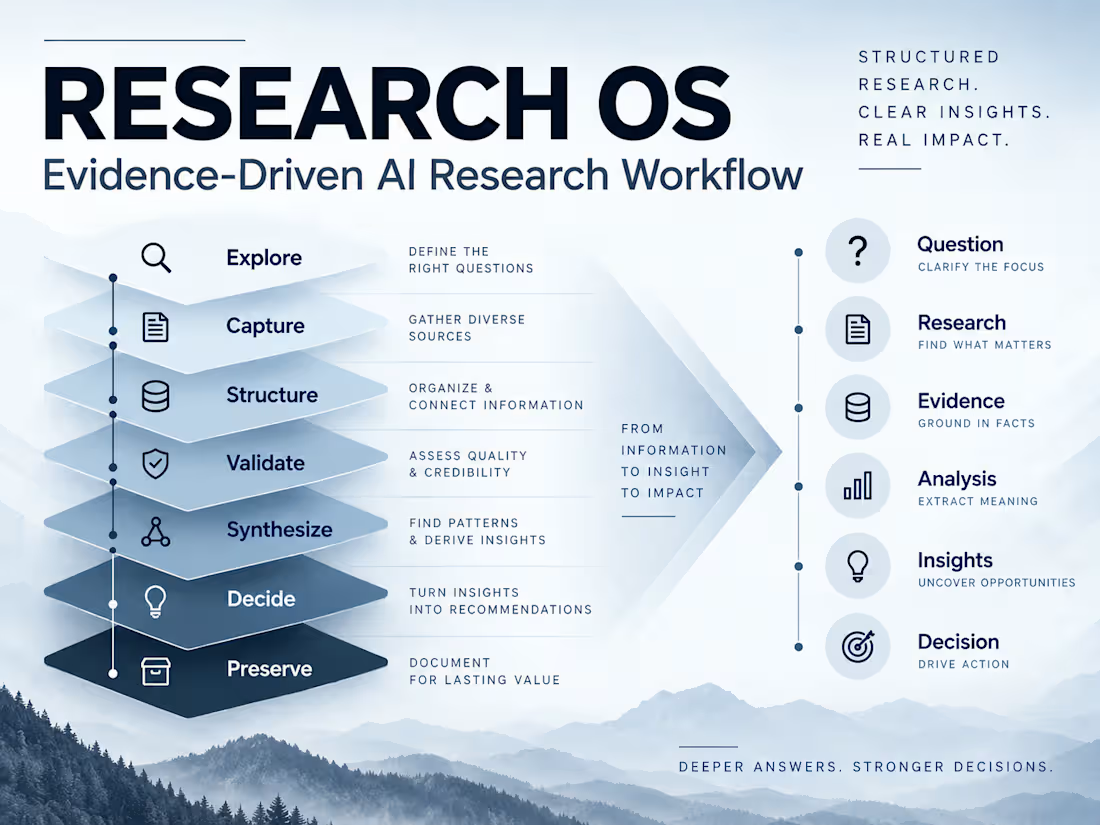
Research OS — Evidence-Driven AI Research Workflow
The problem
AI makes research dramatically faster, but speed creates new problems: duplicated work, unclear authority, unsupported conclusions, model drift, expensive context reconstruction, and findings that become detached from their evidence.
What I built
Research OS is a structured AI-assisted research workflow designed to move from question to evidence to decision while preserving state and provenance.
The system combines:
exploratory research
model routing
structured evidence capture
machine-readable state
staged escalation
independent review where useful
durable research artifacts
explicit closeout and recovery
Local models are used where they are sufficient, with more capable systems deliberately introduced when the task justifies them.
Result
The workflow has been applied across software architecture, technical research, security research, market analysis, and other long-running investigations.
Its purpose is not to automate judgment away. It is to make research easier to resume, inspect, challenge, and reuse.
0
5
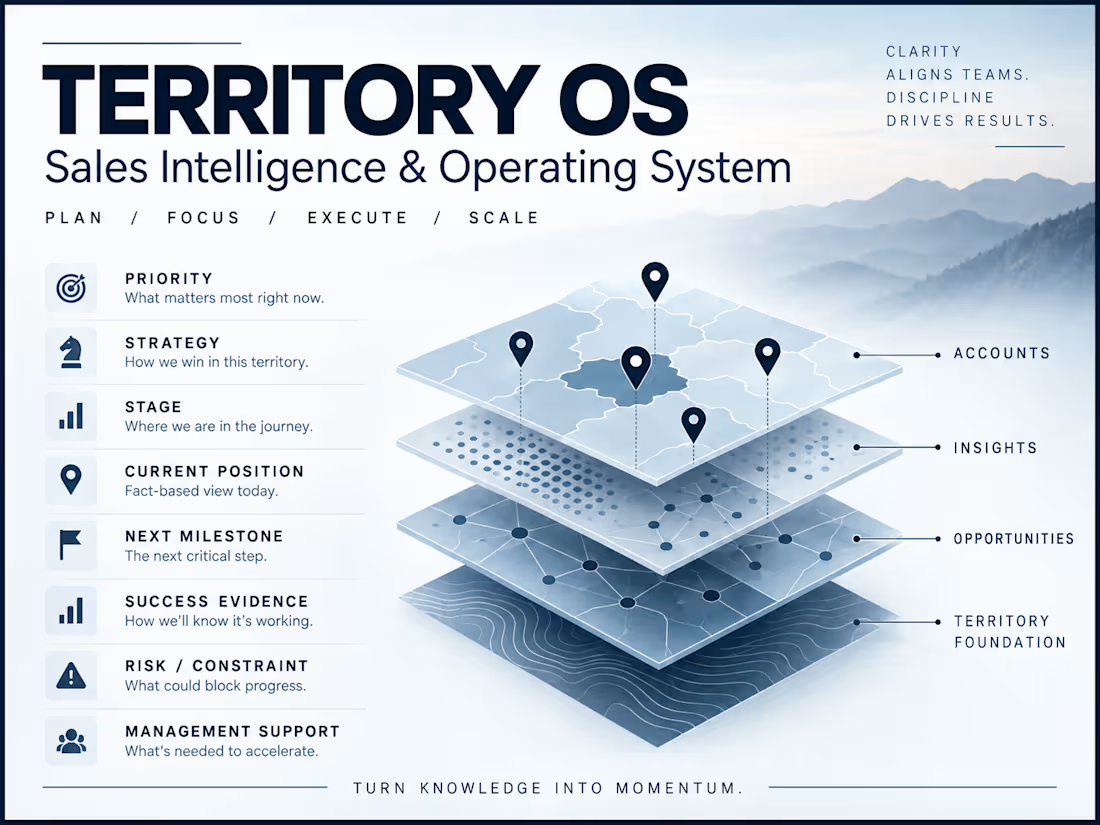
Sales Territory Operating System
Turning Tribal Sales Knowledge Into an Operating System
The problem
Sales territories often live across CRM records, spreadsheets, emails, rep memory, management expectations, and informal knowledge about who actually influences decisions.
That makes prioritization and management visibility inconsistent.
What I built
I created a structured territory-planning system that translated those realities into an actionable operating model.
The framework includes:
Priority
Strategy
Stage
Current Position
Next Milestone
Success Evidence
Risk / Constraint
Management Support
I combined field knowledge with external research and structured the result around decisions and account movement rather than activity logging.
Result
Leadership asked to reuse the approach beyond my individual territory, and the workbook became a company-ready planning format.
This portfolio version uses sanitized or synthetic information and does not expose employer-confidential account data.
0
9
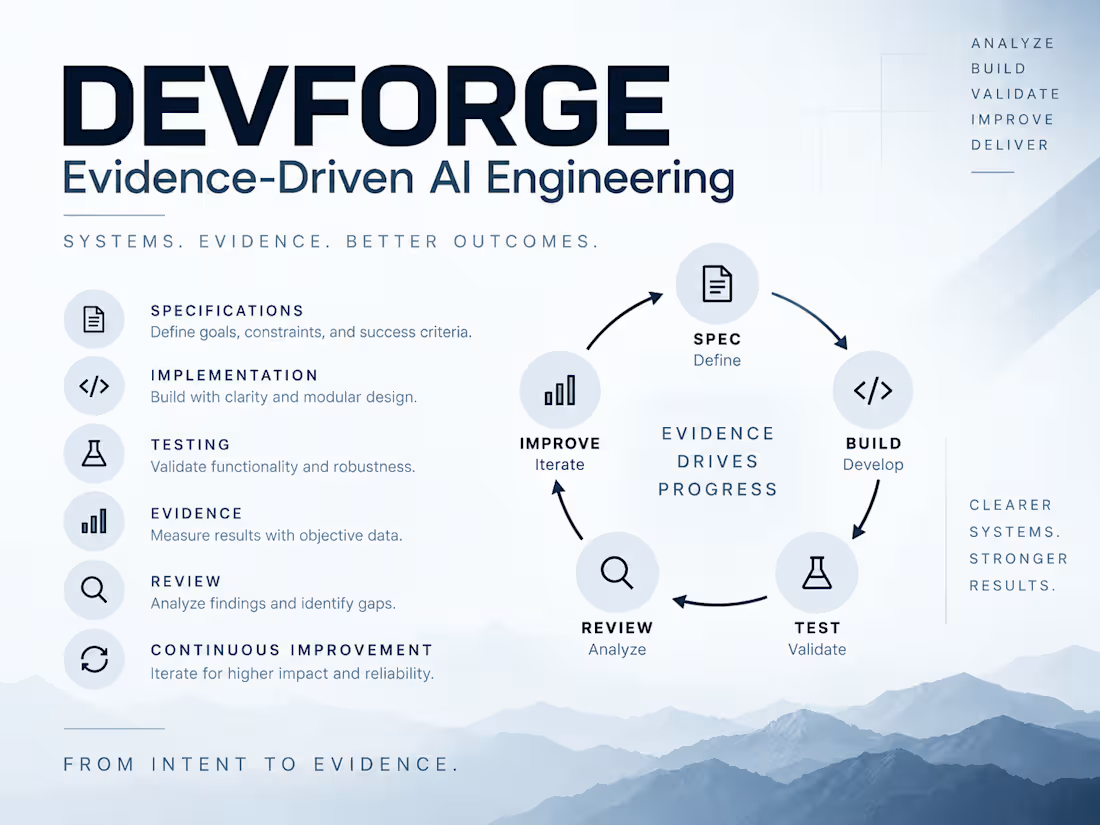
DevForge — Evidence-Driven AI Engineering Assurance System
The problem
AI can generate software quickly. The harder question is whether the implementation actually matches what was intended and whether completion claims deserve to be trusted.
What I’m building
DevForge is an ongoing reference system for AI-assisted engineering assurance.
It explores structured specifications, evidence, execution state, adversarial review, reference transactions, repository analysis, machine-readable state, and explicit separation between implementation claims and independently supported conclusions.
Process
The system is developed through a planner/executor/reviewer workflow:
intent and architecture development
structured specifications
agent implementation
machine-readable return state
testing and runtime evaluation
independent / hostile review
finding-driven implementation refinement
Current state
DevForge remains active work.
I deliberately distinguish implemented functionality from independently validated functionality, reference-system completeness, product readiness, and commercial readiness.
That distinction is part of the system’s design rather than something hidden behind a generic “done” label.
0
15
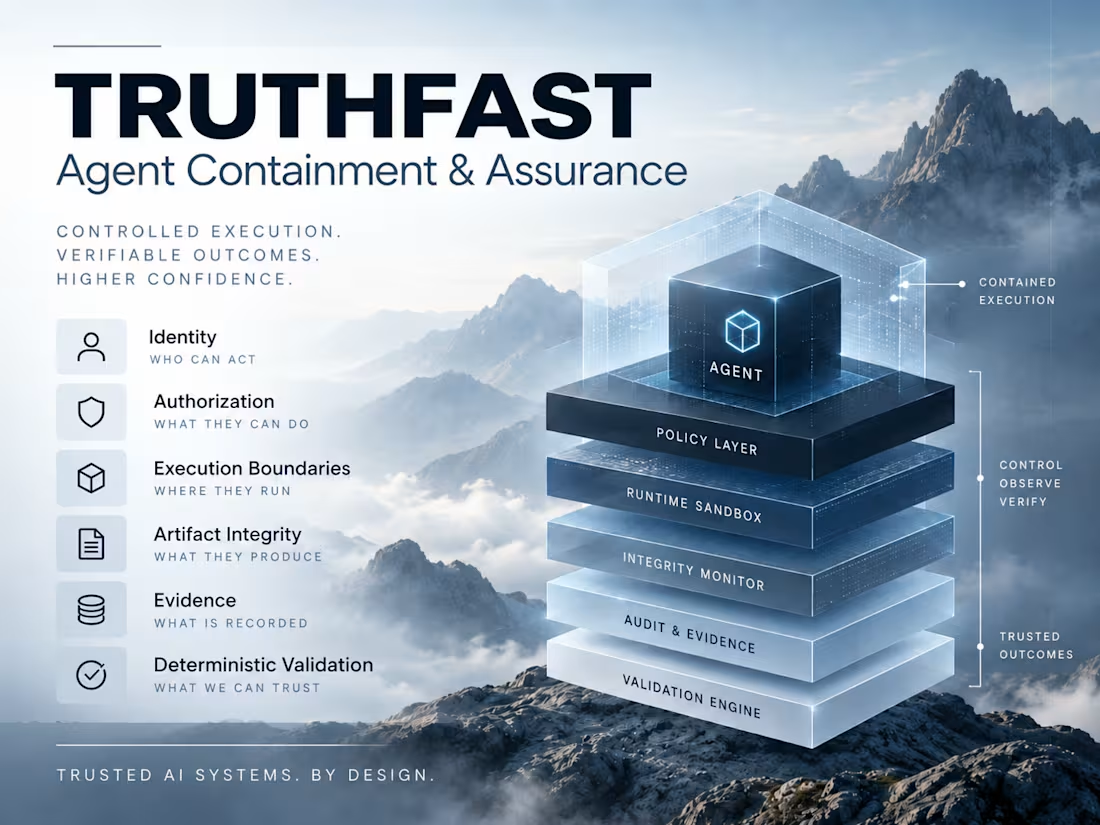
TruthFast — AI Agent Containment & Assurance Reference System
The problem
How can organizations get meaningful benefit from increasingly capable AI agents without simply handing those agents unlimited trust?
What I built
TruthFast is a reference system exploring identity, authorization, containment, artifact integrity, execution boundaries, evidence, and deterministic validation for agentic workflows.
My work centered on problem definition, architecture, specification, AI-agent orchestration, acceptance criteria, runtime evaluation, and repeated adversarial review. Coding agents performed much of the implementation work.
Process
The architecture evolved through multiple generations rather than one-shot implementation.
Design ideas were explored conversationally, progressively formalized into specifications, implemented through coding agents, exercised against real runtime behavior, and challenged through hostile review.
When evidence contradicted the intended architecture, the implementation was repaired, replaced, or redesigned rather than preserved for sunk-cost reasons.
Result
A substantial working reference architecture with repeatable validation and qualified runtime evidence on tested revisions.
TruthFast is intentionally presented as a reference system, not a turnkey enterprise product. A real enterprise deployment would require integration with that organization’s infrastructure, identity systems, operational constraints, and risk model.
0
19