























Additional resources
What Is a Social Media Video EditorCore Responsibilities of Video Editors for Social MediaDifference Between Traditional and Social Media Video EditingPlatform-Specific Editing RequirementsTypes of Video Content for Social MediaShort-Form VideosLong-Form ContentStories and Ephemeral ContentLive Stream HighlightsEducational and Tutorial VideosEssential Skills to Look for When Hiring Video EditorsTechnical Editing ProficiencyMotion Graphics and AnimationColor Grading and CorrectionAudio Editing and MixingPlatform Optimization KnowledgeWhere to Find Social Media Video EditorsProfessional Networks and CommunitiesIndustry-Specific Job BoardsEducational Institutions and Film SchoolsSocial Media Talent PoolsHow to Evaluate Video Editor PortfoliosReviewing Platform-Specific Work SamplesAssessing Creative Range and StyleAnalyzing Technical ExecutionChecking Engagement MetricsInterview Questions for Video Editing CandidatesTechnical Skill Assessment QuestionsCreative Process QuestionsTime Management and Workflow QuestionsCollaboration and Communication QuestionsVideo Editing Tools and Software RequirementsProfessional Editing SoftwareMobile Editing ApplicationsCloud Storage and File ManagementCollaboration and Review PlatformsSetting Expectations and Project ScopeDefining Video DeliverablesEstablishing Revision PoliciesCreating Content CalendarsSetting Quality StandardsCost Considerations for Video Editing ServicesHourly vs Project-Based PricingRegional Rate DifferencesExperience Level and Pricing TiersBudget Planning for Long-Term ProjectsCreating Effective Job DescriptionsKey Components of Video Editor Job PostsRequired vs Preferred QualificationsProject Examples and ExpectationsCompensation and Benefits InformationOnboarding Your New Video EditorBrand Guidelines and Style GuidesAccess to Tools and ResourcesCommunication ProtocolsFirst Project AssignmentsManaging Remote Video EditorsWorkflow Management SystemsPerformance Tracking MethodsFeedback and Review ProcessesBuilding Long-Term Relationships
The landscape of social media has transformed dramatically, with video content now accounting for over 80% of all internet traffic. Businesses seeking to capture audience attention must hire video editors for social media who understand the unique demands of each platform and can create content that drives meaningful engagement.
What Is a Social Media Video Editor
A social media video editor specializes in creating, editing, and optimizing video content specifically for social media platforms. These professionals combine technical editing skills with an understanding of platform algorithms, audience behavior, and brand messaging to produce videos that perform well in competitive social feeds.
Core Responsibilities of Video Editors for Social Media
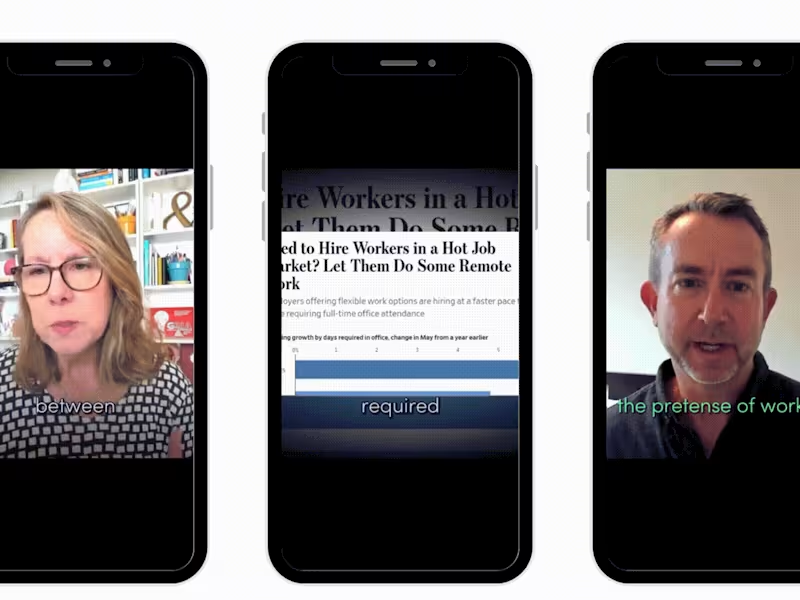
Social media video editors handle multiple responsibilities beyond basic cutting and splicing. They create engaging openings that capture attention within the first three seconds, add dynamic text overlays and captions for silent viewing, and incorporate trending audio elements that align with platform algorithms. These editors also optimize video formats for different platforms, ensuring content appears correctly whether viewed on mobile devices or desktop computers.
Professional video editors manage the entire post-production workflow, including color correction, audio balancing, and motion graphics integration. They coordinate with content creators to maintain brand consistency while adapting messaging for platform-specific audiences. Many editors also track performance metrics to understand which editing techniques drive higher engagement rates.
Difference Between Traditional and Social Media Video Editing
Traditional video editing focuses on longer-form content with established narrative structures, while social media video editing prioritizes immediate impact and platform-specific optimization. Social media editors work with shorter attention spans, typically creating content that delivers value within 15-60 seconds.
The editing pace differs significantly between these approaches. Social media content requires faster cuts, dynamic transitions, and constant visual stimulation to maintain viewer attention. Traditional editing allows for slower builds and more contemplative moments that would cause viewers to scroll past on social platforms.
Technical requirements also vary substantially. Social media editors must understand vertical video formats, safe zones for different screen sizes, and platform-specific compression algorithms that affect video quality during upload.
Platform-Specific Editing Requirements
Each social media platform has unique technical specifications and audience expectations that influence editing decisions. Instagram content performs best with vibrant colors, quick transitions, and text overlays that remain readable on small screens. Stories require vertical orientation and consideration for interactive elements like polls and questions.
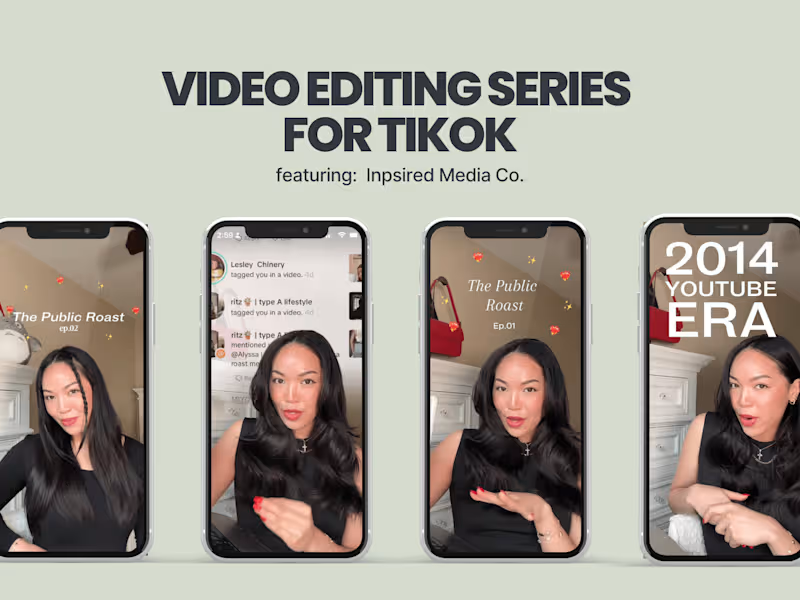
TikTok editing emphasizes trend participation, precise timing with popular audio clips, and creative transitions that feel native to the platform. Editors must understand how to leverage trending effects and sounds while maintaining original brand messaging.
YouTube content allows for longer-form storytelling but requires strong thumbnails, engaging introductions, and strategic pacing to maintain watch time. Editors working on YouTube content focus on retention graphs and audience drop-off points to optimize future videos.
Types of Video Content for Social Media
Understanding different content types helps businesses identify the specific editing skills they need when they hire video editors for social media. Each content category requires different technical approaches and creative considerations.
Short-Form Videos
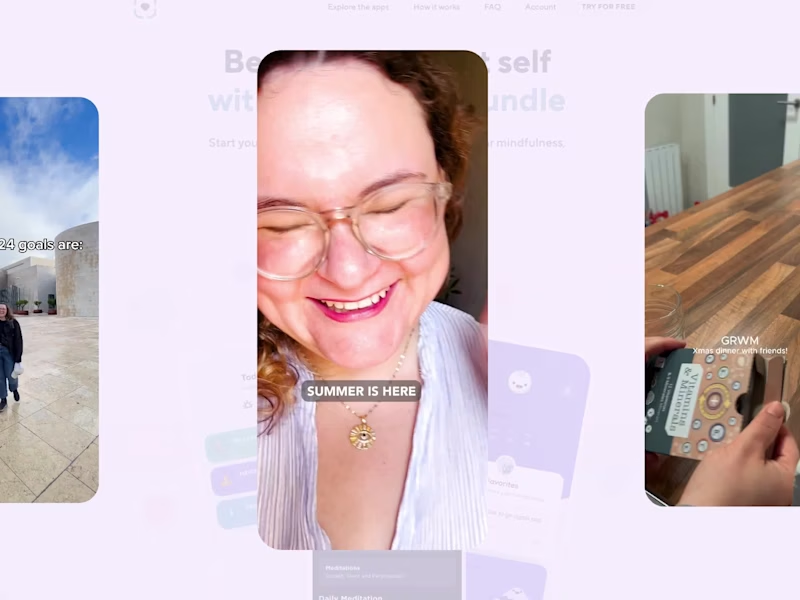
Short-form content includes TikToks, Instagram Reels, and YouTube Shorts that typically run 15-60 seconds. These videos require precise editing to convey complete messages within strict time constraints. Editors must master rapid-fire cutting techniques, seamless transitions, and strategic audio placement to create engaging short-form content.
The editing process for short-form videos emphasizes hook creation, where the first three seconds determine whether viewers continue watching. Successful editors understand how to layer multiple visual elements, including text animations, color overlays, and quick cuts, without overwhelming the viewer.
Long-Form Content
Long-form video content includes YouTube videos, IGTV episodes, and Facebook Watch series that exceed two minutes in length. These pieces require different pacing strategies, with editors building narrative arcs that sustain interest over extended periods.
Editors working on long-form content must understand chapter creation, strategic ad placement timing, and audience retention optimization. They often incorporate multiple camera angles, B-roll footage, and detailed graphics packages that support longer storytelling formats.
Stories and Ephemeral Content
Stories content disappears after 24 hours, allowing for more experimental and behind-the-scenes editing approaches. Editors working on Stories focus on authenticity while maintaining professional quality standards. They often work with vertical formats and incorporate interactive elements that encourage audience participation.
The ephemeral nature of Stories content allows editors to experiment with trending effects, casual editing styles, and real-time content creation. However, they must still maintain brand consistency and quality standards that reflect positively on the organization.
Live Stream Highlights
Live stream highlight editing involves extracting the most engaging moments from longer live broadcasts and reformatting them for different platforms. Editors must identify compelling segments, add context through titles and descriptions, and optimize clips for discovery through search and recommendations.
This type of editing requires understanding live content flow, audience engagement patterns, and how to maintain energy when removing dead time or technical difficulties from original broadcasts.
Educational and Tutorial Videos
Educational content requires clear visual communication, strategic pacing, and effective use of graphics to support learning objectives. Editors working on tutorials must balance information density with engagement, ensuring viewers can follow complex processes while remaining entertained.
These videos often require screen recording integration, detailed graphics creation, and careful audio management to ensure instructional content remains clear and accessible across different viewing environments.
Essential Skills to Look for When Hiring Video Editors
When you hire video editors, specific technical and creative skills determine whether they can successfully create engaging social media content that drives results for your business.
Technical Editing Proficiency
Professional video editing requires mastery of industry-standard software including Adobe Premiere Pro, Final Cut Pro, and DaVinci Resolve. Editors must demonstrate proficiency in timeline management, multi-track editing, and efficient workflow organization that allows for quick turnaround times.
Beyond basic cutting and trimming, skilled editors understand advanced techniques like keyframing, masking, and composite work that enables sophisticated visual effects within social media budgets. They should also demonstrate knowledge of codec optimization and export settings that maintain quality while meeting platform upload requirements.
Motion Graphics and Animation
Modern social media content heavily incorporates animated elements, from simple text reveals to complex motion graphics sequences. Editors should demonstrate proficiency in After Effects or similar animation software to create engaging visual elements that enhance storytelling.
Motion graphics skills include logo animation, lower thirds creation, and kinetic typography that adds visual interest without overwhelming the core message. Editors should understand timing principles that make animations feel natural and engaging rather than distracting.
Color Grading and Correction
Professional color work distinguishes amateur content from polished social media videos. Skilled editors understand color theory, mood creation through grading, and how to maintain consistency across different shooting conditions and equipment.
Color correction involves technical skills like exposure correction, white balance adjustment, and noise reduction. Color grading adds creative elements that support brand identity and emotional messaging through strategic color choices.
Audio Editing and Mixing
Audio quality significantly impacts viewer retention, with poor audio causing immediate viewer drop-off regardless of visual quality. Competent editors demonstrate skills in audio cleanup, level balancing, and strategic music integration that enhances rather than competes with spoken content.
Professional audio work includes understanding compression, EQ, and noise reduction techniques that ensure content sounds professional across different playback devices and environments.
Platform Optimization Knowledge
Effective social media video editors understand technical requirements for different platforms, including aspect ratios, file size limitations, and compression algorithms that affect final video quality. They should demonstrate knowledge of platform-specific best practices that improve content performance.
This knowledge extends to understanding algorithm preferences, optimal posting times, and how technical choices during editing can impact content discovery and engagement rates across different platforms.
Where to Find Social Media Video Editors
Identifying qualified candidates requires understanding where skilled video editors typically showcase their work and seek employment opportunities.
Professional Networks and Communities
Industry-specific communities provide access to editors who specialize in social media content creation. Professional associations, online forums, and specialized networking groups often contain highly skilled editors who understand current trends and platform requirements.
LinkedIn groups focused on video production and social media marketing provide opportunities to connect with experienced professionals who may not actively job hunt but remain open to compelling opportunities.
Industry-Specific Job Boards
Specialized job boards cater specifically to creative professionals and often attract higher-quality candidates than general employment sites. These platforms allow for detailed skill filtering and portfolio review that helps identify candidates with relevant social media experience.
Creative industry job boards typically attract editors who understand the unique demands of social media content creation and can demonstrate platform-specific expertise through their application materials.
Educational Institutions and Film Schools
Recent graduates from film schools and digital media programs often possess current technical skills and fresh creative perspectives that benefit social media content creation. These candidates typically understand modern editing software and current social media trends.
Educational partnerships can provide access to emerging talent who may lack extensive professional experience but demonstrate strong technical foundations and creative potential that develops quickly with proper mentorship.
Social Media Talent Pools
Many skilled editors actively create content on social media platforms, providing direct examples of their capabilities and understanding of platform dynamics. Reviewing editors who create successful content on TikTok, Instagram, or YouTube can identify candidates who truly understand social media audience preferences.
Direct outreach to creators who demonstrate strong editing skills in their personal content can uncover talented editors who may not actively seek traditional employment but could be interested in freelance or contract opportunities.
How to Evaluate Video Editor Portfolios
Portfolio evaluation requires systematic assessment of technical skills, creative capabilities, and platform-specific knowledge that indicates whether candidates can successfully create engaging social media content.
Reviewing Platform-Specific Work Samples
Strong portfolios demonstrate versatility across multiple social media platforms with examples that show understanding of each platform's unique requirements and audience preferences. Look for evidence that editors can adapt their style and technique to match different platform expectations.
Evaluate whether portfolio pieces demonstrate proper aspect ratios, appropriate pacing for each platform, and effective use of platform-specific features like hashtags, captions, and interactive elements that drive engagement.
Assessing Creative Range and Style
Portfolio diversity indicates an editor's ability to work with different brands, audiences, and content types. Look for examples that demonstrate range in mood, pacing, and visual style while maintaining professional quality standards across different projects.
Creative assessment should include evaluation of storytelling ability, visual composition, and innovative use of editing techniques that create memorable content without relying on expensive production elements.
Analyzing Technical Execution
Technical evaluation focuses on video quality, audio clarity, and professional finishing that distinguishes polished content from amateur work. Assess color consistency, smooth transitions, and attention to detail that indicates professional editing standards.
Review export quality and compression choices that maintain visual fidelity while meeting platform requirements. Technical proficiency should be evident in clean cuts, proper audio levels, and graphics integration that enhances rather than detracts from content quality.
Checking Engagement Metrics
When possible, review performance data for portfolio pieces to understand whether the editor's work actually drives audience engagement and achieves business objectives. High view counts, engagement rates, and audience retention indicate practical understanding of what resonates with social media audiences.
Engagement metrics provide objective evidence of editing effectiveness beyond subjective creative assessment. However, consider that performance depends on multiple factors including content strategy, posting timing, and audience development that extend beyond editing quality.
Interview Questions for Video Editing Candidates
Structured interviews help identify candidates who possess both technical capabilities and soft skills necessary for successful social media video production collaboration.
Technical Skill Assessment Questions
Technical interviews should explore specific software proficiency, workflow efficiency, and problem-solving abilities that indicate whether candidates can handle typical social media editing challenges. Ask candidates to describe their approach to common technical problems like audio sync issues, color matching between different cameras, or optimizing large files for social media upload.
Request specific examples of how they've handled technical limitations, such as working with poor source footage or tight deadline constraints that require efficient workflow management and creative problem-solving.
Creative Process Questions
Understanding a candidate's creative approach helps predict whether they can develop engaging content that aligns with brand objectives and audience preferences. Explore how they approach story development, pacing decisions, and visual style choices that support content goals.
Ask candidates to describe how they stay current with social media trends and incorporate new techniques or effects into their work while maintaining brand consistency and professional quality standards.
Time Management and Workflow Questions
Social media content creation often involves tight deadlines and multiple simultaneous projects that require excellent organizational skills and efficient workflow management. Assess how candidates prioritize tasks, manage revision cycles, and communicate progress on multiple projects.
Explore their experience with collaborative workflows, file management systems, and communication tools that facilitate smooth project coordination with content creators, marketers, and other team members.
Collaboration and Communication Questions
Effective video editing for social media requires strong collaboration skills, as editors typically work closely with content creators, social media managers, and marketing teams to achieve shared objectives. Assess candidates' ability to interpret creative briefs, incorporate feedback constructively, and communicate technical limitations or suggestions clearly.
Understanding how candidates handle creative differences, manage revision requests, and maintain positive working relationships indicates whether they can integrate successfully into existing team dynamics.
Video Editing Tools and Software Requirements
Providing appropriate tools and software access ensures hired editors can work efficiently and produce professional-quality content that meets social media platform requirements.
Professional Editing Software
Industry-standard software like Adobe Premiere Pro provides the advanced features necessary for professional social media content creation. Subscription costs typically range from $20-50 monthly per user, representing a worthwhile investment for consistent, high-quality output.
Final Cut Pro offers an alternative for Mac-based workflows, with a one-time purchase price that can be more economical for long-term use. Consider software preferences when hiring, as editor familiarity with specific platforms affects productivity and learning curves.
Mobile Editing Applications
Mobile editing apps enable quick content creation and on-the-go editing that supports responsive social media strategies. Apps like CapCut, InShot, and Adobe Premiere Rush provide professional capabilities optimized for mobile workflows and direct social media publishing.
Mobile editing capabilities become particularly valuable for time-sensitive content, behind-the-scenes material, and situations where desktop editing access isn't available but content needs remain urgent.
Cloud Storage and File Management
Reliable cloud storage systems facilitate collaboration, backup protection, and remote access that supports flexible working arrangements. Services like Google Drive, Dropbox, or dedicated media storage solutions ensure project files remain accessible and secure.
File management systems should accommodate large video files, version control, and collaborative access that allows multiple team members to review and provide feedback on work-in-progress projects.
Collaboration and Review Platforms
Specialized review platforms streamline the feedback and approval process, reducing email confusion and ensuring clear communication about revision requests. Tools like Frame.io or Wipster provide timestamped commenting, version comparison, and approval workflows that improve project efficiency.
Collaboration tools should integrate with existing project management systems and communication platforms to create seamless workflows that minimize administrative overhead and maximize creative productivity.
Setting Expectations and Project Scope
Clear expectations and well-defined project scope prevent misunderstandings and ensure successful collaboration between businesses and freelance video editors.
Defining Video Deliverables
Specific deliverable definitions should include video length, aspect ratios, export formats, and any additional elements like captions, thumbnails, or alternative versions for different platforms. Clear specifications prevent scope creep and ensure editors understand exactly what they need to produce.
Deliverable specifications should also address technical requirements like resolution, frame rates, and file naming conventions that facilitate smooth integration with existing content management and publishing workflows.
Establishing Revision Policies
Revision policies protect both parties by defining how many rounds of changes are included in project pricing and what constitutes major versus minor revisions. Clear policies prevent unlimited revision cycles that can damage project profitability and timeline adherence.
Effective revision policies should distinguish between creative feedback, technical corrections, and scope changes that require additional compensation or timeline adjustments.
Creating Content Calendars
Content calendars help editors understand project timing, seasonal requirements, and how individual videos fit into broader marketing strategies. Regular scheduling provides editors with advance notice that enables better planning and resource allocation.
Calendar coordination should include buffer time for revisions, approval processes, and potential delays that could affect publication schedules or campaign timing.
Setting Quality Standards
Quality standards should address technical minimums for resolution, audio clarity, and visual consistency while allowing creative flexibility that enables engaging content creation. Standards should be specific enough to ensure professional output without being so restrictive that they limit creative problem-solving.
Quality guidelines should also address brand compliance, content appropriateness, and performance expectations that align editor output with business objectives and audience expectations.
Cost Considerations for Video Editing Services
Understanding pricing structures and cost factors helps businesses budget appropriately and make informed decisions when they hire video editors for social media projects.
Hourly vs Project-Based Pricing
Hourly pricing provides flexibility for variable-scope projects but can create uncertainty around total project costs. Rates typically range from $25-100+ per hour depending on editor experience, location, and project complexity.
Project-based pricing offers cost predictability and allows editors to work efficiently without hourly pressure. Fixed pricing works best for well-defined projects with clear deliverables and limited revision requirements.
Regional Rate Differences
Geographic location significantly affects pricing, with editors in major metropolitan areas typically commanding higher rates than those in smaller markets or international locations. Remote work capabilities allow businesses to access talent from different regions while managing budget constraints.
International hiring can provide cost savings while accessing skilled talent, though considerations around time zones, communication, and cultural differences may affect project coordination and workflow efficiency.
Experience Level and Pricing Tiers
Entry-level editors may charge $15-30 per hour while senior professionals with extensive social media experience command $50-100+ hourly rates. Experience levels should align with project complexity and quality requirements.
Mid-level editors often provide the best value combination of skill and affordability for most social media projects, offering professional quality without premium pricing associated with top-tier talent.
Budget Planning for Long-Term Projects
Long-term engagements often benefit from retainer arrangements that provide editors with income predictability while offering businesses priority access and potentially discounted rates. Monthly retainers typically range from $1,000-10,000 depending on content volume and complexity.
Budget planning should account for seasonal variations, campaign-specific requirements, and potential scope expansion that may affect ongoing costs and resource requirements.
Creating Effective Job Descriptions
Well-crafted job descriptions attract qualified candidates while clearly communicating expectations and requirements for social media video editing positions.
Key Components of Video Editor Job Posts
Effective job descriptions should specify the types of content editors will create, platforms they'll work with, and technical requirements for the role. Include information about content volume, typical project timelines, and collaborative expectations that help candidates assess fit.
Job posts should balance specificity with flexibility, providing enough detail to attract qualified candidates while remaining open to diverse backgrounds and creative approaches that could benefit the organization.
Required vs Preferred Qualifications
Distinguish between essential skills that candidates must possess and preferred qualifications that would be beneficial but not mandatory. This approach expands the candidate pool while ensuring minimum competency requirements are met.
Required qualifications typically include software proficiency, portfolio examples, and basic technical skills, while preferred qualifications might include specific platform experience, industry knowledge, or additional creative capabilities.
Project Examples and Expectations
Concrete project examples help candidates understand the type of work they'll be doing and assess whether their skills and interests align with role requirements. Include typical project timelines, collaboration expectations, and performance metrics that indicate success.
Project descriptions should represent the actual work candidates will perform rather than idealized scenarios that may not reflect day-to-day responsibilities and challenges.
Compensation and Benefits Information
Transparent compensation information attracts serious candidates and reduces time spent on applications from candidates whose expectations don't align with available budgets. Include salary ranges, payment terms, and any additional benefits or perks.
Compensation transparency also demonstrates professionalism and respect for candidates' time, potentially improving the organization's reputation within the creative community and increasing application quality.
Onboarding Your New Video Editor
Effective onboarding ensures new video editors can contribute productively while understanding organizational expectations and brand requirements.
Brand Guidelines and Style Guides
Comprehensive brand guidelines should address visual style preferences, tone of voice, color palettes, and any content restrictions that affect editing decisions. Style guides help editors maintain consistency across different projects and platforms.
Brand documentation should include examples of successful content, preferred aesthetics, and guidelines for representing the organization's values and messaging through visual choices and editing techniques.
Access to Tools and Resources
New editors need access to software licenses, asset libraries, stock footage subscriptions, and any specialized tools required for their role. Coordinate access setup before their start date to ensure productive first days.
Resource access should include training materials, tutorial subscriptions, and internal documentation that helps editors understand organizational workflows and technical requirements.
Communication Protocols
Clear communication guidelines should address preferred contact methods, response time expectations, meeting schedules, and escalation procedures for urgent issues or questions that arise during projects.
Communication protocols should also establish feedback processes, approval workflows, and collaborative tools that facilitate smooth project coordination and minimize misunderstandings.
First Project Assignments
Initial projects should be appropriately scoped to allow new editors to demonstrate their capabilities while learning organizational preferences and workflows. Start with smaller, less critical projects that provide learning opportunities without risking important deadlines.
First assignments should include clear success criteria, available support resources, and feedback mechanisms that help new editors adjust to organizational expectations and standards.
Managing Remote Video Editors
Remote work arrangements require specific management approaches that ensure productivity, quality, and positive working relationships with distributed video editing teams.
Workflow Management Systems
Project management tools help coordinate remote work by providing visibility into project status, deadline tracking, and resource allocation across multiple simultaneous projects. Systems should accommodate file sharing, collaboration, and communication needs.
Workflow systems should integrate with existing organizational tools while providing editors with clear task assignments, priority guidance, and progress tracking capabilities that support autonomous work.
Performance Tracking Methods
Remote performance tracking should focus on output quality, deadline adherence, and collaborative effectiveness rather than activity monitoring that can damage trust and creativity. Establish clear metrics that align with business objectives.
Performance evaluation should include both quantitative measures like project completion rates and qualitative assessment of creative contribution, problem-solving, and team collaboration that contribute to overall success.
Feedback and Review Processes
Structured feedback processes ensure remote editors receive guidance and recognition that supports professional development and job satisfaction. Regular check-ins should address both project-specific feedback and broader performance discussion.
Review processes should be consistent, constructive, and focused on specific examples that help editors understand expectations and improve their contribution to organizational objectives.
Building Long-Term Relationships
Successful remote relationships require intentional relationship building through regular communication, recognition of good work, and investment in editor success and professional development. Long-term thinking benefits both parties through improved collaboration and reduced turnover.
Relationship building should include opportunities for editors to contribute ideas, participate in strategic discussions, and grow their responsibilities within the organization as their skills and understanding develop.