
Esha Rajput
|SEO Content Writer | Blogs & Website Content| copywriting|




Copywriting Sample for a Vitamin C Skincare Product
1
0
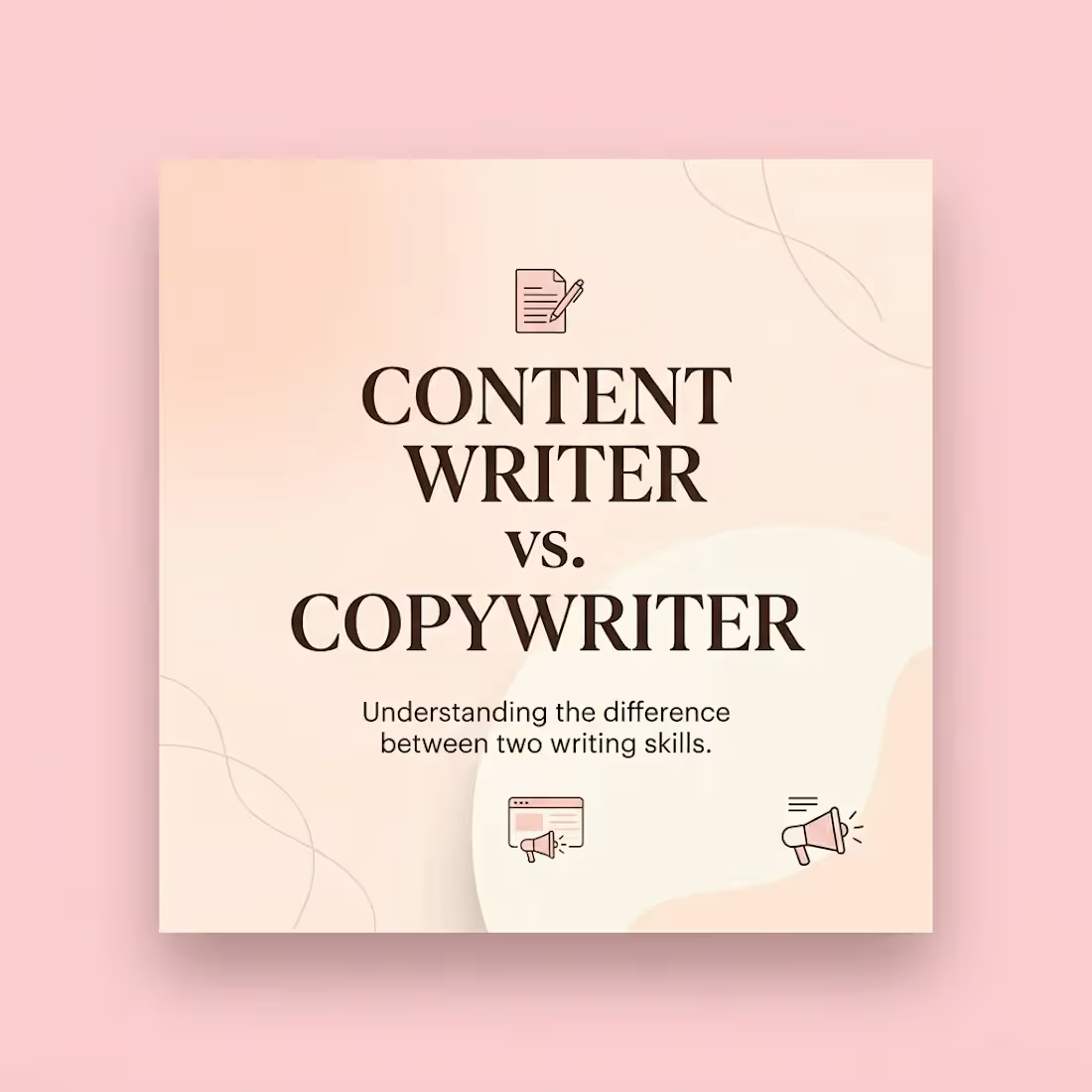
Content Writer vs. Copywriter: What's the Difference?
People often use these two terms interchangeably, but they serve different purposes.
Both involve writing, but the goal behind the writing is different.
1. Content Writer ✍️
A content writer creates useful and informative content to educate readers, answer questions and build trust.
Examples:
Blog posts and articles
Website guides
Educational social media posts
Informative newsletters
Main goal: Give readers valuable information.
2. Copywriter 📝
A copywriter writes words that encourage people to take action. That action could be buying a product, signing up for a service or contacting a business.
Examples:
Product descriptions
Website sales pages
Advertising captions
Email marketing campaigns
Promotional content
Main goal: Encourage readers to take action.
Let's understand with one example.
Imagine a skincare brand launching a new moisturiser.
A content writer might write:
"5 Benefits of Using a Moisturiser Every Day"
A copywriter might write:
"Give Your Skin the Care It Deserves. Try Our New Moisturiser Today!"
See the difference?
One focuses on informing the audience, while the other focuses on encouraging a decision.
Can someone do both?
Absolutely!
Businesses need both types of writing. Content helps people understand a brand, while copy helps turn interest into action.
The takeaway: Good content builds trust. Good copy encourages action. And both can help a business grow.
7
6
786
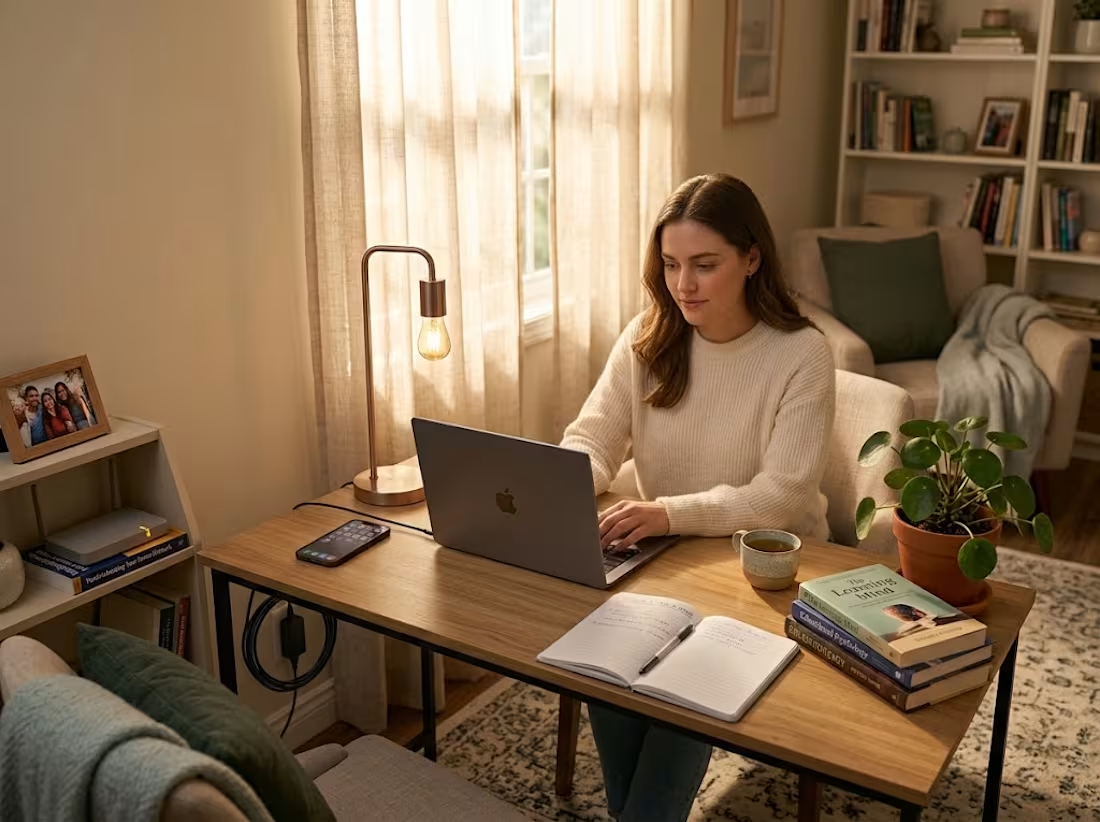
Online Learning: Benefits and Challenges
Online learning has become a common way to study. Students can now attend classes, watch lessons, and learn new skills without being in a traditional classroom. All they need is a device and an internet connection.
But is online learning better than traditional education? There is no simple answer. Online learning has several benefits, but it also has some challenges.
Benefits of Online Learning
Flexible Learning
One of the biggest advantages of online learning is flexibility. Students can often choose when and where they study. This is useful for people who have busy schedules or other responsibilities.
Recorded lessons are also helpful because students can pause and replay them whenever they need to review something.
More Learning Resources
The internet gives students access to a huge amount of educational content. They can find online courses, videos, digital books, practice exercises, and articles on almost any subject.
Students can also learn things that may not be available at their school or college.
Learn at Your Own Pace
Everyone learns differently. Some students understand a topic quickly, while others need more time and practice.
Online learning allows students to review difficult lessons and move forward when they feel ready. This can make learning less stressful and more comfortable.
Challenges of Online Learning
Staying Focused
Studying from home sounds convenient, but it can be difficult to stay focused. Social media, entertainment, household activities, and other distractions can easily take attention away from studying.
Having a simple study schedule can help students stay on track.
Technology Problems
Online education depends heavily on technology. A poor internet connection, power outage, or problems with a phone or computer can interrupt a lesson.
Not everyone also has access to a reliable device or fast internet, which can make online learning difficult for some students.
Less Face-to-Face Interaction
Traditional classrooms give students the opportunity to talk directly with teachers and classmates. Online classes can sometimes feel less personal.
Although video calls, group discussions, and online communities can provide interaction, they may not feel the same as being in a classroom.
How to Make Online Learning Easier
Students can make online learning more effective by following a few simple habits. Setting a regular study time, keeping notes, taking short breaks, and completing assignments on time can make a big difference.
It is also important to use trustworthy educational websites and check information before accepting it as true.
Conclusion
Online learning makes education more flexible and gives students access to many useful resources. At the same time, distractions, technology problems, and limited face-to-face interaction can create challenges.
The best approach is to use online learning in a way that suits your needs. With a good routine and reliable resources, students can make the most of what online education has to offer.
1
3
362
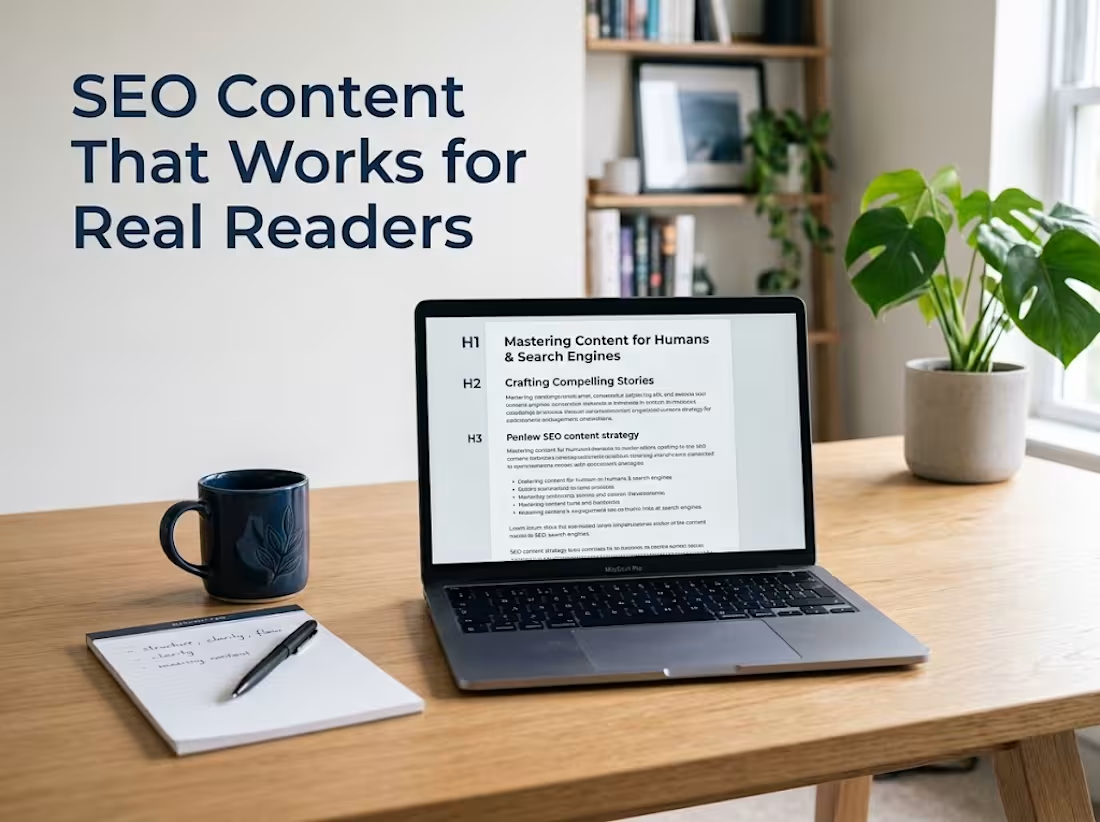
SEO content shouldn't feel forced.
When someone finds a blog through Google, they should be able to find the answer they were looking for without having to fight through unnecessary words or awkward keywords.
That’s why I focus on creating content that is:
• Clear and easy to follow
• Naturally written
• Useful to the reader
• Organized with a simple structure
• Optimized without overusing keywords
I believe good SEO writing starts with the reader. Keywords matter, but they shouldn't take away from the actual content.
Whether it’s a blog post, website article, or informational piece, I aim to make every paragraph useful and easy to read.
Need SEO content that feels natural? Let’s work together.
0
86