
Emmanuel Onyia
Pro Product Designer, i offer quality products at best price


I turned a Figma design into a live, fully functional dashboard in seconds. Not hours. Not a sprint. Seconds.
Here's what changed:
I've been pairing Claude 4.6 with Figma Make in my design workflow and the gap between design handoff and working UI just collapsed.
What used to eat up days of back-and-forth ("why does this card look off?", "can you fix the hover state?", "the spacing is wrong again") now ships pixel-perfect on the first pass.
→ All UX and Interactions are very much Intact.
→ And the code quality is Structured well enough to ship.
This workflow fixes the endless redlines, "That's not what we designed" moment.
2
2
113
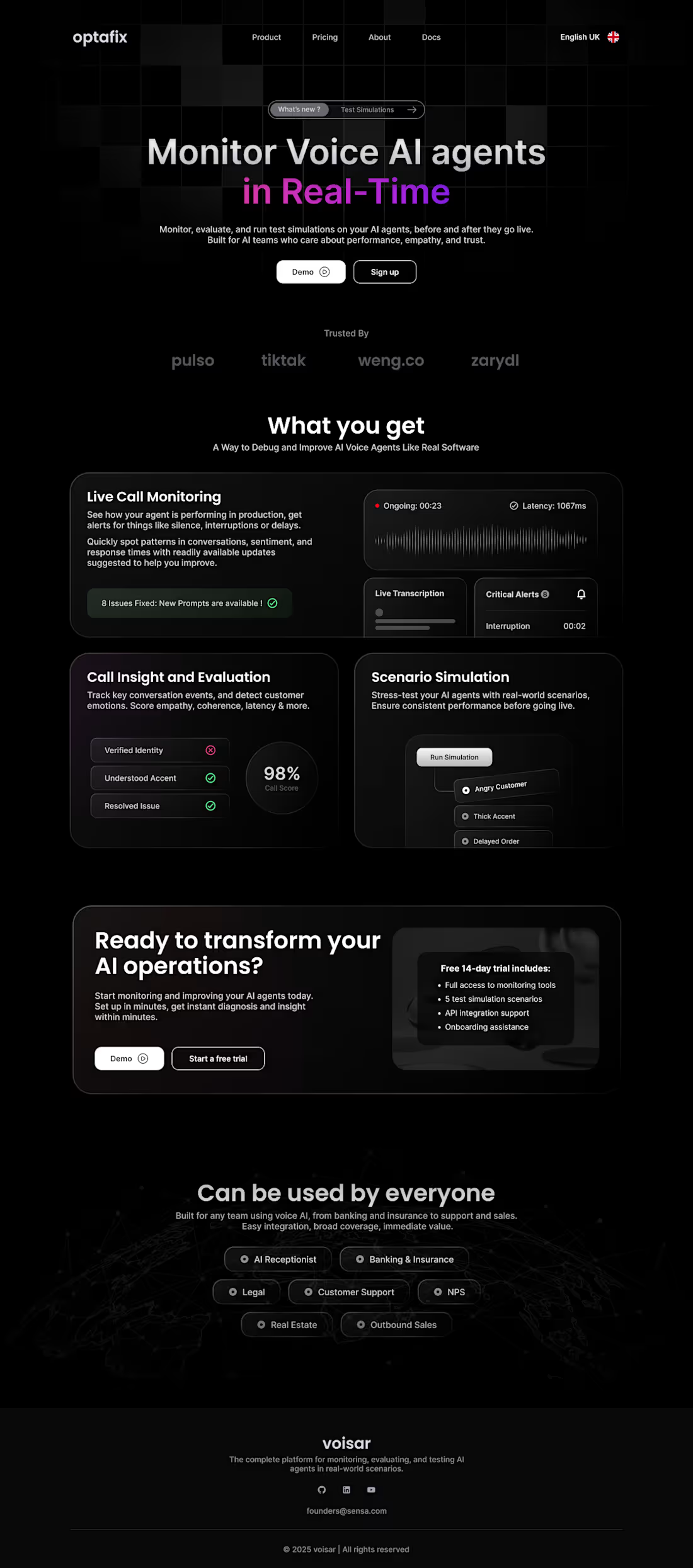
OPtafix is an AI agent observatory and optimization product.
It's live on
https://www.optafix.com
https://www.behance.net/gallery/241351063/Optafix View the full case study for this project on Behance
1
70

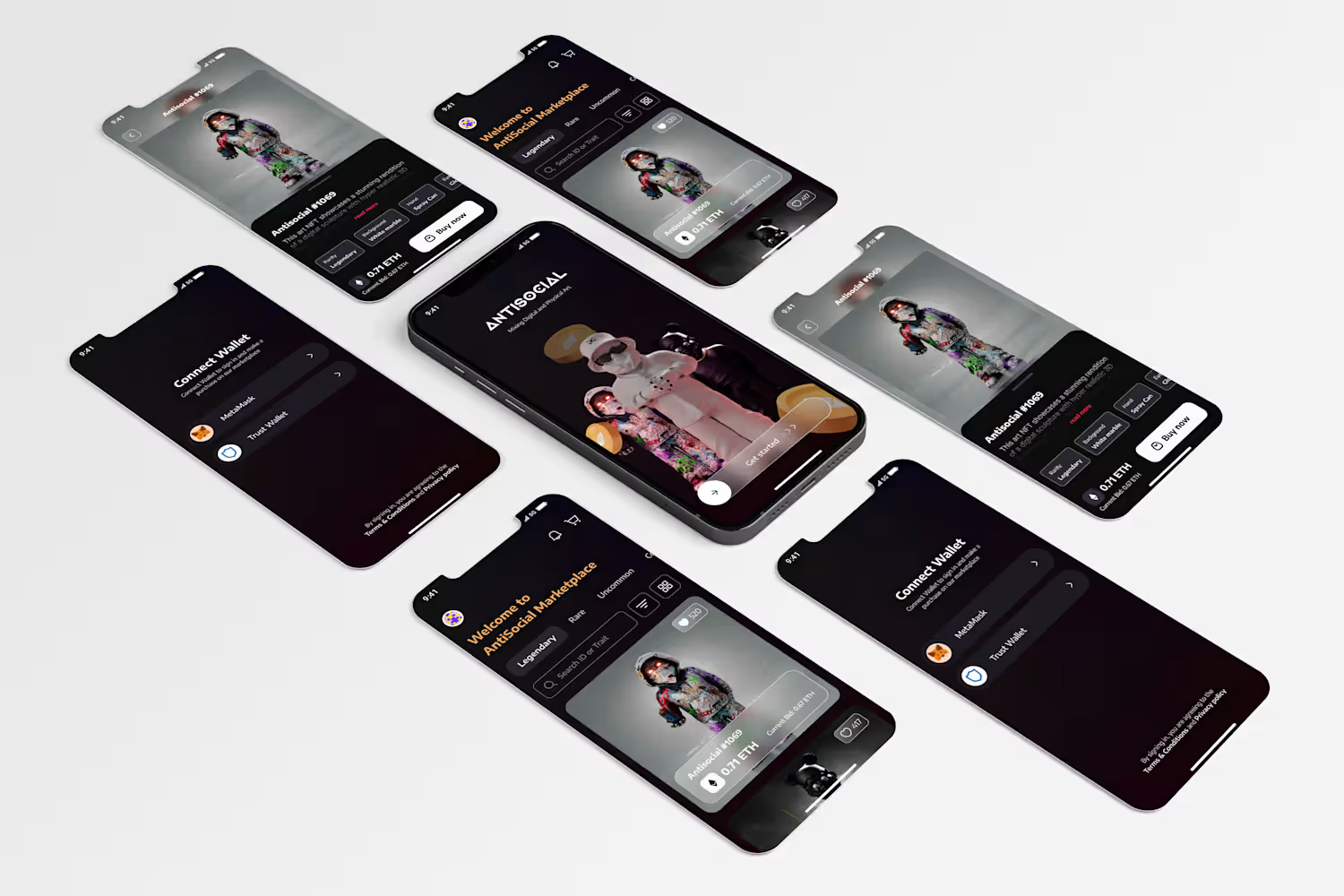
Anti-social GG NFT store
https://www.behance.net/gallery/181746353/Antisocial-GG View the full case study for this project on Behance
0
52
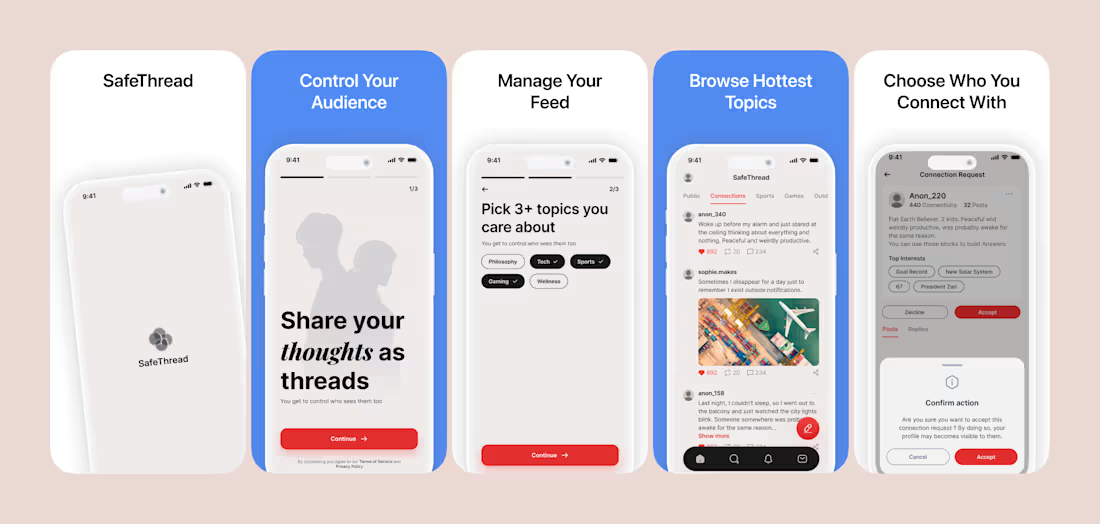
SafeThread is a mobile app for sharing short, structured threads. It focuses on clarity and meaningful interaction, not likes or algorithms. Users can post and interact anonymously, connecting with people worldwide without revealing identity.
View the full case study for this project on Behance: https://www.behance.net/gallery/241345251/SafeThread
1
3
136