
Why JWT isn't enough to secure your app
When I first started building authentication systems, I
thought:
"If I'm using JWT, my app is secure."
I was wrong.
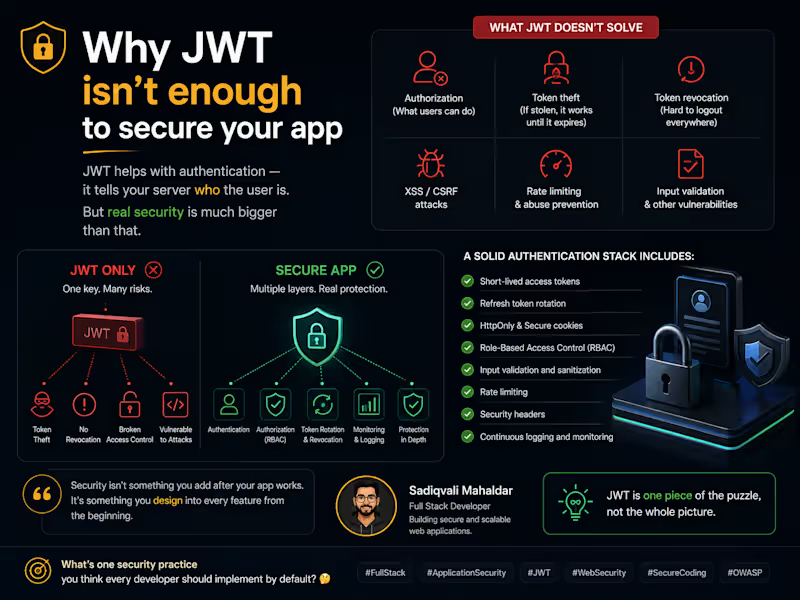
JWT solves authentication—it tells your server who
the user is.
It doesn't automatically solve:
Authorization (What is the user allowed to do?)
Token theft
Token revocation after logout
XSS or CSRF attacks
Rate limiting
Input validation
Secure storage of tokens
A secure application is built with layers, not a
single technology.
Here's what I consider a solid authentication stack:
Short-lived access tokens
Refresh token rotation
HttpOnly & Secure cookies
Role-Based Access Control (RBAC)
Input validation and sanitization
Rate limiting
Security headers
Continuous logging and monitoring
One lesson I've learned:
Security isn't something you add after your app works.
It's something you design into every feature from the beginning.
JWT is one piece of the puzzle—not the whole picture.
What's one security practice you think every full-stack
developer should implement by default?
0
273
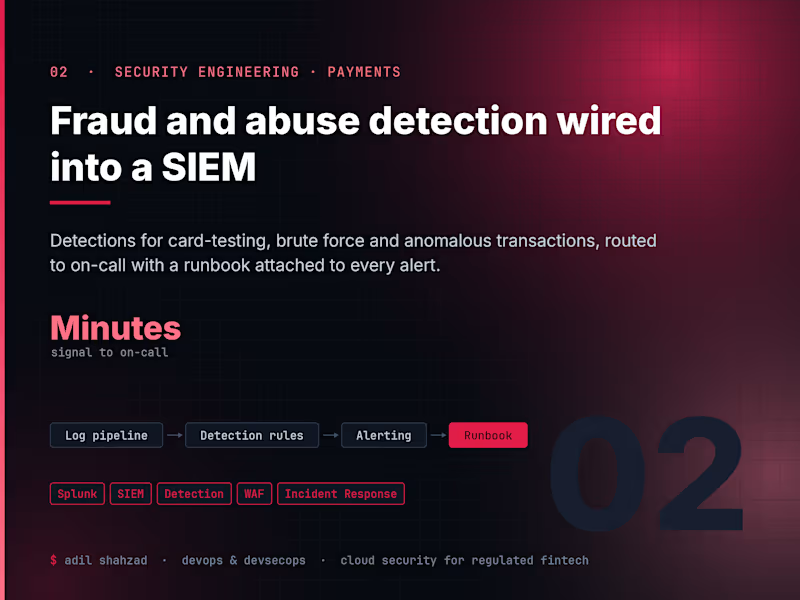
Fraud and abuse detection wired into a SIEM
Card-testing and brute-force detection routed to on-call with a runbook attached to every alert.
Who it was for: A payments platform exposed to automated card-testing traffic.
The problem. Automated enumeration against payment endpoints is both a fraud loss and an availability threat, and it doesn't announce itself. Without detection it looks like ordinary traffic until the chargebacks arrive.
What I did. Built the log pipeline into the SIEM, then wrote detections for card-testing patterns, brute force and anomalous transaction behaviour. Tuned edge rate-limiting and bot controls to cut volume at the perimeter. Every alert routes to on-call with a runbook attached, so whoever is paged at 3am has the next step in front of them.
The result. Repeat attempts are caught as they start rather than reconstructed afterward, and response is a documented procedure instead of improvisation.
0
62
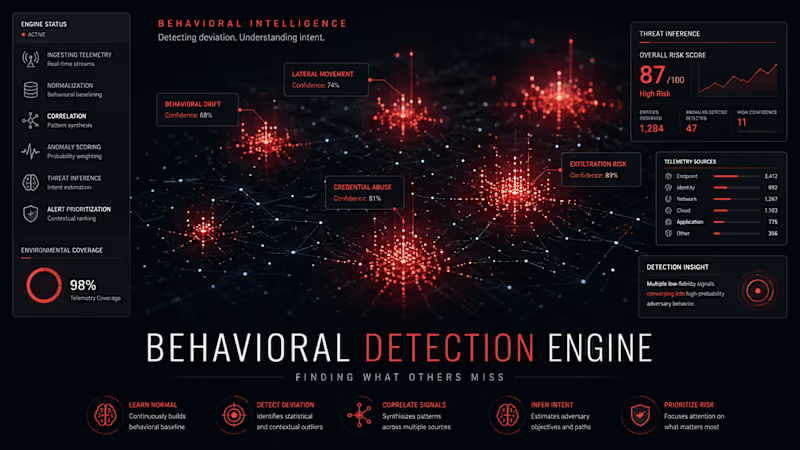
Developed a behavioral analysis system mapping raw telemetry directly to MITRE ATT&CK frameworks to provide high-fidelity security signals. By isolating suspicious activities and anomalous behaviors, this architecture drastically reduces false positives and provides security teams with actionable, verified intelligence for immediate threat mitigation.
Enterprise Stack Deployed: Microsoft Sentinel, CrowdStrike Falcon, Elastic Security.
0
85

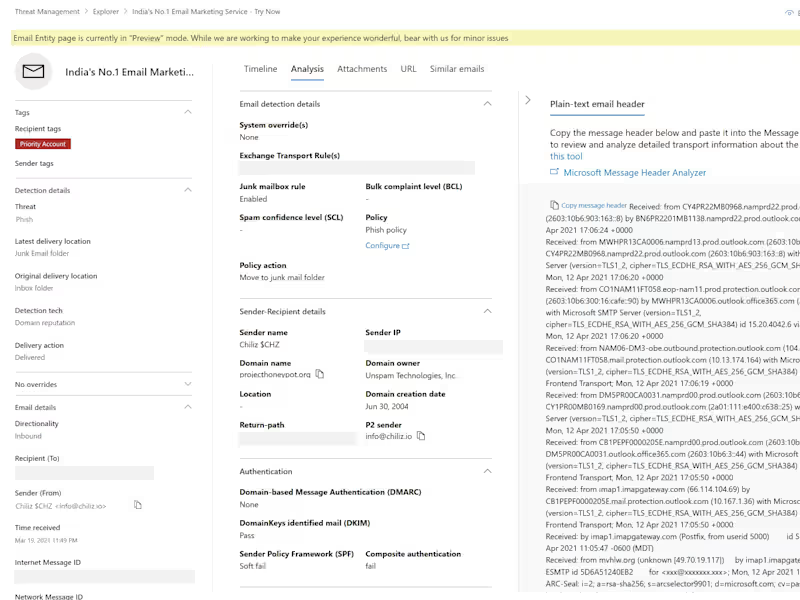

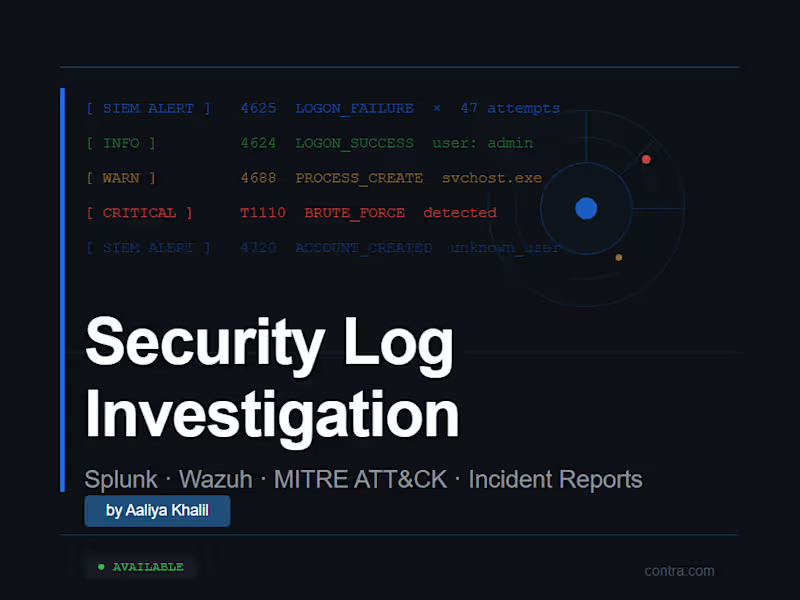
Most small IT teams collect logs but never actually investigate them. That's exactly what attackers count on.
Over the past several months, I've been building hands-on SOC skills — analyzing Windows Event Logs, running SIEM investigations in Splunk and Wazuh, and reconstructing full attack timelines across ransomware, brute-force, and phishing scenarios.
Here's what I've learned: logs don't lie. Every failed login attempt, every unauthorized account creation, every suspicious process execution leaves a trace. The challenge is knowing where to look and how to connect the dots.
Some things I can help you identify from your logs:
• Brute-force attack patterns and successful compromise indicators
• Unauthorized account creation and credential manipulation
• Suspicious authentication anomalies and privilege escalation attempts
• Attack timelines mapped to MITRE ATT&CK techniques
I deliver structured investigation reports that turn raw log data into clear, actionable findings — so you know exactly what happened and what to do next.
If your team is sitting on unreviewed logs or needs support investigating a security event, I'd love to help.
👉 Check out my service below — starting at $30.
https://contra.com/s/7FecLZcc-soc-analyst-log-investigation-and-threat-detection-support?r=alkhal_vio107rc
0
277
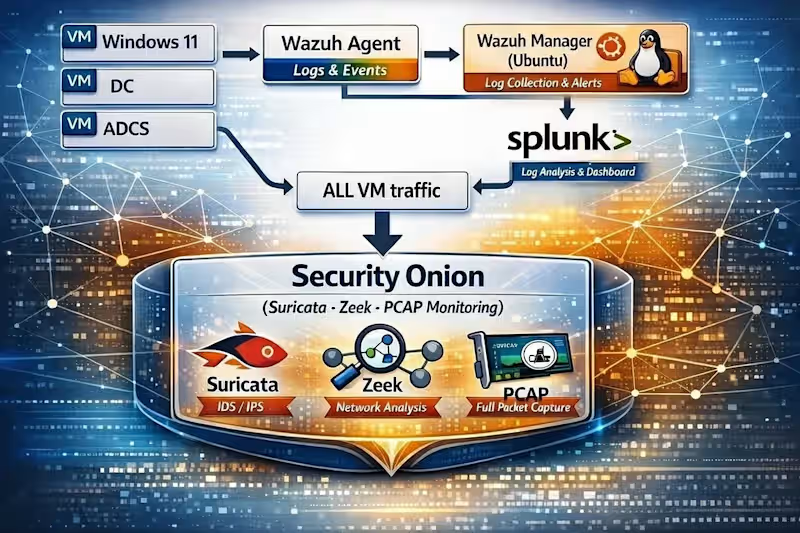
Built a complete enterprise-grade SOC environment from scratch: featuring Wazuh SIEM with custom detection rules, Security Onion with Suricata IDS/IPS and Zeek network monitoring, Active Directory with advanced security logging via Group Policy, and Windows Server with Sysmon telemetry. Designed and executed MITRE ATT&CK-aligned attack simulations from Kali Linux and validated detection coverage through red team exercises. Achieved over 95% detection rate across all tested techniques and tactics. This project served as the foundation for understanding how detection engineering decisions translate into real gaps and how to close them.
1
0
43
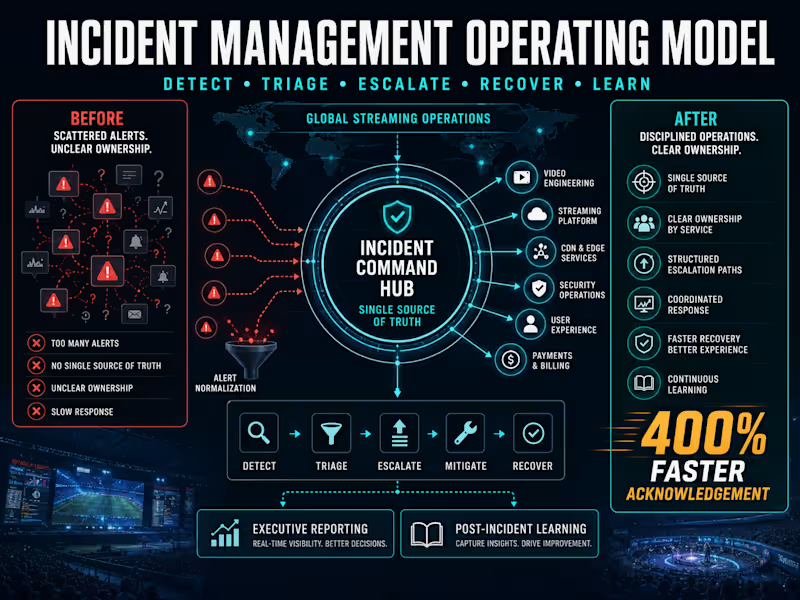
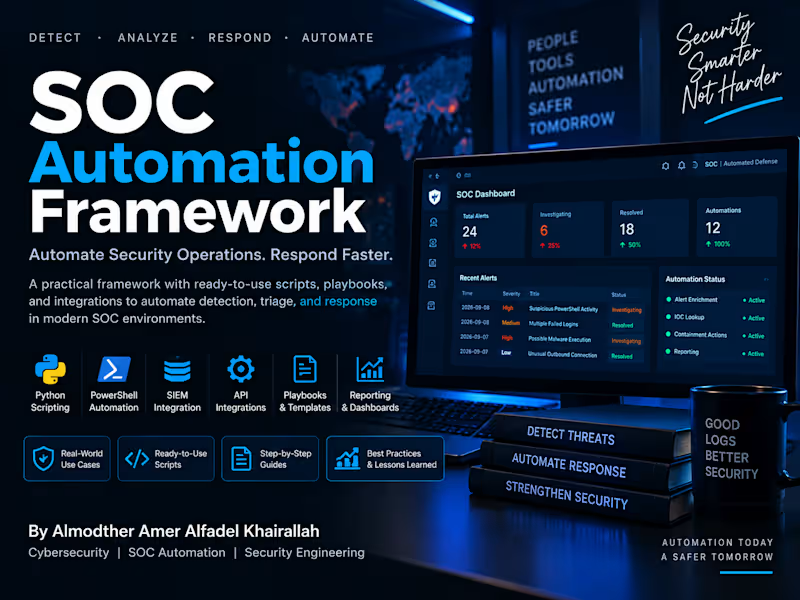
I developed a SOC Automation Framework to streamline repetitive security operations and improve incident-response workflows. The project uses Python and PowerShell automation to support security monitoring, alert handling, investigation workflows, and reporting. It is designed to reduce manual SOC tasks and provide a structured approach to detection, analysis, and response while integrating with common security operations and SIEM workflows.
0
36