Versatile Fullstack Engineer | Web & Mobile Expert

Versatile Fullstack Engineer | Web & Mobile Expert

Full-Stack & AI Agent Developer | Crafting Next-Gen Software
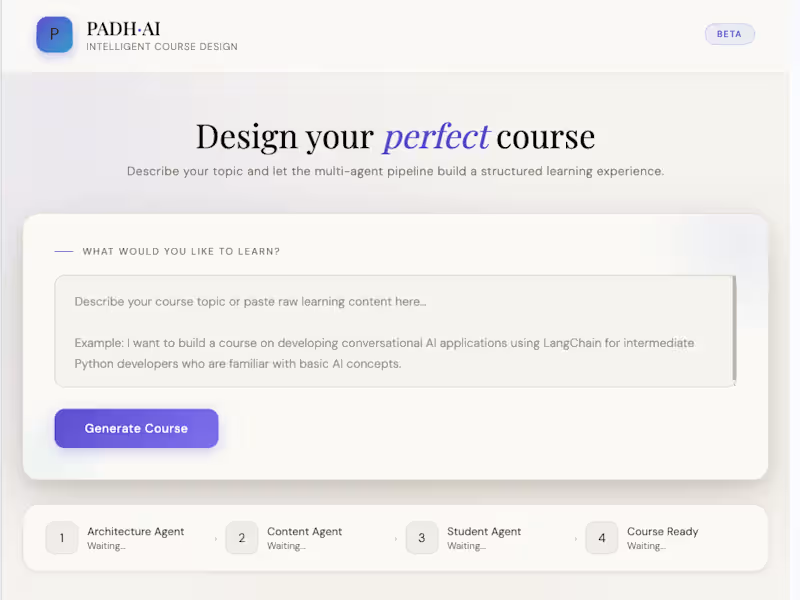
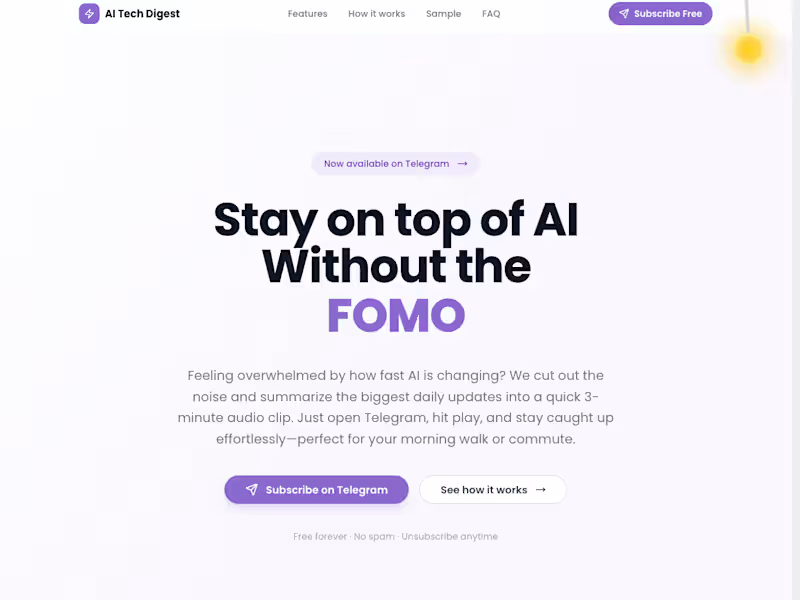
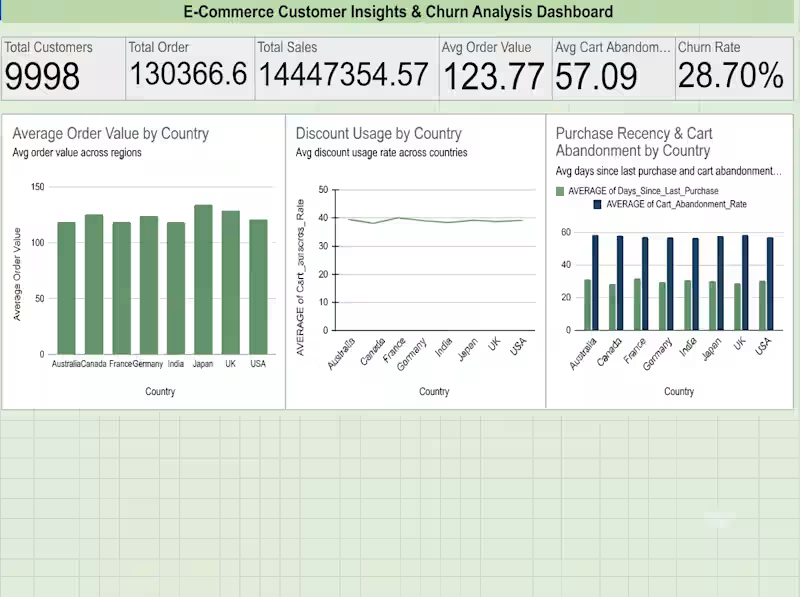
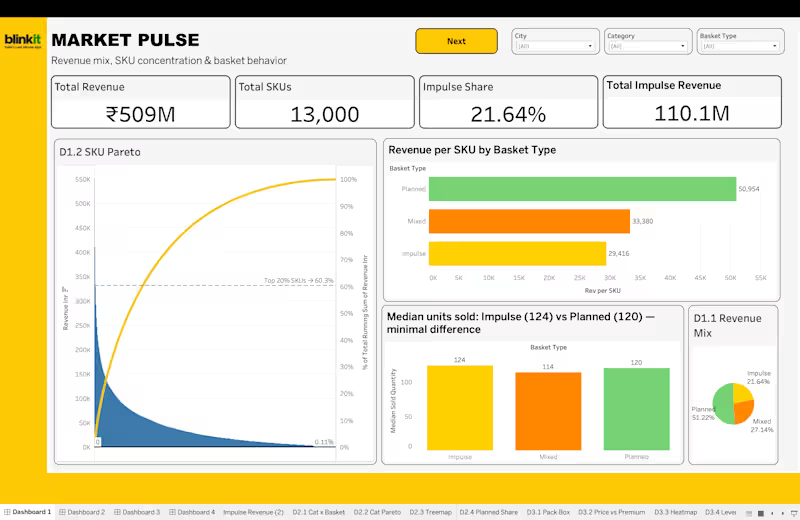

Full Stack Developer
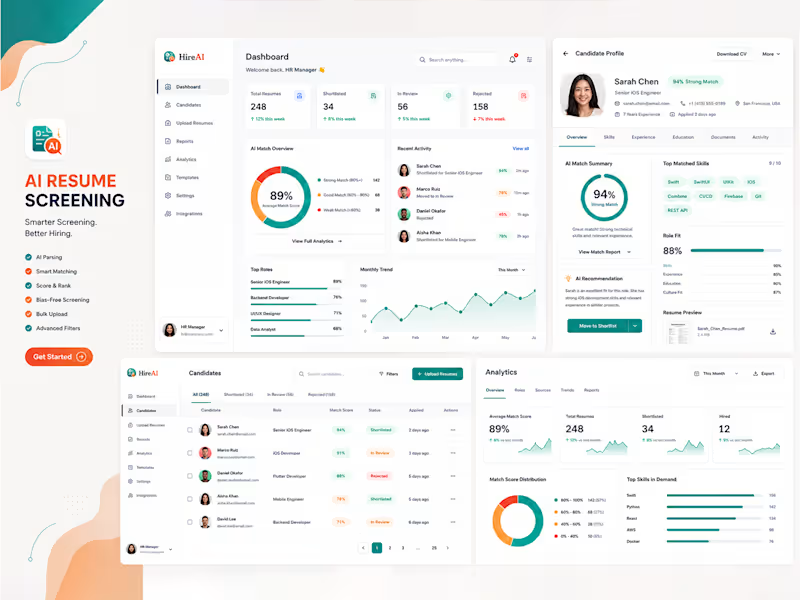
AI Resume Screening | Candidate Ranking System | AI HR Recruiter | ATS CV/Resume Optimization
𝗢𝘃𝗲𝗿𝘃𝗶𝗲𝘄
Recruiters often spend hours manually reviewing resumes, comparing candidate qualifications, and identifying the best fit for open positions. To address this challenge, I developed an AI-powered Resume Screening and Candidate Ranking Platform that automates candidate evaluation, improves hiring efficiency, and reduces recruitment time.
𝗖𝗵𝗮𝗹𝗹𝗲𝗻𝗴𝗲
Traditional recruitment processes involve reviewing hundreds of resumes for a single position. This manual approach is time-consuming, inconsistent, and often results in qualified candidates being overlooked. Recruiters needed a solution capable of quickly analyzing resumes, matching them against job requirements, and generating reliable candidate rankings.
𝗦𝗼𝗹𝘂𝘁𝗶𝗼𝗻
I built an intelligent recruitment platform that leverages Artificial Intelligence and Natural Language Processing (NLP) to automate resume analysis and candidate assessment.
𝗞𝗲𝘆 𝗳𝗲𝗮𝘁𝘂𝗿𝗲𝘀 𝗶𝗻𝗰𝗹𝘂𝗱𝗲:
- ATS-compatible resume parsing for PDF and DOCX files
- Automated extraction of skills, experience, education, certifications, and contact information
- AI candidate matching based on job descriptions
- Intelligent candidate scoring and ranking system
- Semantic skill matching using NLP techniques
- Automated shortlist generation for recruiters
- Recruiter dashboard for managing applications and rankings
- Bulk resume processing for high-volume recruitment
- Interview recommendation system based on candidate fit
- Fair and consistent evaluation framework to reduce manual bias
𝗗𝗲𝘃𝗲𝗹𝗼𝗽𝗺𝗲𝗻𝘁 𝗣𝗿𝗼𝗰𝗲𝘀𝘀
The platform was designed with scalability and accuracy in mind. The workflow begins by parsing uploaded resumes and extracting structured candidate data. AI models then compare candidate profiles against job requirements, analyzing technical skills, years of experience, educational background, and industry relevance.
A ranking engine generates compatibility scores and presents candidates in order of suitability. Recruiters can review detailed scoring insights, compare applicants, and make faster hiring decisions.
𝗥𝗲𝘀𝘂𝗹𝘁𝘀
The solution significantly improved recruitment efficiency and candidate discovery.
𝗢𝘂𝘁𝗰𝗼𝗺𝗲𝘀
> Reduced manual resume screening time by up to 80%
> Accelerated candidate shortlisting process
> Improved recruiter productivity and hiring speed
> Increased consistency in candidate evaluation
> Enabled processing of hundreds of resumes within minutes
> Enhanced talent identification through AI-driven matching
𝗖𝗼𝗻𝗰𝗹𝘂𝘀𝗶𝗼𝗻
This AI recruitment platform transforms traditional hiring workflows by automating resume screening, ranking candidates intelligently, and helping recruiters identify top talent faster, more accurately, and at scale.
1
391
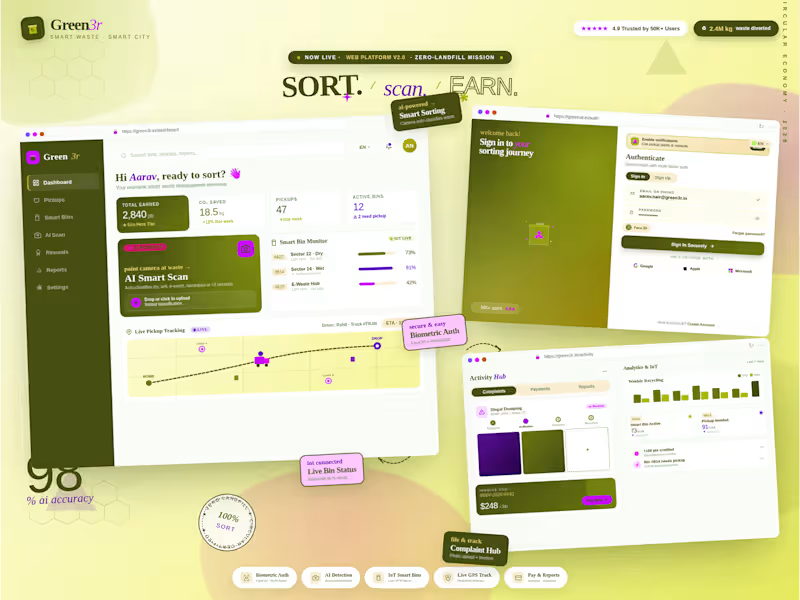
Waste Management Platform
A smart waste management system that uses IoT sensors to monitor bin levels in real time and make waste collection more efficient. It connects smart bins, collectors, and administrators on one platform so everyone stays updated. The system sends alerts when bins are full, helps plan better collection routes, and provides simple insights to improve overall waste handling and reduce manual effort.
2
282
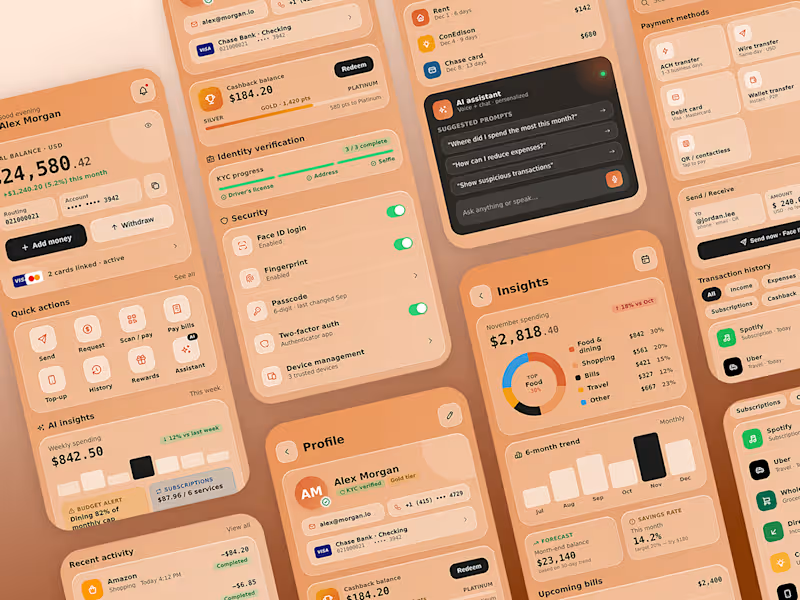
AI E-Wallet App
Designed and developed a modern AI E-Wallet mobile app using a Glassmorphism design system to deliver a premium, transparent, and depth-rich financial experience. The app combines AI-driven intelligence with a clean, intuitive interface for seamless digital money management.
Handled end-to-end product development as both designer and developer—from UX research, wireframing, and UI design to front-end implementation—ensuring consistency, usability, and smooth performance across all screens.
Key Features:
> AI-based spending insights & financial suggestions
> Smart expense tracking & auto-categorization
> Instant peer-to-peer payments
> Digital wallet with multi-account management
> Transaction history with visual analytics
> Secure authentication (biometric + OTP)
> Real-time notifications & alerts
> Interactive dashboard with Glassmorphism UI cards
The final product delivers a futuristic, user-friendly E-Wallet experience that blends aesthetic innovation with practical financial tools for modern users.
2
272
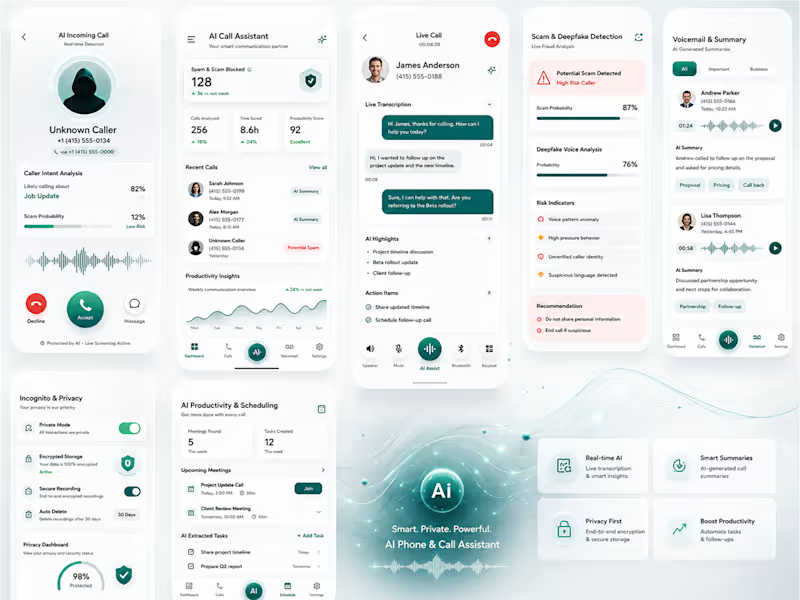
AI Smart Call Assistance App
Modern users struggle with spam calls, missed context, and inefficient call handling. We designed an AI-powered Smart Call Assistance experience inspired by intelligent call management systems like Hiya AI Phone, focusing on real-time call screening, transcription, and AI summaries to improve communication efficiency.
Problem Statement (Users face):
-- High volume of spam and unknown calls
-- Lack of context during calls
-- Difficulty remembering key points from conversations
-- Inefficient call handling in professional workflows
Solution: We designed a smart AI call assistant that helps users:
> Identify and filter spam calls in real time
> Generate automatic call transcripts
> Provide AI-powered call summaries after every conversation
> Highlight key action points and follow-ups
Key Features
1. AI Call Screening: Detects spam and unknown callers instantly
2. Live Transcription: Converts speech to text during calls
3. Smart Summaries: Auto-generated call insights & decisions
4. Call Insights Dashboard: Stores past call history with searchable notes
5. Privacy-Focused Design: On-device processing and secure data handling
UX focused Approach on:
- Minimal interaction during calls (hands-free experience)
- Clear visual hierarchy for call insights
- Fast access to summaries post-call
- Reducing cognitive load through automation
Outcome: The concept demonstrates how AI can transform traditional calling into a productivity-first communication tool, reducing spam interference and improving decision-making speed.Or rewrite it in a more premium startup pitch tone
2
1
306

Full Stack Developer | React, Node.js, Laravel | CRM & LMS
New to Contra
Full Stack Developer | React, Node.js, Laravel | CRM & LMS

Python & Django developer for web apps and APIs
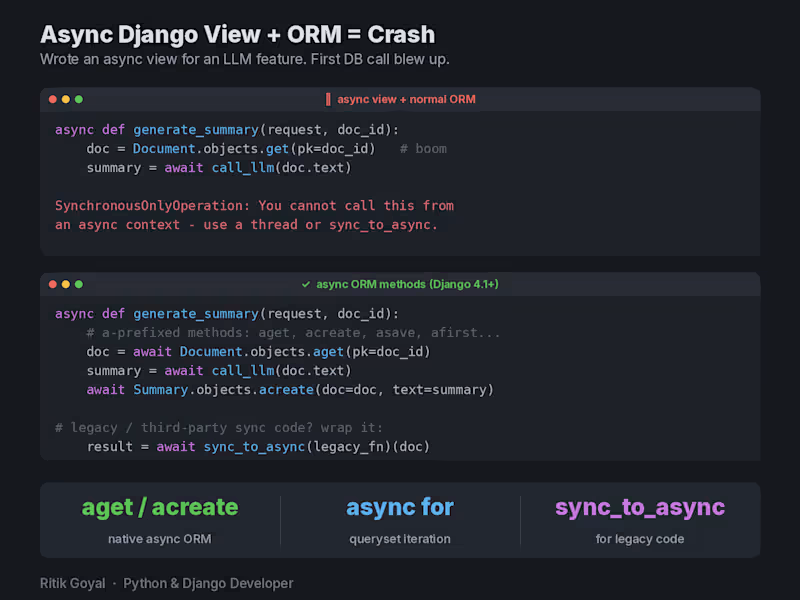
Hit a classic Django trap this week and figured it's worth sharing since so many people are running into it now.
I was adding an LLM feature to a Django app. The AI call takes a few seconds, so naturally I made the view async so it doesn't block a worker while waiting. Wrote the async view, called the ORM like I always do, and boom:
SynchronousOnlyOperation: You cannot call this from an async context.
Turns out Django's ORM can't just be called normally inside async code. The classic sync API isn't safe in an event loop, so Django protects it and throws this error instead.
The fix is simpler than most people think. Since Django 4.1 the ORM has async versions of everything, same names with an "a" prefix. So objects.get() becomes await objects.aget(), create() becomes acreate(), save() becomes asave(). For loops over querysets, async for works directly. And for old sync code or third party libraries you can't change, wrap them with sync_to_async().
Why this matters right now: everyone is bolting AI features onto Django apps, and LLM calls are exactly the slow I/O that async is made for. Which means a lot of devs who never touched async Django are suddenly hitting this error for the first time.
One honest caveat: transactions still don't fully work in async mode, so if you need atomic blocks, keep that path sync and wrap it.
Anyone else made the jump to async views yet, or still happily on WSGI?
0
165
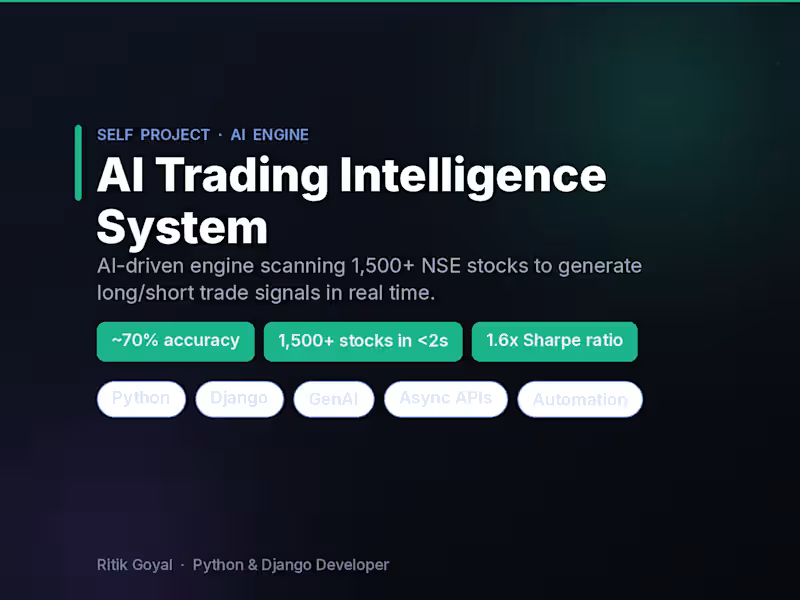
An AI-driven trading engine that analyzes 200-DMA breakouts and real-time market sentiment to generate long/short recommendations. It scans 1,500+ NSE stocks in under 2 seconds and uses generative AI to build option strategies, delivering event-driven trade signals end-to-end. I built the full Django backend, async APIs, and the signal-generation logic.
Accomplishments and responsibilities:
Built an AI-driven trading engine analyzing 200-DMA breakouts and market sentiment, generating long/short signals with ~70% directional accuracy — outperforming baseline strategies by 35%;
Integrated generative-AI insights for automated option-strategy creation (spreads, straddles, condors), improving Sharpe ratio by 1.6× and cutting manual analysis time by 60%;
Developed a Django backend with async APIs scanning 1,500+ NSE stocks in under 2 seconds, achieving 40% lower latency with event-driven alerts.
0
95
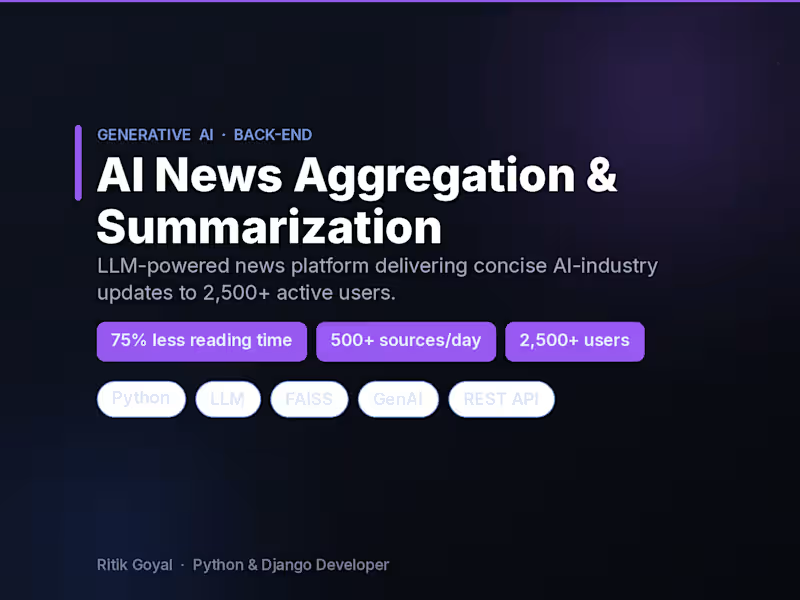
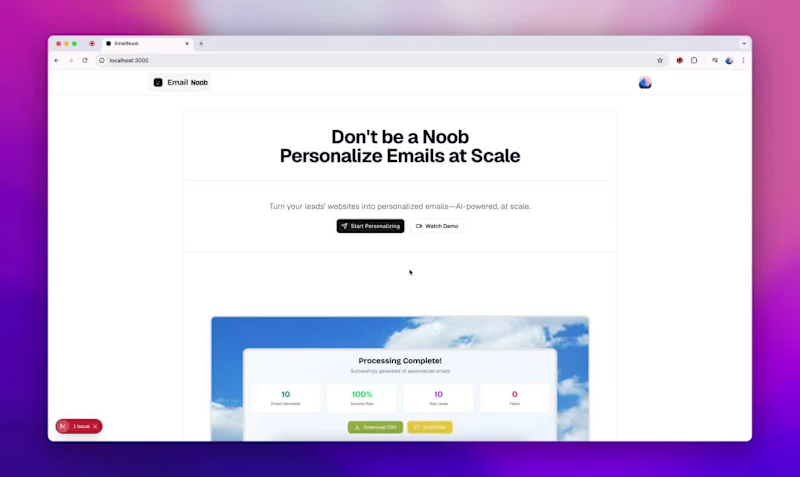
An AI-powered news platform that delivers concise, real-time AI-industry updates to 2,500+ active users. It scrapes and aggregates 500+ sources daily, removes duplicates, and uses generative-AI summarization to cut reading time significantly while surfacing the most relevant stories. I built the backend responsible for scraping, deduplication, and the LLM summarization pipeline.
0
97
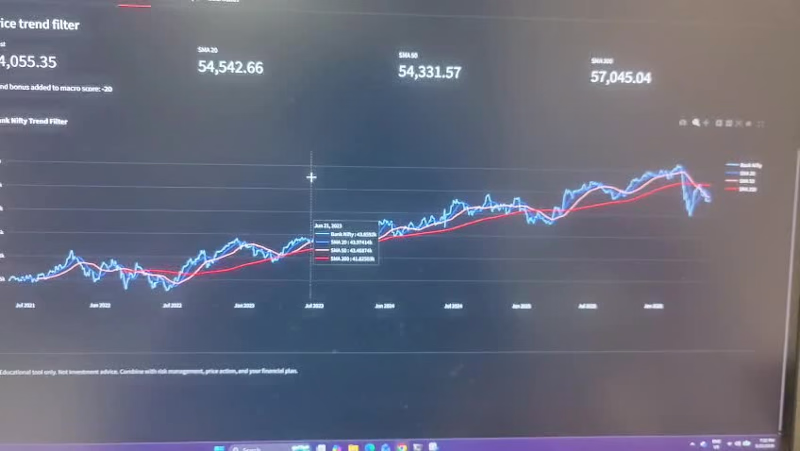
Built a Python-powered automated trading tool that pulls live market data, runs technical analysis, and generates real-time trade signals. Features normalized comparison charts across multiple assets (Nifty, USD Index, Brent Crude, US 10Y Yield), a macro pressure table, correlation analysis, and a portfolio helper. Backend built in Python with automated data pipelines, live market feeds, and signal interpretation logic that flags bullish/bearish pressure. Clean, data-dense dashboard for fast decision-making.
Tech: Python, Pandas, REST APIs, data automation, real-time charting.
1
121

I build production AI agents that automate real workflows
I build production AI agents that automate real workflows
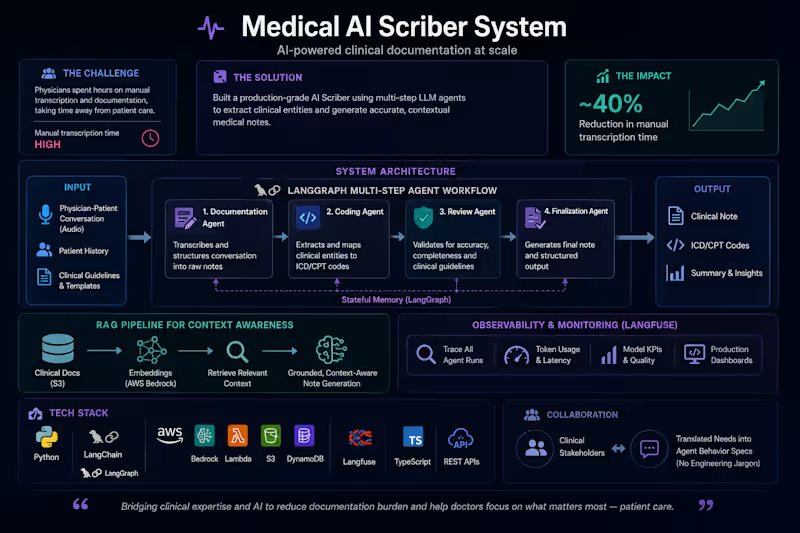
Built and maintained a HIPAA compliant production medical AI scribe system that uses multi-step LLM agents to extract clinical entities directly from physician-patient conversations and turn them into structured medical notes, cutting down the manual transcription work clinicians used to do after every visit.
Multi-stage clinical workflow: Documentation, coding, and review each have different logic and conditional paths, and the system needed to branch correctly between them without losing context.
Clinical accuracy: Generated notes had to be grounded in real patient history and clinical guidelines, not just plausible-sounding text.
Production reliability: As a live system handling real conversations, every agent run needed to be observable, debuggable, and monitored for cost and latency in real time.
Non-technical requirements gathering: Clinical needs had to be captured accurately from stakeholders without a technical background and translated into precise agent logic.
Approach:
Stateful agent orchestration with LangGraph
Designed LangGraph-based agent workflows with conditional branching, allowing the system to move correctly across documentation, coding, and review stages based on conversation content.
Context-grounded note generation with RAG
Built a RAG pipeline on AWS Bedrock with embeddings, so every generated note is grounded in the patient's actual history and relevant clinical guidelines rather than generic output.
Full production observability
Integrated Langfuse across all agent runs to track token usage, latency, and model KPIs, giving the team visibility into system health and cost in production, not just at build time.
Clinical stakeholder collaboration
Ran requirements sessions directly with clinical staff, converting their documentation needs into concrete agent behavior specs and validation criteria.
Results & Impact:
~40% reduction in manual transcription time for clinicians using the system.
Clinically grounded output, with notes tied to real patient history and guidelines instead of unsupported generation.
Full production observability, with token usage, latency, and model performance tracked continuously.
A workflow clinicians could trust, built through direct collaboration rather than a black-box handoff.
Provided Services & Solutions:
📌 AI Agent Development (LangGraph)
📌 RAG Pipeline Development (AWS Bedrock)
📌 LLM Observability (Langfuse)
📌 Cloud Infrastructure (AWS Lambda, S3, DynamoDB)
📌 Stakeholder Requirements Translation
📌 Production ML Systems
Tech Stack
Python · LangChain · LangGraph · AWS (Bedrock, Lambda, S3, DynamoDB) · Langfuse · TypeScript · REST APIs
2
105
Overview 📖
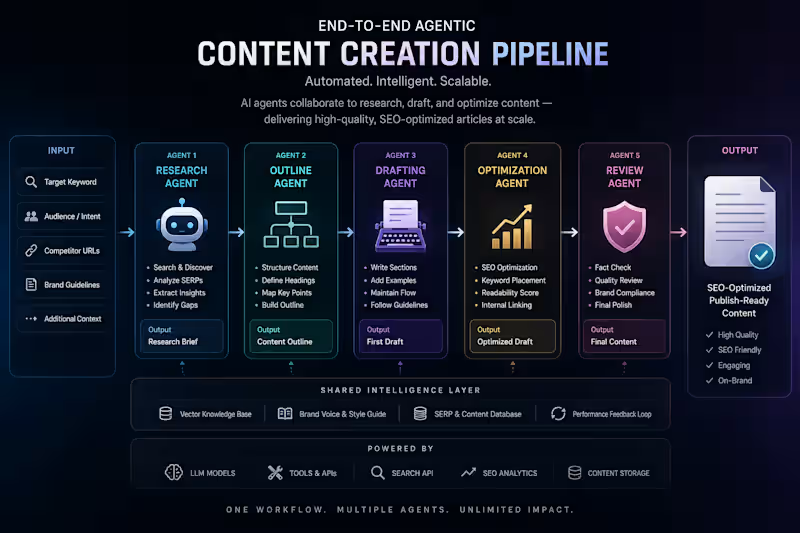
Built an end-to-end agentic content creation pipeline for a fast-growing AI-powered SEO platform. The system chains multiple LLM agents together to research, draft, and optimize content automatically, replacing what used to be a manual, multi-step editorial process with a single automated workflow.
Collaboration 🤝
Partnered directly with the platform's engineering team to design and ship the automation layer that now sits at the core of their content operations, turning a bottlenecked manual process into a scalable, always-on pipeline.
Key Challenges 🤔
Multi-step content logic: Research, drafting, and optimization each require different context and tone, but had to feel like one coherent pipeline, not three disconnected tools.
Consistency at scale: Every piece of generated content had to match brand voice and pass compliance checks, without a human reviewing each one manually.
Orchestration complexity: Content jobs needed to trigger reliably from webhooks and third-party APIs, run through multiple agents in sequence, and fail gracefully without stalling the whole pipeline.
Performance under load: The backend had to stay fast and stable as content throughput scaled up.
Approach 🔍
Agentic content pipeline design
Designed a multi-step LangChain agent chain with tool-calling, where each agent (research, drafting, optimization) has a clearly scoped role and hands off structured output to the next.
Workflow orchestration with n8n
Built n8n automation workflows to handle webhook triggers, third-party API integrations, and job routing, removing the need for manual intervention at almost every stage.
Brand voice & compliance enforcement
Layered in structured prompting and validation steps so generated content stays on-brand and passes compliance checks automatically, at scale.
Backend performance tuning
Optimized FastAPI endpoints and managed Azure-hosted PostgreSQL databases to keep latency low under high content-throughput conditions.
Results & Impact ✨
~60% reduction in manual intervention across the content pipeline, freeing the team to focus on strategy instead of babysitting workflows.
Consistent brand voice at scale, with compliance checks running automatically instead of manually.
Reliable, low-latency infrastructure validated under real content-throughput loads.
A reusable agentic architecture the platform can extend to new content types without rebuilding the pipeline.
Provided Services & Solutions ✅
📌 AI Agent Development (LangChain)
📌 Workflow Automation (n8n)
📌 LLM Integration (GPT-4, Claude)
📌 API Development (FastAPI)
📌 Cloud Database Management (Azure, PostgreSQL)
📌 Architecture Design & Consulting
Tech Stack
Python · FastAPI · LangChain · n8n · GPT-4 · Claude · Azure · PostgreSQL
2
103
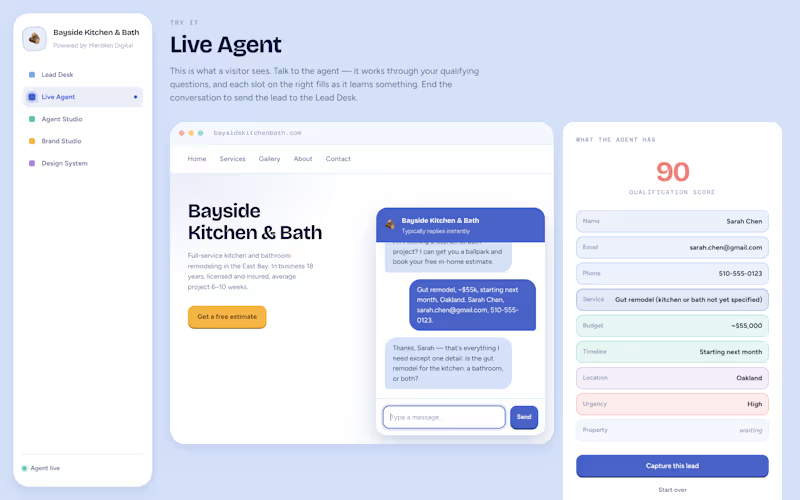
My submission for replitbuildathon. Features an AI agent that answers inbound leads in seconds, qualifies them against your rules, and books the appointment — rebrandable for a new client in about a minute. Most small businesses lose leads to silence. Someone lands on the site at 9pm, fills nothing in, and leaves. Frontdesk is the agent that catches them. It greets the visitor, works through the qualifying questions you defined, scores what it hears out of 100, books the appointment, and hands the team a lead with the transcript and a follow-up email already drafted. The reason it's a template and not a product: it's built to be rebranded.
Set a logo and two colours in Brand Studio and the entire app, the chat widget, and the design system documentation retint together, because they all read the same tokens. Agencies fork it once per client. Applying a preset doesn't recolour the same install: it opens a different one, with its own agency name, business name and greeting. Checkout the app here: https://frontdeskzip--SuyashDubey3.replit.app
2
146
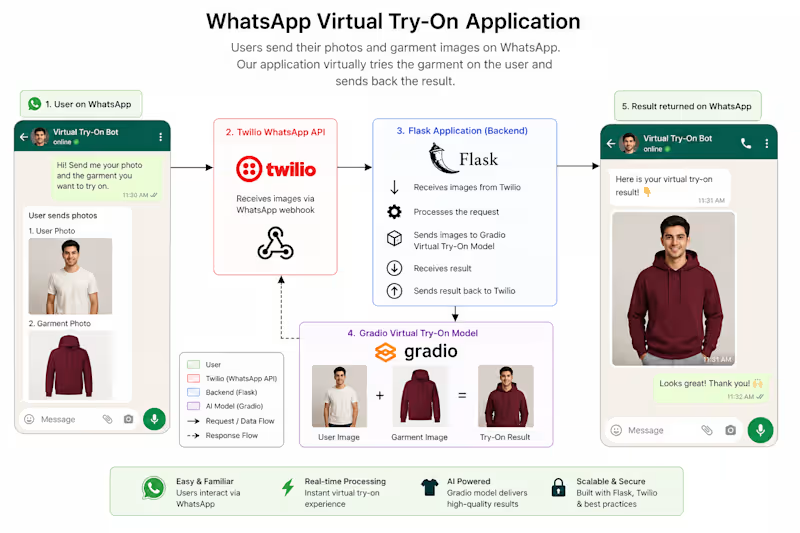
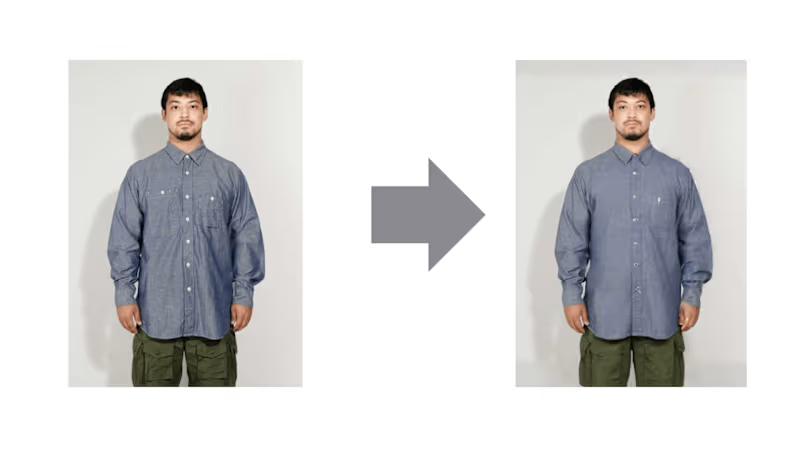
Built a virtual try-on application that lets users try on garments over WhatsApp. A user sends a photo through WhatsApp, and the app returns a realistic image of them wearing the selected garment, no app download or website visit required.
Designed and built the system end-to-end, from the WhatsApp messaging integration through to the try-on generation pipeline, as a self-contained product demonstrating conversational commerce for fashion/retail use cases.
Key Challenges:
- Frictionless UX over a messaging app: WhatsApp isn't built for structured app interactions, so the flow had to feel natural through simple image and text messages, not clunky commands.
- Reliable image handling: Incoming photos vary wildly in quality, lighting, and pose, and had to be received, processed, and matched with garment images reliably.
- Fast turnaround: Users expect a near-instant reply on a messaging app, so the backend had to handle image processing and model inference without long delays.
- Stitching third-party services together: Twilio's WhatsApp API and Gradio's try-on model weren't built to talk to each other, so the app had to bridge them cleanly.
Approach:
WhatsApp integration via Twilio
-Set up Twilio's WhatsApp API to receive incoming user images and send outgoing try-on results, handling the messaging layer end-to-end.
Flask backend as the orchestration layer
-Built a Flask application to receive Twilio webhooks, manage the request flow, and coordinate between incoming user images and the try-on model.
Virtual try-on generation with Gradio
- Integrated Gradio's virtual try-on model to generate the final garment-on-user image, returning a realistic composite result.
End-to-end flow design
- Connected the pieces so a user's WhatsApp message triggers the full pipeline automatically: receive image → process → generate try-on → send result back, all within a single conversation.
Results & Impact
- A working conversational shopping experience built entirely on a messaging app users already have open every day.
- Zero-download, zero-signup try-on flow — removes the biggest friction point in getting users to try a new AI-powered feature.
- A reusable integration pattern connecting Twilio, Flask, and a generative vision model, applicable to other WhatsApp-based commerce or personalization tools.
Provided Services & Solutions
📌 Conversational App Development
📌 WhatsApp API Integration (Twilio)
📌 Backend Development (Flask)
📌 Generative AI Integration (Gradio virtual try-on model)
📌 Third-Party API Orchestration
Tech Stack: Python · Flask · Twilio WhatsApp API · Gradio
If you want an AI-powered experience built directly into a channel your customers already use, like WhatsApp, let's talk.
1
71

Computer Vision Solutions | Deep Learning |AI/ML|Annotations
Computer Vision Solutions | Deep Learning |AI/ML|Annotations


View more →

SaaS MVP Expert | 3 MVPs Shipped | Full-Stack Developer
SaaS MVP Expert | 3 MVPs Shipped | Full-Stack Developer