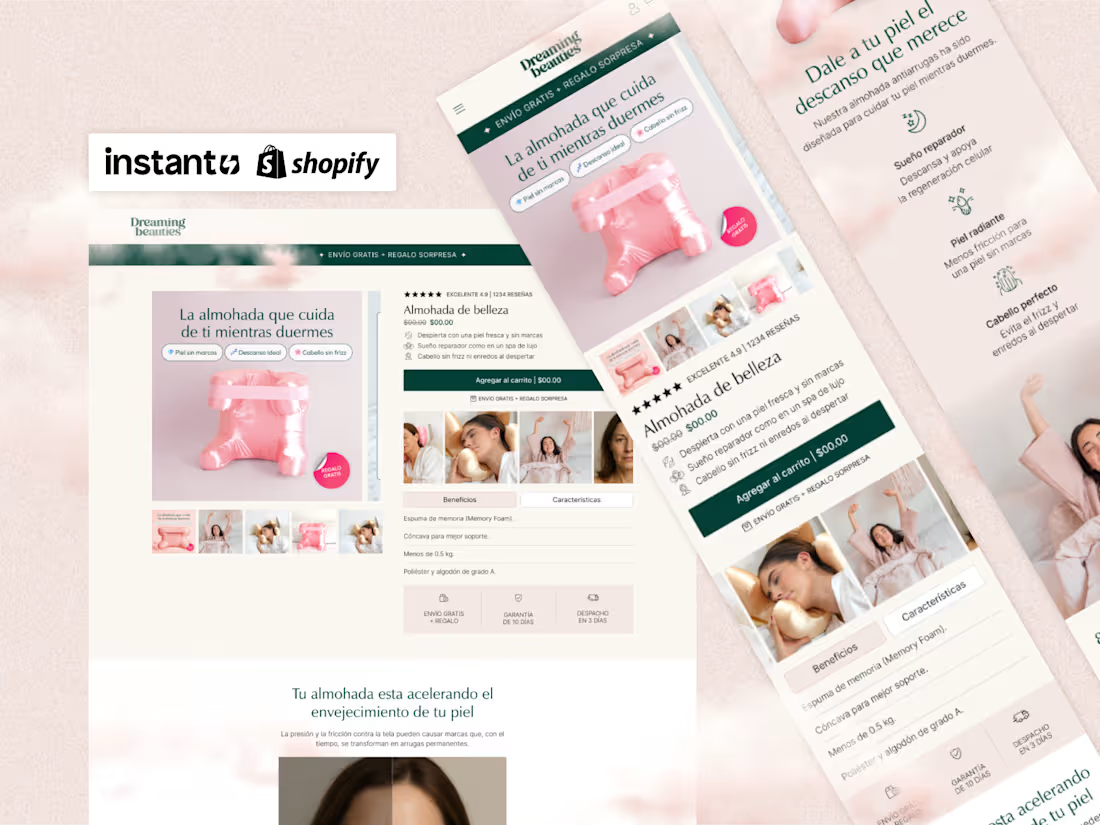


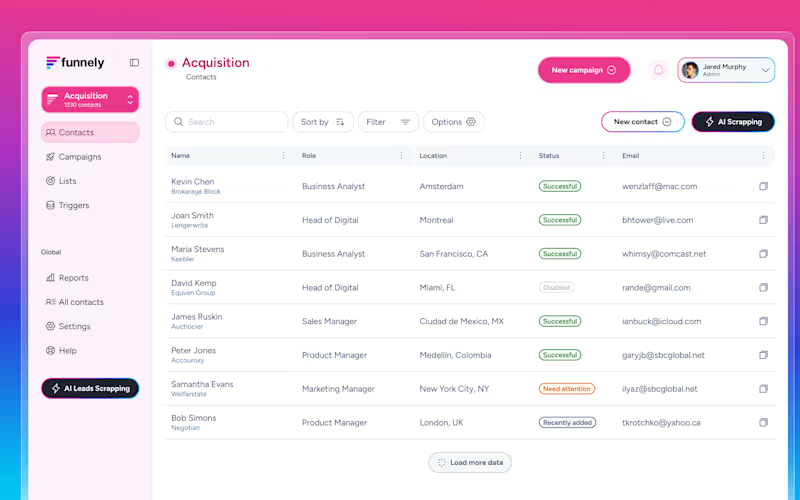
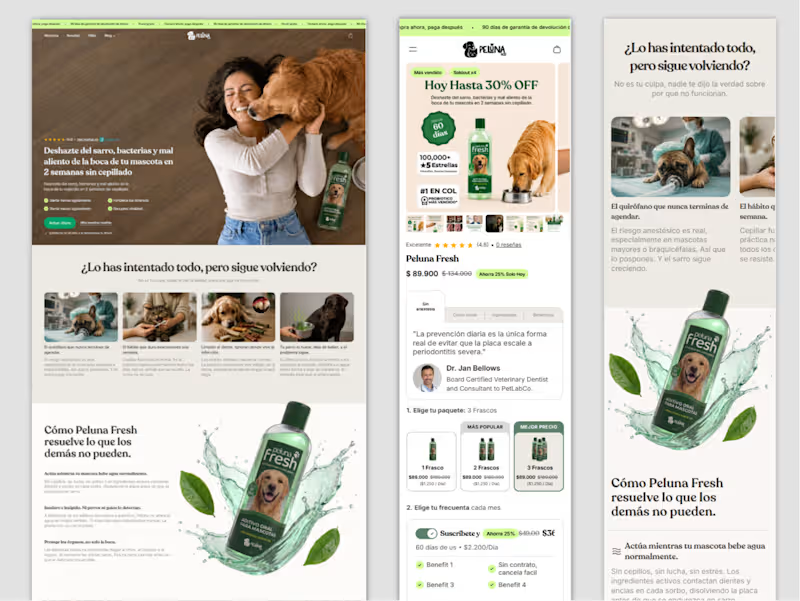
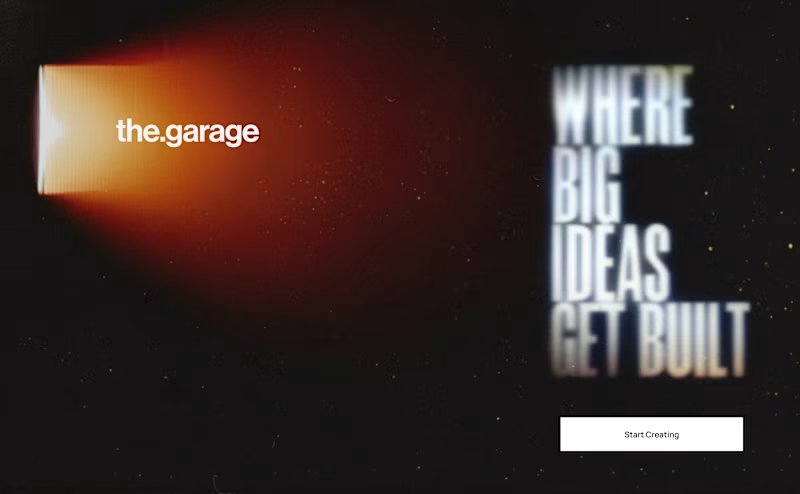
ART, BUSINESS, AND PRODUCT. My passion for designing digital products is all about taking artistic and creative concepts and aligning them with business needs to create products that are complex yet simple, assisted yet human. I wanted to share a collage of a recent product I designed because it reflects that.
Here, I'm trying to evoke the feeling of cosmic dust, like something is about to happen. It's almost like being inside a garage creating something with dust all around you; you get so deep into the process that you get lost in it, and you get to see that those dust particles are actually stars in space because you are creating your own universe.
0
78
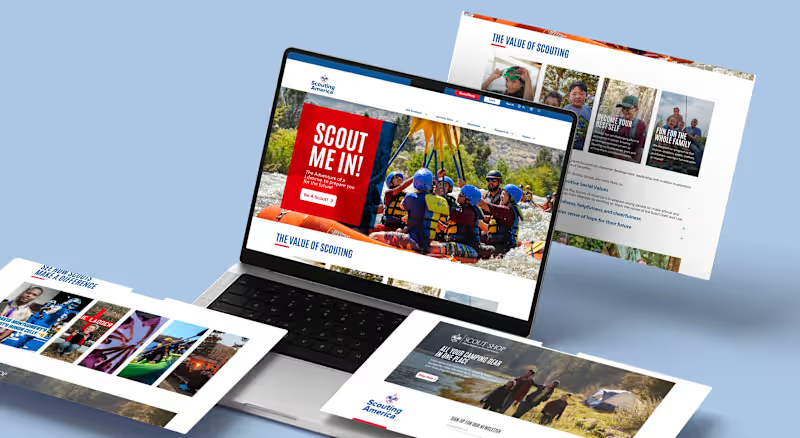
As Scouting America started their rebranding process, a new visual style was needed for their website. The following is an early, unimplemented prototype showcasing cleaner visuals that aligned with the new brand. You can check the Figma prototype featuring some basic interactions and animations HERE (https://www.figma.com/proto/pfWNp7k0wQQjUUD4gZILpv/Scouting-America-Prototype?node-id=29-163&p=f&t=oYFQereLqckXkPe5-1&scaling=scale-down&content-scaling=fixed&page-id=0%3A1&starting-point-node-id=29%3A163)
32
515
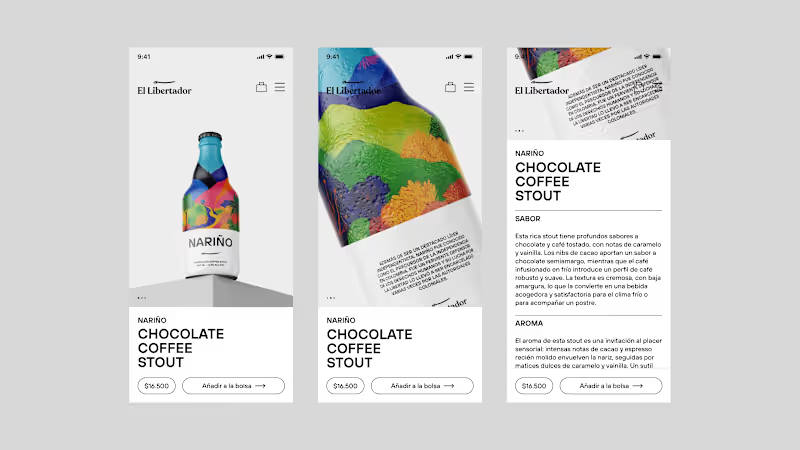


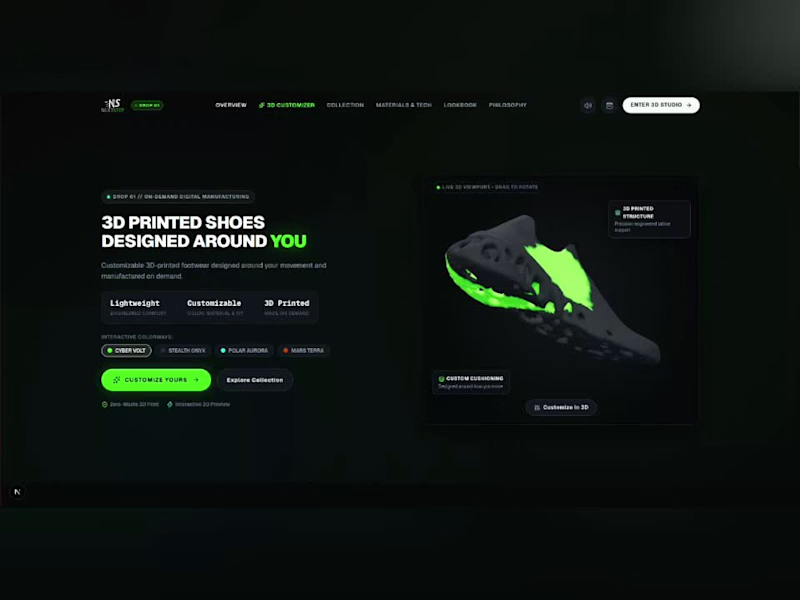
NextStep Experience From 3D Printed Shoe to Interactive 3D Product
A 3D-printed shoe concept that started with a childhood memory and became an interactive 3D website.
I wanted to be a shoemaker when I was a kid.
There was a guy in a park near my house who fixed shoe soles, and I thought that was really cool. Years later, while thinking about what to build for my portfolio, I remembered him and decided to build a shoe.
I started by building the shoe in Blender. I spent a lot of time working on the mesh and trying to build a 3D-printed product from scratch. Then I experimented with AI to rethink the geometry and make the shoe lighter.
After that, I built the brand and a static landing page in Figma. The project sat for a while until I came back to it and decided I wanted to make the shoe interactive.
I needed a 3D model that I could actually use on the web, so I experimented with several 2D-to-3D tools. Some produced incredible results but wouldn't let me download the model. Others were simpler but gave me something I could actually work with.
Once I had the model, I brought it into Three.js and used Antigravity to build the interactive website around it.
Now you can play with the shoe in the 3D editor and switch between different colors.
This started with a memory from when I was a kid ended up becoming a shoe, a prototype, and eventually an interactive website.
Explore the interactive prototype → (https://davidraigoza.design/work/next-step)
1
89
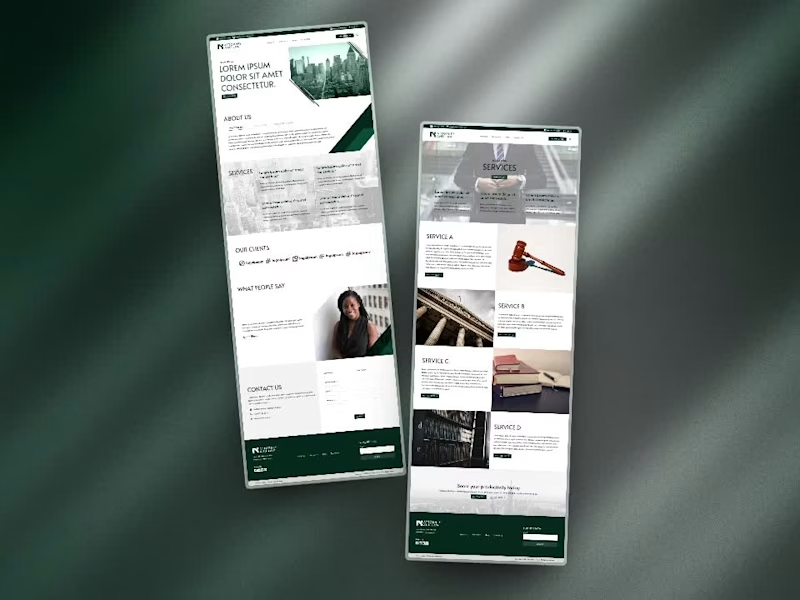
I designed this eight-page website collection in Figma for lawyers and law firms. This preview shows two example pages from the collection.
The design follows a story: introduce the firm, explain its services, and give visitors enough context to feel comfortable starting a conversation.
Before asking someone to get in touch, I wanted to help them understand who they would be working with and whether the firm could help with their situation.
The homepage begins that introduction. It moves through the firm’s background, services, and supporting information before reaching the contact section. The services page builds on that story, giving each practice area space for a fuller explanation.
Alternating images and text create pauses and changes in rhythm, inviting visitors to keep reading. The deep green palette, architectural photography, and angular shapes support the formal character of the design.
The contact section follows the explanation. My aim was to make that connection feel like a natural next step once visitors understand the firm and what it offers.
Need a website design for your law firm? Message me to discuss your services and the pages you need.
1
3
130
