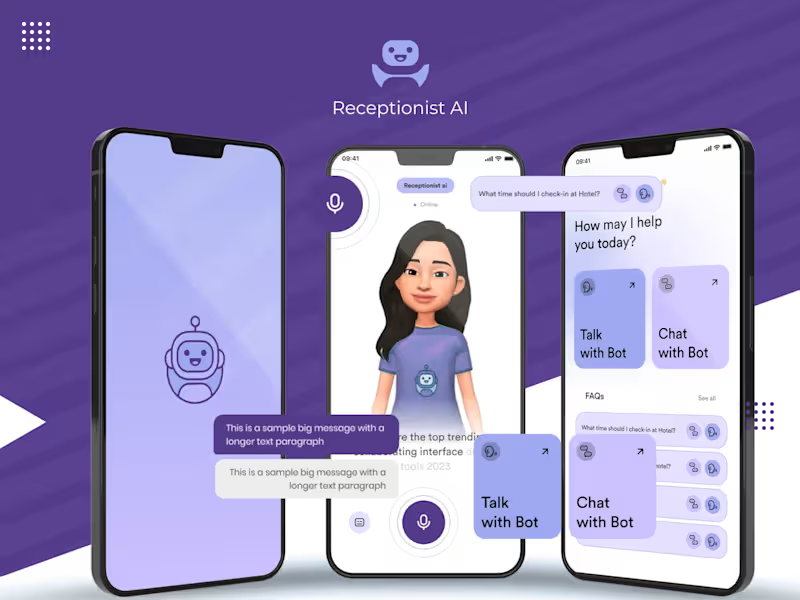
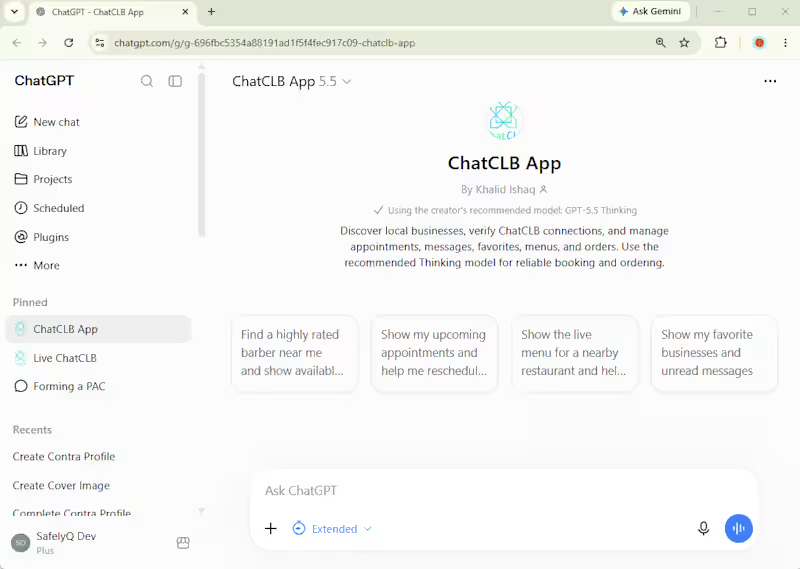
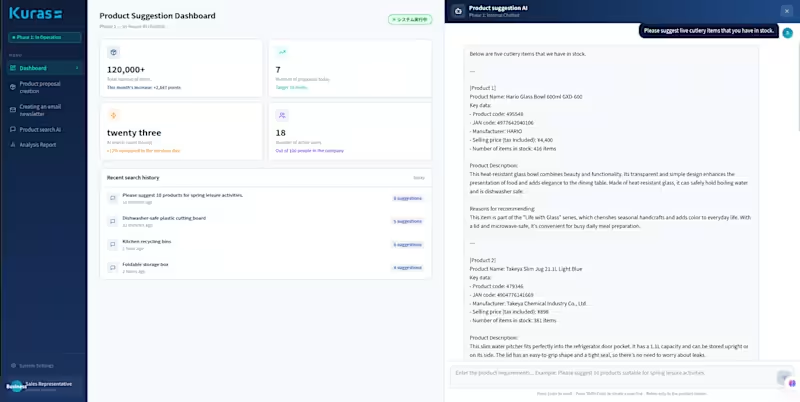
Projects using OpenAI in RawalpindiProjects using OpenAI in RawalpindiInForm - AI-Driven Physiotherapy App for Diagnosis, Rehab & Recovery Tracking
The core problem it solves:
Patients struggle to get timely, structured physiotherapy guidance, while physiotherapists are overwhelmed managing cases, tracking progress, and creating personalized rehab plans manually. Existing systems either lack intelligence or lack control.
This product creates a complete digital workflow where diagnosis, communication, and recovery are all connected into a single system.
What was built:
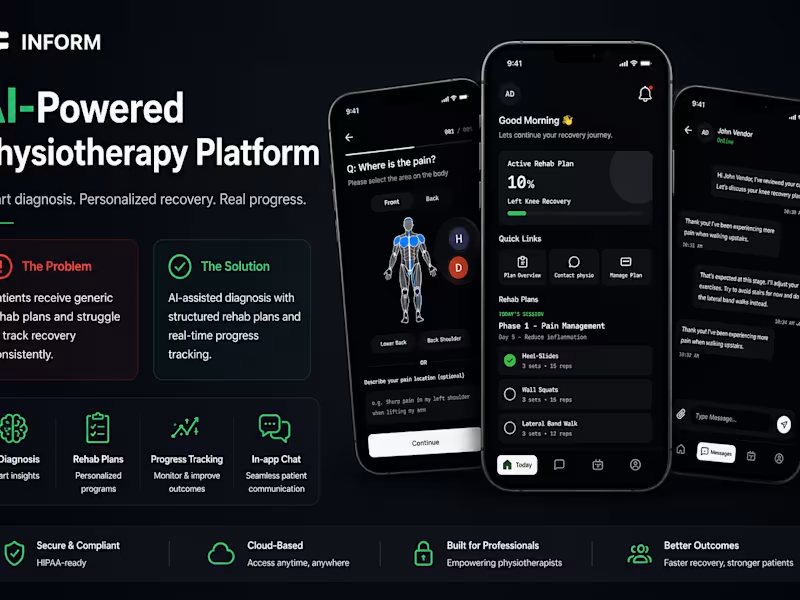
A full AI-powered physiotherapy platform with mobile apps for patients and a web-based admin system for physiotherapists.
Patients begin by submitting structured symptom data through guided questionnaires. Instead of jumping directly to conclusions, the system uses an AI diagnosis engine to analyze patterns and generate internal clinical suggestions. These suggestions are never shown to patients, they act as decision support for physiotherapists, ensuring every diagnosis remains human-approved.
Once a case is created, physiotherapists review patient data, validate or override AI recommendations, and communicate directly through an in-app messaging system. Every interaction is tied to a structured case, ensuring context is never lost.
The system then moves into recovery management.
Physiotherapists create personalized rehab plans with multi-phase programs, exercise libraries, and video guidance. Patients follow these plans inside the app, logging progress, completing KPI-based milestones, and moving through recovery phases in a structured way.
A key part of the system is the progress tracking engine. Patients log metrics, complete phase-based goals, and unlock new stages only when criteria are met. Physiotherapists get real-time visibility into adherence, performance, and patient feedback, making the system both trackable and measurable.
Alongside this, an intelligent chatbot handles general queries and reduces load on physiotherapists. When confidence is low or cases become complex, the system escalates conversations into structured cases with full context preserved.
Technical architecture:
Built as a scalable mobile-first system using React Native for patient apps and React.js for the admin panel, with a Node.js/Nest.js backend and Python powering AI-driven diagnosis logic. Data is managed through PostgreSQL, with secure authentication and encrypted communication layers.
The AI layer is designed as a support system, not a replacement. It uses LLM-based reasoning to assist diagnosis and continuously improves through feedback loops based on physiotherapist decisions, creating a human-in-the-loop learning system.
Deployed on cloud infrastructure (AWS/GCP), with Stripe integration for subscription-based access and a modular architecture designed for future AI expansion.
Business model built in from day one:
Subscription-based access for patients, with clear pathways to expand into AI-assisted rehab recommendations, outcome analytics, and protocol optimization.
The system is designed to evolve into a data-driven recovery platform where every patient interaction improves future treatment accuracy, turning clinical workflows into scalable intelligence. AI-Powered Fitness & Wellness Platform
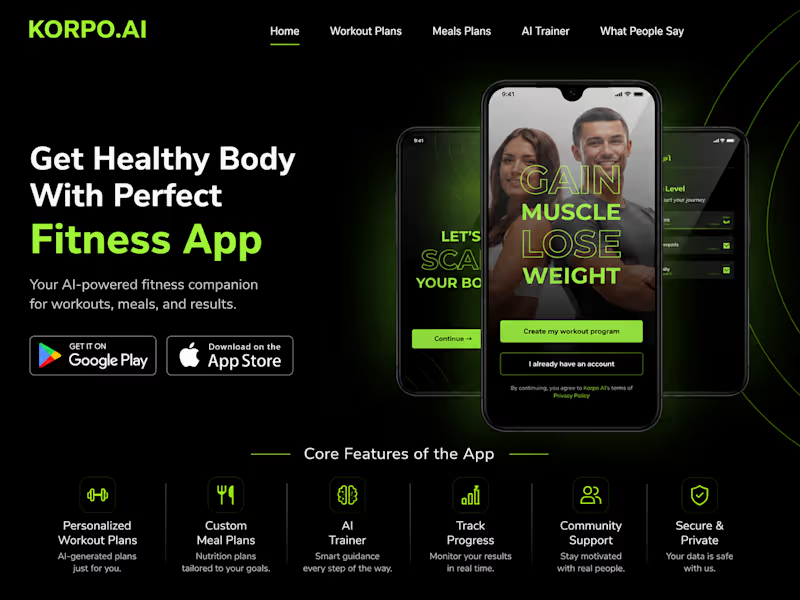
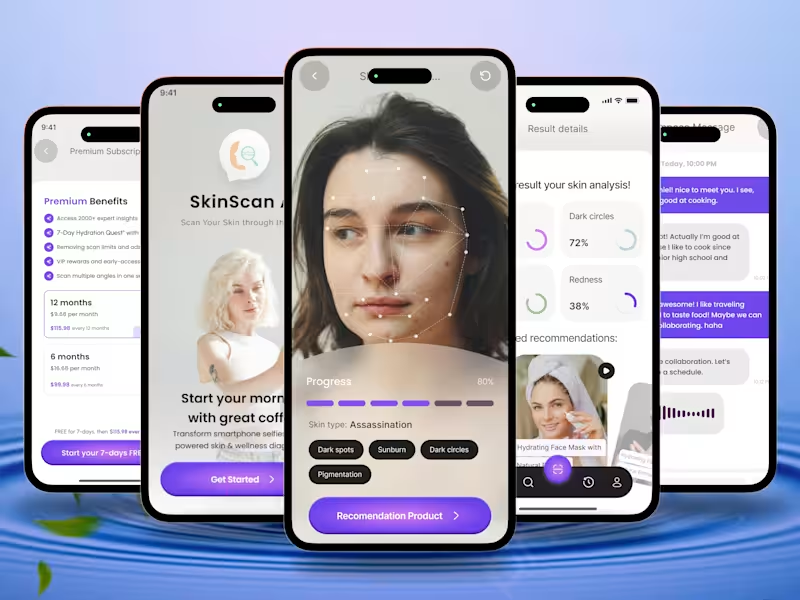
Developed an AI-powered fitness and wellness platform that delivers personalized workout plans, nutrition guidance, and intelligent health coaching through a seamless mobile experience. The application combines AI-driven recommendations with customized fitness programs to help users achieve their health and wellness goals.
A standout feature of the platform is its AI Mood Detection, allowing users to interact naturally with an AI coach that understands their emotional state and provides personalized workout recommendations, motivational guidance, and wellness advice based on their mood. The platform also includes nutrition tracking, workout customization, personalized diet plans, progress monitoring, and a 24/7 AI fitness trainer, creating a truly intelligent and engaging fitness experience.
Key Features
AI Fitness Trainer (24/7)
AI Mood Detection & Personalized Coaching
Personalized Workout Plans
Workout Customization
Nutrition Calculator
Personalized Diet Plans
Goal-Based Training Programs
Progress Tracking & Analytics
User Authentication & Profiles
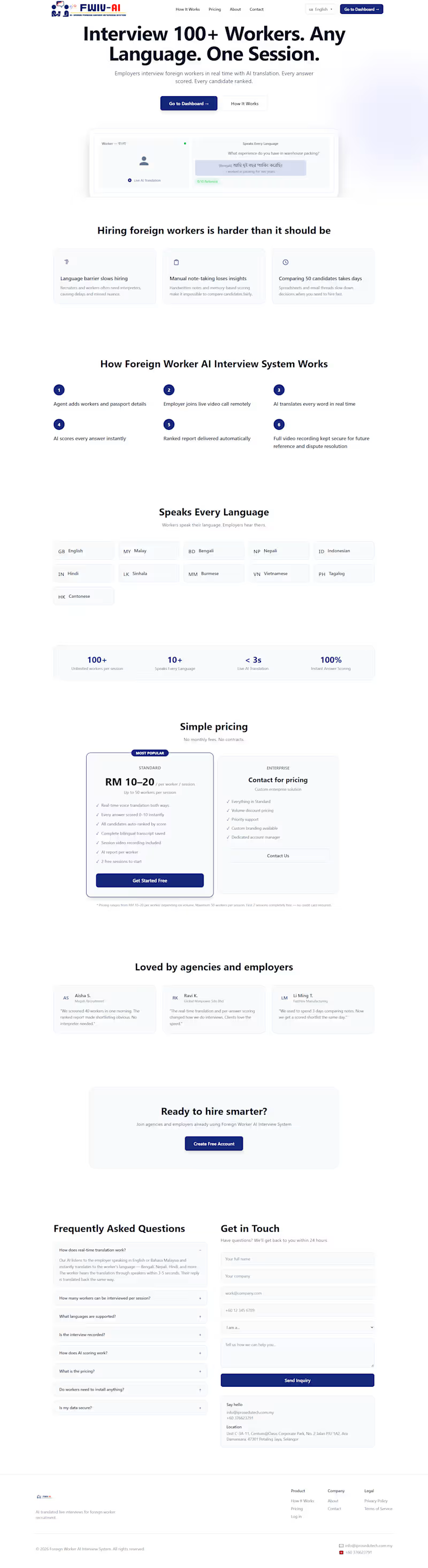
Responsive & Scalable Mobile Application AI-Translated Live Interview Platform for Foreign Worker Recruitment
Built a real-time AI interview platform for a Malaysian recruitment tech client, solving a concrete hiring problem: interviewing foreign workers across language barriers without interpreters or manual note-taking.
Employers join a live video call and speak in English or Bahasa Malaysia; the platform translates their questions into the worker's language (Bengali, Nepali, Hindi, Indonesian, and 10+ others) in under 3 seconds, and translates the worker's spoken answers back in real time. Every answer is scored 0–10 by AI as it's given, and candidates are automatically ranked at the end of the session, turning a process that used to take days of comparing notes into a same-day shortlist. Full bilingual transcripts and session recordings are saved for compliance and future reference.
Built end-to-end: live audio pipeline, real-time speech translation, AI-based answer scoring, automatic ranking/reporting, and the client-facing dashboard and booking flow.