AI Product Designer & Full-Stack Builder



AI, SaaS & Mobile Product Rescue in 5 Days
- $1k+
- Earned
- 3x
- Hired
- 5.0
- Rating
- 53
- Followers
AI, SaaS & Mobile Product Rescue in 5 Days
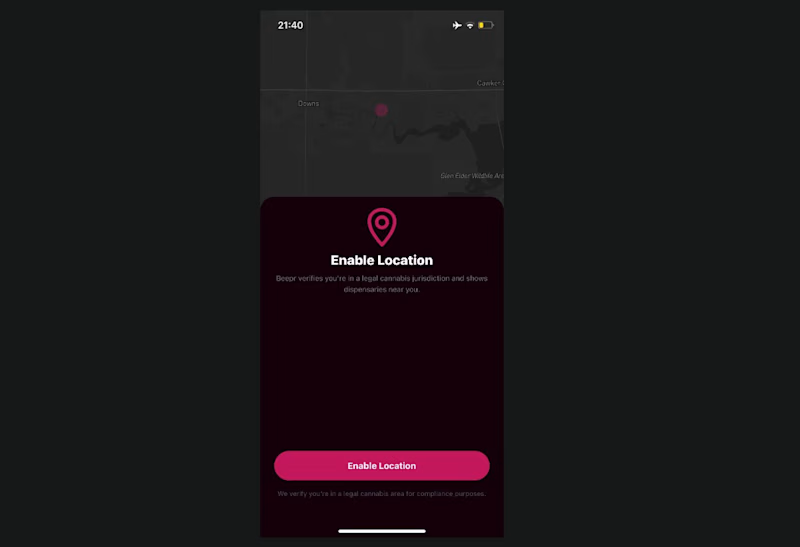
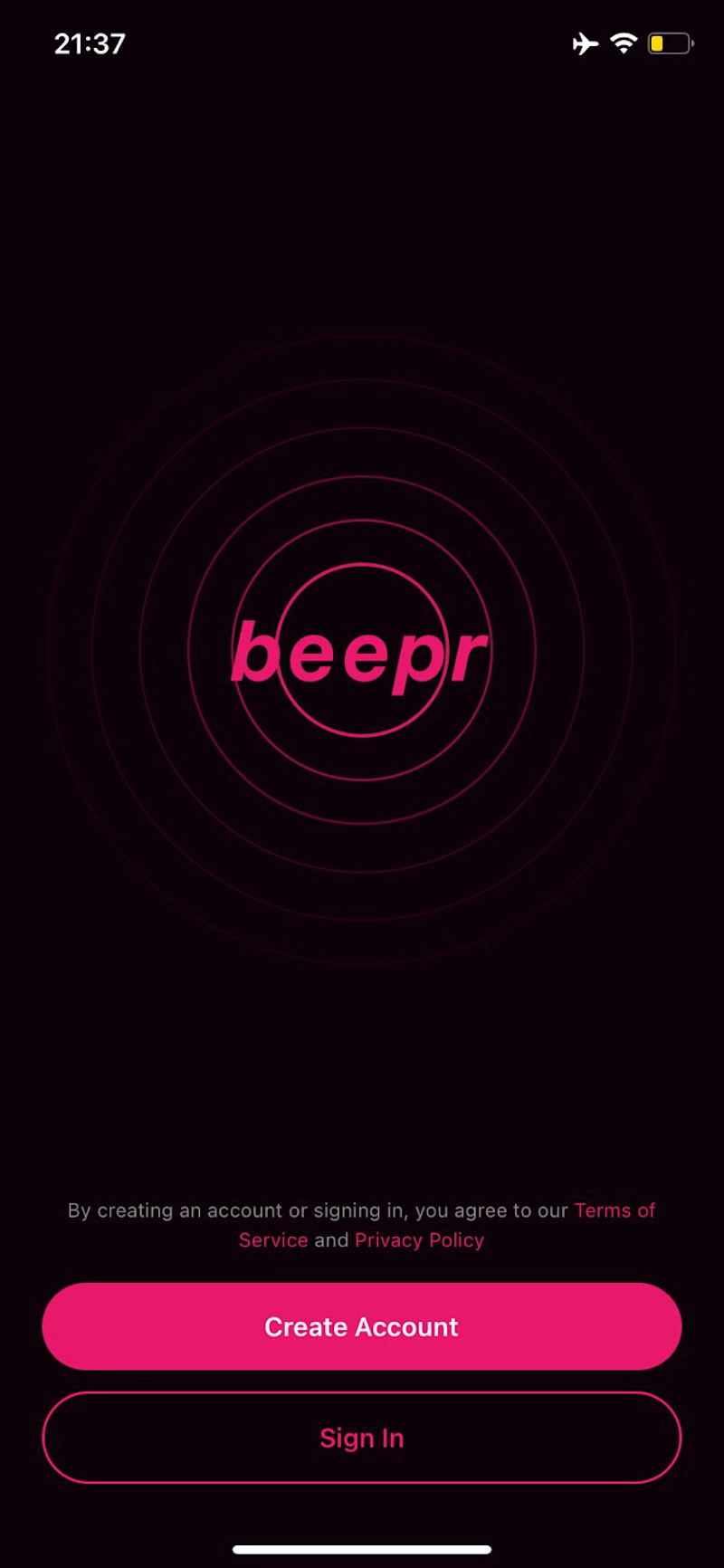
Took Beepr from Capacitor WebView prototype to production React Native + Expo Bare.
Audited 51 Supabase Edge Functions, rebuilt background geolocation for native, added PostGIS.
Zero downtime. 100% background geolocation reliability.
If your app outgrew its prototype, DM me.
1
301
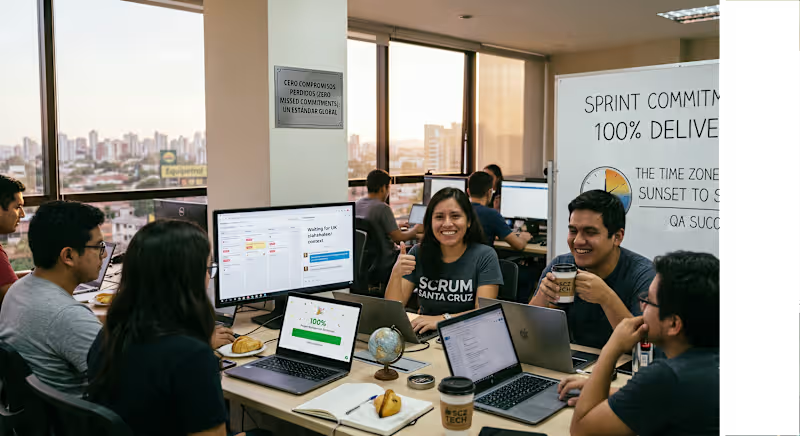
One thing I learned migrating a mobile product from a WebView MVP to React Native: the hardest problems usually aren't the screens.
On Beepr, the real blockers were background execution, geolocation reliability, push notifications, slow geospatial queries, and backend logic that had grown without a clear audit trail.
I led the migration to React Native with Supabase, PostgreSQL, PostGIS, and native background capabilities. I also audited 51 Supabase Edge Functions and designed a zero-downtime cutover so the product could keep serving users during the transition.
The takeaway: before rebuilding a mobile app, find out which problems are architectural and which are merely visual. A prettier interface won't fix unreliable background services, weak location enforcement, or slow queries.
Curious what other teams have found when moving from a WebView-based MVP to a production mobile app.
8:58
1
2
321


AI Engineering & Full-Stack Apps | Webflow Expert 🚀

Webflow + custom GSAP — this is what's possible when you go beyond templates.
Built this for a premium gin brand. Every scroll trigger, bottle transition, and video background is hand-coded on top of Webflow.
No third-party frontend framework. Just clean the custom code where it counts.
What's your go-to animation library for Webflow projects?
1
1
113

Brand identity, UI/UX & web design studio in Frankfurt
New to Contra
Brand identity, UI/UX & web design studio in Frankfurt