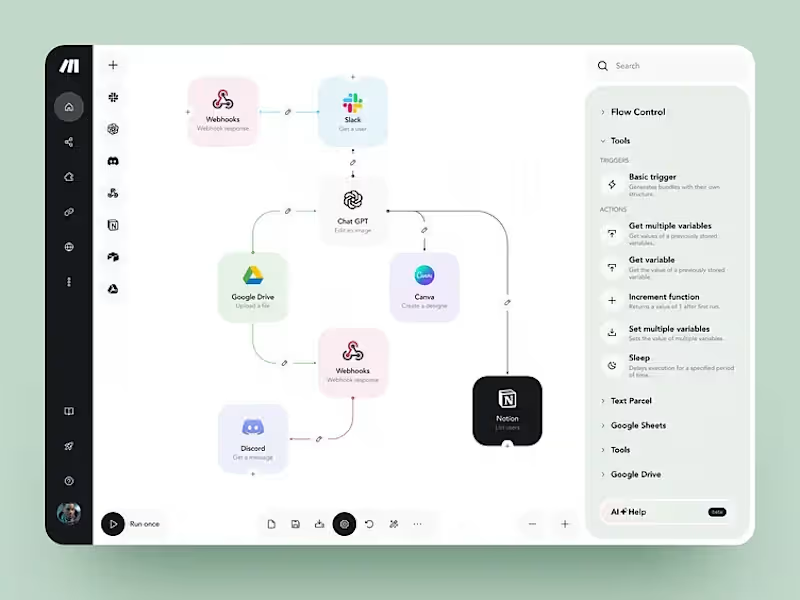
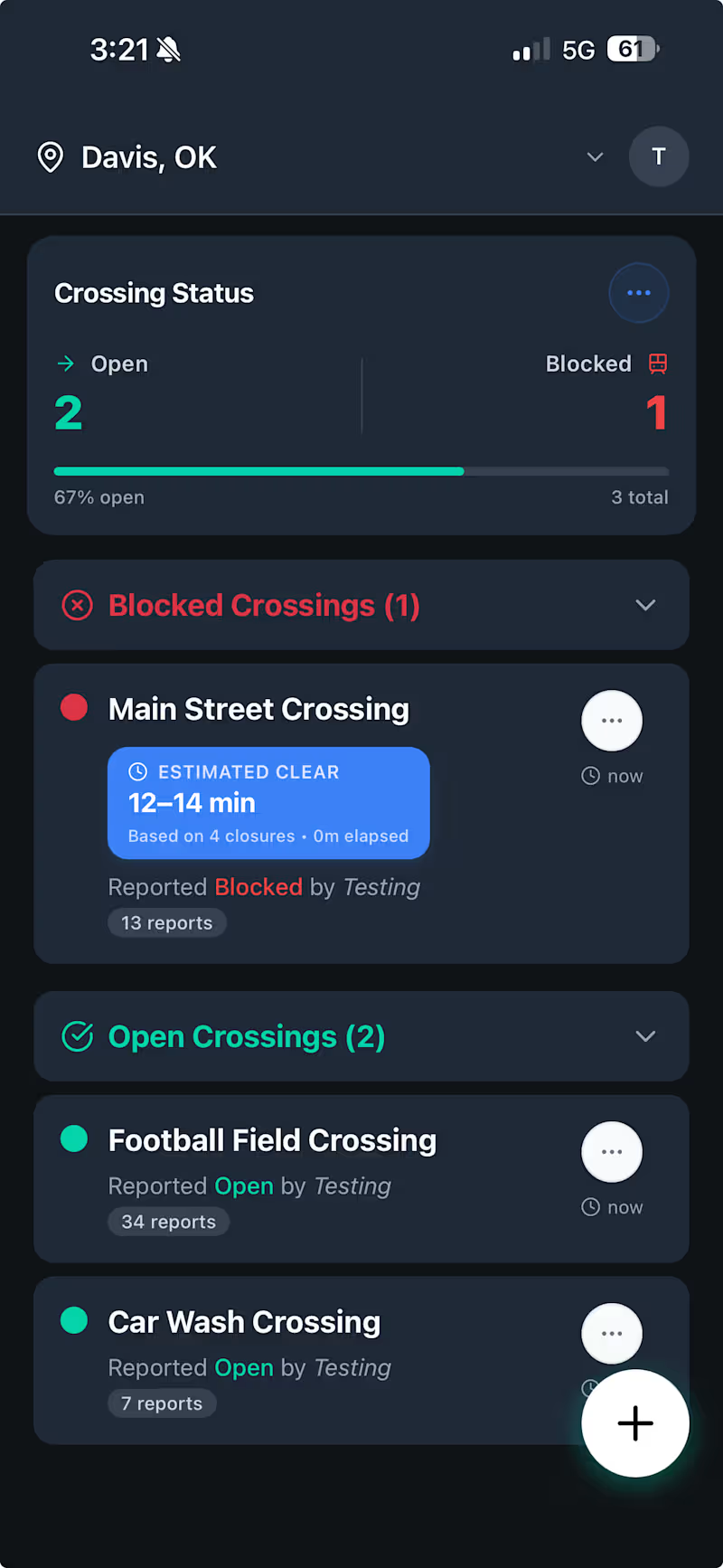
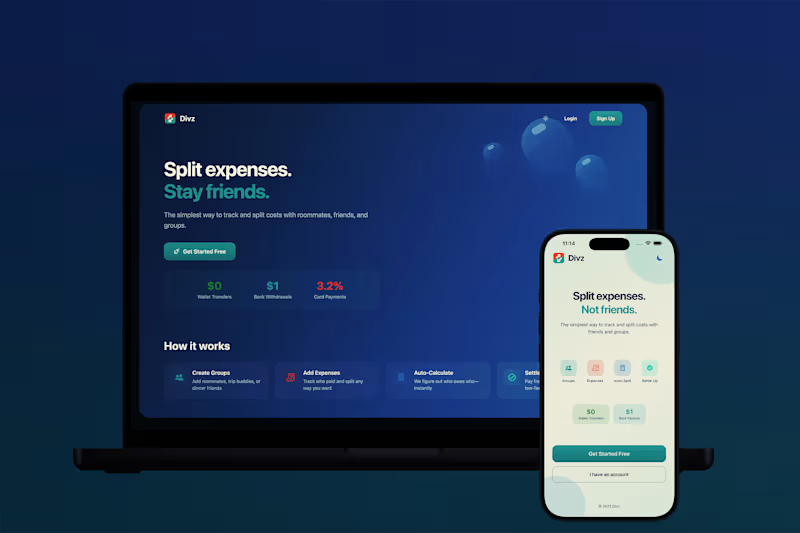
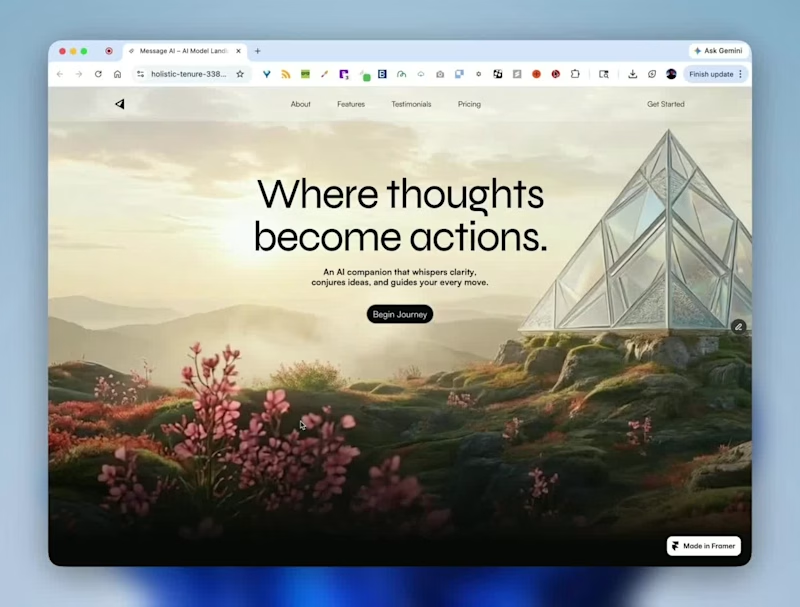
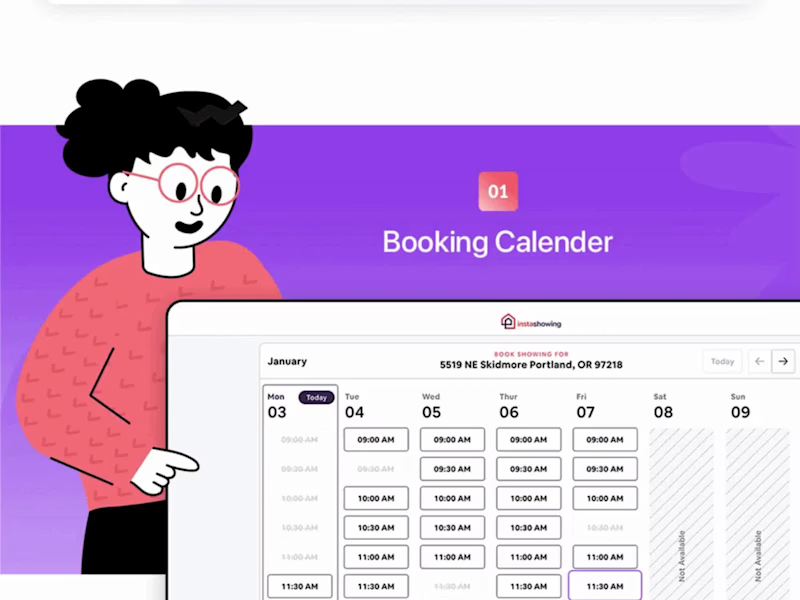
AI Application Development Projects in CaliforniaAI Application Development Projects in CaliforniaSeveral designers had contributed to the product over time, each building on the previous work, which naturally created some inconsistencies and gaps.
And my role was to bring everything together, aligning, filling missing states, removing redundancy, and providing clear annotations to support the dev team.
Problem
People want to turn their closet into cash, but selling is tedious. Writing descriptions, comparing prices, and managing multiple listings takes more time than it’s worth, so great pieces end up sitting in the closet.
Solution
CNTRL removes the friction. Users snap a photo or search the item, and AI creates the description, shows pricing trends, and recommends the best platforms. The app cross-posts automatically and delists everywhere once the item sells, helping users make money faster with far less effort. ✨ What could your Shopify store become?
A lightning-fast custom storefront.
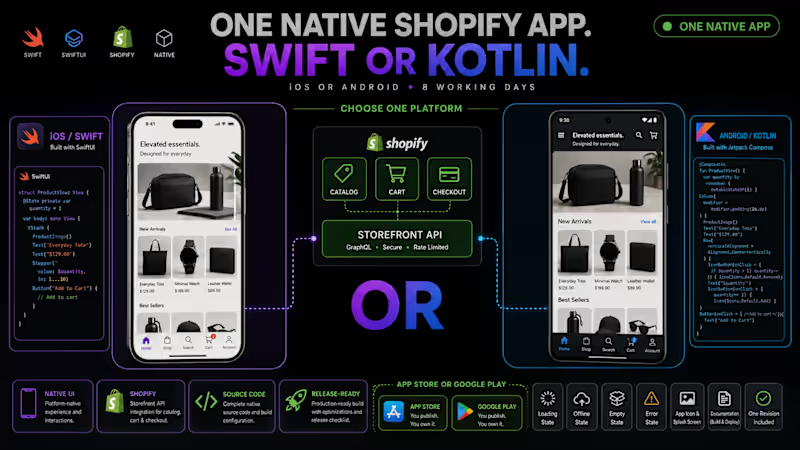
A polished iOS and Android shopping app.
An interactive product experience customers actually remember.
I help ambitious brands turn Shopify into more than an online store.
Using Next.js, React, React Native, and Shopify, I can create:
🛍️ High-performance custom Shopify storefronts
📱 Branded mobile apps for iOS and Android
⚡ Fast, responsive product and collection pages
🔎 Intuitive search, filtering, cart, and checkout flows
🎨 Custom interfaces that feel unmistakably yours
🌐 Interactive 3D, animation, and immersive product experiences
🔌 Integrations that connect Shopify with the tools your business depends on
With React Native, your store can become a polished mobile shopping experience across both major platforms. With Next.js, we can build a modern storefront with greater creative freedom, excellent performance, and room for experiences that go far beyond a standard theme.
Have a product customers need to see in 3D? Want a virtual showroom, interactive configurator, loyalty experience, custom campaign, or something that has never been built before?
That’s where things get fun. 🚀
I bring 20+ years of creative technology and engineering experience to every project—from ecommerce and mobile applications to gaming, WebXR, cloud platforms, and production-ready interactive experiences.
If you have an ambitious idea, let’s turn it into something fast, joyful, useful, and unforgettable.
Explore my services and let’s build something great together:
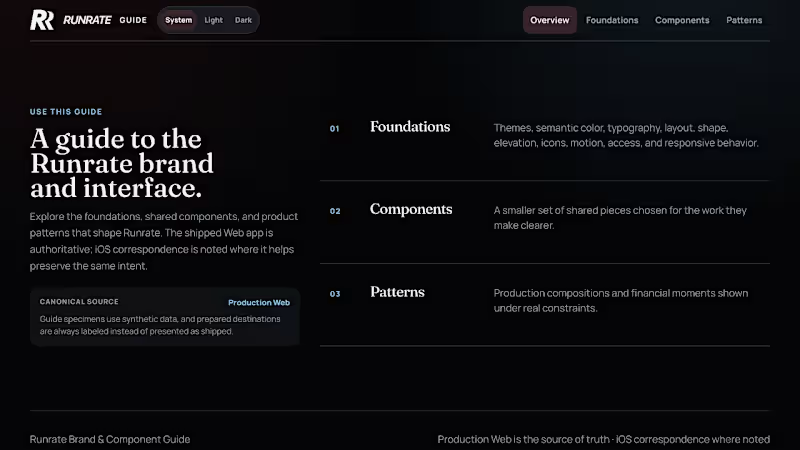
https://contra.com/brendon_smith_axke294z/services?r=brendon_smith_axke294z I built Runrate's design guide in HTML by describing it to Codex in natural language instead of starting in Figma.
It still covers what I would normally organize in a Figma library:
- semantic color tokens and themes
- typography, spacing, shape, elevation, icons, and motion
- accessibility and responsive behavior
- reusable components with states, usage guidance, anti-patterns, and live examples
- product patterns for the ledger, accounts, forms, navigation, and risk or recovery states
- guidance for translating the same intent between Web and iOS
The difference is that these are not static frames.
The tokens are implementation contracts. The components can be used in the browser. The patterns include real constraints, interaction behavior, and accessibility. Production Web remains the source of truth.
Then I point the project's AGENTS.md file at the guide.
The instruction is essentially this:
Before creating or changing a customer-facing Runrate surface, consult the design guide. Use Foundations for tokens, hierarchy, and voice. Use Components for behavior and states. Use Patterns for composition. Reuse the existing system before extending it.
That applies to new product features, email templates, marketing creative, and anything else that should match the guide.
So the design system is not only a library.... it becomes part of the context used to generate the work.
https://myrunrate.com/design
What do you think about this? And are you making your design system readable by agents? Curious what other people are doing.