SaaS & MVP Developer | Laravel, Vue, React + Native, Flutter
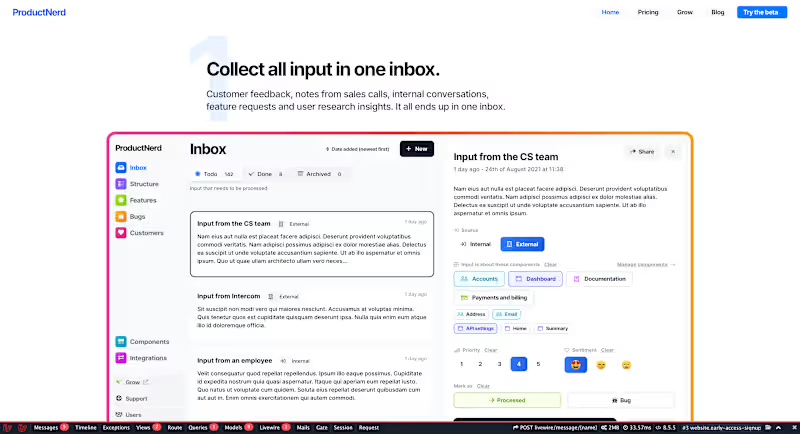
Product Nerd — SaaS Product Management Platform
Project Goals: Product Nerd is a Laravel-based SaaS platform for product management and competitor monitoring. It tracks competitors' blog posts via CSS selectors, manages customer data, handles bug/feature reporting, and provides an inbox system — all with role-based access control (Spatie permissions), Livewire UI, and Paddle payments.
My Contributions:
New feature: Built the Competitor Radar system — a scheduled command that scrapes competitor blogs for new posts using configurable CSS selectors, indexes them, and sends email/Slack notifications when fresh content is detected (CompetitorRadarCommand, FetchCompetitorBlogPosts job, event-driven notification flow)
Bug fixes: Resolved favicon rendering, toast styling for long messages, DOM diffing issues, selected inputs tab state, and fixed integration tests after code refactoring
Test suites: Wrote comprehensive Pest PHP test suites across 15+ feature tests covering Bugs, Features, Structure, Inbox, Customers, ManageComponents, Competitor Radar, User Management, Authentication, Email Verification, and multiple integration tests (API, Email, External/Internal Portal)
Impact: Transformed the project from having minimal test coverage to a fully tested codebase with structured test patterns, ensuring reliability for the competitor monitoring feature and preventing regressions across core modules.
0
112
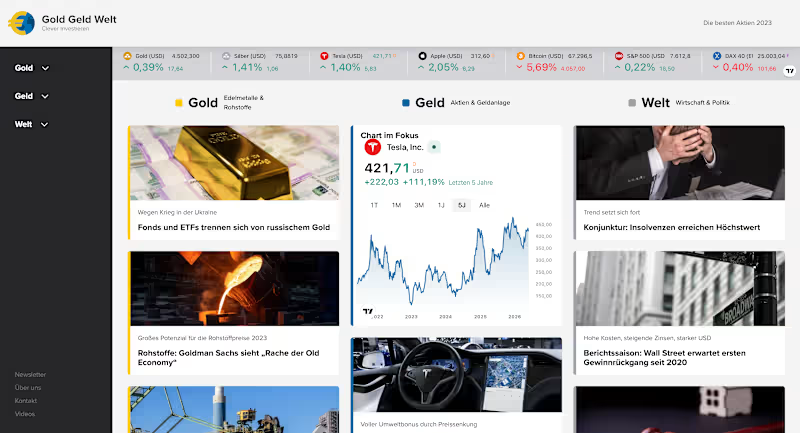
GoldGeldWelt — Financial Content Platform (Laravel + Statamic CMS)
A German-language financial news and investment content platform built with Laravel 8 and Statamic CMS.
The project features:
- Custom CMS workflow for managing articles, authors, and categories
- Multiple RSS feed systems (partner, category, Google, weekly)
- Newsletter subscription/unsubscribe flows with Mailchimp integration
- PDF generation for freebie downloads
- Dynamic author profiles
- Sitemap generation
- Captcha protection
- AJAX-powered frontend using jQuery, TailwindCSS, and AOS animations.
0
102
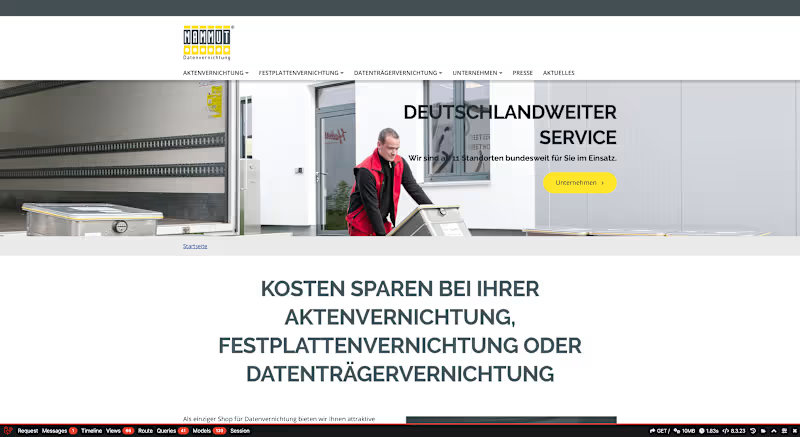
Mammut SEO Portal & E-Commerce Platform
A full-stack e-commerce and SEO-driven marketplace platform. The portal connects customers with local service partners for document destruction, data carrier disposal, and office waste management services.
Key features include:
- SEO-focused architecture generating thousands of regional landing pages
- Multi-region marketplace with partner assignment by postal code and geographic territory
- E-commerce functionality: product catalog, shopping cart, order management, and payment processing
- Dashboard built with DataTables for managing partners, products, pricing, and orders
0
134
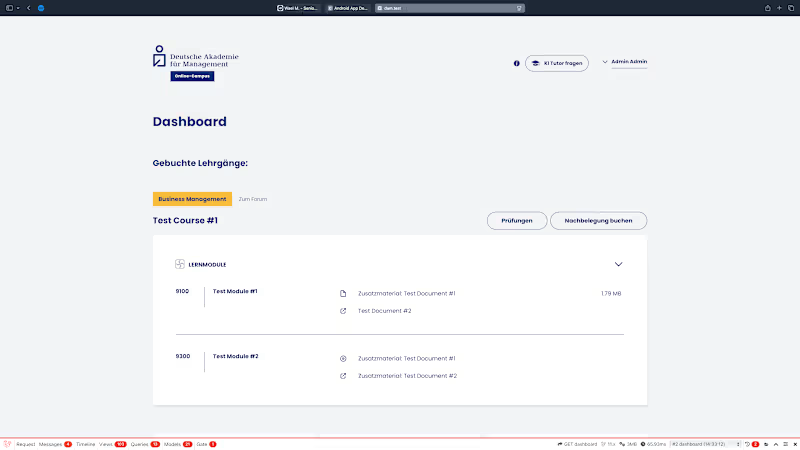
DAM – Educational Institution Management Platform (Laravel 11)
Developed this project from scratch.
This online campus system manages academic programs from course creation to student registration, payment processing, and dashboard portals.
Key features: multi-mode registration, AI tutor chat (Pinecone RAG), role-based forums, club management, PDF/Excel tools, and iCal integration.
Tech stack: Laravel, Livewire 3, Tailwind CSS, MySQL, Docker (Nginx + PHP + MariaDB), Cypress E2E testing. Architecture: UUID models, soft deletes, polymorphic relationships, background job queues, multi-theme support.
2
266

Artistic Web Developer
Artistic Web Developer



Building Secure, Dynamic Websites with MERN
Building Secure, Dynamic Websites with MERN



Full-Stack Developer | Built 2x SaaS | Next.js - Node.js
Full-Stack Developer | Built 2x SaaS | Next.js - Node.js

View more →

Frontend Expert: Quality Web Apps & Hybrid Mobile Apps
- $10k+
- Earned
- 1x
- Hired
- 5.0
- Rating
- 8
- Followers
Frontend Expert: Quality Web Apps & Hybrid Mobile Apps





UI/UX Designer
One Problem, 3 Different Solutions | UI/UX Challenge
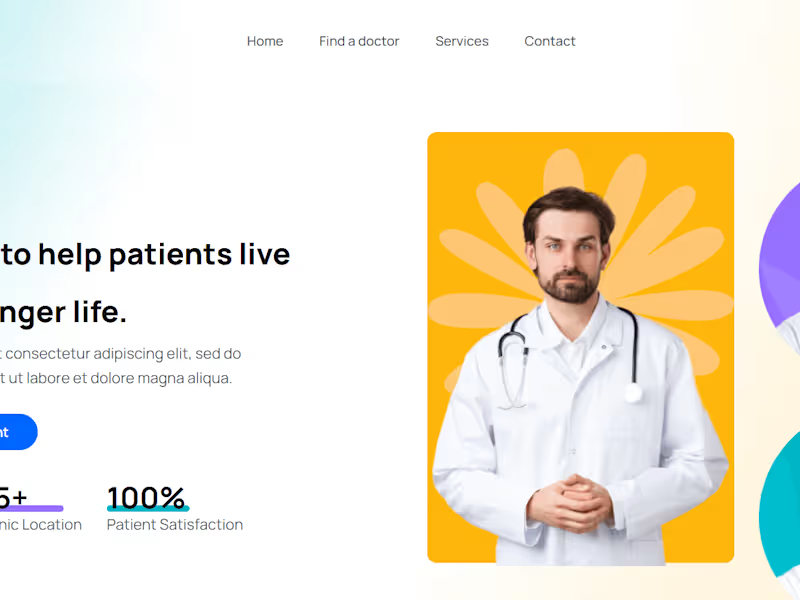
The Challenge: Simplifying doctor appointment booking by making available time slots clear and easy to select.
Three Design Approaches:
🟢 Calendar View — Find available dates at a glance.
🟢 Time Slots List — Choose an appointment quickly.
🟢 Step-by-Step Flow — Enjoy a guided, seamless booking experience.
Same problem, three different approaches — all focused on creating a better user experience.
Which solution would you choose, and why?
0
89

AI Automation & Data Engineering | Senior Full-Stack Eng
AI Automation & Data Engineering | Senior Full-Stack Eng


View more →

Full-Stack Engineer | Java, Spring Boot, Angular | SaaS

Solving the "Last Mile" in Enterprise SaaS: My Native Multi-Tenancy Architecture 🚀
Hey everyone,
After years of building Enterprise applications, I noticed a recurring bottleneck: we spend months just setting up the foundational plumbing (Data isolation, JWT, Billing, RTL support) before touching the actual business logic.
To solve this for my own freelance projects and agency clients, I spent the last few months building a production-ready Enterprise Boilerplate.
The Stack & Architecture:
Backend: Java 25 & Spring Boot 4
Frontend: Angular 21 (Standalone components)
Data Isolation: Native Hibernate Multi-tenancy (Strict schema/database separation per tenant)
Localization: Dynamic RTL/LTR with bilingual JasperReports generation.
I built this specifically to cut a 4-month MVP development cycle down to just 14 days without sacrificing bank-grade security.
I’ll drop the link to the live demo in the comments if anyone wants to see the architecture in action.
I’m curious to hear from other Fullstack Engineers here—how do you usually handle strict multi-tenancy in your freelance client projects?
Do you build from scratch every time, or rely on specific patterns?
Would love to discuss architecture and share insights!
1
1
209