


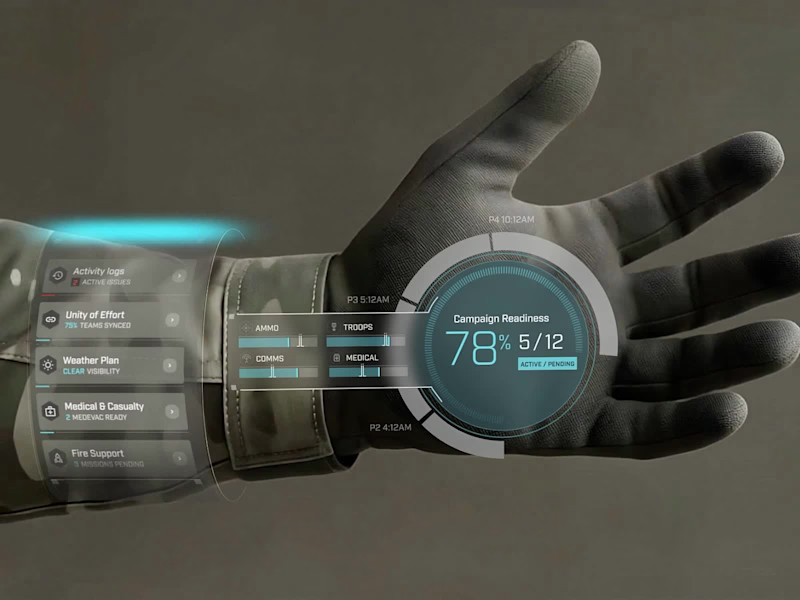
For this project, I had the chance to design a VR training system for soldiers, simulating real-world mission scenarios. My focus was on creating an interactive, efficient, and accessible experience, ensuring both learning effectiveness and user engagement.
Each screen was crafted to deliver essential information clearly and intuitively - from risk zone symbols to interactive mission progress charts. The integration of real-time feedback empowers soldiers to make swift tactical adjustments, ensuring quick decision-making during training.
This project blends cutting-edge VR technology with human-centered design, allowing soldiers to interact confidently with the system while preparing for any situation, all without the risks of traditional field training.
1
3
237
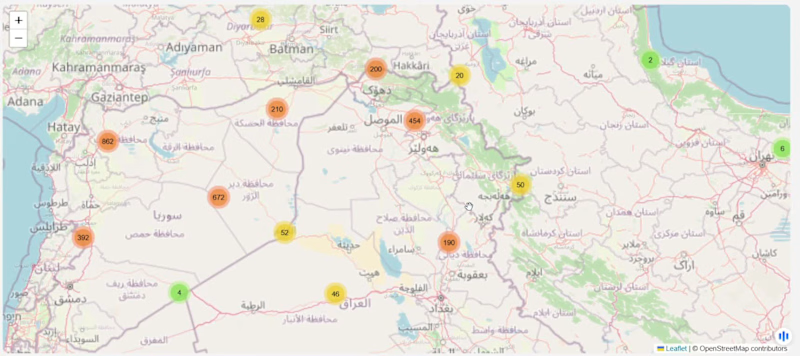
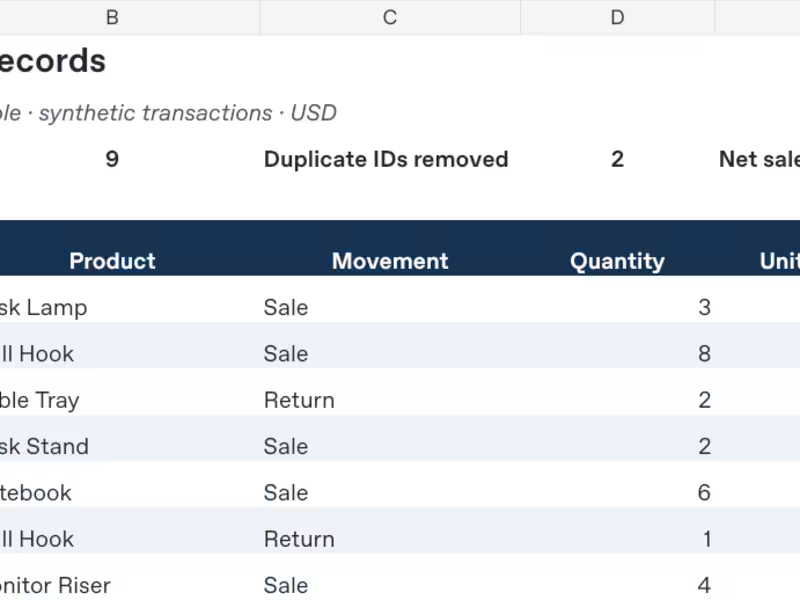
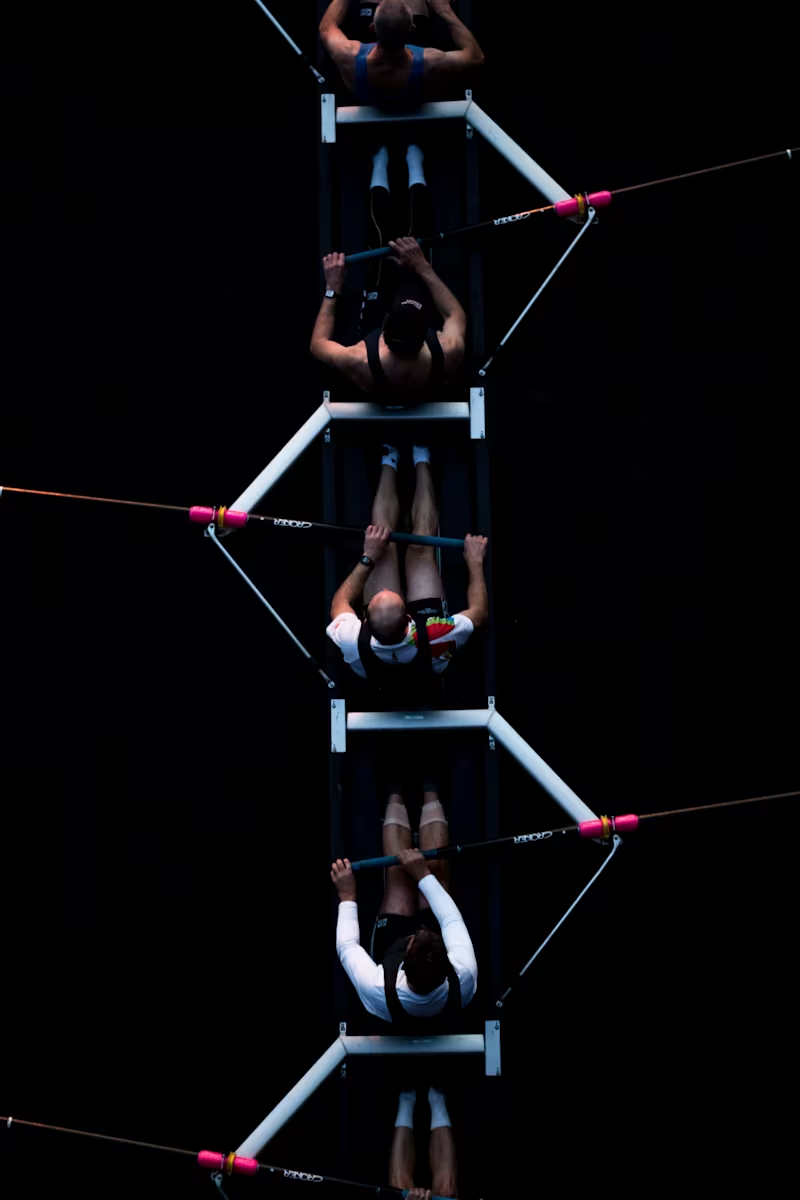


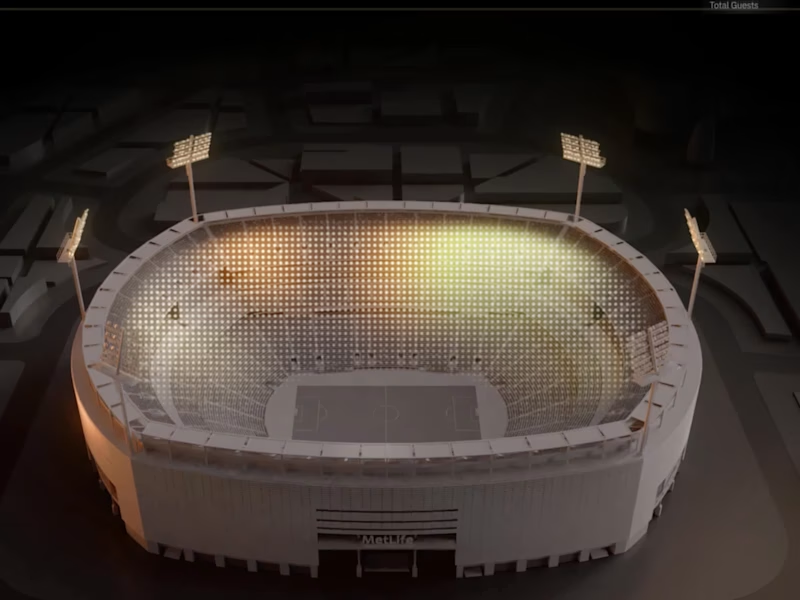
As a designer, I focused on crafting an experience that brings clarity to complexity. This project embodies the future of intelligent stadium management and sets a new standard in how we interact with data at scale.
This bird’s-eye view gives an effortless preview of how data flows across the venue, highlighting availability, network performance, and traffic patterns, helping managers ensure smooth operations for thousands of spectators.
Through motion-driven design, complex data is turned into meaningful insights. Dynamic, color-coded charts and intuitive visuals reduce cognitive load, offering clear, actionable information, like network status, crowd accessibility, and engagement - at a glance.
The real power of this animation lies in its ability to provide contextual insights at scale, enabling proactive decision-making.
2
2
218