The network for creativity
Join 1.25M professional creatives like you
Connect with clients, get discovered, and run your business 100% commission-free
Creatives on Contra have earned over $150M and we are just getting started
Back to feedPost

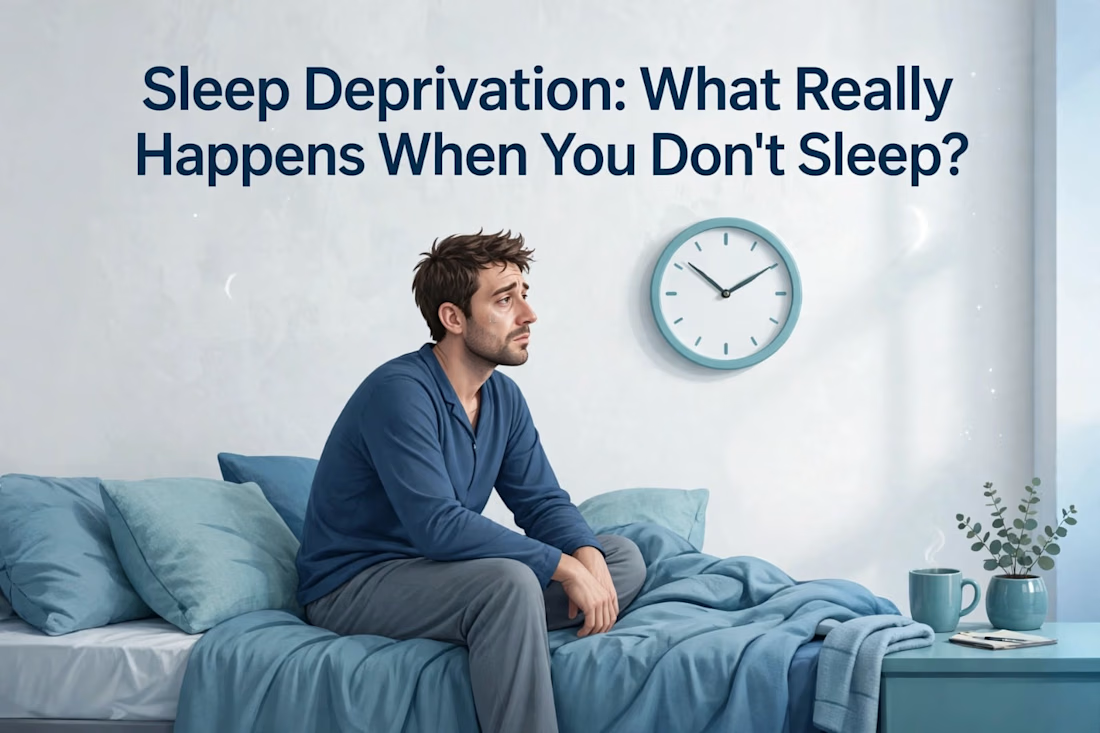
Sleep Deprivation: What Really Happens When You Don't Sleep?
By Nawab Ali | Medical Writer We all have nights when sleep just doesn't come. One bad night feels annoying. But when poor sleep becomes a habit, it starts changing how your brain and body work — slowly, quietly, and in ways most people don't notice until it's too late. What Is Sleep Deprivation? Sleep deprivation simply means your body is not getting the sleep it needs to recover. For most adults, that is 7 to 9 hours. But it's not only about hours. If you sleep for 8 hours but keep waking up, your brain never finishes its repair work. That is also sleep deprivation. Think of sleep like charging your phone. If you unplug it at 40% every day, it will still turn on — but it will die faster, lag more, and eventually shut down at the wrong time. What Happens After Just One Bad Night? After one night of poor sleep, you may feel: Heavy eyes and headache Slow thinking and forgetfulness Irritability over small things Craving for sugar and caffeine Difficulty focusing on work or study This is your brain running on low battery. It can still work, but not at full power .What Happens When It Becomes Regular ?When lack of sleep continues for weeks or months, the effects go deeper:1. Your Brain Slows Down
Your memory, decision-making, and reaction time all get worse. You start making mistakes you would normally never make.2. Your Mood Changes
Poor sleep increases stress, anxiety, and low mood. Small problems feel much bigger than they really are.3. Your Immunity Drops
People who sleep less get sick more often. Sleep is when your immune system repairs and prepares itself.4. Your Heart and Weight Are Affected
Long-term poor sleep is linked with high blood pressure, weight gain, and blood sugar problems. Your body stays in stress mode instead of rest mode.3 Common Myths People Believe Myth 1: "I can catch up on weekends"
You can rest a little, but you cannot fully repay weeks of sleep loss in two days .Myth 2: "I only need 4-5 hours, I am used to it"
Most people who say this are not used to it — they have just forgotten what feeling fully rested feels like. Myth 3: "Coffee can replace sleep"
Coffee can hide tiredness for a few hours, but it cannot do the repair work that only sleep does. How To Sleep Better Starting Tonight You don't need expensive supplements. Start with these simple habits: Fix your time: Sleep and wake up at the same time daily, even on weekends. Cut screens 30 minutes before bed: Phone light tells your brain it is still daytime. Make your room dark and cool: Your brain sleeps faster in darkness. Stop caffeine after evening: Chai and coffee late at night can keep you awake for hours. Don't force sleep: If you can't sleep, read a book or sit quietly instead of scrolling. Final Thought Sleep is not a waste of time. It is the time when your body heals, your brain clears, and your mood resets. If you are always tired, don't just accept it as normal. Your body is asking for rest — listen to it before it forces you to stop.


The network for creativity
Join 1.25M professional creatives like you
Connect with clients, get discovered, and run your business 100% commission-free
Creatives on Contra have earned over $150M and we are just getting started



Related posts

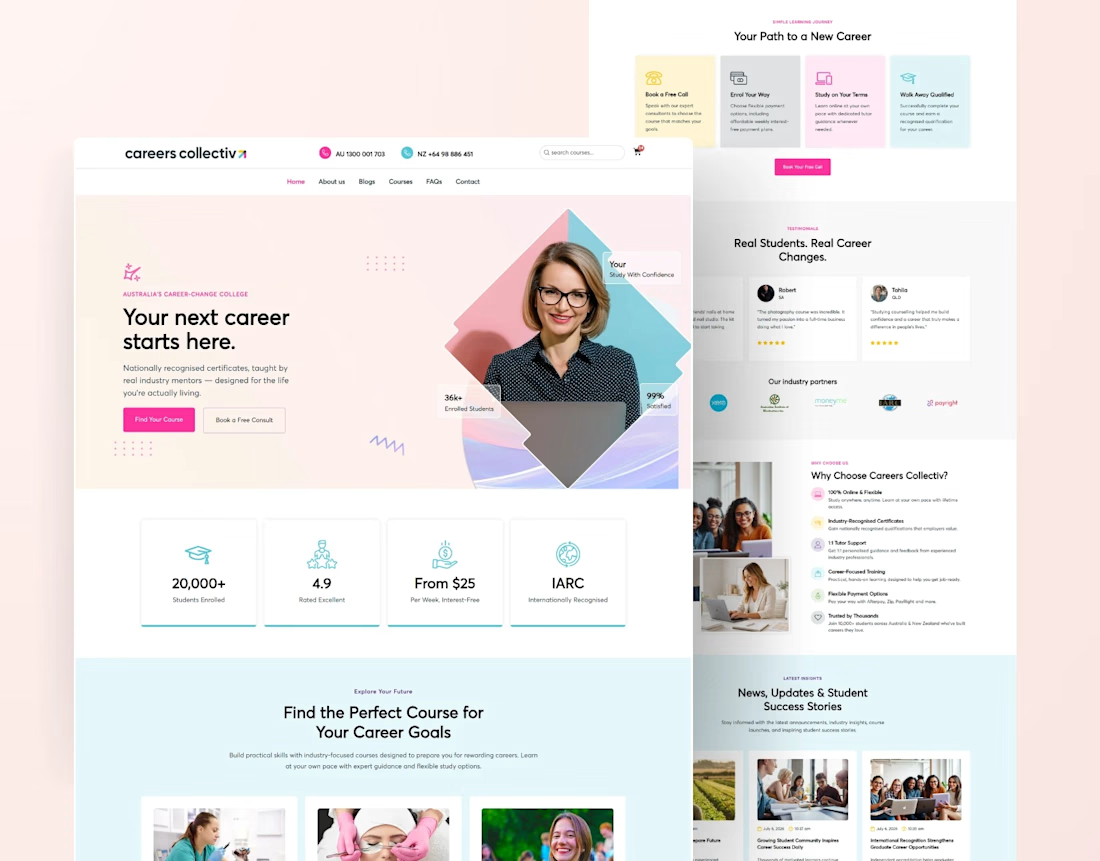
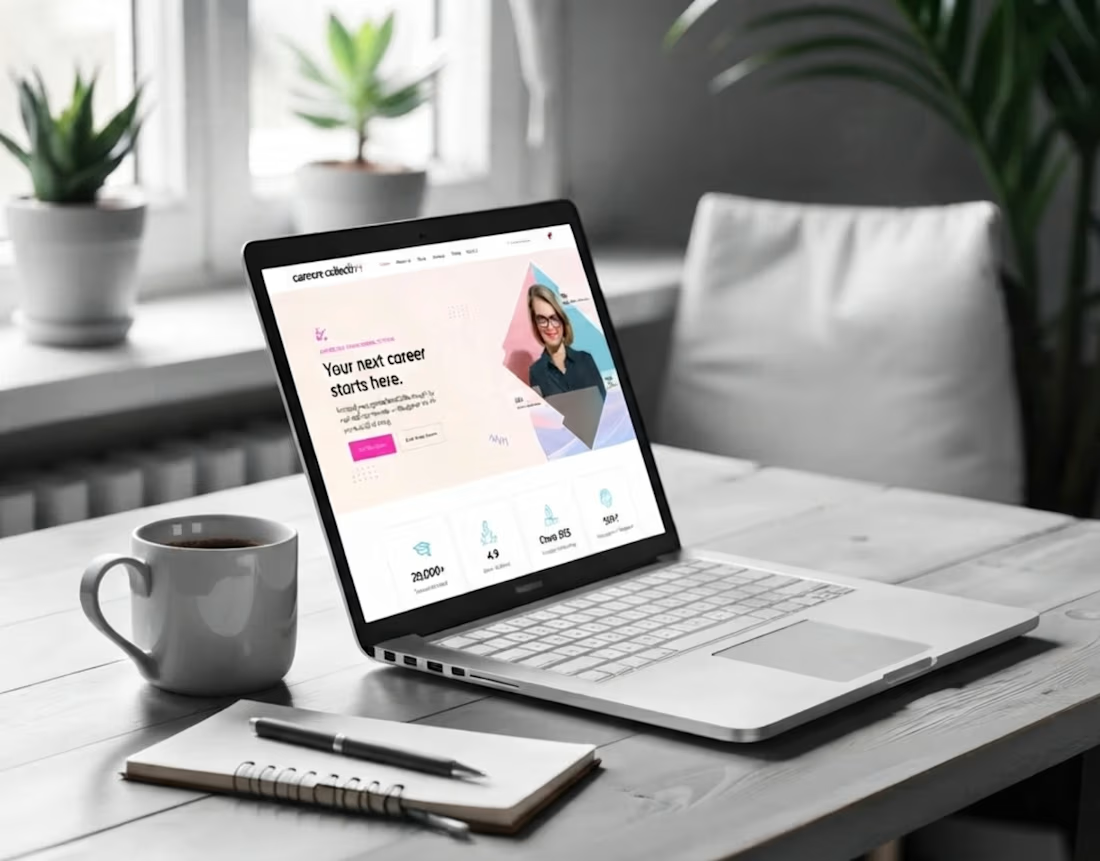
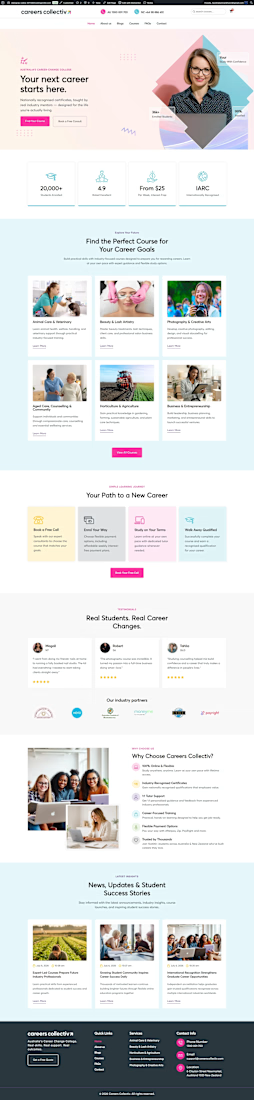
Educational College Website | Modern Kajabi Web Design
This project was about turning a college's online presence from a digital brochure into something that actually enrolls students. They needed a website that loaded fast, guided visitors naturally, and made the leap from "I'm interested" to "I'm applying" feel obvious.
Built on Kajabi, so the whole thing runs in one system: no clunky add-ons, no plugins fighting each other, no inflated maintenance.
What went into it:
Modern, mobile-first design that reflects identity
Clear program and course pages that answer questions before they're asked
A streamlined admissions funnel from first visit to application
pages, all built to convert, not just to look pretty
The part I care about most: it performs. Every section exists to move a prospective student one step closer to saying yes.
If your school, academy, or education brand is living on a dated site, that's my lane. Let's build yours.




I gave myself one rule: no stock photos of doctors smiling at clipboards.
The result is Saraya Partners, a fictional healthcare operating partner. Calm, clear, and built around proof instead of promises.
Just an exploration, but it changed how I think about B2B sites.

"Hospitals that run as well as they care" is a strong line, and the partner logos right under the hero deliver proof instead of promises. The text over the dark photo gets a bit lost, a touch more contrast would help. Good rule to design under.
Freelancer on Friday: "Okay, closing the laptop."
Freelancer 10 minutes later: "Just one quick revision."
Freelancer on Saturday: still doing one quick revision.