The network for creativity
Join 1.25M professional creatives like you
Connect with clients, get discovered, and run your business 100% commission-free
Creatives on Contra have earned over $150M and we are just getting started
Back to feedPost

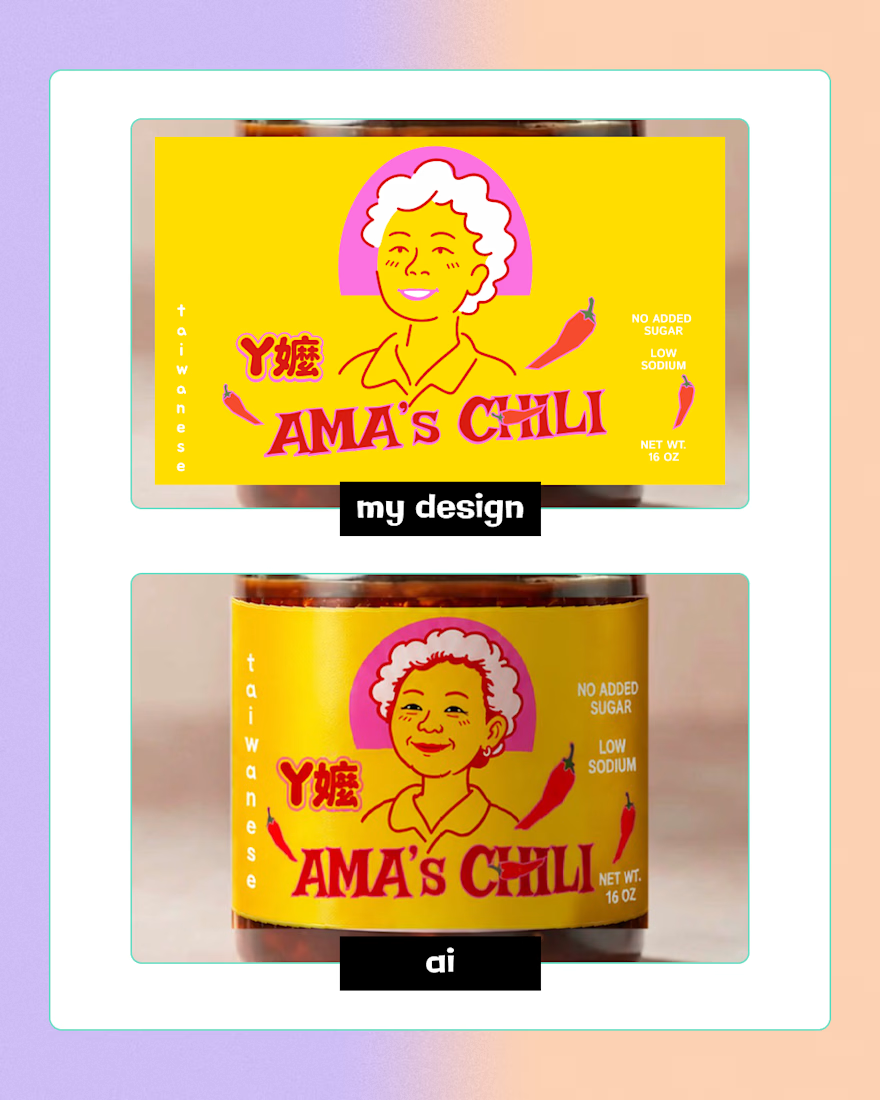
Which one is better?
My design, or AI?
Top: my label design.
Bottom: what the AI tool rendered on the jar.
AI is not bad in this case.
I like the contrast it shows.
But does she look like my grandma?
What it changed:
• Her smile. Mine is open and pink. AI closed it and made it red.
• Her eyes. Mine are two lines. AI gave her pupils.
• Her face. Rounder cheeks, a heavier line, and an earring I never drew.
The tool gets you most of the way.
Knowing what changed is the designer's job.
Top or bottom?
The network for creativity
Join 1.25M professional creatives like you
Connect with clients, get discovered, and run your business 100% commission-free
Creatives on Contra have earned over $150M and we are just getting started


Related posts

hey there 👋 I'm working on an AI startup that matches you with people who dress like you.
I made two intros for the site and honestly, I'm not sure which one to use. I have a slight favourite, but I want to see what everyone thinks first.
which one would you keep?
8 votes
Ends in 1d

For a 'people who dress like you' product I'd lean fast cuts, quick outfit flashes sell the matching idea before anyone reads a word. The grid could make a great second section once people want to browse. What's your slight favourite?

What if the power grid went down tomorrow and hashtag#AI crashed? How many of today’s design projects would still move forward?
It’s tempting to start with a flat vector, write a good hashtag#prompt, and get a photorealistic render in seconds. It’s an incredible visual tool, but we risk confusing image generation with solving a real project.
Design demands much more: interpreting a brief, understanding volumes, anatomy, materials, moulds, product morphology and manufacturing costs. It means solving complex problems on a blank sheet of paper, with no algorithm to guide you.
After 20+ years in the world of hashtag#design and hashtag#advertising , I’ve seen many technological waves come and go. My takeaway is always the same: tools evolve, but judgement and technical foundations are what truly sustain a product. Of course, I integrate generative AI into my workflow to speed up processes and explore paths. But I use it as an amplifier for my ideas, never as a crutch to cover technical gaps. Taste and design judgement can’t be downloaded.
Here’s a real case, run as an AI vs. no-AI comparison.
The Golf Challenge at Hackett Sport AW25
At AWWG, we worked on the concept development to enter a highly competitive niche: golf, for Hackett London’s Sport division. The goal was to lay the foundations for a new footwear line from a very demanding brief.
I developed it alongside Tono Reche and Francisco Mateo Crespo working hand in hand with suppliers. Working with professionals of their calibre shapes a career.
I ran the exercise in two phases:
Generative AI exploration. First, I tested how far AI could go in brainstorming initial sketches and proposals from the brief. The results were visually striking, but they lacked technical coherence and didn’t solve the construction requirements the brand demanded.
Traditional process (no AI). Then I developed the project entirely from my freehand sketches, creating three complete upper and outsole proposals in Illustrator and Photoshop. This work allowed us to produce the first pullover samples and mock moulds for the three soles, ready for the presentation in London.
The conclusion was clear: AI is great for exploring quickly, but for technical detail and a complex brief, freehand drawing, mastery of the craft and close collaboration with suppliers make the difference.
The traditional route met every requirement and reached prototyping. The project was ultimately shelved due to brand budget adjustments, but it remains a perfect example of how a real product is built, from a hand sketch to technical definition.
So, back to the blackout: no power, no AI? The sketch, the judgement and the supplier relationships still stand.
Where do you draw the line between using AI and relying on it? I’d love to read your thoughts below
👇 🔗 Full case study (AI vs. no AI) and more portfolio projects here: https://piotrekperez.com/awwg-i-hackett-sport-i-aw25
#FootwearDesign #IndustrialDesign #ProductDevelopment #DesignProcess #HackettLondon #AWWG #Golfsneakers #Golf #FashionRecruitment #ProductDevelopment #CreativeDirector #ShoeManufacturing
#Opentowork #ShoeLast #FootwearManufacturing #FootwearDevelopment #OEM #ODM #FootwearProduction #SupplyChain #FootwearIndustry #Design #FootwearDesigner #ShoeDesign #DesignStrategy #PiotrekPerez #Opentowork


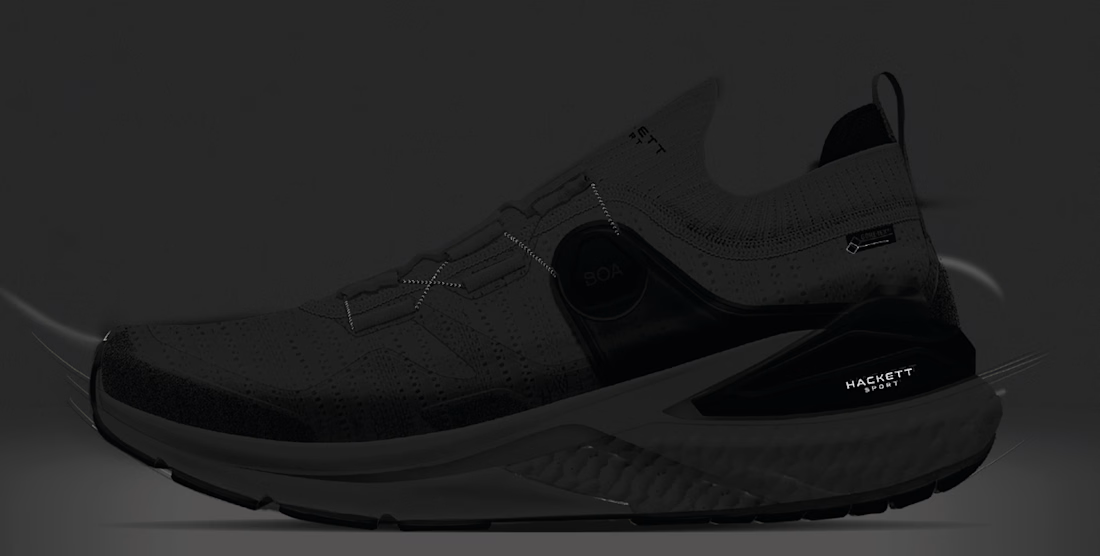
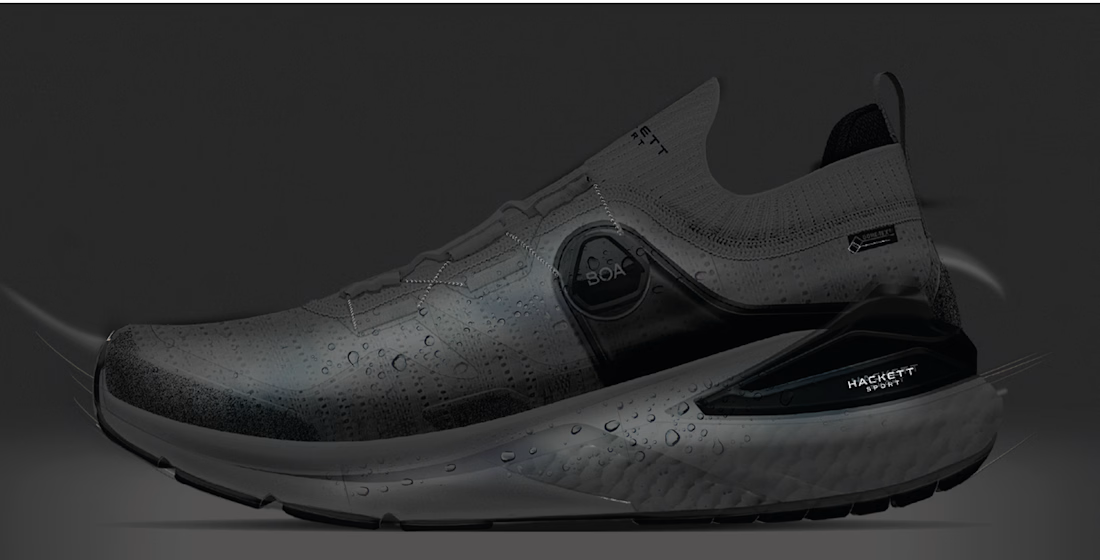
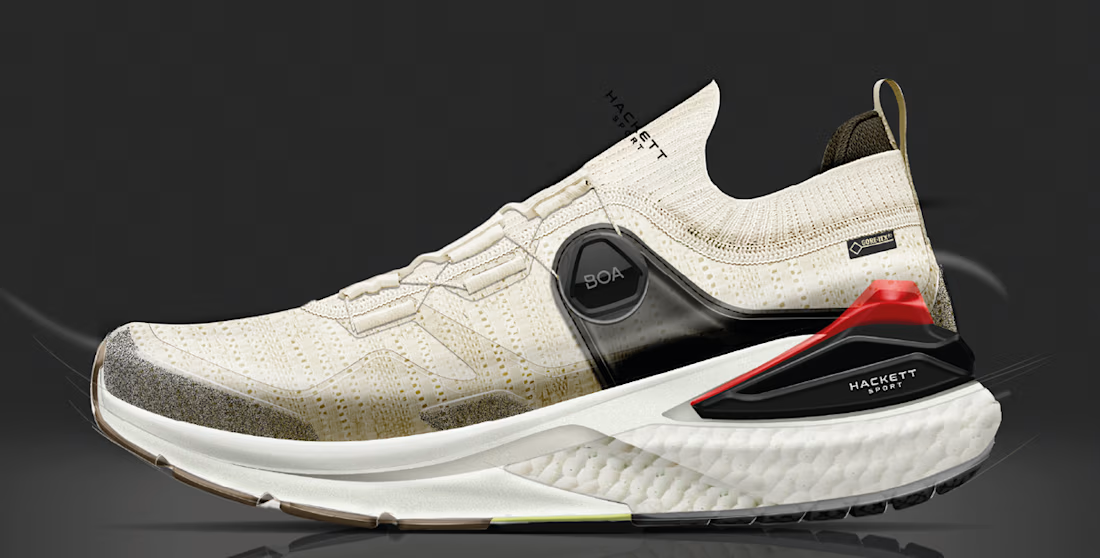
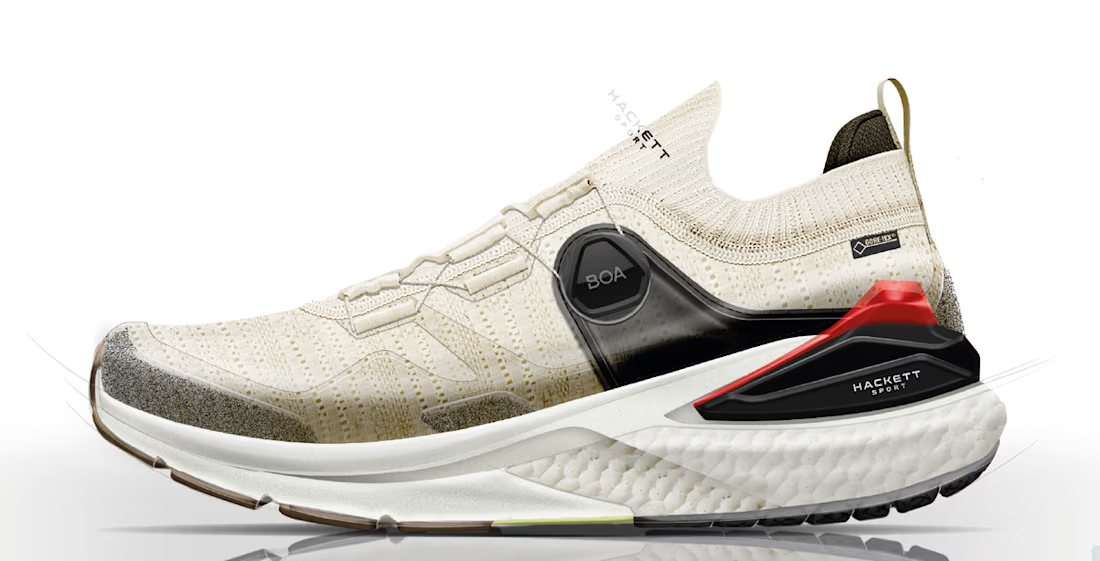

Is this an Ai design ?
Yes: what's the reason ?
No: what made you feel it ?