The network for creativity
Join 1.25M professional creatives like you
Connect with clients, get discovered, and run your business 100% commission-free
Creatives on Contra have earned over $150M and we are just getting started
Back to feedPost

Comprehensive Android application penetration test, reverse engineering analysis, and vulnerability assessment for a production-ready mobile application.
The Objective:
A mobile application provider required a full-scope security audit to evaluate their client-side attack surface, verify compliance with the OWASP Mobile Application Security Verification Standard (MASVS Level 2), and uncover critical runtime flaws before public deployment.
The Approach:
I executed a hybrid security assessment combining static application security testing (SAST), dynamic instrumentation (DAST), and automated reconnaissance. Every vulnerability was manually validated using tools like Frida, Objection, Jadx-GUI, and Burp Suite to eliminate false positives and scored using standard CVSS 3.1 metrics.
From a single comprehensive audit, I uncovered 19 reproducible findings:
1 High Severity: Insecure local data storage exposing unencrypted user credentials and private API keys in the shared preferences file.
4 Medium Severity: Broken cryptography implementations, insufficient SSL pinning mechanisms permitting Man-in-the-Middle (MitM) attacks, and unprotected exported Activities allowing unauthorized internal intents.
6 Low Severity: Lack of root detection, weak code obfuscation rules, and excessive logging of sensitive debug information via Logcat.
8 Informational: Outdated third-party SDK dependencies and missing compiler exploit mitigation configurations.


The network for creativity
Join 1.25M professional creatives like you
Connect with clients, get discovered, and run your business 100% commission-free
Creatives on Contra have earned over $150M and we are just getting started











Related posts

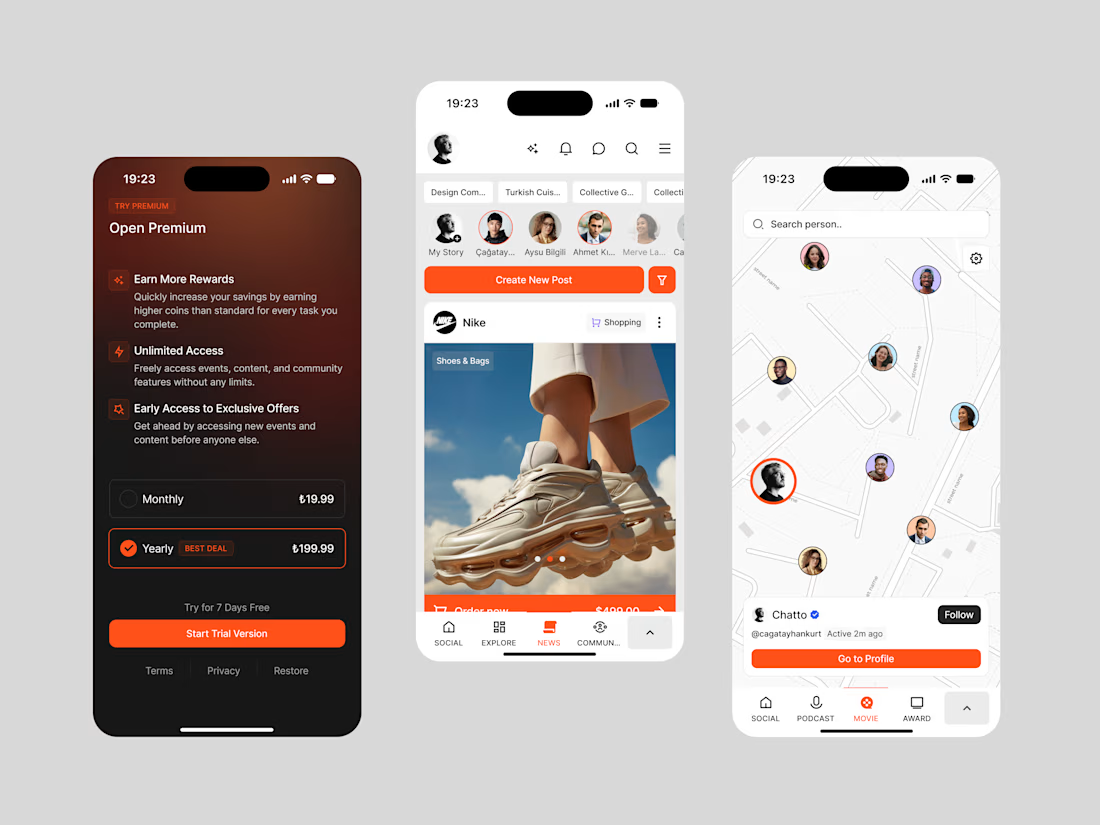

Currently working on these app screenshot for a project.


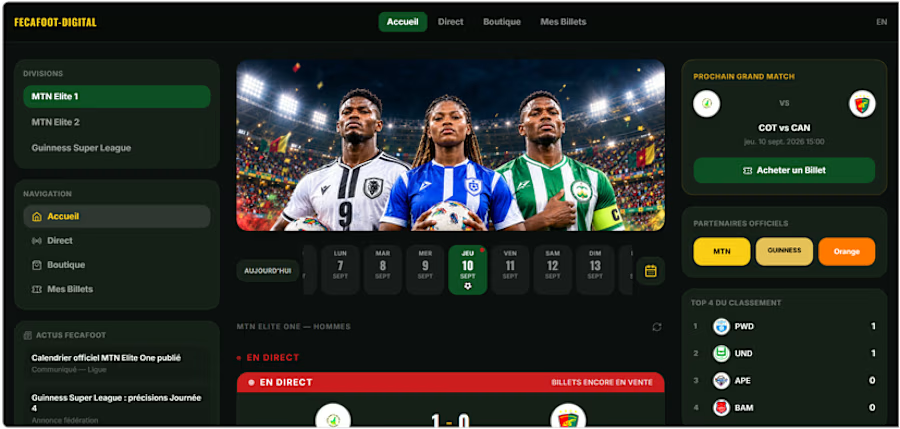
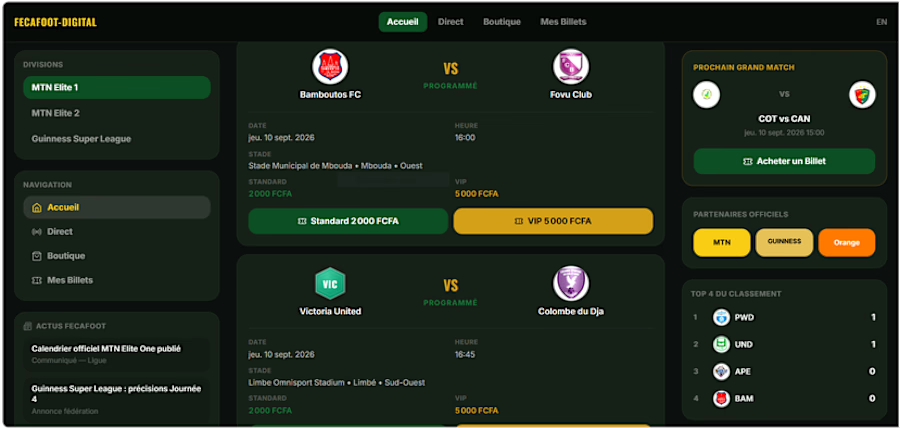
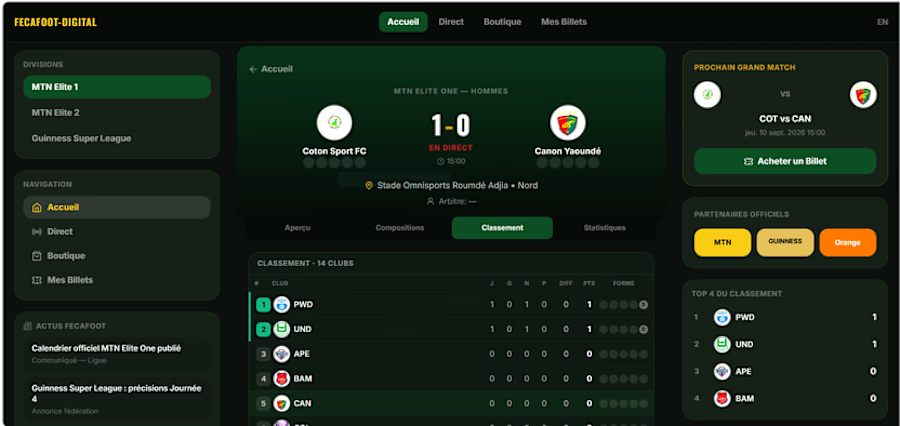
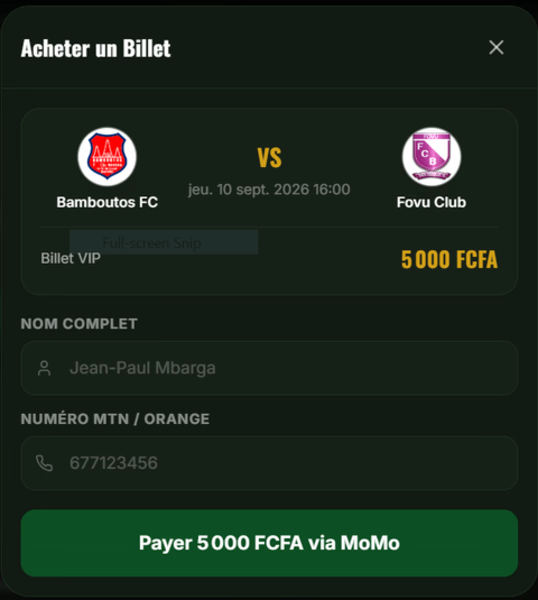
Engineered a comprehensive mobile app for Cameroonian football leagues, featuring match fixtures, digital ticketing, gate validation, and revenue metrics.