The network for creativity
Join 1.25M professional creatives like you
Connect with clients, get discovered, and run your business 100% commission-free
Creatives on Contra have earned over $150M and we are just getting started
Back to feedPost

Most MVPs don’t fail because the team can’t build the product.
They fail because the first version tries to do too much.
When we help startups design and develop MVPs, we usually start by cutting the scope, not expanding it.
A strong first version should answer 3 questions:
Can users understand the product quickly?
Can they complete the core action without friction?
Does the product create enough value to justify the next iteration?
Everything else can usually wait.
That means fewer “nice-to-have” features, fewer edge cases, and fewer screens that don’t support the main user journey.
For a mobile app or web product, the first release doesn’t need to feel small. It needs to feel focused.
At Ronas IT, we help founders turn early product ideas into clear UX, clean UI, and working web or mobile apps ready for real users.
If you’re planning an MVP, start with the core flow. The product will be easier to design, faster to build, and much easier to improve after launch.


Completely agree, this is the product mindset I always prioritize over engineering.
When you're clear on the core flow, everything else falls into place. Scope creep is usually a sign that the problem isn't well-defined yet, not that you need more features.
The network for creativity
Join 1.25M professional creatives like you
Connect with clients, get discovered, and run your business 100% commission-free
Creatives on Contra have earned over $150M and we are just getting started




Related posts

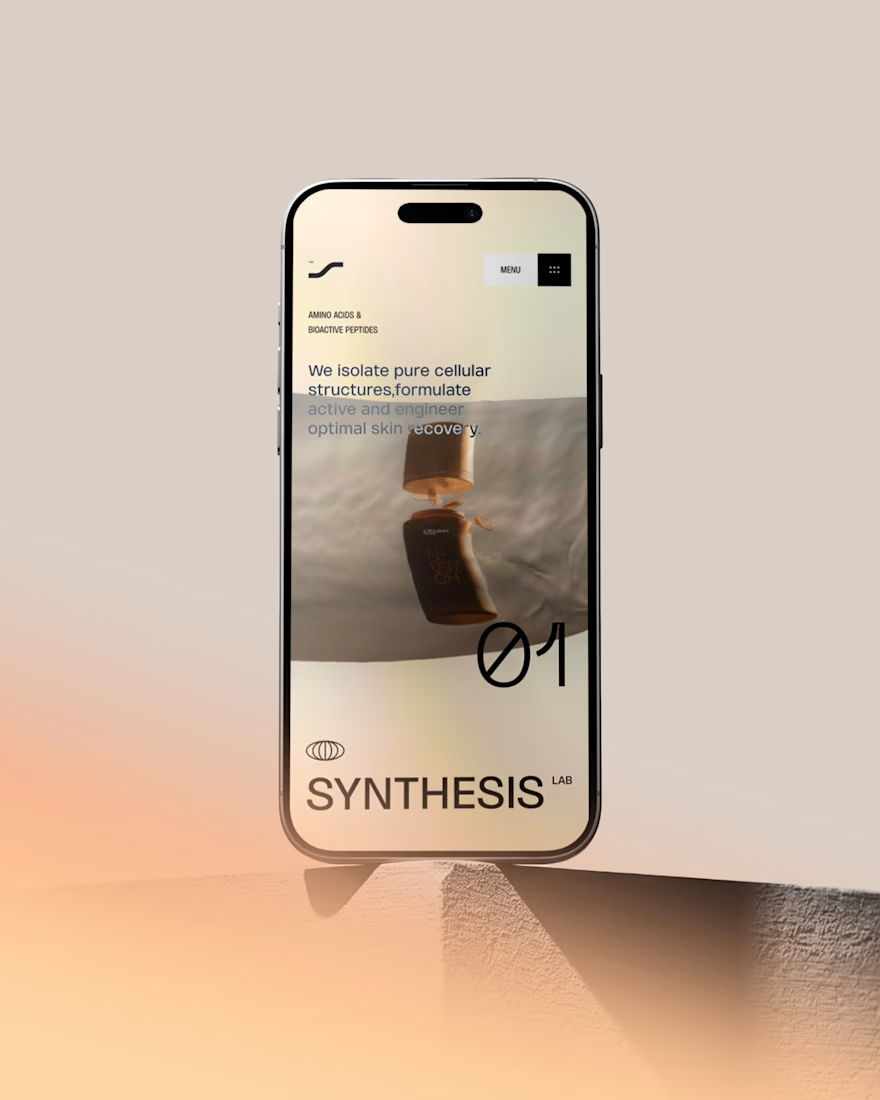
Hot take: Interaction isn't just decoration. It is the brand
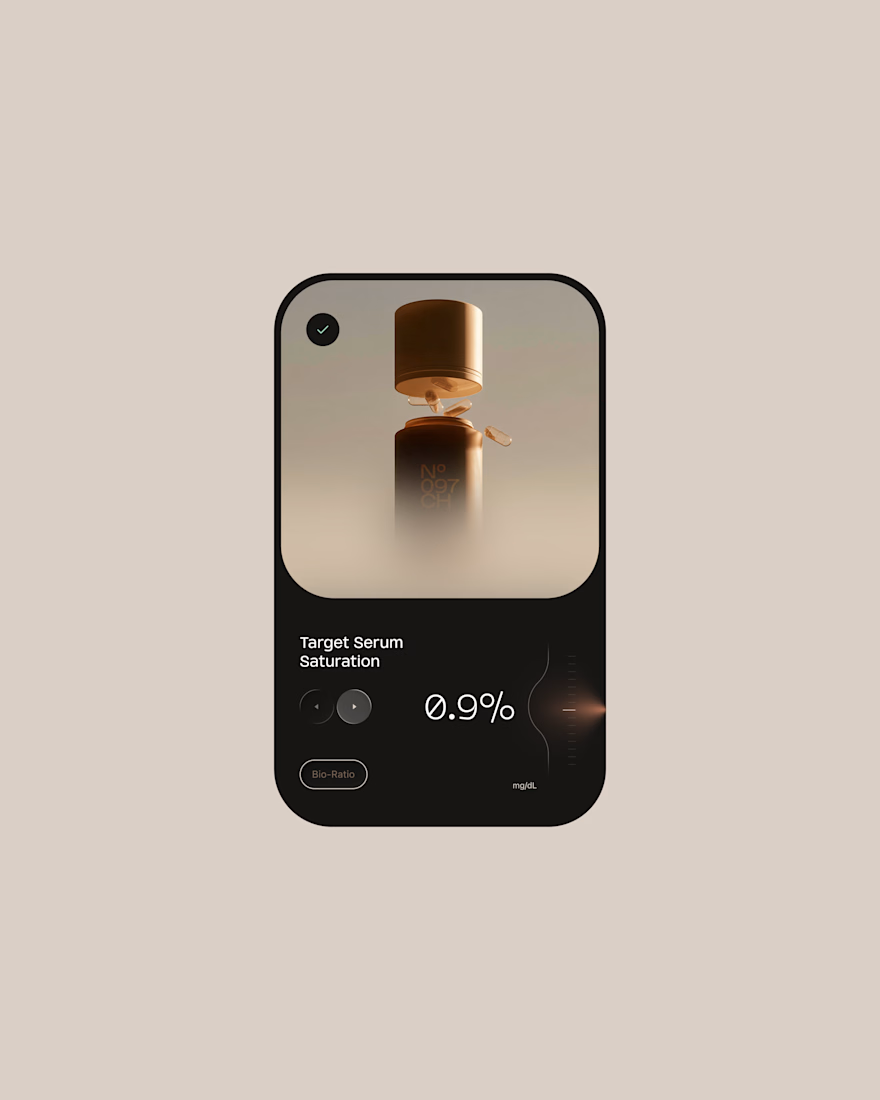
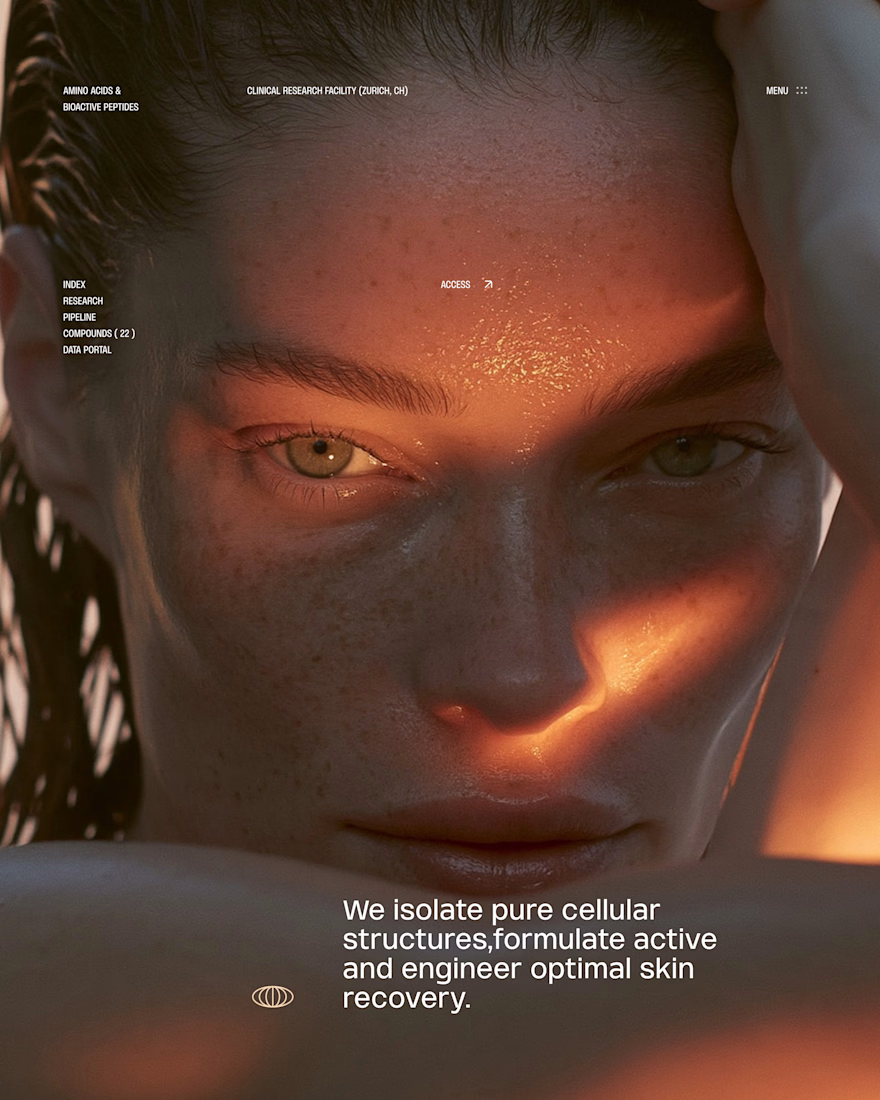
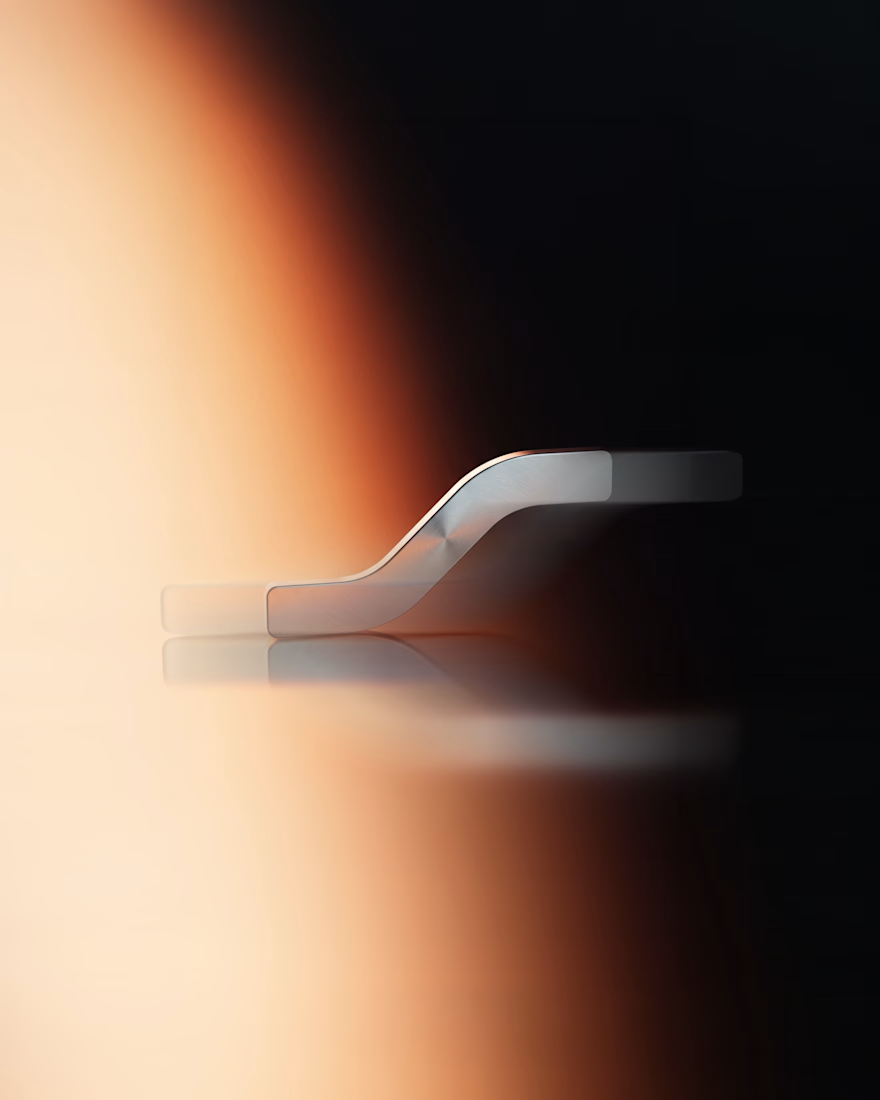
I built this visual concept for a Peptides brand using WebGL and fabric physics. The fluid motion isn’t a gimmick it’s the core identity.


GOATED


Fantastic execution man, what is the billboard for?

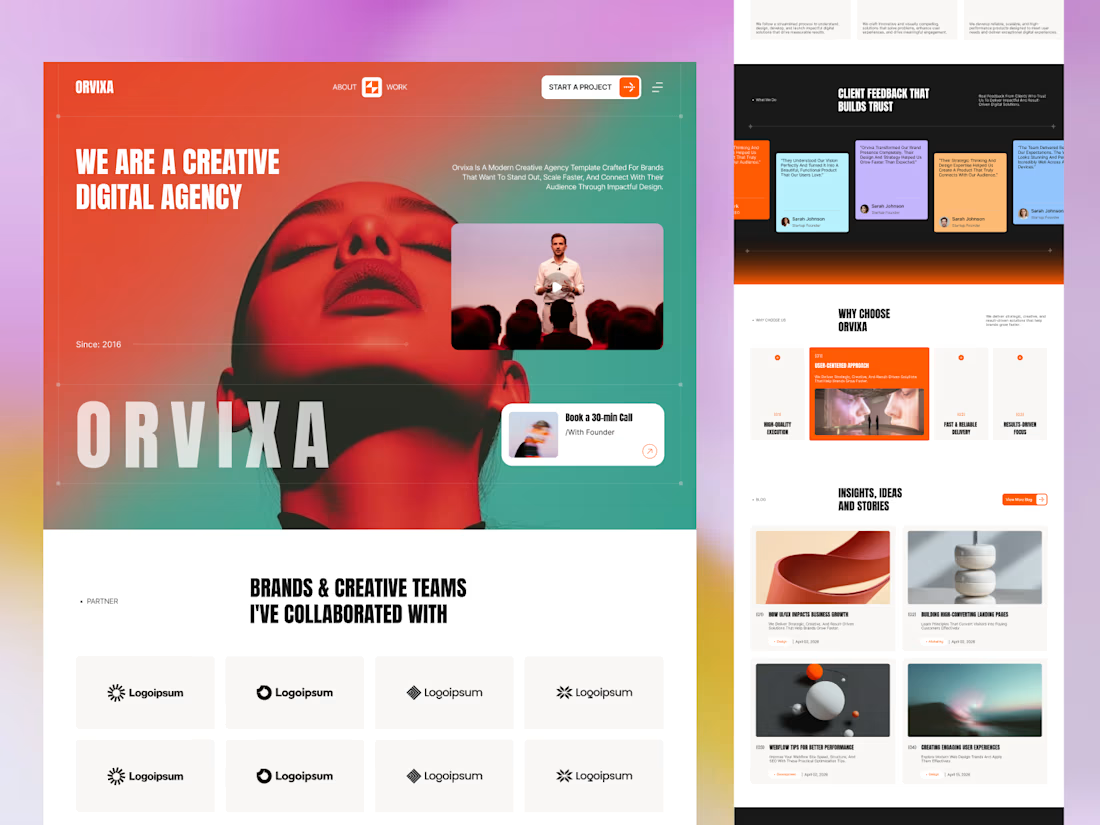
What should a creative agency website actually feel like?
For Orvika, we didn't want another agency site built around the same safe layouts and predictable sections.
We pushed the visual direction further with oversized typography, editorial layouts, bold imagery, and stronger contrast, while keeping the experience structured enough to communicate the agency's work and capabilities clearly.
The goal wasn't just to make it look different.
It was to make the agency feel different.
Designed in Figma and built in Framer.
We're sharing more of the websites and digital experiences we've been working on here over the next few weeks.

Very neat man