The network for creativity
Join 1.25M professional creatives like you
Connect with clients, get discovered, and run your business 100% commission-free
Creatives on Contra have earned over $150M and we are just getting started
Back to feedPost


The network for creativity
Join 1.25M professional creatives like you
Connect with clients, get discovered, and run your business 100% commission-free
Creatives on Contra have earned over $150M and we are just getting started











Related posts


A Recent Framer-Based Brand Experience for a Real Estate Company


Super clean brand system! 🤌 Love the mint on dark contrast and how the mark works across touchpoints - that ID card mockup is chef's kiss. Great Framer execution for real estate!

🌙 3:07 AM. Your team is asleep. Your AI agents aren't. 🤖
While you sleep, they:
💬 Reply to every new lead in seconds
📅 Book the slot straight into your calendar
🔔 Follow up before the lead goes cold
📊 Have your morning summary ready
☀️ You wake up to bookings, not missed messages.
🚀 I build AI agents for startups and small businesses.
🎁 Message me for a free of cost demo on your own services and prices 👋
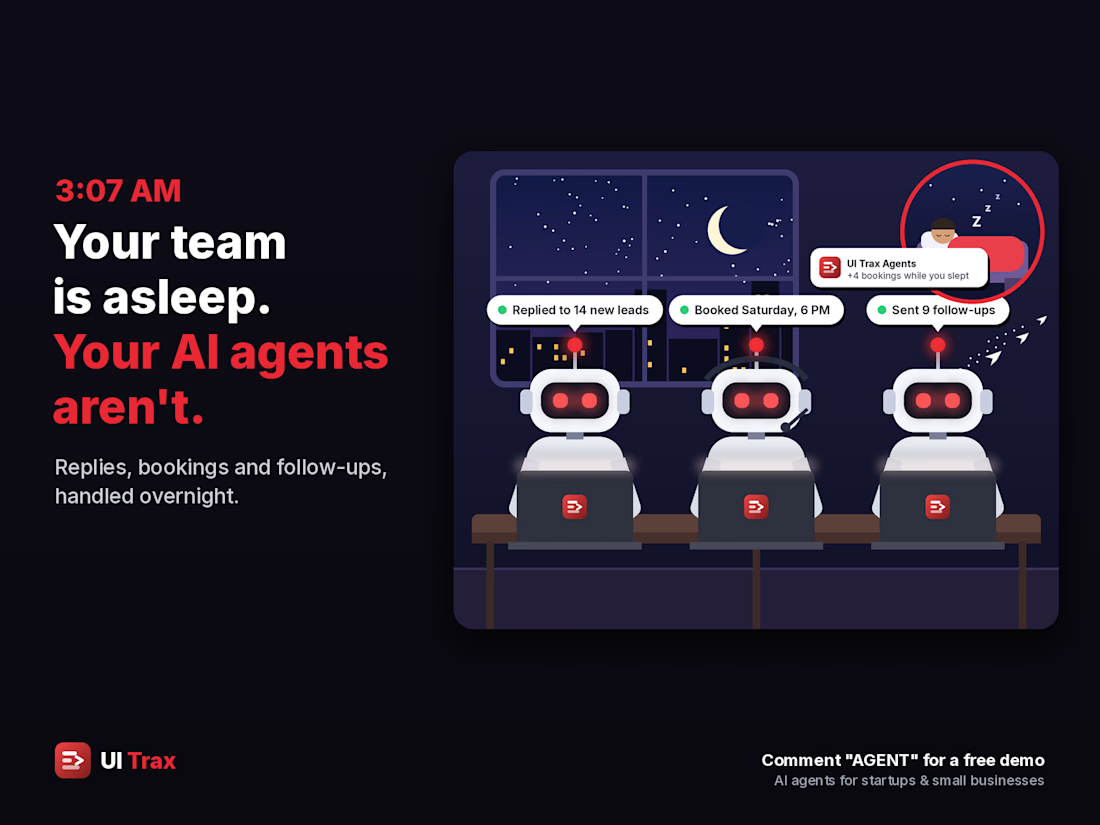

The morning summary is what sells it. Owners want to see what happened overnight before they trust it.

AI Email Automation with n8n and Google Gemini
An AI workflow that reads every incoming email, sorts it into 6 categories, and takes the right action automatically.
The problem: businesses lose time and leads because customer emails are mixed with promotions, job alerts, and security emails.
What I built:
Gmail Trigger that picks up each new email
AI Text Classifier (Google Gemini) with 6 categories: Security Alert, Promotions, Jobs, Personal, Payments, and Client Inquiries
Automatic Gmail labels for every category
Google Sheets log for jobs, leads, and payments
AI information extraction for client emails (name, phone, service, budget)
AI-written reply drafts for client emails, saved as drafts so a person approves every reply
Instant Discord alerts for security, payment, and client emails
Tools: n8n, Google Gemini, Gmail, Google Sheets, Discord
This project is a working demo built on my own inbox. The same system can be adapted to any business email, such as travel agencies, event venues, stores, recruiters, and consultants.

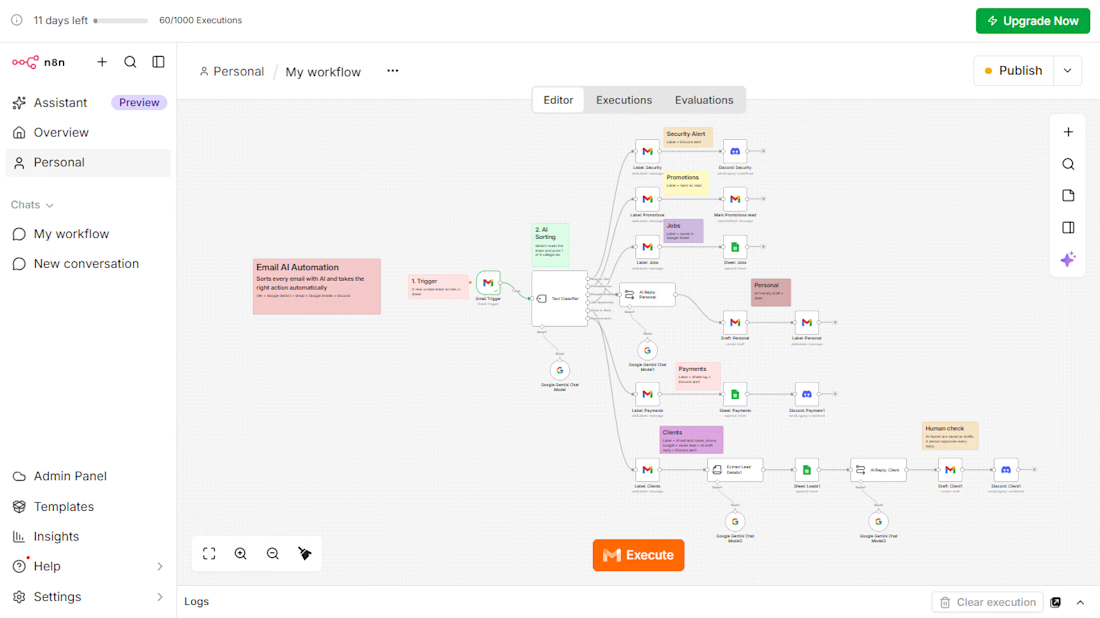

Impressive workflow! I especially like the human approval step for AI-written replies. Automation with the right oversight makes a real difference. 🙌


