The network for creativity
Join 1.25M professional creatives like you
Connect with clients, get discovered, and run your business 100% commission-free
Creatives on Contra have earned over $150M and we are just getting started
Back to feedPost

Why are so many SaaS founders moving away from separate SPA (Single Page Application) frontends and heavy REST APIs for their core web app?
Simple: Context-switching overhead.
Building a decoupled React/Vue SPA with a separate Laravel API means:
Writing dual type definitions / interfaces.
Setting up complex state hydration and token auth (Sanctum/JWT).
Managing redundant API endpoints just to feed basic dashboard views.
Spending 40% of dev time mapping backend data to frontend state.
For 80% of SaaS applications, Inertia.js + Vue 3 (Composition API) completely obliterates this friction.
Inertia acts as the bridge. It gives you:
Full SPA Experience: No full-page reloads, smooth transitions, instant interactive UI.
Monolith Simplicity: Pass data directly from Laravel controllers to Vue components via props, no API layer needed.
Clean State Control: Pair it with Pinia for local UI state (modals, filters, multi-step forms) without touching backend memory.
You don't need a bloated architecture to feel "modern." You just need a stack that lets you ship features fast without sacrificing snappy user experience.
If you're building on Laravel, what's your go-to frontend setup right now? Inertia + Vue, standard REST API, or Livewire?

The network for creativity
Join 1.25M professional creatives like you
Connect with clients, get discovered, and run your business 100% commission-free
Creatives on Contra have earned over $150M and we are just getting started



Related posts

Managing a charging network means keeping track of station activity, energy use, network performance, and revenue. VoltWay brings these operational insights into one dashboard for charging station owners and fleet operators.
The interface combines network-level analytics with station-specific controls. Operators can review energy and utilization data, check charging activity, adjust power limits, and see station performance in one workspace.
A dark interface, vibrant green accents, and 3D charging station visuals give the platform a distinctive look while keeping the focus on clear, actionable information.

Two takes on the same AI-powered SaaS landing page for Lumora
Which one are you picking? 👇

2 voted
67%
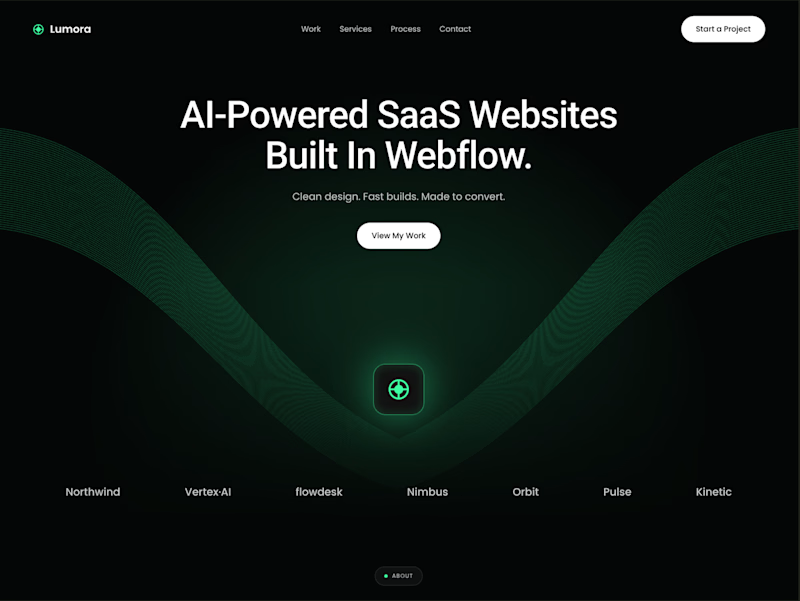
1 voted
33%
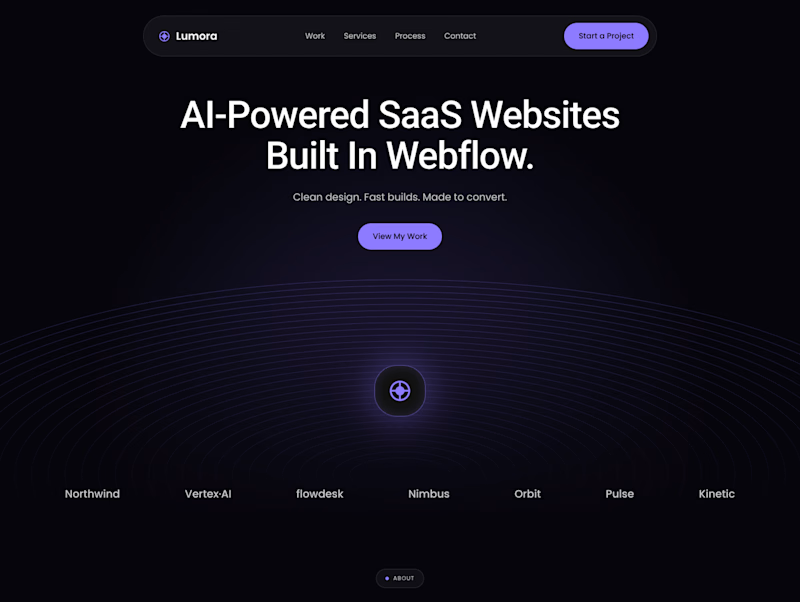
3 votes
Closed


The 3-Step Scope Framework That Stopped Scope Creep & Boosted Project Values
When I started freelance web design and development, scope creep was the silent killer of profitability. Projects scheduled for two weeks turned into two-month sagas, and additional requests came in without budget adjustments.
Here is how I redesigned my project workflow to protect boundaries while delivering higher value for clients:
Deliverable-Based Scoping (Not Hourly): Instead of listing hours, every proposal outlines exact outputs (e.g., custom animations, responsive layouts, specific page counts). If it's not on the list, it’s a phase-two add-on.
Asynchronous Client Reviews: To keep momentum high, I replace long status meetings with loom walk-throughs and clear review deadlines. Clients love the efficiency, and it speeds up delivery timelines by 40%.
Built-in Buffer & Optimization Sprints: I allocate the final 15% of every contract purely for testing, performance optimization, and handoff docs. Handoffs feel seamless, and clients get a fully polished asset ready to convert.
Standardizing this process not only improved client satisfaction but also double my average project value.
What’s the single biggest operational change you’ve made in your freelancing process this year? Drop your thoughts below! 👇

Appreciate the practical advice on scope.