The network for creativity
Join 1.25M professional creatives like you
Connect with clients, get discovered, and run your business 100% commission-free
Creatives on Contra have earned over $150M and we are just getting started
Back to feedPost

Anatomy of a Good Prompt: 6 Elements That Make a Difference
A useful prompt is more than a clever question. It's a well-defined task.
If you've ever used ChatGPT, Gemini, Claude, or any other AI tool and received a generic, irrelevant, or incomplete answer, the problem might not be the AI itself. Your instructions may need more structure.
An effective prompt starts with communicating what you need, why you need it, and what a useful result should look like.
Here are five elements to consider when writing an AI prompt:
1. Context; Give the AI the background.
Explain the situation, relevant information, and details it needs to understand the task.
2. Objective; Define the goal.
It is the core verb telling the model what to do. Common tasks include review, plan, write, summarize, and generate.
3. Audience; Specify who the output is for.
Writing for potential customers requires a different approach from writing for industry experts or beginners. Your audience influences tone, language, and complexity.
4. Constraints; Set the boundaries.
Define requirements such as word count, tone of voice, language, exclusions, or other relevant instructions. Constraints help narrow the range of possible responses.
5. Output format; Describe the result you want.
Should the AI produce a table, email, checklist, article, or bullet-point summary? Make the expected format explicit.
6. Persona; Give the AI a role.
Tells the AI who it should act as (e.g., "You are a senior data analyst"), which shapes its vocabulary, tone, and assumptions.
PS: A persona is necessary when you need a specific professional lens, style, or perspective that the AI's default, neutral voice cannot give you. You don't need a persona for objective, fact-seeking queries.
Now, let's put it into practice.
Instead of asking:
❌ “Write a marketing email.”
Try:
✅ “Write a 150-word marketing email for a productivity app aimed at busy freelancers. Use a friendly, professional tone. Highlight how the app helps organize tasks and save time. Include a compelling subject line and end with a clear call to action.”
The second prompt gives the AI a more specific objective, audience, context, and format.
Does that guarantee a perfect result? No. You may still need to refine the instructions, verify facts, and review the output.
But it gives you a much better starting point.
Better instructions can lead to better outputs, fewer unnecessary revisions, and more effective AI workflows.
Want to get more out of AI? Start by improving how you communicate with it.
Explore my AI prompt services on Contra or send me a message.



The network for creativity
Join 1.25M professional creatives like you
Connect with clients, get discovered, and run your business 100% commission-free
Creatives on Contra have earned over $150M and we are just getting started
Challenges
View all


Related posts

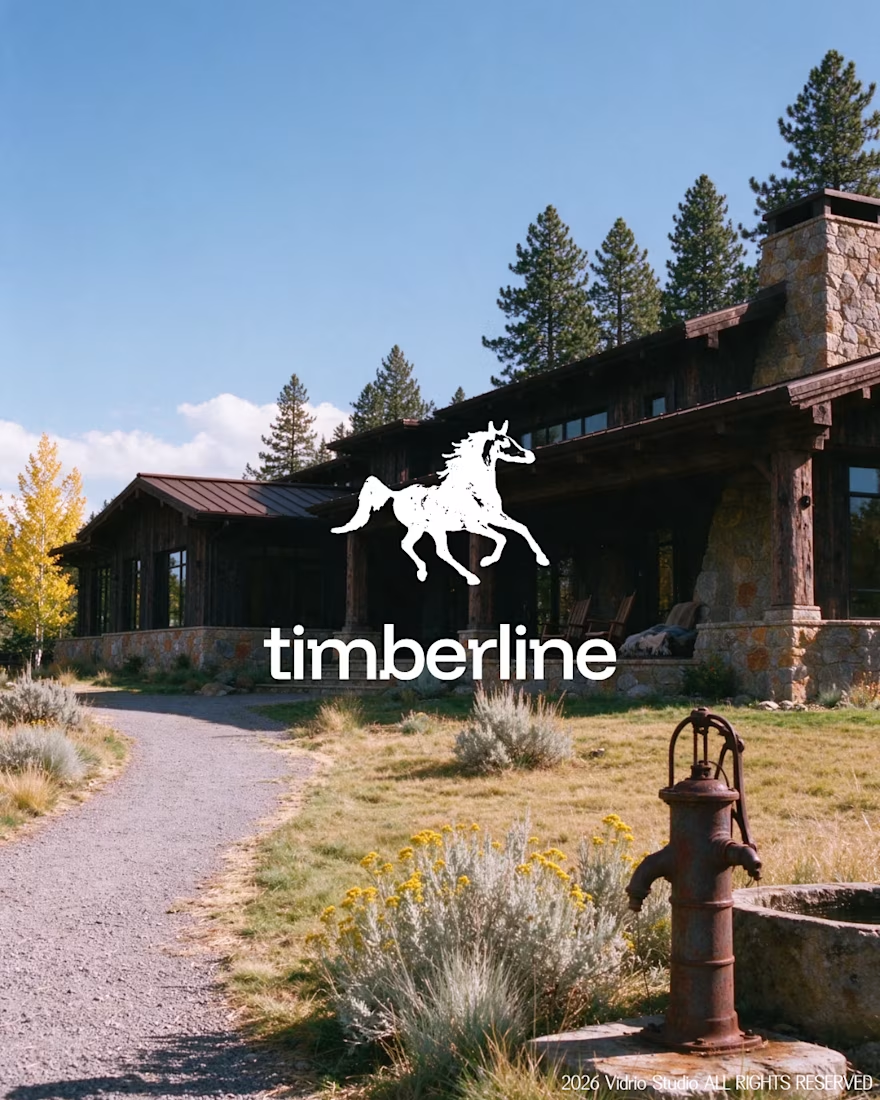
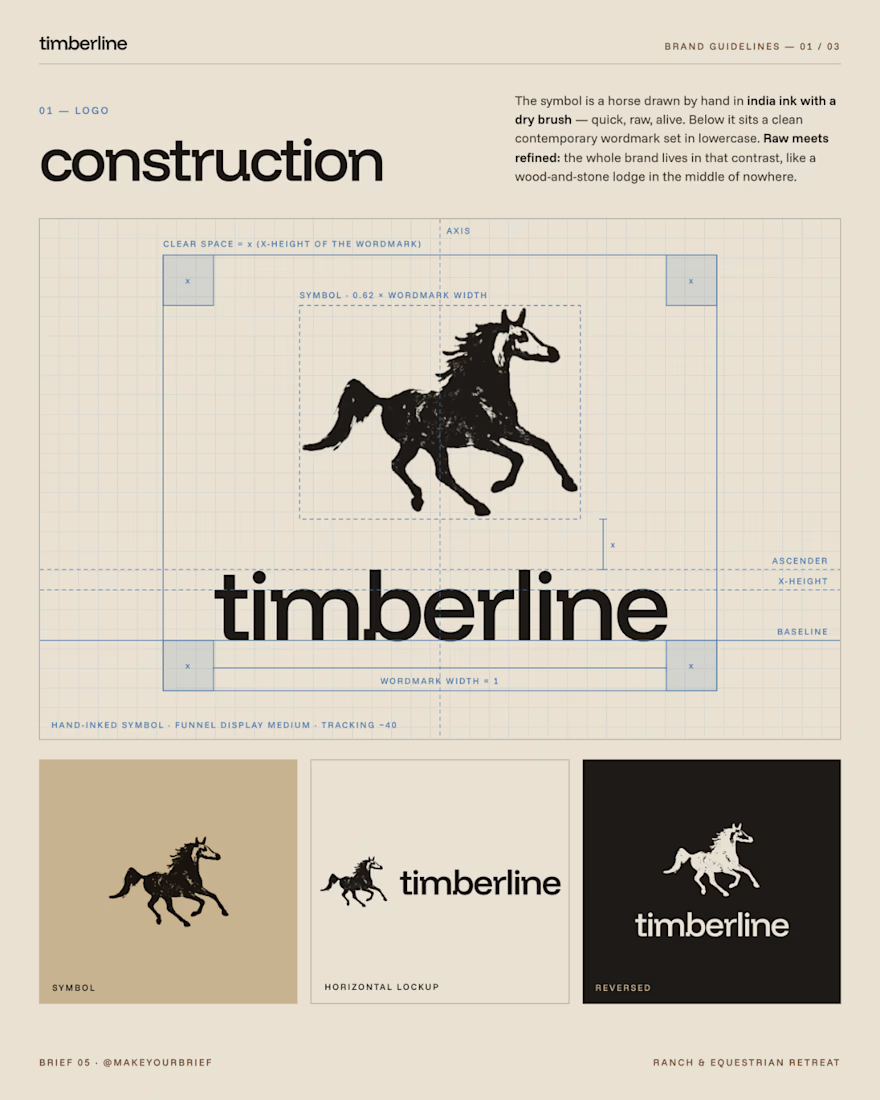
I worked on Brief 05 of the @makeyourbrief challenge: a brand identity for Timberline, a luxury ranch and equestrian retreat. I hand-drew the horse symbol with a marker, paired it with a clean modern wordmark and an earthy palette, and extended it into merch and lodge photography using AI under my own art direction, with retouching by hand.
Would you stay here? Tell me which image sold you.





That's really incredible great job Andreu❤️❤️

My Top Featured Projects on @Contra Labs 🔥
⚡| NEXVOLU
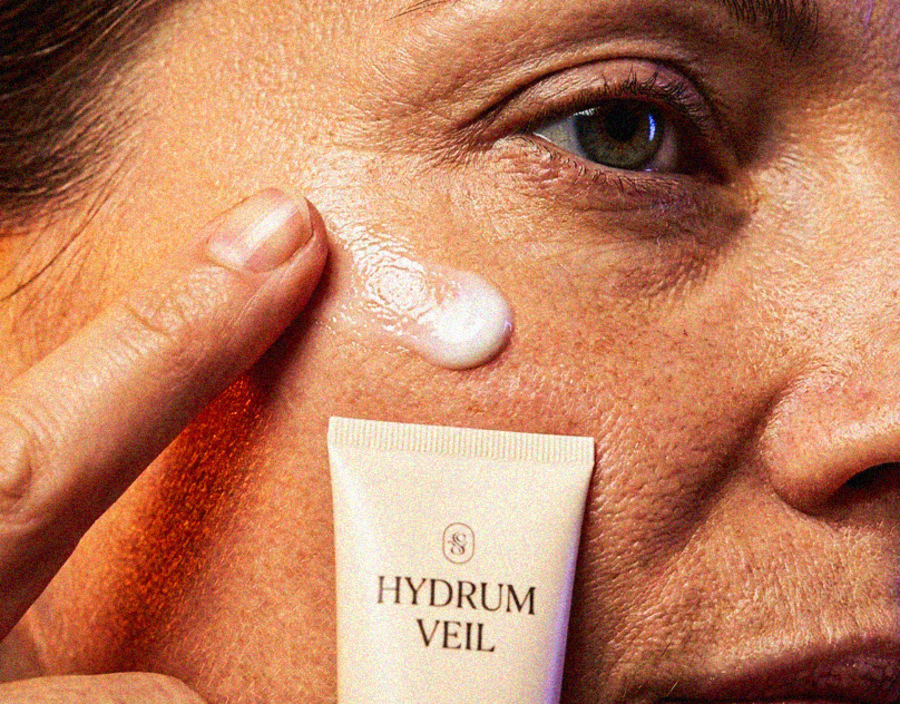
⚡| HYDRUM VEIL
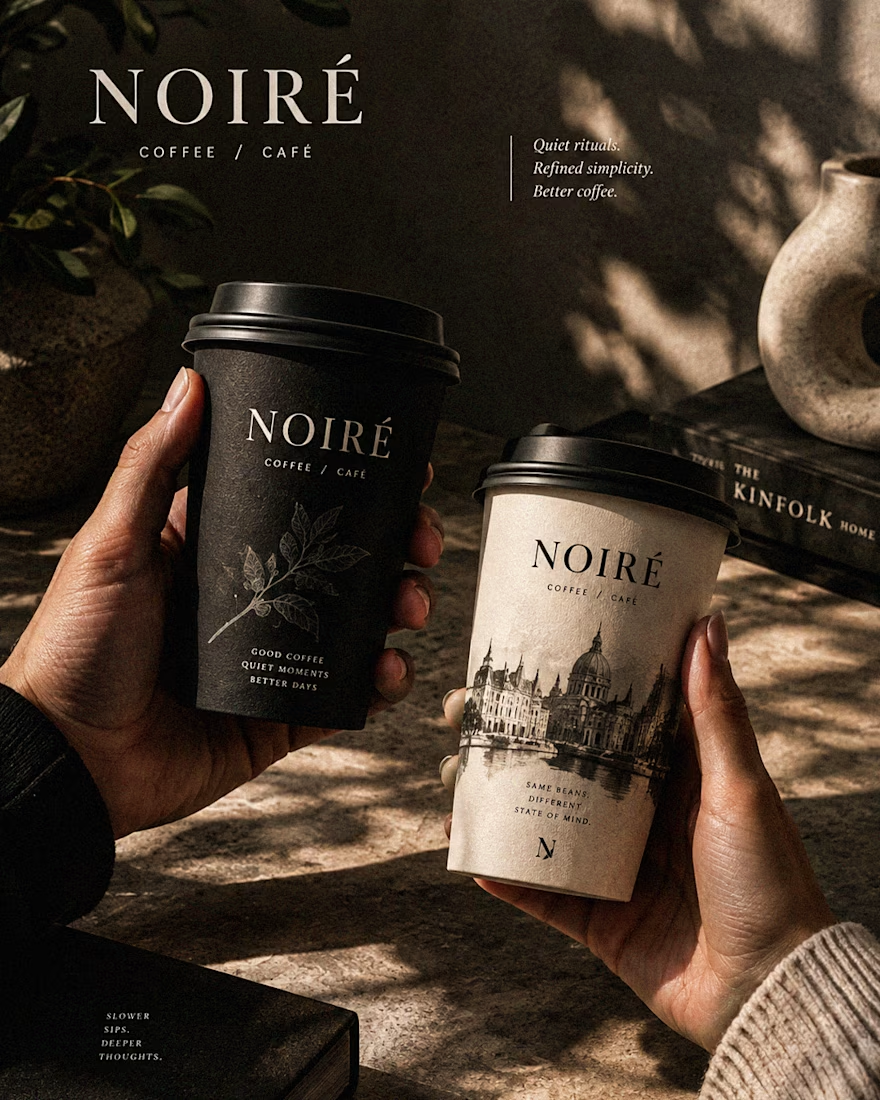
⚡| NOIRÉ
Each project explores a different direction, but the goal stays the same: build brands that stand out.
Which project is your favorite?
Drop the name below 👇



These are 🔥 Mine are all fav 🙌
Congo for Featured on @Contra HQ & @Contra Labs ... 😍


Amazing work