The network for creativity
Join 1.25M professional creatives like you
Connect with clients, get discovered, and run your business 100% commission-free
Creatives on Contra have earned over $150M and we are just getting started
Back to feedPost

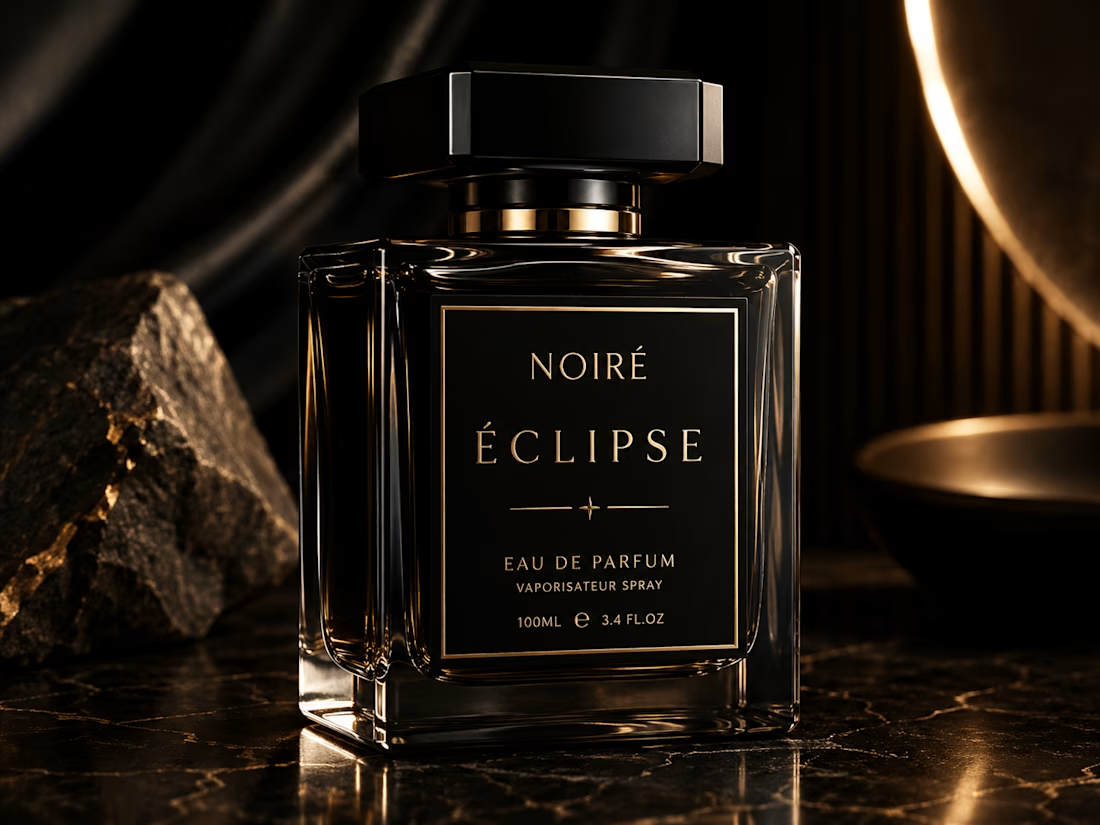
Cinematic AI Luxury Perfume Commercial
This project is a cinematic AI-generated luxury perfume commercial created for NOIRÉ, a fictional premium fragrance brand. The goal was to explore how AI video production can be used to create visually sophisticated advertising content that feels intentional, polished, and aligned with a luxury brand.
I developed the creative direction around the product, focusing on a dark and elegant visual atmosphere that highlights the perfume bottle as the hero of the campaign. The final video combines cinematic camera movement, dramatic lighting, realistic reflections, subtle atmospheric elements, and carefully controlled motion to create a refined luxury advertising experience.
The project was designed to demonstrate how AI can support the production of high-quality product commercials without sacrificing creative direction or visual storytelling. Every creative decision focused on making the product feel premium, believable, and visually memorable.
This type of work is ideal for fragrance, beauty, fashion, and premium consumer brands looking to create distinctive product campaigns, social media content, digital advertisements, and visually engaging brand content.



Amazing! Which AI model did you use? The final result is so clean!
The network for creativity
Join 1.25M professional creatives like you
Connect with clients, get discovered, and run your business 100% commission-free
Creatives on Contra have earned over $150M and we are just getting started








Related posts

Post
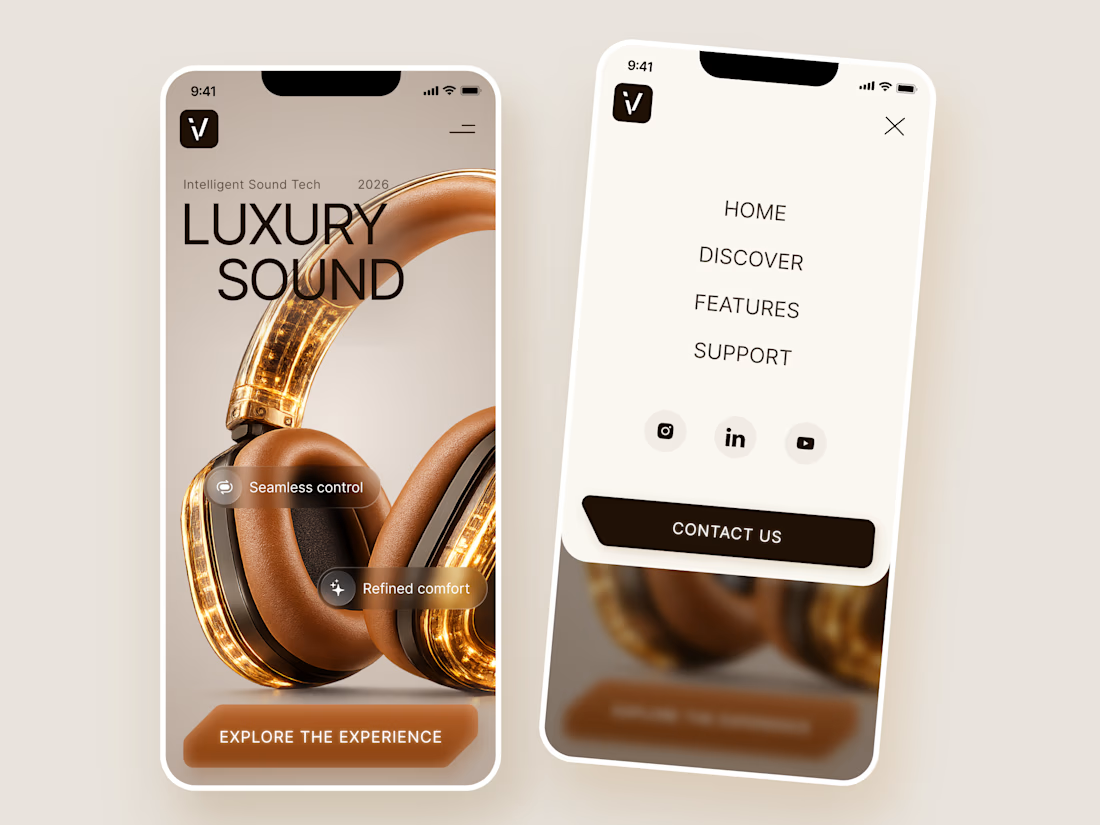
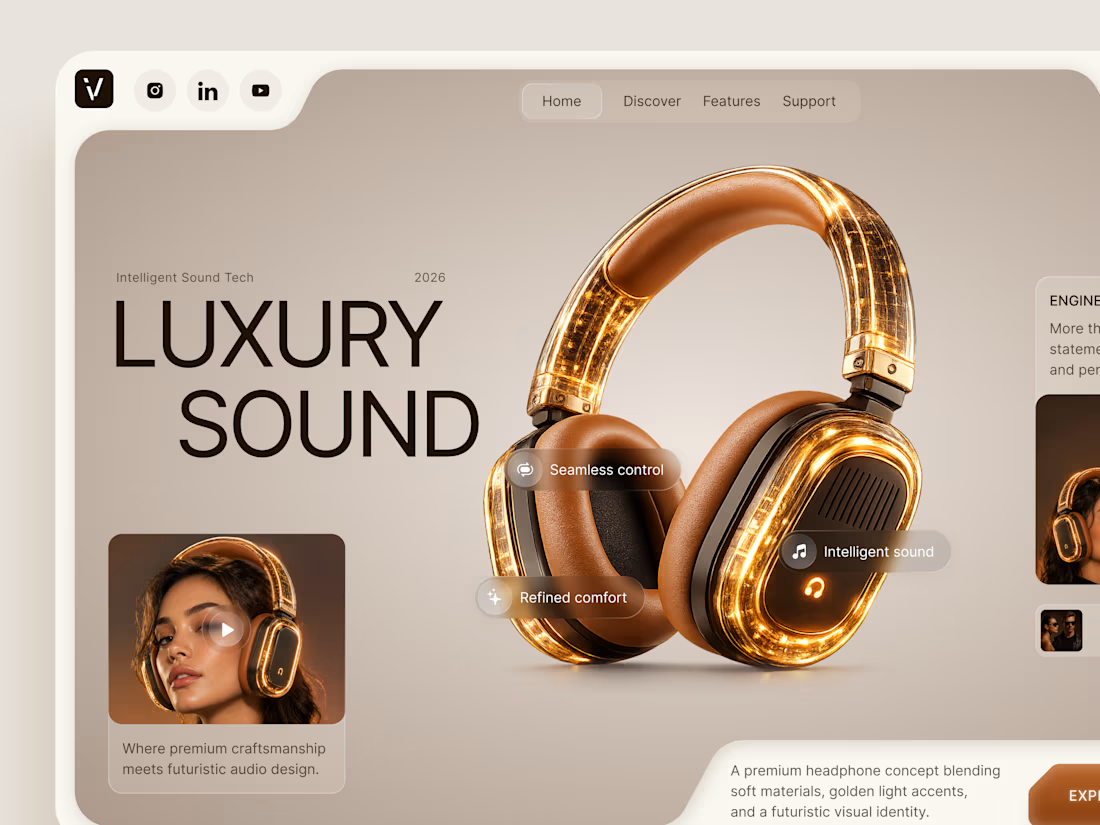
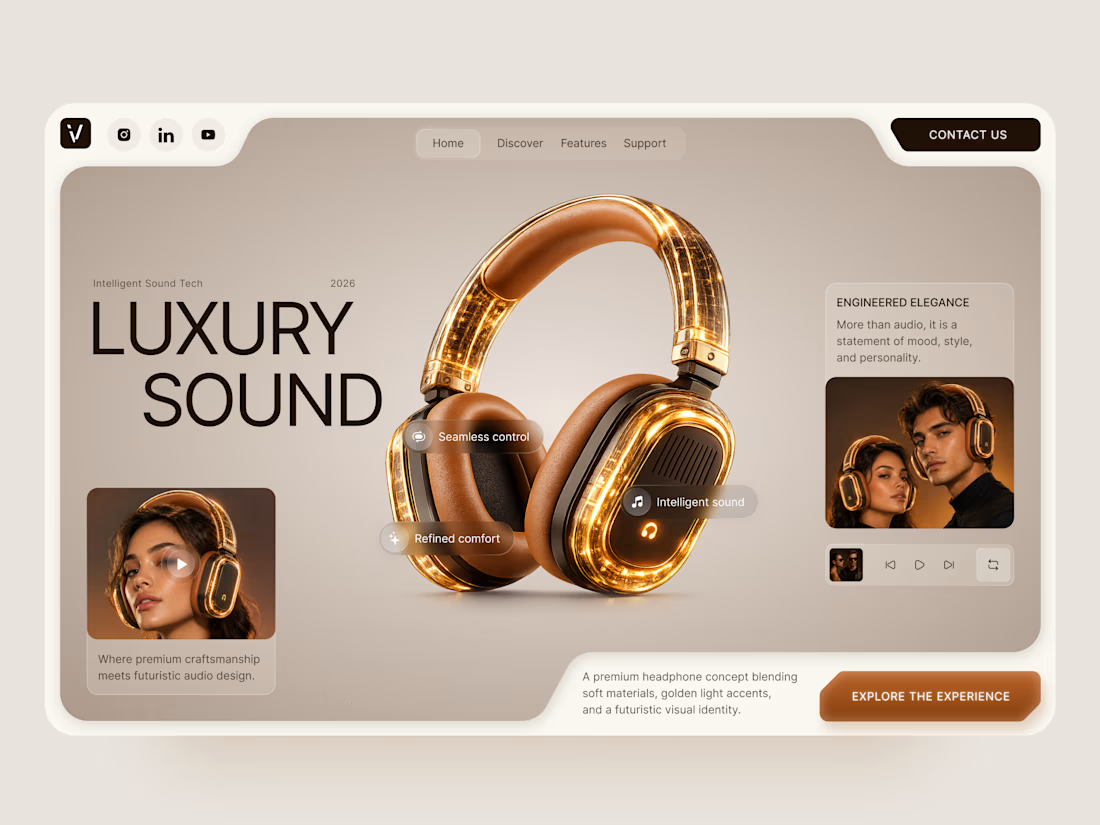
Luxury Sound — Premium Headphones Landing Page 🎧✨
A premium landing page concept for a luxury audio brand, built around a bold headphone design and a refined visual experience
The design combines warm neutral tones, glowing details, oversized product visuals, and minimal typography to create a futuristic yet elegant feel
Special attention was given to:
• Product-first composition
• Premium visual direction
• Feature highlights
• Lifestyle imagery
• Clear CTA placement
• Responsive mobile experience
The result is a clean, immersive product experience that makes the headphones feel like more than tech — they become part of the lifestyle 🔥



The amber glow on the headphones against that warm beige is lovely. How does the mobile menu handle the product image?

AI Video Generation - Futuristic Smartphone Ad | Vision Gen 2.0
Created a 30-second cinematic product ad for a futuristic AI smartphone concept. This video showcases "VISION GEN 2.0" - an AI model that generates video from text prompts.
Tools Used: AI Video Generation, Midjourney / Runway, After Effects, CapCut
Concept: Floating smartphone with holographic UI, neon blue tech environment, 4K cinematic lighting.
Features Highlighted: Prompt-to-Video, 120ms Latency, 70B Parameters, 4K Quality
Designed for tech startups, AI product launches, and futuristic mobile ads. Fully loopable, 4:3 aspect ratio optimized for Contra portfolio and social media ads.


Great

Jordan Reid - Sportswear Brand Identity
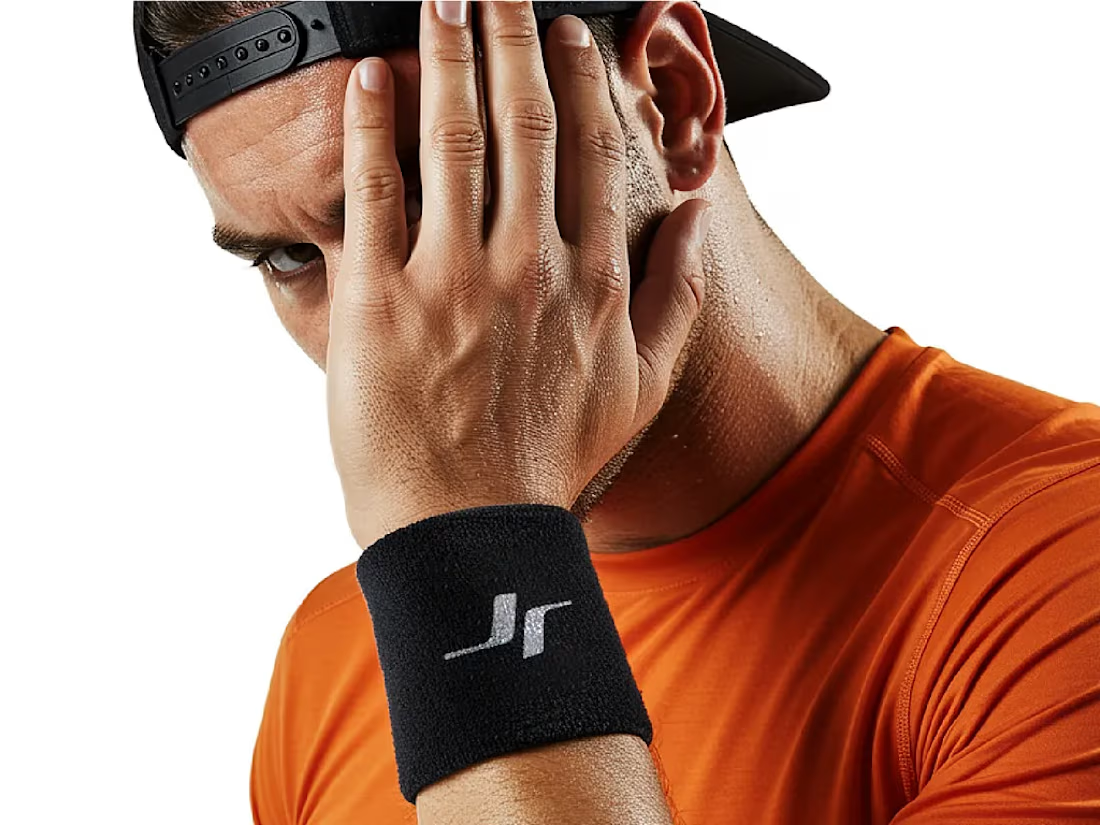




Like the logo direction