The network for creativity
Join 1.25M professional creatives like you
Connect with clients, get discovered, and run your business 100% commission-free
Creatives on Contra have earned over $150M and we are just getting started
Back to feedPost

Document Automation Engineer: AI OCR & Regex Data Extraction.
The primary objective of this project was to modernize data operations for a humanitarian NGO struggling with high volumes of physical forms, paper beneficiary logs, and handwritten field reports. The organization faced severe bottlenecks due to slow, manual data entry, which often introduced transcription errors and created a high risk of duplicate or corrupted beneficiary data during spreadsheet imports. To solve this, I engineered an automated document processing pipeline capable of ingesting these unstructured paper records and converting them into structured, queryable database formats.
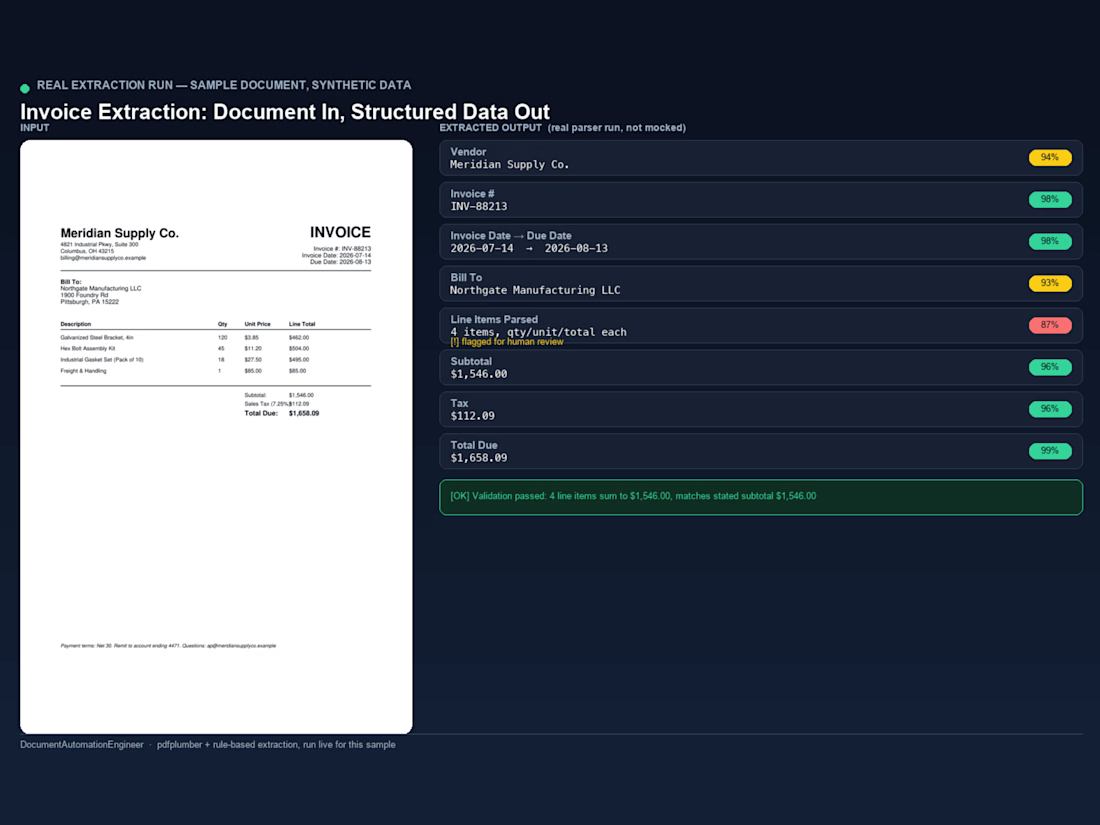
To tackle the varying scan qualities and inconsistent field layouts, I built a robust extraction layer utilizing Python and Tesseract OCR. By combining these tools with pdfplumber and custom rule-based extraction scripts, the system intelligently navigated chaotic document structures. It accurately parsed targeted data points such as IDs, dates, and financial figures directly from the scanned files, effectively converting static images into machine-readable text components.
Once the raw text was extracted, it passed through a sophisticated transformation layer powered by regex-driven validation scripts. This logic automatically cleaned, normalized, and verified the parsed entries against strict business rules, performing automated cross-checks such as confirming that extracted line items mathematically matched the stated subtotals. The pipeline also featured dynamic confidence scoring and error-flagging logic. Highly legible fields would clear with 93% to 99% confidence, while more complex or degraded sections with lower scores (e.g., 87%) were automatically flagged and isolated for human review, ensuring no bad data slipped through.
The final pipeline culminated in an automated end-to-end export to structured CSV and database storage. By replacing the manual transcription bottleneck with this AI-driven OCR architecture, the solution cut data entry time by over 80%. Ultimately, this streamlined the NGO's reporting capabilities, eliminated the risk of database corruption, and ensured that all beneficiary data remained highly reliable and fully audit-ready for their donors.


The network for creativity
Join 1.25M professional creatives like you
Connect with clients, get discovered, and run your business 100% commission-free
Creatives on Contra have earned over $150M and we are just getting started





Related posts

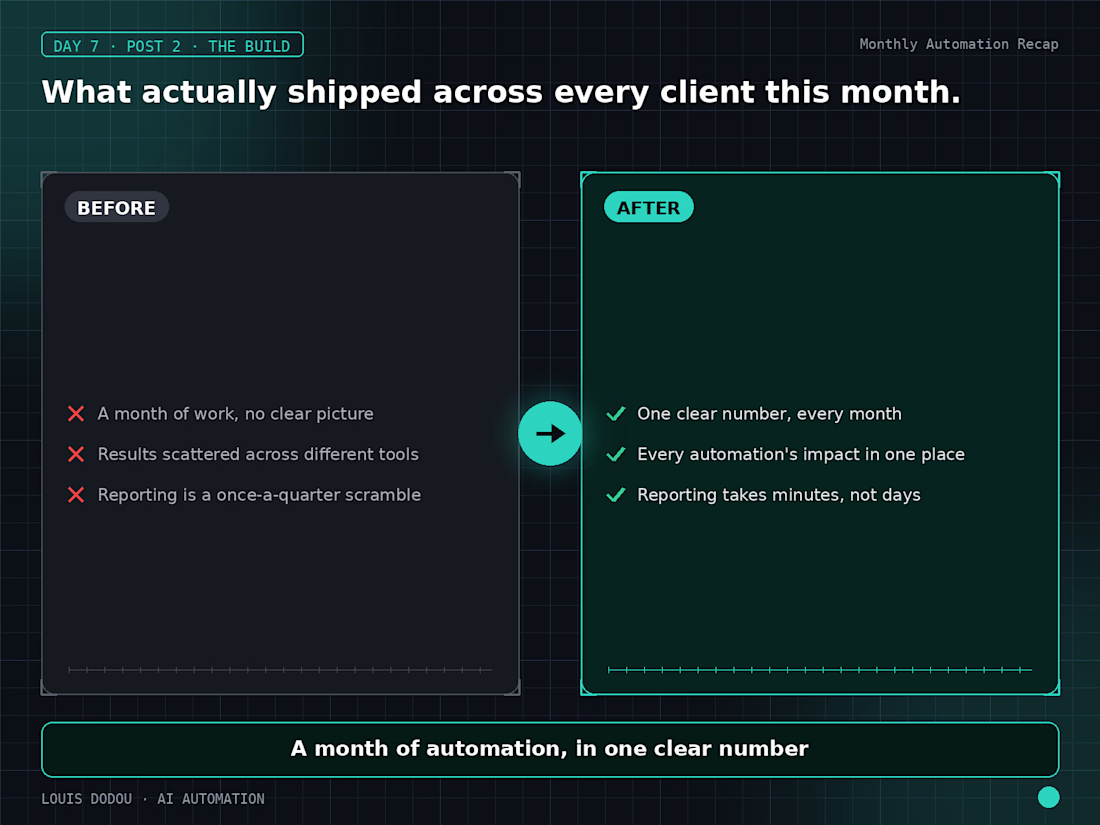
What actually shipped across every client this month:
A lead qualification bot, an inbox triage system, a contract automation flow, and a hiring screen different clients, same principle: automate the repetitive part, keep a human on anything that needs judgment.
→ Happy to walk through any of these in more detail.



Seeing the lead qualification bot take the first pass on prospects really frees up the team for deeper conversations. The inbox triage does the same for support tickets, letting agents focus on the tricky cases.
Automated B2B Lead Gen Engine from LinkedIn Jobs (n8n + Apify + Apollo + Gemini)
Project Overview
Hiring intent is the highest-converting B2B buying signal. When a company posts an open role on LinkedIn, they have an active pain point, immediate budget, and executive mandate to solve that problem.
This automated production engine runs every morning without manual intervention. It scrapes fresh LinkedIn job postings via Apify, filters out non-target companies, queries Apollo.io to identify the exact decision-maker (Founder, CEO, VP, or Head of Department) with their verified work email, and uses Google Gemini to write hyper-personalized outbound pitch drafts directly into Google Sheets.
Visual Showcase & Live Architecture
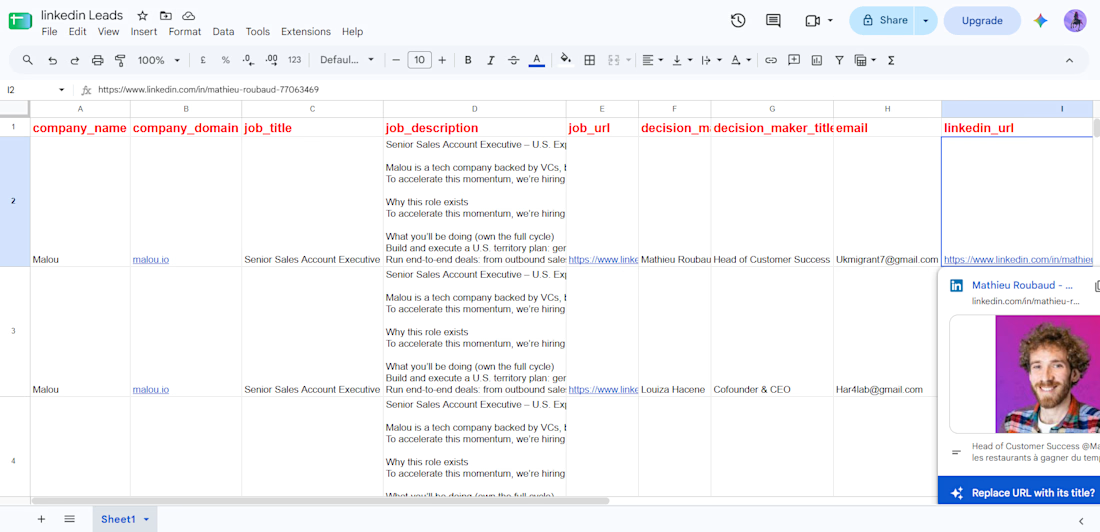
1. Verified Leads Database & AI Outbound Drafts (Google Sheets)
Preview unavailable
Automated output storing company data, verified decision-maker email, LinkedIn profile URL, hiring intent triggers, and ready-to-send AI cold email copy.
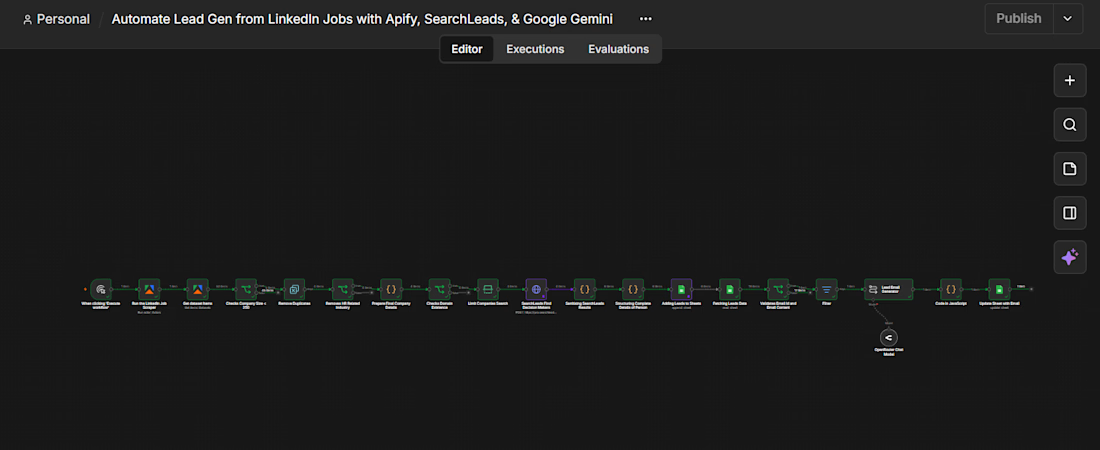
2. End-to-End n8n Engine Blueprint
Preview unavailable
Full production pipeline orchestrating Apify actor execution, domain validation, Apollo personnel search, Gemini structured output parsing, and real-time sheet sync.
Technical Workflow Architecture
Targeted Job Extraction (Apify): Triggers an automated actor scraping LinkedIn job postings based on target titles, geographic focus, and date posted.
Data Sanitization & Strict Gatekeeping: Filters dataset entries by company size (< 250 headcount), eliminates recruitment agencies and HR service providers, and verifies live web domain resolution.
Personnel Enrichment & Email Validation (Apollo.io): Targets executive personas matching the hiring team, executes verification checks against corporate MX records, and retrieves direct work emails and LinkedIn URLs.
Context-Aware Email Drafting (Google Gemini): Analyzes job descriptions, extracts company pain points, and drafts personalized 3-sentence email openers with high deliverability scores.
Centralized Data Lake (Google Sheets / CRM Sync): Logs verified contact records, generated copy, and campaign statuses, ready for direct one-click import into Smartlead, Instantly, or Clay.
Key Performance Metrics
Runtime Execution: 2 minutes per batch run (50–100 validated leads).
Email Deliverability: 98%+ valid deliverability via Apollo API verification.
Workflow Efficiency: Replaces 10–15 hours per week of manual SDR prospecting.
Data Quality: 100% deduplicated against previous pipeline runs.
Deliverables Included
Complete standalone n8n workflow JSON blueprint ready for self-hosted or n8n cloud instances.
Pre-configured Apify scraper actor setup and Apollo.io API integration.
Custom Google Sheets outbound tracking dashboard with schema validation.
Gemini prompt engineering optimized for high cold-outreach open and reply rates.
1-on-1 Loom video walkthrough and handover documentatio


This is beautiful

AI-Powered Outreach & Sales Automation Engine
An AI-powered outreach engine built with n8n, Python, OpenAI GPT-4o, APIs, and Telegram. The system uses 8 specialized workflows to handle prospecting, research, personalized copywriting, responses, closing, reporting, orchestration, and outreach preparation from a single Telegram interface.



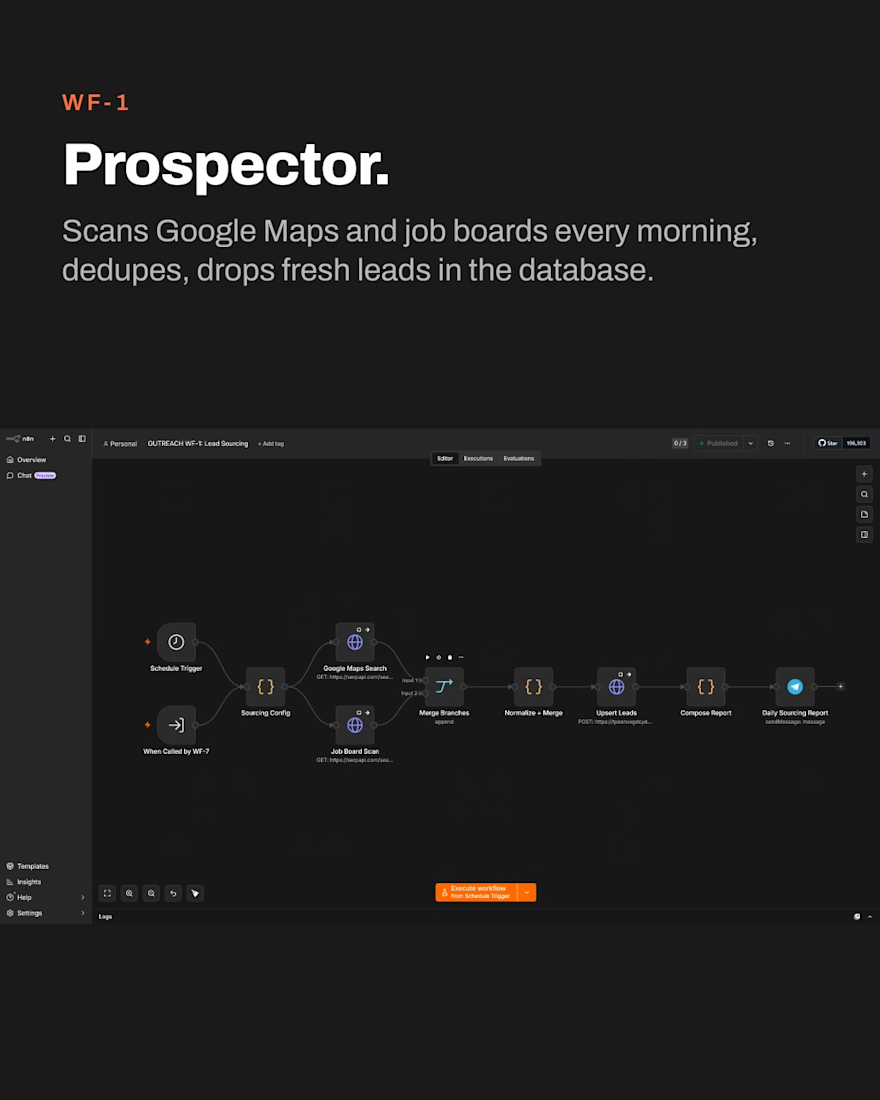
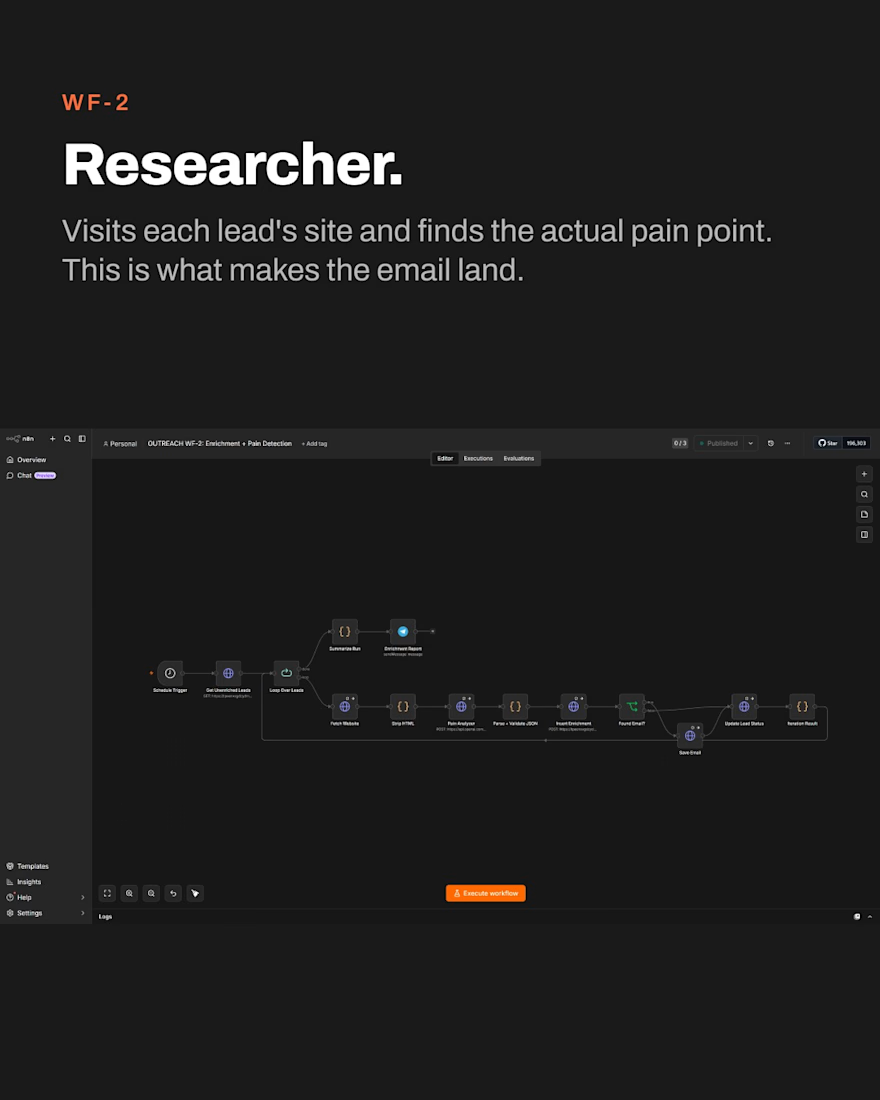
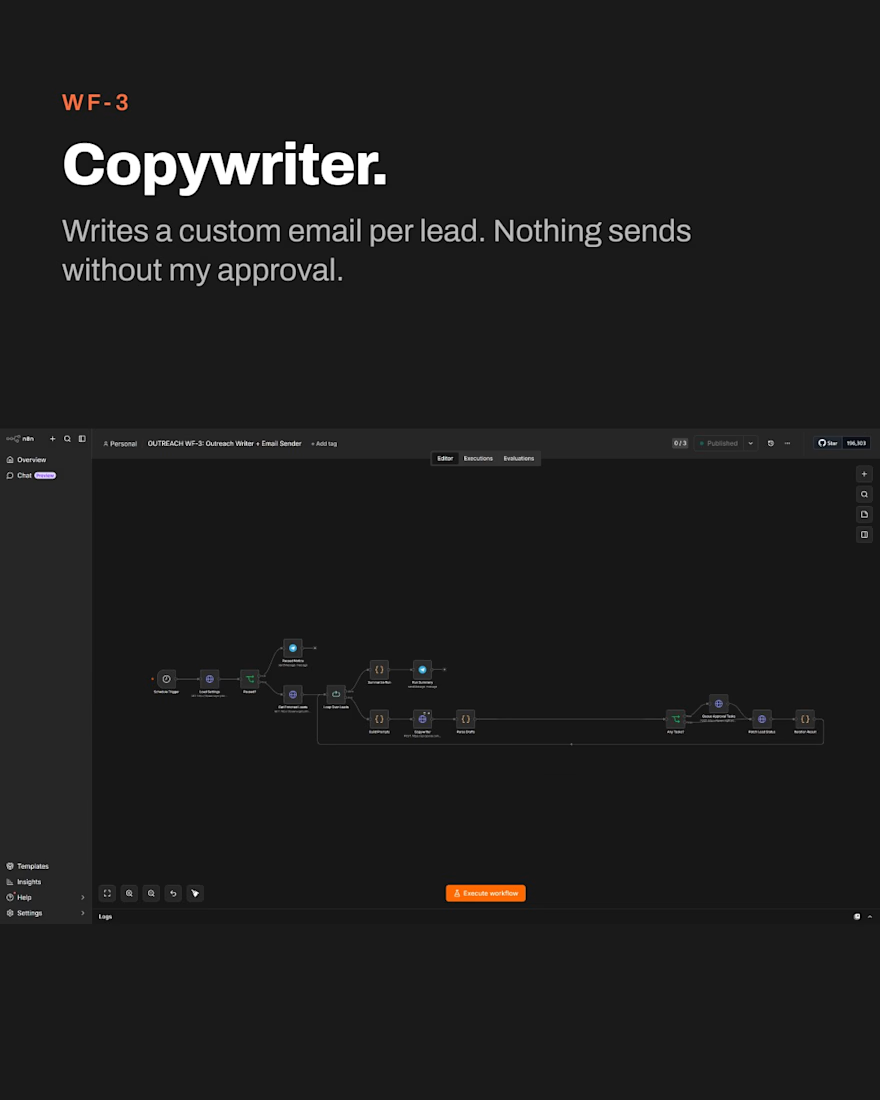
Having all eight steps run from a single Telegram chat trims the juggling between platforms.