The network for creativity
Join 1.25M professional creatives like you
Connect with clients, get discovered, and run your business 100% commission-free
Creatives on Contra have earned over $150M and we are just getting started
Back to feedPost

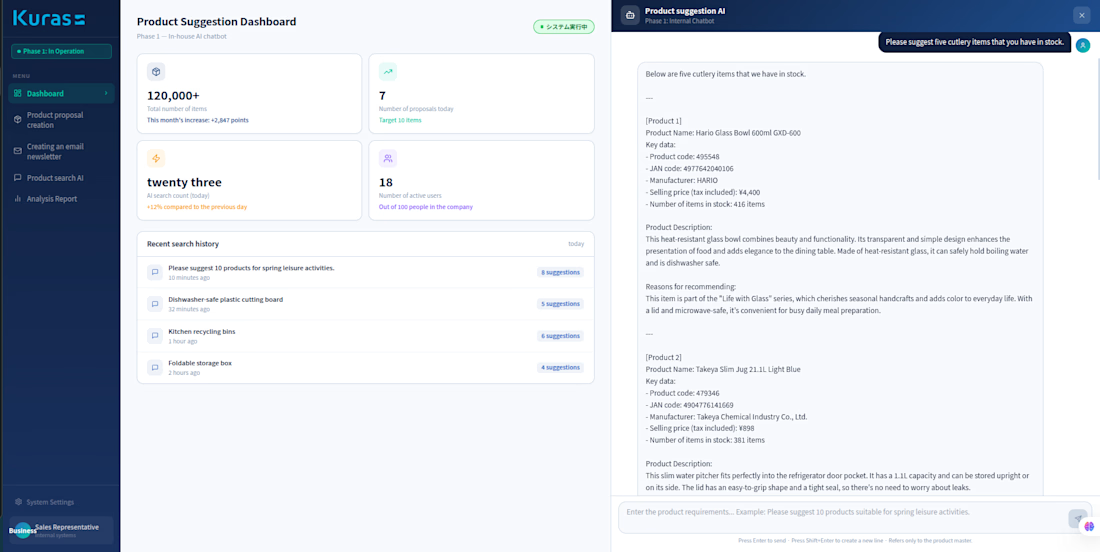
Kuras — AI Product Suggestion Dashboard for E-commerce
AI-powered product suggestion dashboard built for a 120,000+ SKU e-commerce catalog. Combines a real-time analytics dashboard with a conversational AI chatbot that returns inventory-aware product recommendations — complete with pricing, stock levels, and reasoning — grounded strictly in the client's product data.


The network for creativity
Join 1.25M professional creatives like you
Connect with clients, get discovered, and run your business 100% commission-free
Creatives on Contra have earned over $150M and we are just getting started






Related posts

AI WhatsApp Support Assistant, Part 1 (n8n Demo)
Problem: Replying to every WhatsApp message takes time, and urgent messages get lost.
Solution: A full WhatsApp support automation built in n8n. It drafts replies using the business's own information, and the owner approves each reply by email. Nothing is sent without approval.
This video covers text messages:
AI-drafted replies, approved by the owner
Leads saved automatically to Google Sheets
Orders saved with "needs team confirmation" status
Every conversation logged
Instant Discord alerts for complaints and requests for a human
Coming next: how the same assistant handles non-text messages like images and voice messages, and the end-of-day summary.
Tools: n8n, WhatsApp Business Cloud API, Gemini AI, Gmail, Google Sheets, Discord.
Outcome: A working demo built with demo data.
Role: Nisbah Iqbal, AI Automation Builder


Owner approving every reply is a good way to start. Once they trust the drafts they can loosen it up for the simple ones

What if your business already has a logo, but nothing else that makes it recognizable as a brand?
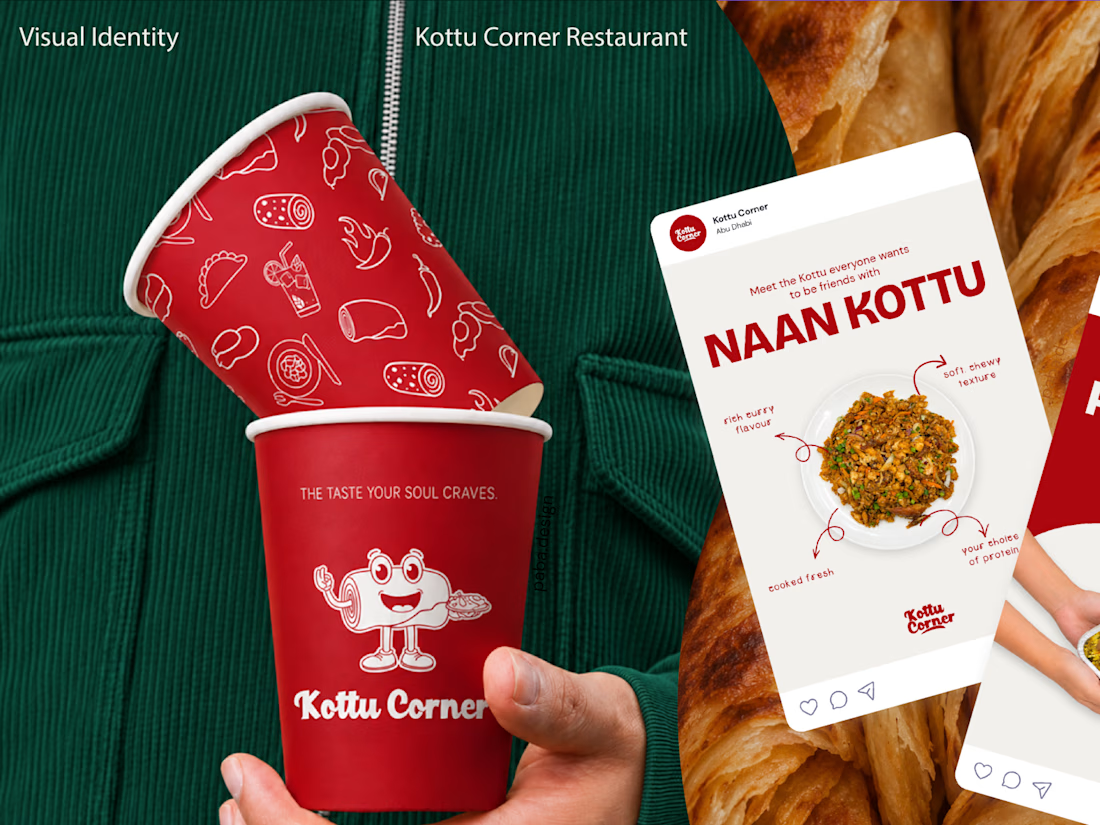
That was the starting point for my recent branding project for Kottu Corner, a restaurant in the UAE.
They came to me with an existing logo, but without a complete visual identity to support it.
Redesigning the logo simply for the sake of change wouldn't have been a smart business decision. With the brand preparing for a major transformation, the existing logo was the one familiar element customers could still recognize. Changing it alongside everything else would risk losing that connection and making the brand feel unfamiliar to the very people who already knew and trusted it.
Instead, I focused on developing a cohesive brand identity around it, guided by the restaurant's audience, business goals, and plans for future franchise growth.
From brand strategy and visual direction to packaging, merchandise, and other brand touchpoints, the goal was to create an identity that feels recognizable, consistent, and true to the business.
Because sometimes, good branding isn't about changing what already exists. It's about building on it.
Explore the full case study! ❤️


Cool work!!

The challenge:
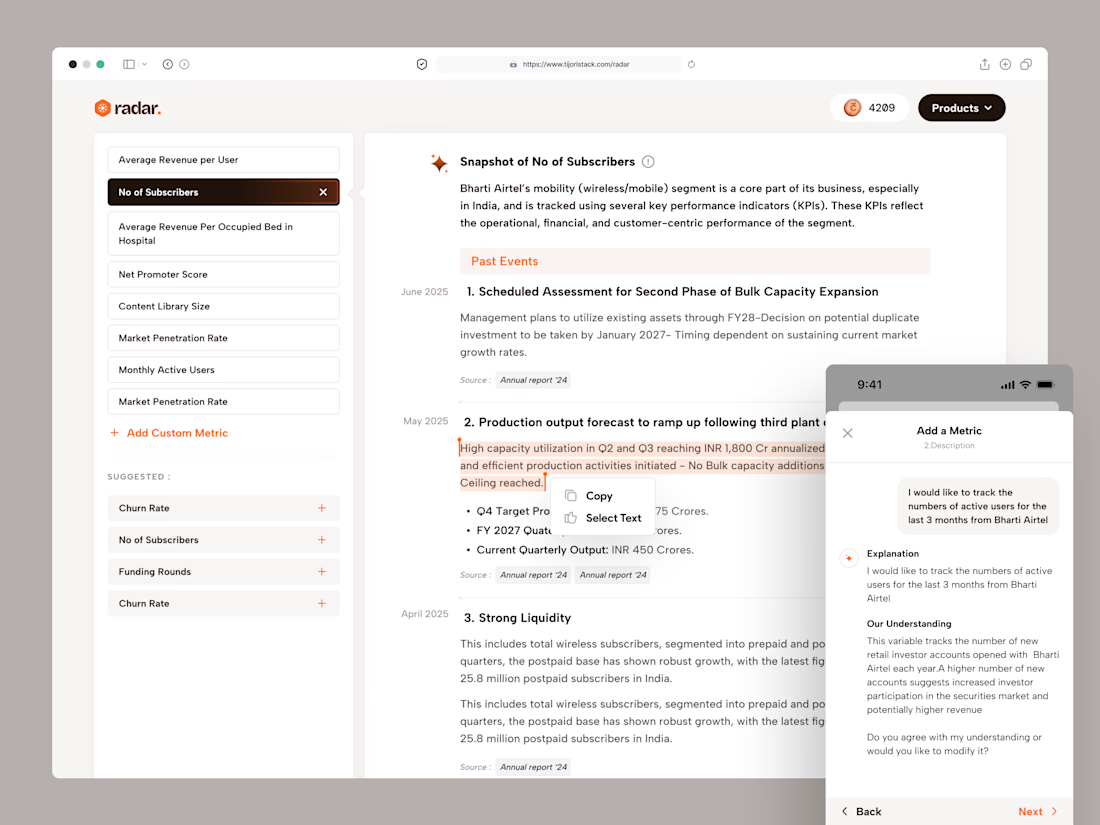
The KPIs that move a stock — subscribers, ARPU, capacity utilisation — are buried in annual reports and earnings calls. Screeners only show generic ratios. Tijoristack wanted investors to ask for any metric and get it back with dates and sources.
What I did:
As lead product designer, I ran research with investors, analysts and the founders, mapped the "add a metric" and "read a snapshot" journeys, and designed the web and mobile experience. I then worked with Tijoristack's developers through the build.
Key decisions:
• The AI restates its understanding of a new metric before tracking it, so one misread doesn't spoil every snapshot after it.
• Snapshots read as a dated timeline of events, not a lone number.
• A source chip on every claim, because investors won't act on what they can't trace.
Result
Shipped and live at tijoristack.ai/radar.
Building an AI or fintech product? I design complex workflows people actually get. Book a 30-min call
Check it out

The AI restating its understanding before tracking a metric is such a smart trust move. I design a GenAI analytics assistant and we hit the same problem: one silent misread and users stop trusting every answer after it. Did investors ever edit that restatement, or mostly just confirm it?