The network for creativity
Join 1.25M professional creatives like you
Connect with clients, get discovered, and run your business 100% commission-free
Creatives on Contra have earned over $150M and we are just getting started
Back to feedPost

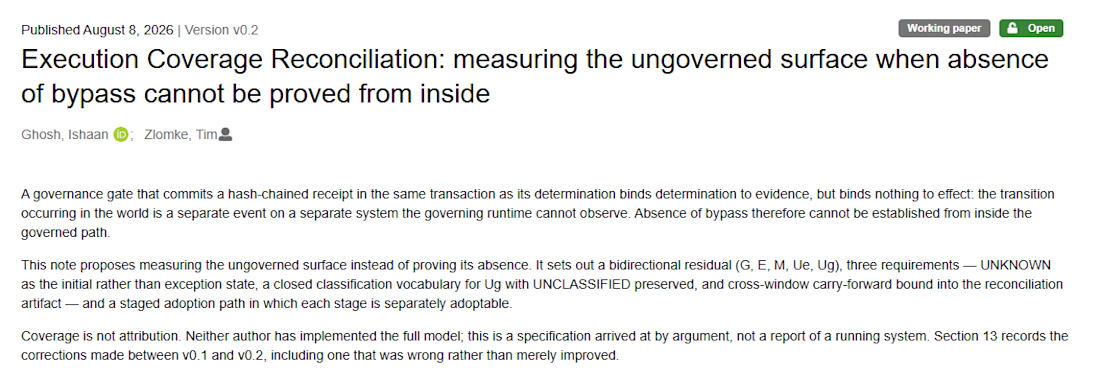
Execution Coverage Reconciliation — a specification for reconciling what a
governance system decided against what actually executed. Jointly authored,
CC BY 4.0. Arrived at by argument; neither author has implemented it, and the
paper says so. DOI 10.5281/zenodo.21843543

The network for creativity
Join 1.25M professional creatives like you
Connect with clients, get discovered, and run your business 100% commission-free
Creatives on Contra have earned over $150M and we are just getting started




Related posts

Building a Voice AI Assistant That Turns Phone Calls Into Thoughtful Follow‑Through
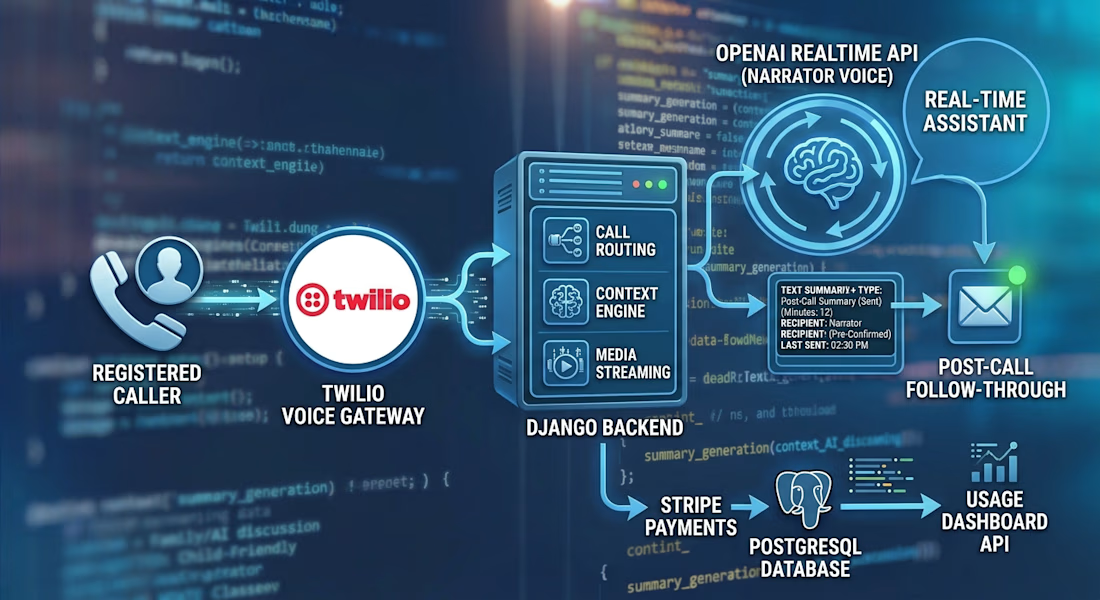
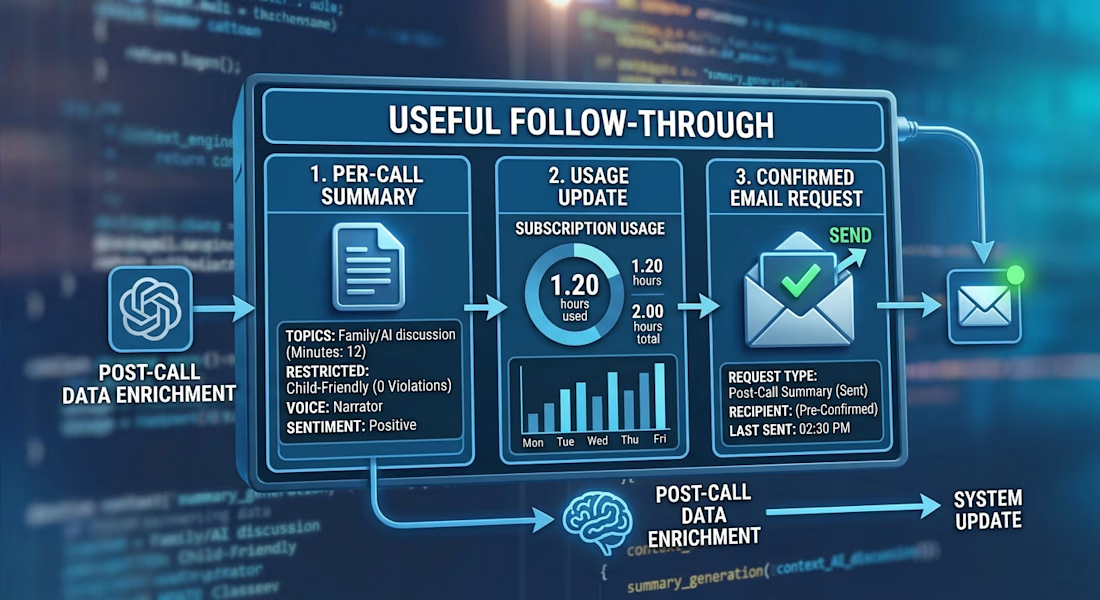
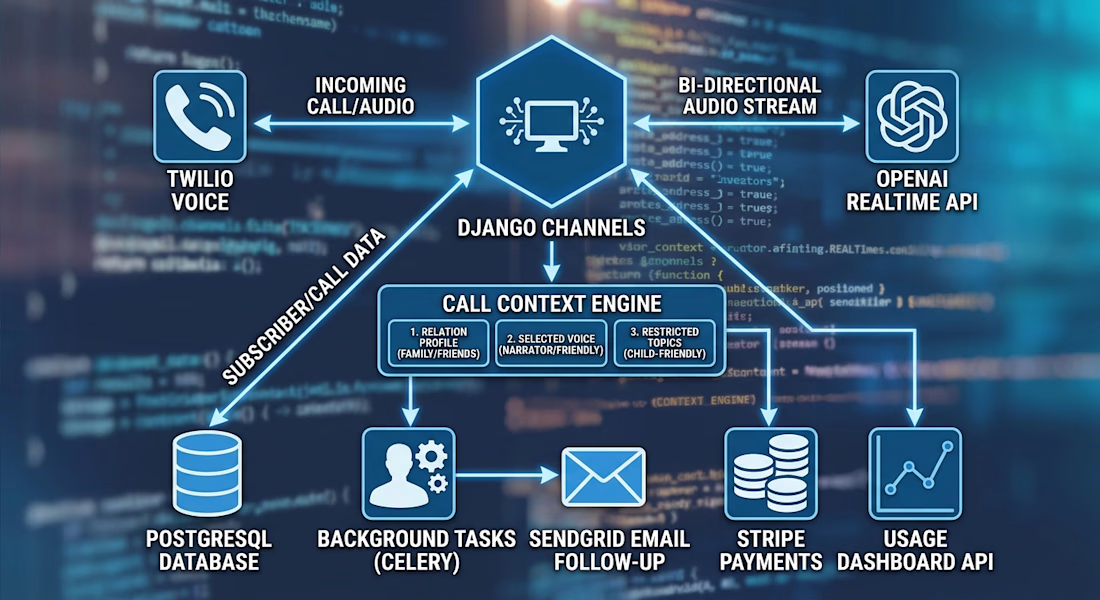
I built a Django backend for a family-focused AI phone assistant. A registered caller connects through Twilio, and Django Channels streams the call to an OpenAI Realtime session for a natural, two-way conversation.
The backend adds caller-specific context, selected voices, subscription minute limits, and interruption handling. After the call, background tasks generate a separate summary. A follow-up email is sent only when requested and the recipient is confirmed.
I also built APIs for managing relations, subscriptions, and dashboard usage data. One of the most interesting parts was connecting the whole lifecycle: incoming call, real-time conversation, usage tracking, and post-call follow-through.
#Django #VoiceAI #RealtimeAI #Twilio #OpenAI #BackendDevelopment




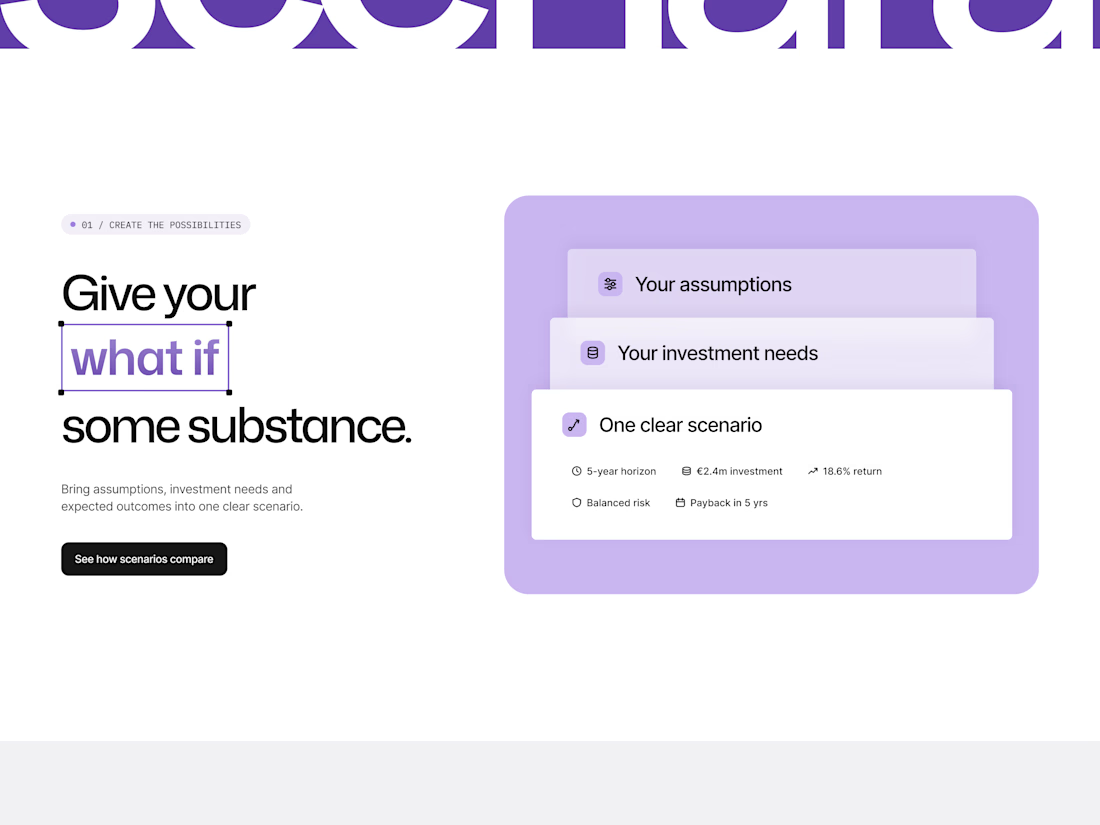
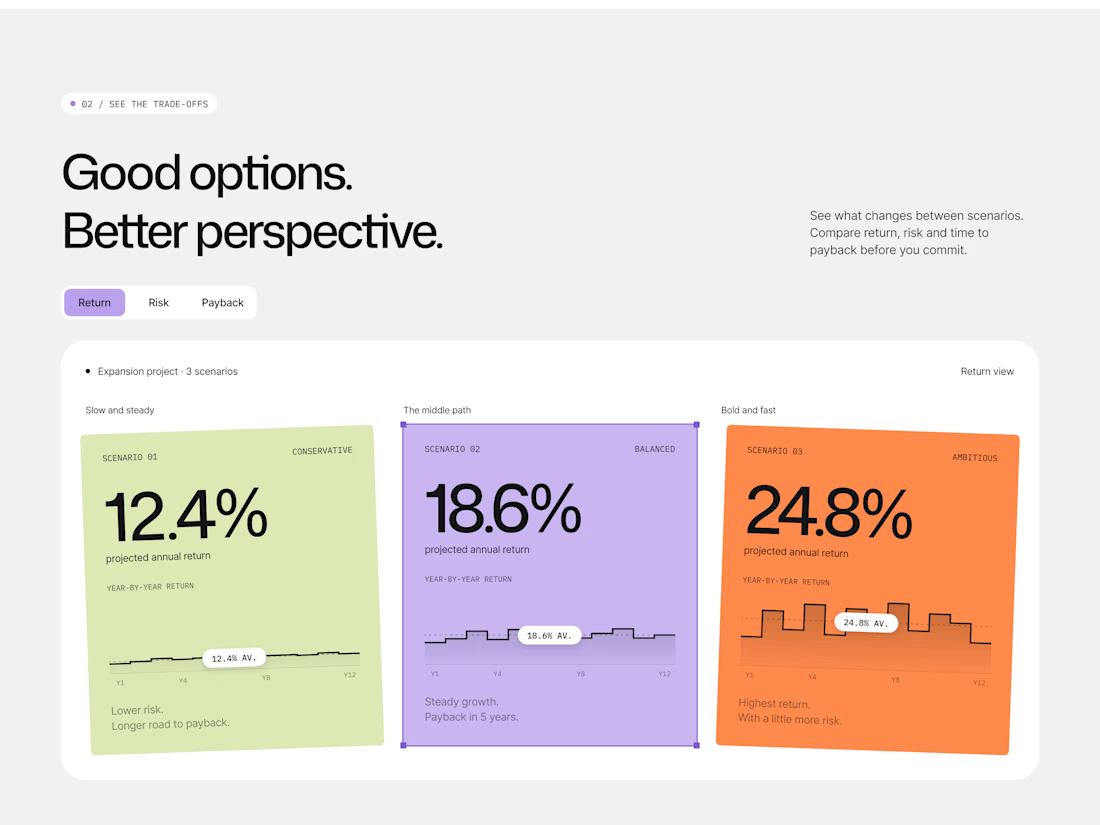
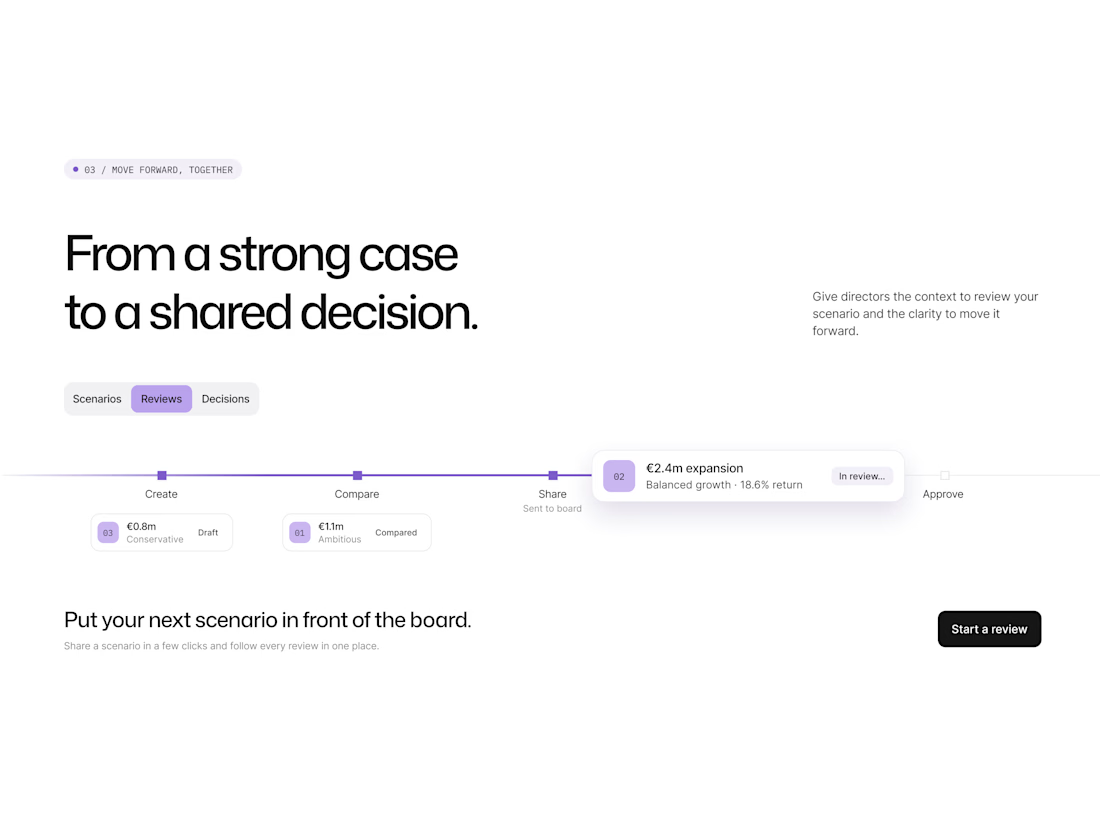
Investment planning often involves complex assumptions, multiple scenarios, and a lengthy approval process. Scenara brings these steps together in one collaborative platform, helping teams create, compare, and approve investment projects.
The landing page presents the product through a clear progression: start with assumptions, explore financial scenarios, and move toward a shared decision. Color-coded cards make it easier to compare possible outcomes, while the platform’s approval flow shows how teams can take a scenario from a strong case to an informed decision.
A clean editorial layout, oversized typography, and vibrant purple accents give the experience a distinctive identity while keeping the product story clear.


A presentation should build toward a decision.
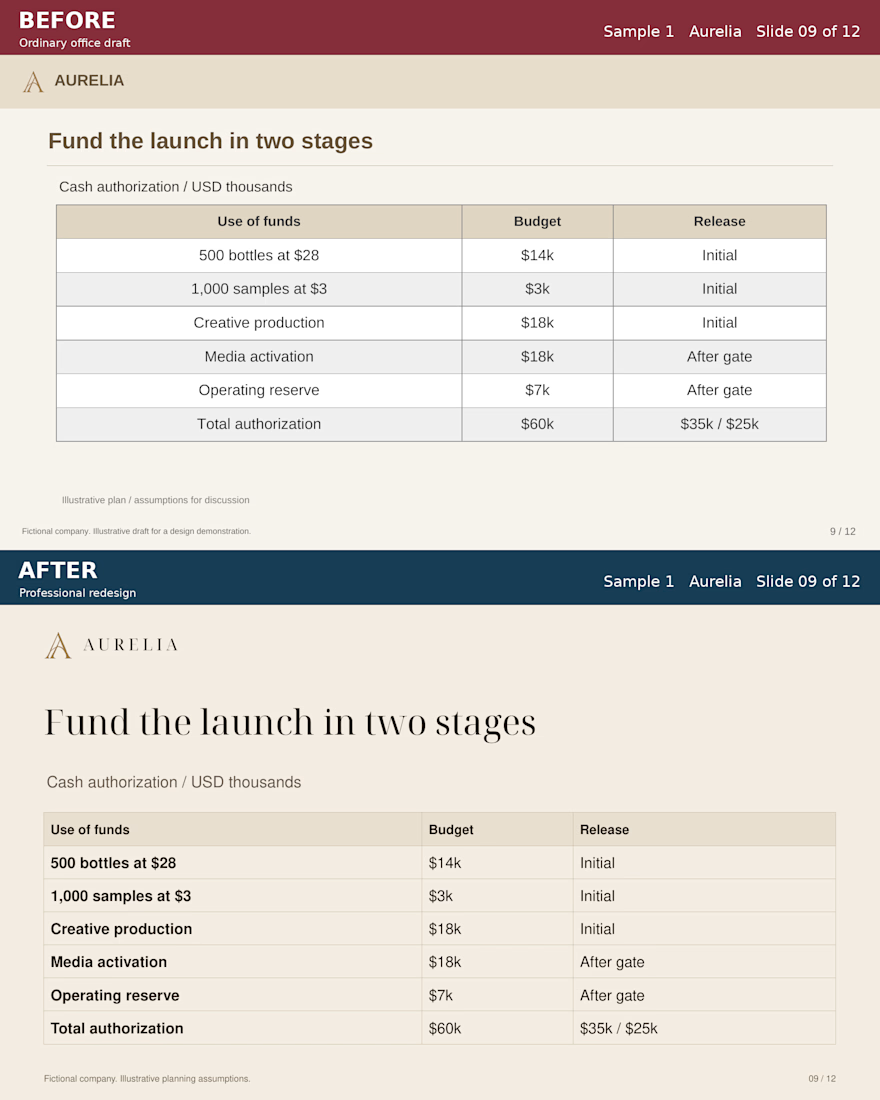
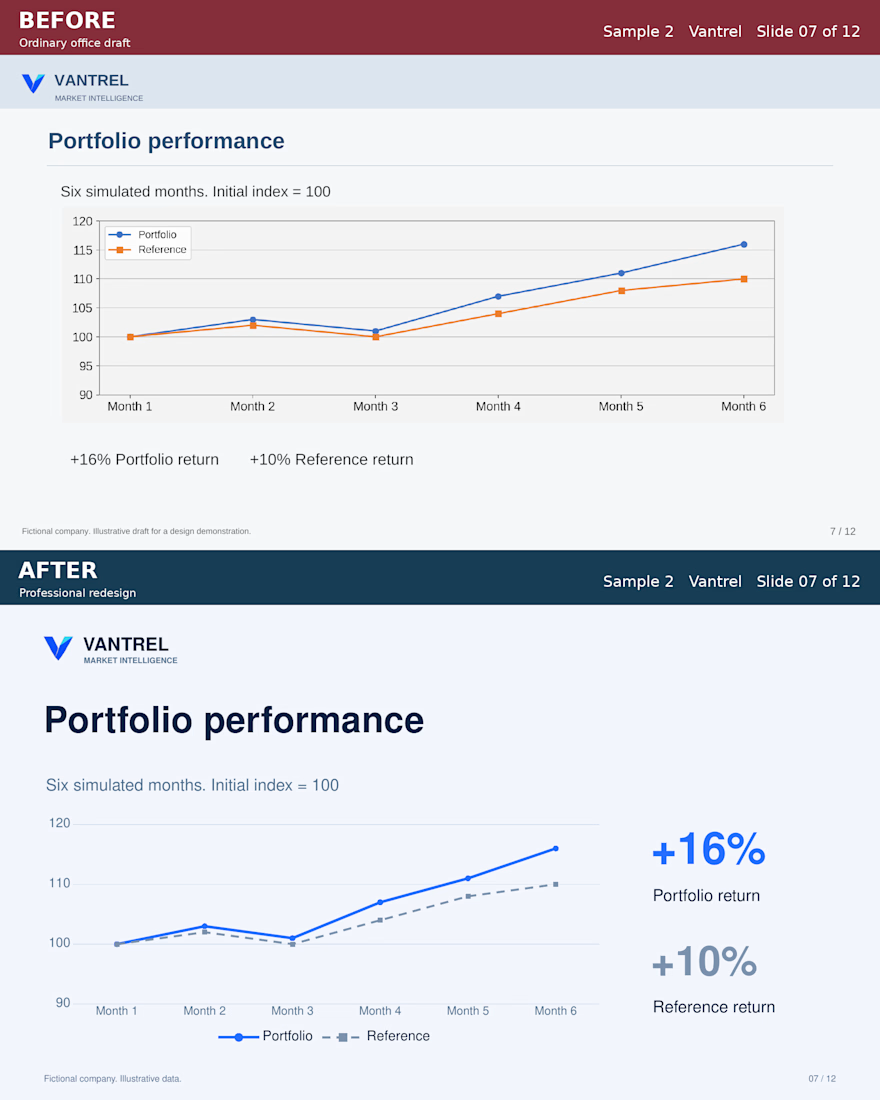
For these Aurelia and Vantrel studies, I developed two complete 12-slide business presentations. Aurelia builds toward a staged launch authorization. Vantrel builds toward a defined pilot.
Each BEFORE/AFTER pair keeps the same message and illustrative data, making the design changes easier to judge. The downloadable PowerPoint includes editable text, tables and charts.
These are self-initiated fictional projects developed with AI assistance and checked for content consistency, chart data and final rendering.
Looking at the AFTER slides, what would you simplify further to make the decision clearer?
Have a rough business deck? Send the deck, audience and deadline for a scoped redesign quote.
https://contra.com/s/v7NPev2Y-power-point-cleanup-and-presentation-redesign
Full case and downloads:
https://contra.com/p/esqL6Bvc-power-point-redesign-aurelia-and-vantrel