The network for creativity
Join 1.25M professional creatives like you
Connect with clients, get discovered, and run your business 100% commission-free
Creatives on Contra have earned over $150M and we are just getting started
Back to feedPost

After reading, reviewing, and editing more than 40 self-help books, these are the three things I see authors miss most often.
And they are usually the difference between a book that simply explains something and one that actually reaches someone.
We are not short on information anymore. What we are short on is writing that makes information land.
1. Trying to change the reader before making them feel understood
Set the boundary.
Stop overthinking.
Build the habit.
Leave the relationship.
The advice may be right. But sometimes the sentence that changes someone is not the one that tells them what to do.
It is the one that finally explains why it has been so hard to do it. Before a reader is ready to move, they often need to understand why they are standing where they are.
2. Confusing information with transformation
A definition can teach me what an attachment wound is.
A story might make me recognise the moment I started believing love had to be earned.
That is the difference.
Self-help is not only about asking: What does my reader need to know?
It is also asking: What does my reader need to experience while reading this?
Sometimes one metaphor, one question, or one painfully accurate sentence can do more than five pages of explanation. Because knowing something is not the same as seeing yourself inside it.
3. Writing from the side of the person who already knows the answer.
Once you understand something deeply, it is easy to forget what it felt like not to understand it.
You can write: Procrastination is an emotional-regulation problem.
But where is the bridge between that sentence and the person staring at the task they have avoided for three weeks?
The author may already be standing on the other side.
The reader still needs to know where to place their first foot.
That is what I think the strongest self-help writing understands. The goal is not simply to give the reader better answers. It is to help them recognise themselves clearly enough that those answers finally have somewhere to land.
The best books do not stand at the destination and shout directions back. They walk back and meet the reader on the road.

The network for creativity
Join 1.25M professional creatives like you
Connect with clients, get discovered, and run your business 100% commission-free
Creatives on Contra have earned over $150M and we are just getting started
Trending
retrofuturism
Share your favorite designs from the past exploring the distant future. Or your own take on the aesthetic 🚀
halftone
Dots. Texture. Grain. Let's see your designs using the halftone technique.

Midjourney
Creatives are showing off what they're making with Midjourney.
colorgrade
Video editors sound off: How do you enhance the mood of your video in color grading?





Related posts


I wanted to play with a simple idea:
Write less. Say more.
So I experimented to build a little lettering system where each letter is missing a piece but hopefully, your brain fills in the gaps anyway.
Because good communication doesn't always need everything spelled out.
And, as a copywriter, I feel slightly obligated to believe that. :)

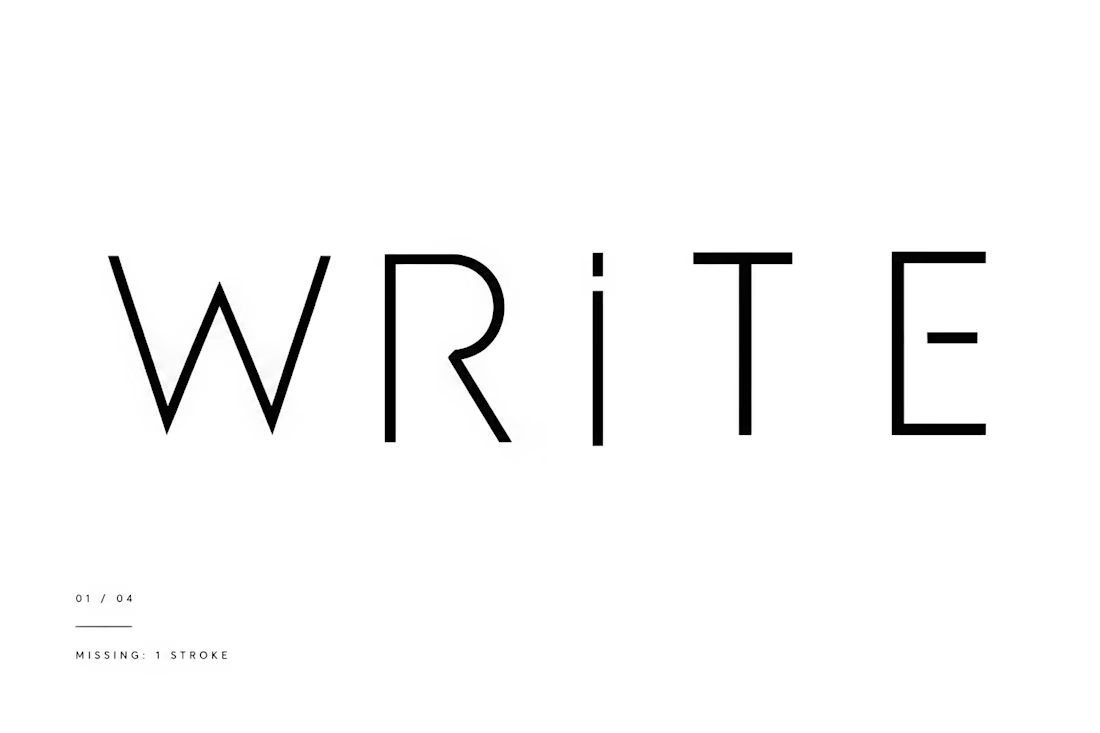
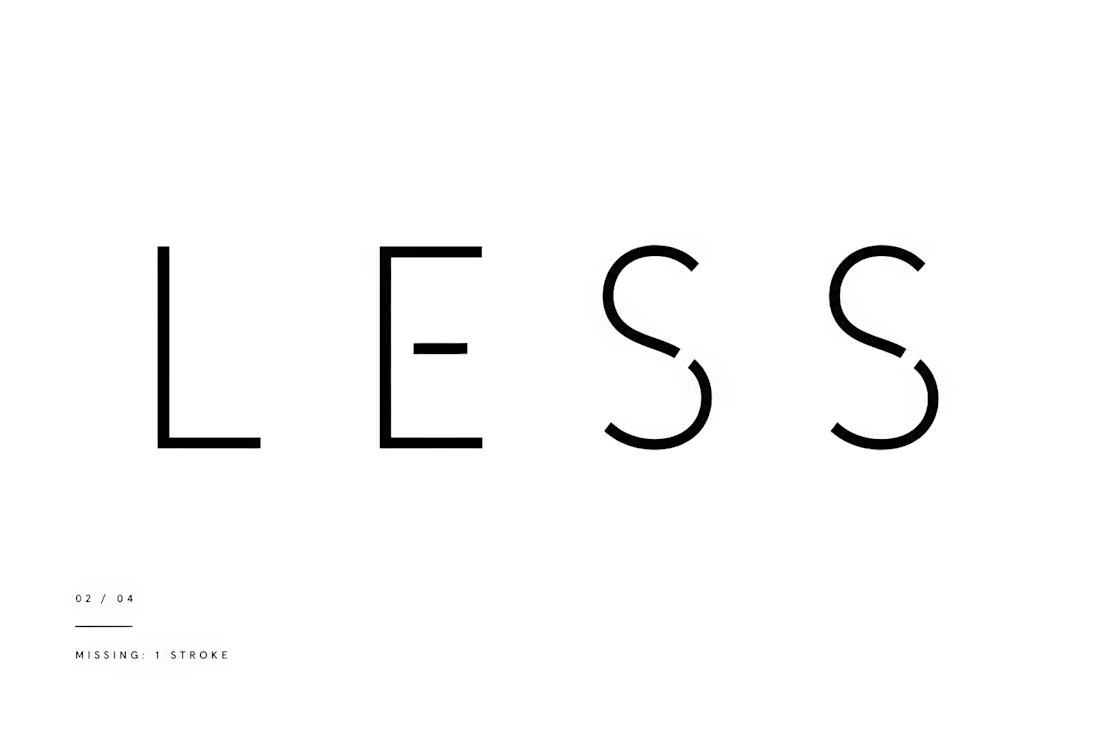
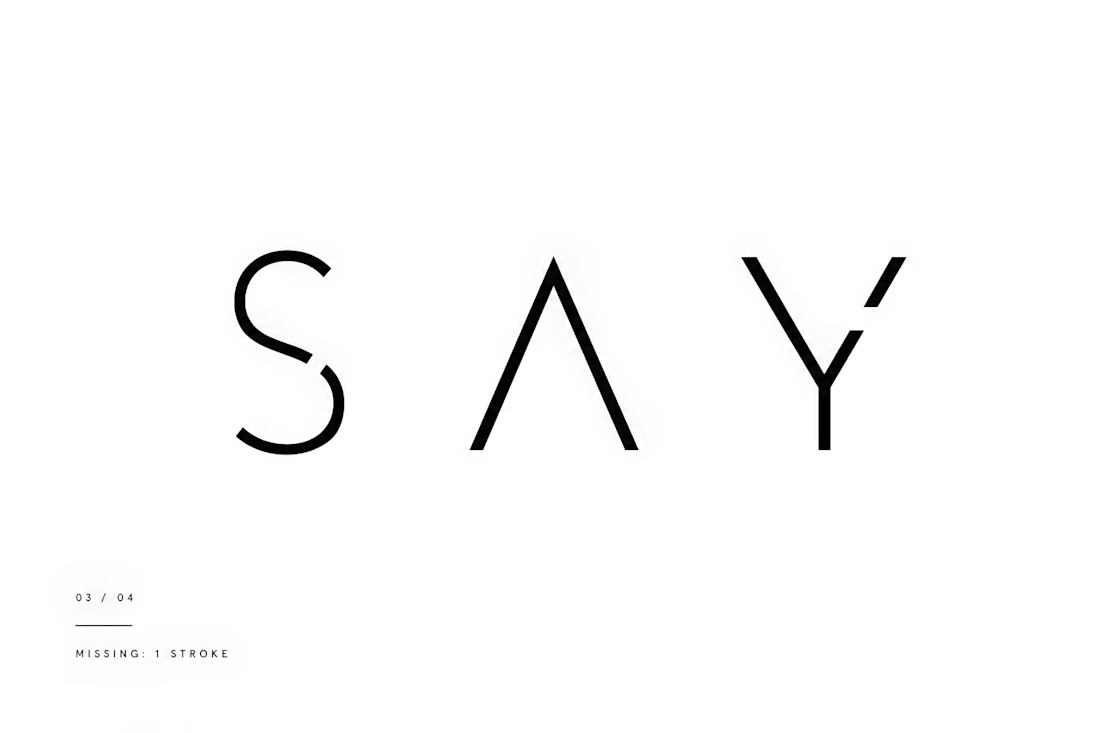
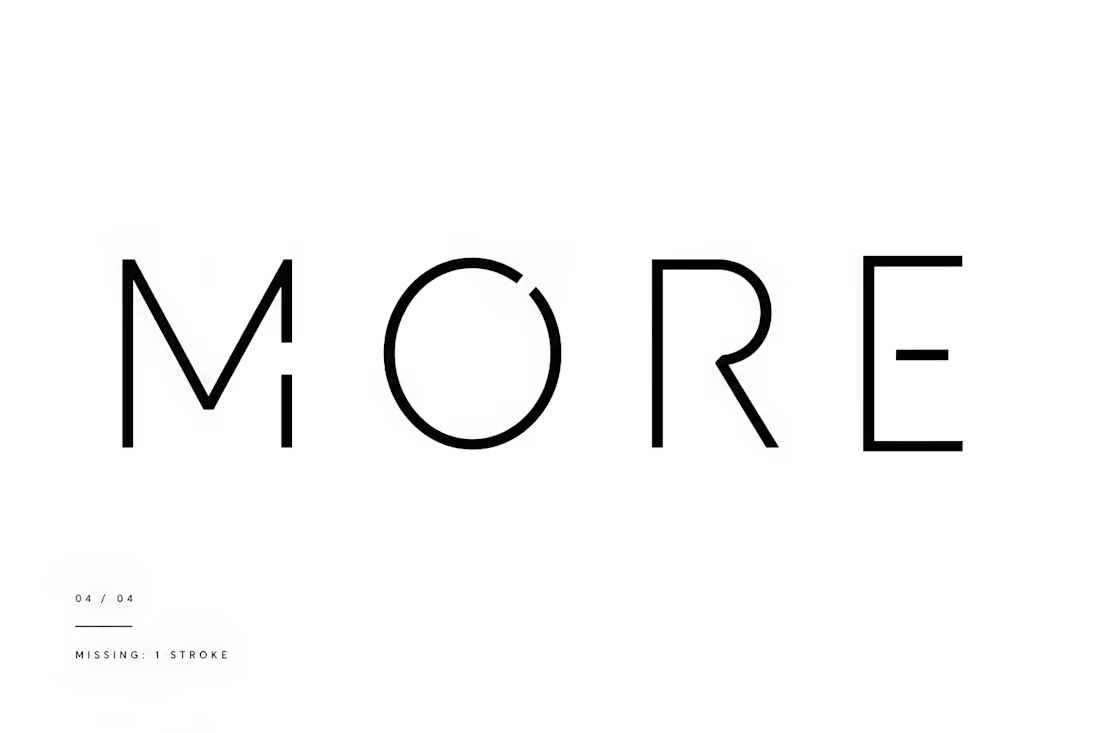

This looks like the from the movie Arrival👀

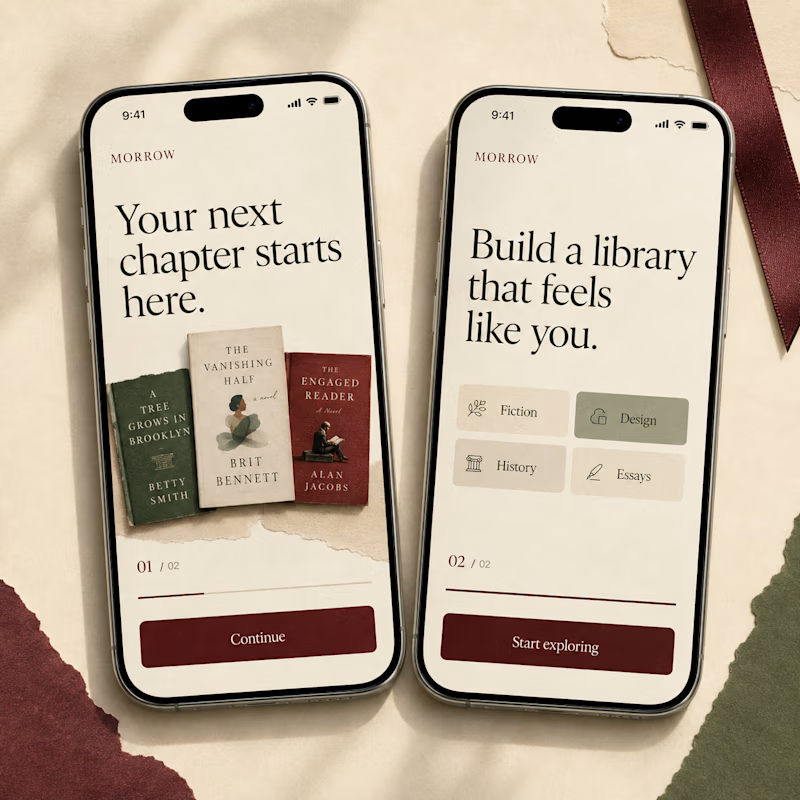
Same reading journey, two different moods. Which onboarding direction would you choose for Morrow?
8 voted
73%
3 voted
27%

11 votes
Closed

Editorial, well nice work brother!


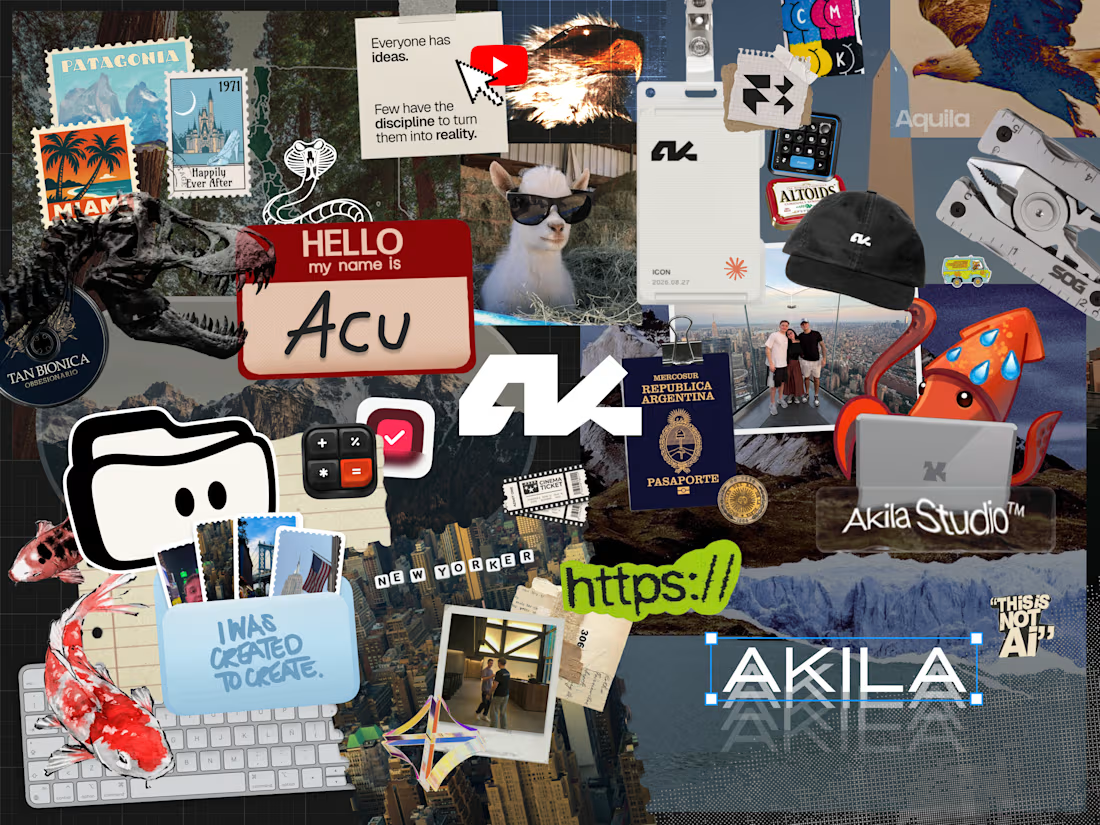
What's on the moodboard of the person you became?
This is my creative story in a collage
"Everyone has ideas. Few have the discipline to turn them into reality"
This is Akila. This is Acu. This is not AI.
What three must-have things would be on yours?


really cool idea!