The network for creativity
Join 1.25M professional creatives like you
Connect with clients, get discovered, and run your business 100% commission-free
Creatives on Contra have earned over $150M and we are just getting started
Back to feedPost

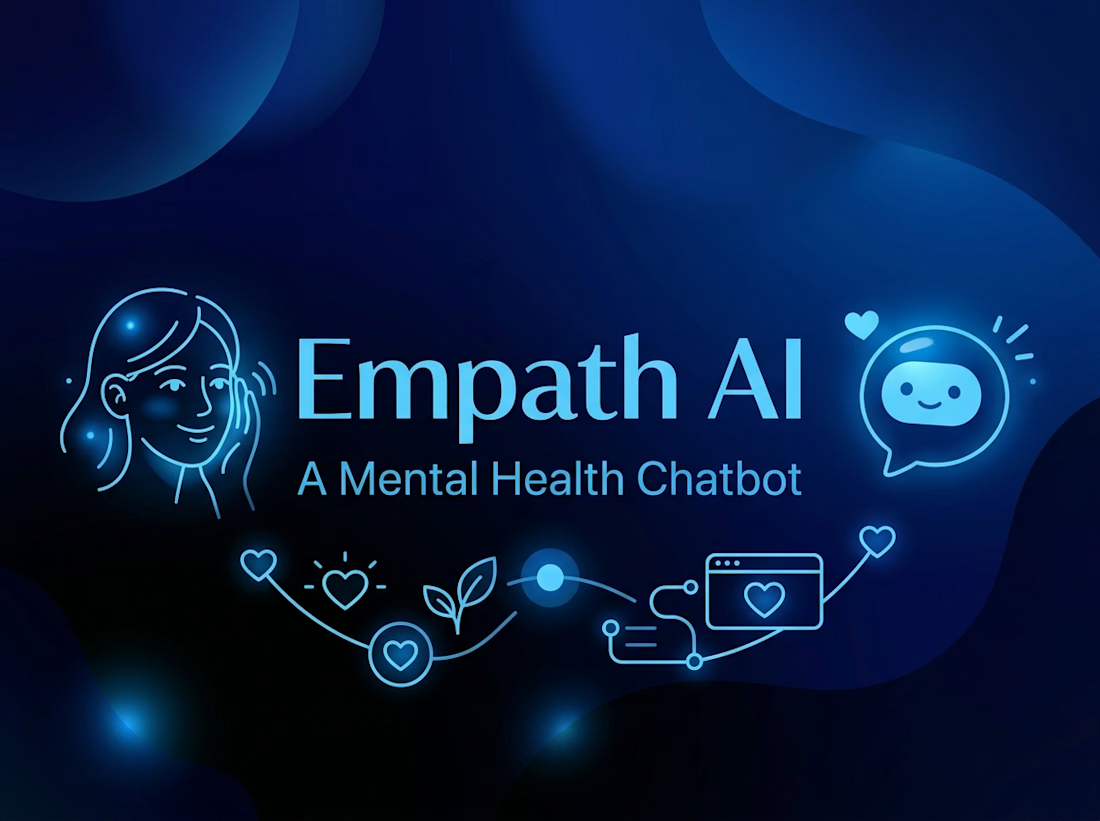
EmpathAI — AI Mental Health Chatbot
Developed EmpathAI, an AI-powered conversational application designed to provide empathetic, context-aware conversations through natural language.
The project focused on combining conversational AI with a simple, accessible interface to create a more human-like chatbot experience.
Key Features
AI-powered conversational chatbot for natural-language interactions
Fine-tuned DialoGPT model for conversational responses
Conversational interface built with Streamlit
Firebase integration for storing and managing application data
Context-aware dialogue handling for more coherent conversations
Clean and user-friendly chatbot interface
Deployed through Hugging Face Spaces for public accessibility
End-to-end implementation covering model development, application interface, backend integration, and deployment
Tech Stack
Python · DialoGPT · Hugging Face Transformers · Streamlit · Firebase · Hugging Face Spaces
My Role
AI/ML Engineer — End-to-End Development
Designed and developed the project from the AI model layer through the user-facing application, including conversational model fine-tuning, application development, database integration, and deployment.
The project gave me practical experience in NLP, conversational AI, transformer-based models, model deployment, and building AI applications around real user interactions.


The network for creativity
Join 1.25M professional creatives like you
Connect with clients, get discovered, and run your business 100% commission-free
Creatives on Contra have earned over $150M and we are just getting started
Related posts

Thinking about making a course on how I actually work with AI agents.
Not prompts.
The rules, skills and checks that make the agent build things the way my repo wants.
Would that be useful to anyone?

Yes please. The rules and checks part is what nobody teaches. Prompt tips are everywhere, repo setup isn't.

What does practical, agentic AI look like in a real business workflow?
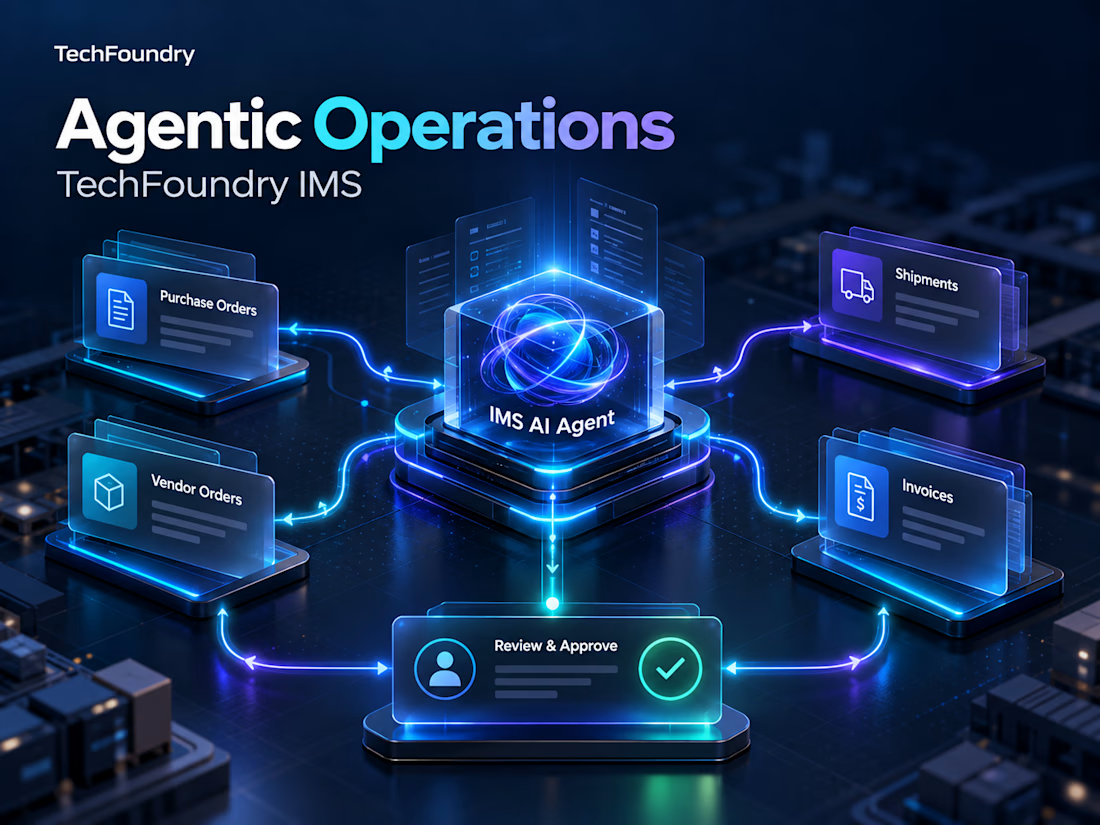
Our new TechFoundry IMS case study walks through seven demos—from purchase-order intake and catalog conflict resolution to vendor orders, shipments, client shipping, and invoice reconciliation.
It shows how AI agents, document processing, and software integrations work together, with human review where judgment matters. I’ve also included the technology stack behind the platform.
Explore the case study:
https://contra.com/p/oWU3ssF3-tech-foundry-ims-ai-procurement-and-fulfillment-in-seven-demos
Building an agentic AI solution? Book a free initial consultation with me on Contra. We’d love to work with you.
#PracticalAI #AgenticAI #Automation #SoftwareDevelopment

Purchase-order intake and catalog conflict resolution feel like the right place to start with agents, since the pain is concrete. How do you handle the cases where the agent is unsure and a human has to step in?

🔐 From zero to one: designing Smart Prosegur.
One project I really enjoyed being part of was Smart Prosegur, where I collaborated as a Product Designer, helping shape the product from the ground up.
From defining user flows and key features to designing the interfaces, I worked on turning real user needs into a simple, intuitive experience for managing home security.
This project reinforced something I strongly believe in: great product design isn't just about how things look, but about making complex experiences feel simple, useful, and human.
#ProductDesign #UXDesign #Prosegur