The network for creativity
Join 1.25M professional creatives like you
Connect with clients, get discovered, and run your business 100% commission-free
Creatives on Contra have earned over $150M and we are just getting started
Back to feedPost

Enterprise Platform for Pakistan Quality Inspection & Services (PQIS)
Role: Lead Frontend Engineer
Tech Stack: Astro, Tailwind CSS, DaisyUI, SVG Manipulation
Project Link: https://pqis.com.pk/
The Technical Challenge
PQIS competes directly with global compliance giants like SGS, but their legacy digital footprint failed to reflect their enterprise authority. The company's original web presence was a cluttered, unoptimized single-page site hosted on a sluggish Oracle APEX instance. It suffered from fragmented navigation, severe loading bottlenecks, and poor mobile scalability. The challenge was to execute a total frontend overhaul: systematically refactoring a chaotic legacy layout into an authoritative, highly structured B2B multi-page ecosystem while migrating the entire stack to a modern, lightning-fast architecture.
Key Contributions
1. Legacy Code Refactoring & Modernization:
Rescued the brand from an outdated, unmaintainable Oracle-hosted setup. Completely re-engineered the content hierarchy from scratch, transforming a messy single-page view into a polished, multi-page corporate platform built with strict adherence to semantic layout principles.
2. Bespoke Interactive SVG MapViewer:
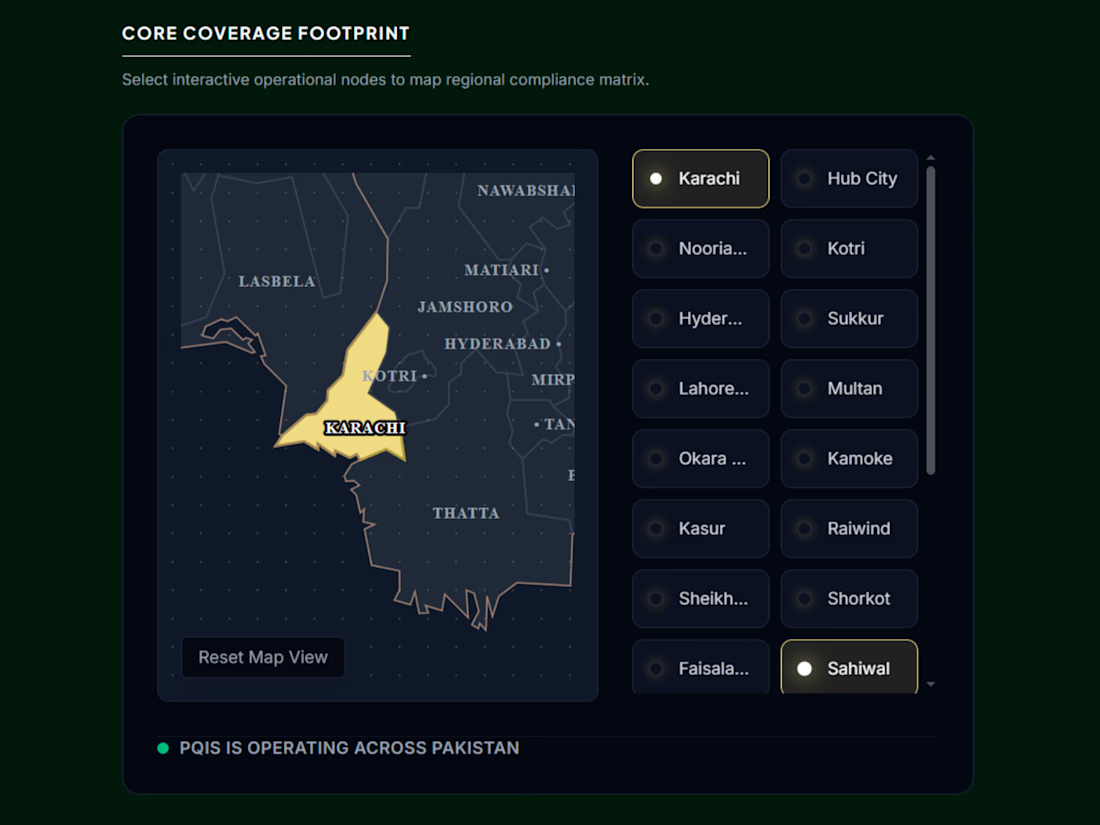
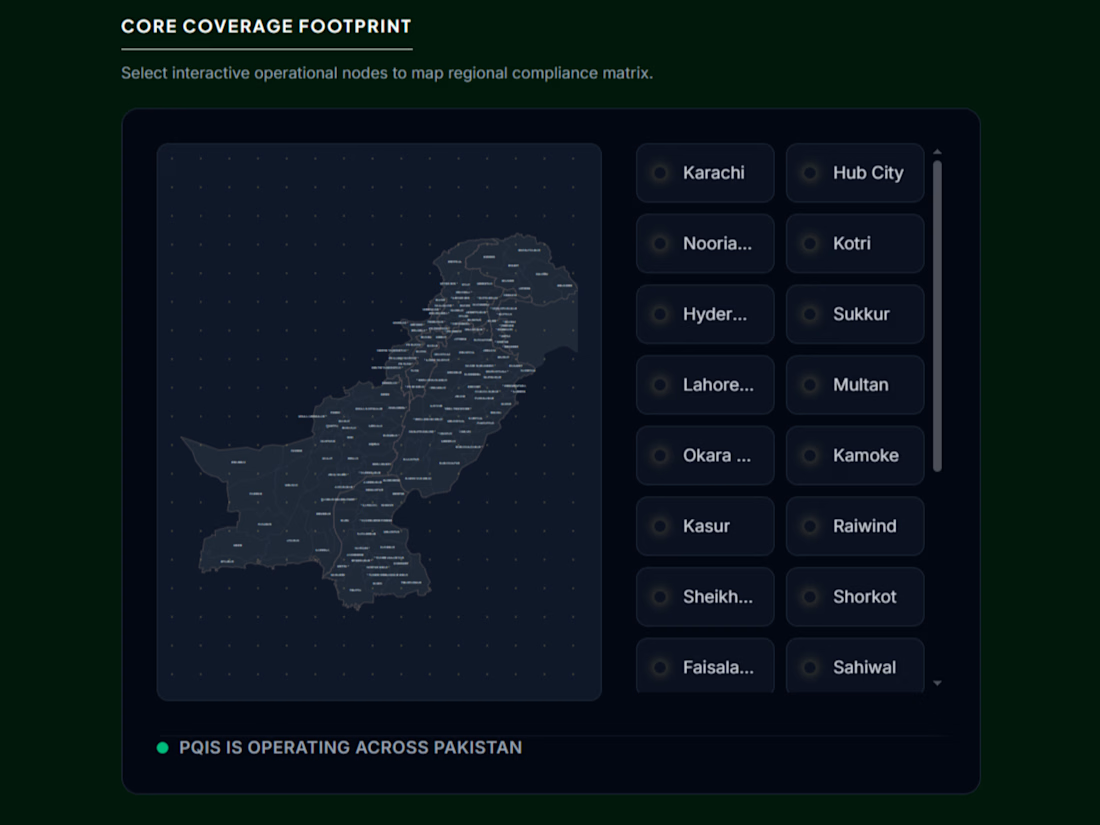
Engineered a custom, dark-themed regional compliance map ("Core Coverage Footprint") entirely from scratch using optimized vector paths. Implemented asynchronous state logic where selecting an operational node instantly zooms, dynamically repositions, and highlights targeted geographical matrices (such as Karachi) utilizing hardware-accelerated fluid transitions and a clean "Reset Map View" flow.
3. Performance-First Architecture (Astro SSG):
Leveraged Astro to replace the sluggish legacy framework with a content-first static architecture. By ensuring zero client-side JavaScript overhead by default, I eliminated historical loading bottlenecks, maximized user retention, and secured an elite technical foundation for local and global SEO.
4. Component-Driven UI Engineering:
Translated a heavy industrial brand identity into modular, low-debt code using Tailwind CSS and DaisyUI. Engineered crisp, fully responsive layouts for core enterprise frameworks ("Inspection & Audits", "DMAIC Specialization") that render flawlessly across all device spectrums.
5. Future-Proof CMS Architecture:
Intentionally structured the new directory schemes and data layers to support a seamless, plug-and-play migration to a git-backed headless content system (such as Sveltia CMS). This architecture ensures that non-technical admins can scale service descriptions in the future without needing to alter a single line of production code.



The network for creativity
Join 1.25M professional creatives like you
Connect with clients, get discovered, and run your business 100% commission-free
Creatives on Contra have earned over $150M and we are just getting started





Related posts

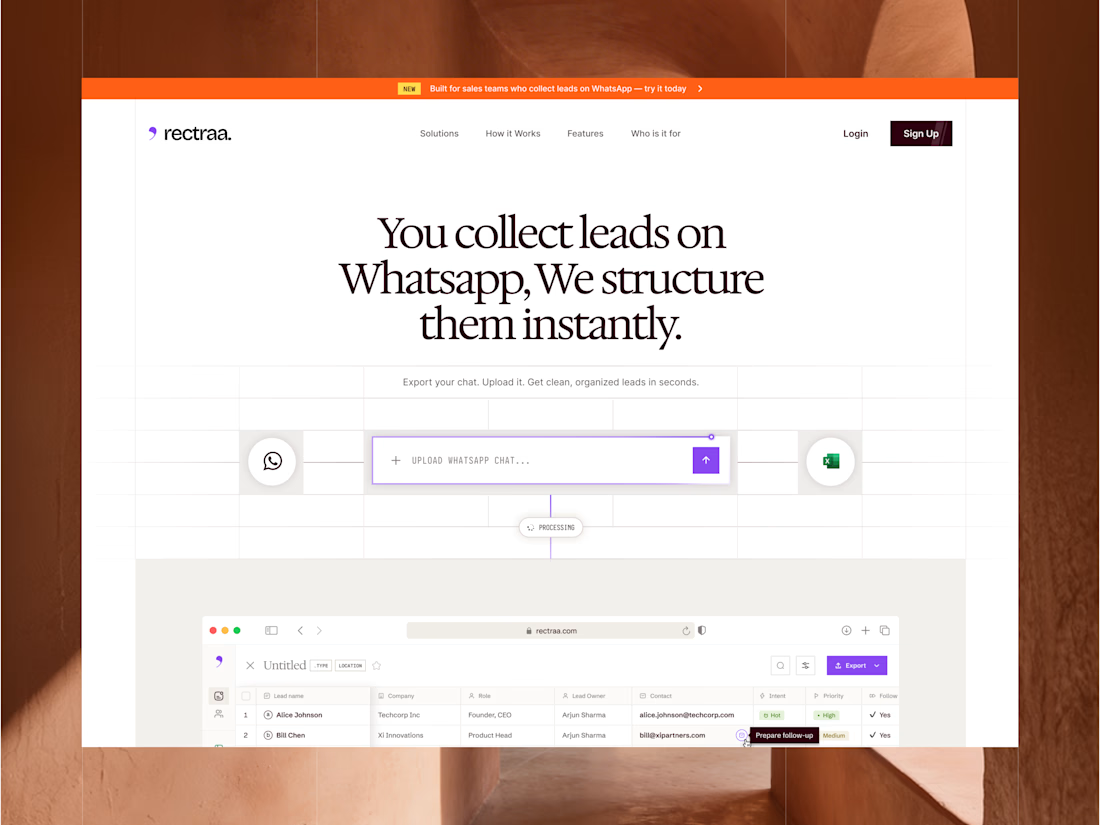
Rectraa helps sales teams extract, classify and organize leads collected through WhatsApp. I designed and developed its marketing website to explain the product clearly, demonstrate its workflow and encourage visitors to try it.
Project information:
Role: Website Designer & Framer Developer
Scope: Website strategy, UI design, responsive design and development
Tools: Figma and Framer
Deliverable: Responsive SaaS marketing website


High end design

Project Overview
Fatima Lane is a contemporary women’s fashion ecommerce experience designed around a clean, editorial visual style. The project focused on creating a premium shopping experience that feels simple, elegant and easy to navigate across the complete customer journey.
The Challenge
The goal was to create an online fashion store that could present products in a premium way without making the shopping experience complicated. The website needed clear product discovery, detailed product pages, wishlist and account functionality, while maintaining a consistent fashion-led visual identity.
The Solution
I designed and developed a responsive ecommerce experience with a strong focus on product presentation, navigation and usability. The interface combines editorial layouts with practical shopping functionality, including product collections, quick product access, product details, wishlist, customer account areas and order-related workflows.
Key Features
Product collections and new arrivals, detailed product pages, product variants, wishlist, cart flow, customer account area, order tracking, saved addresses, profile management, responsive layouts and structured footer/navigation.

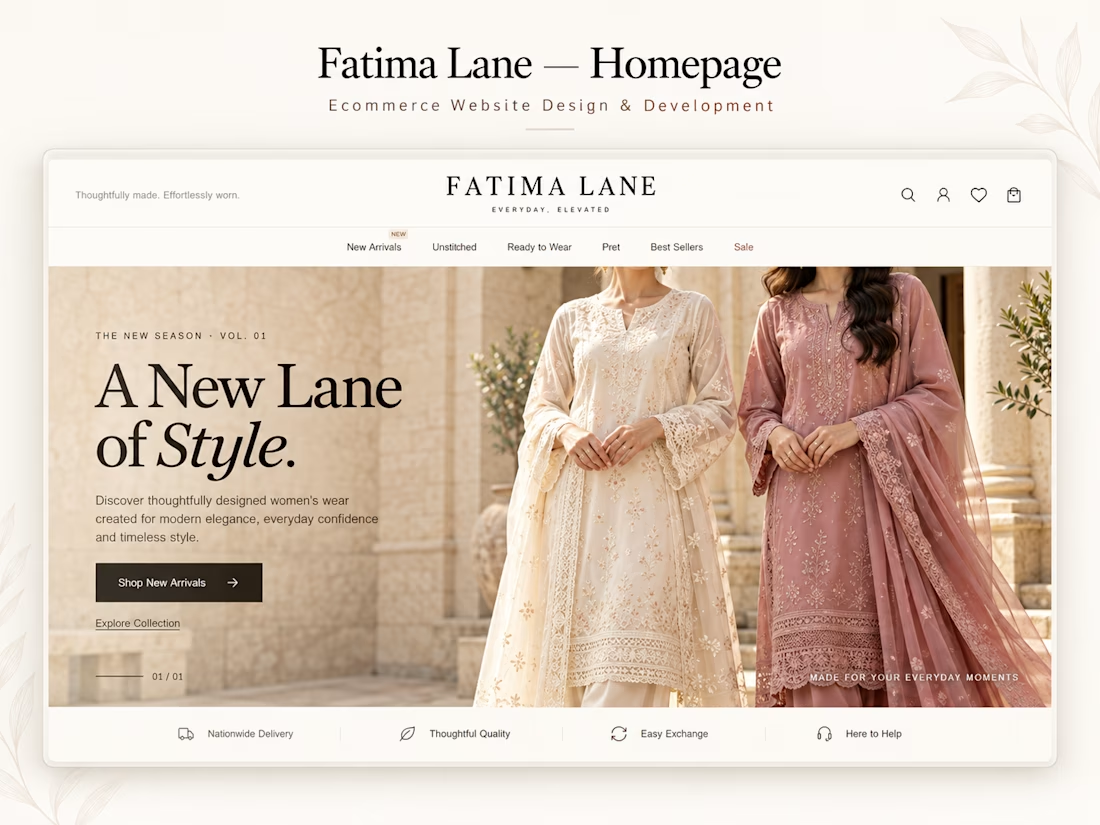
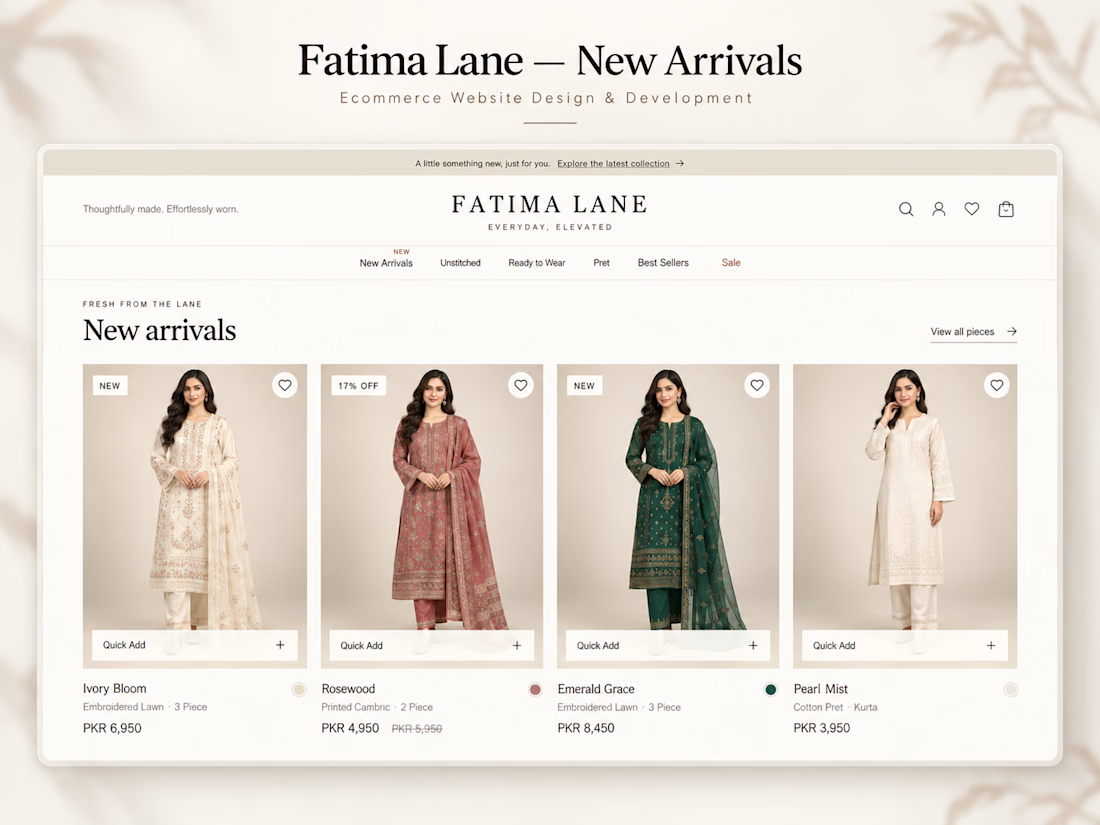
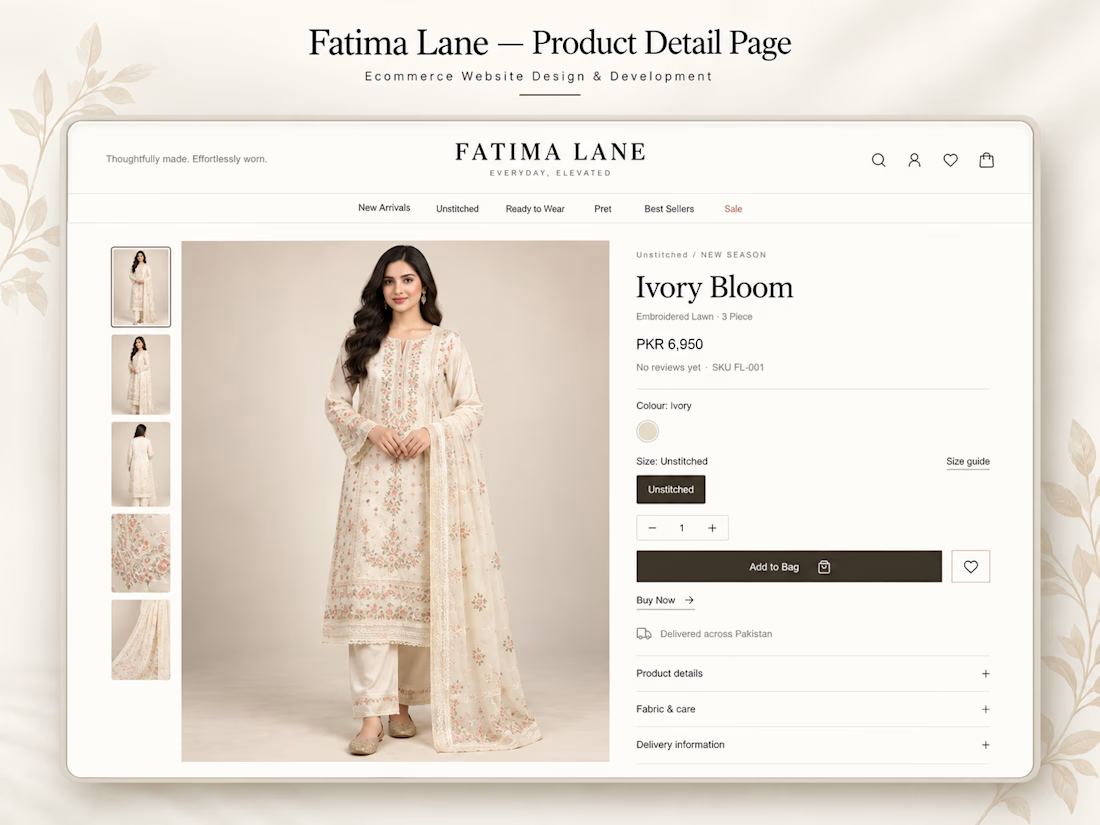
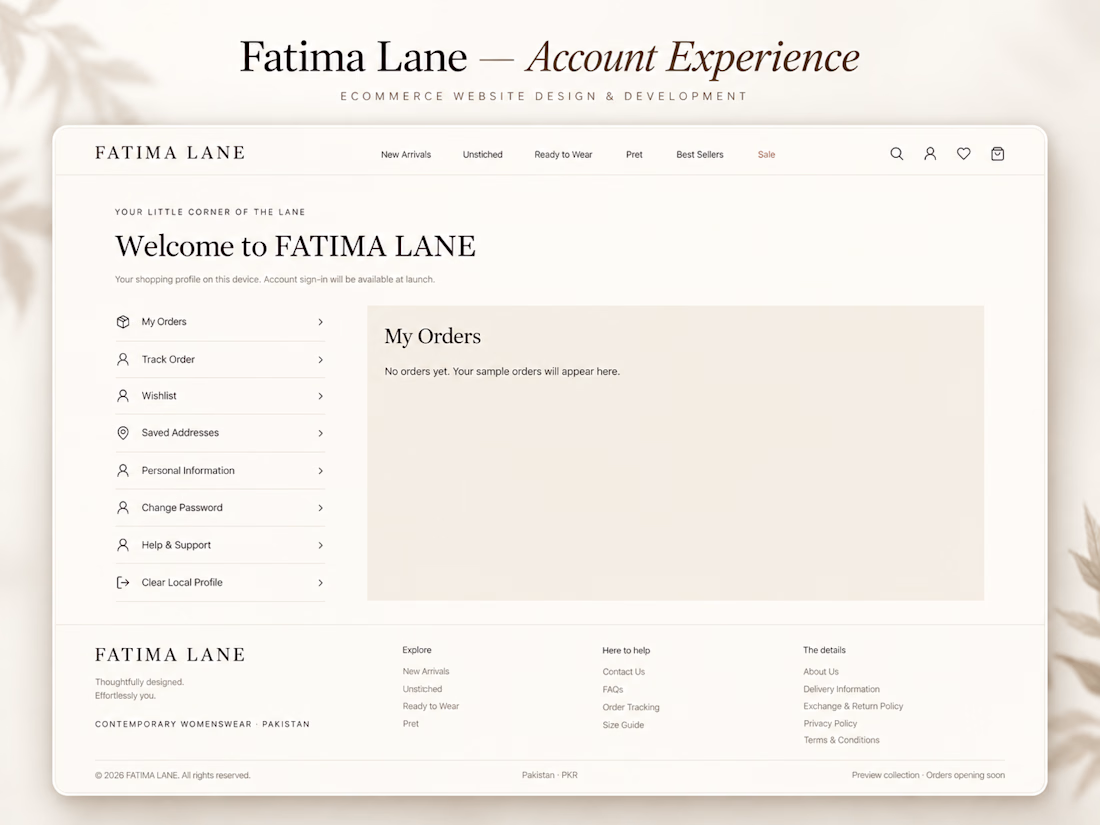

Beautiful balance of editorial style and usability. The shopping experience feels premium without becoming complicated.

Navigation, but a little different.
Built this floating side nav from scratch and designed a hero to match it.
Offset.

I love the smoothness