The network for creativity
Join 1.25M professional creatives like you
Connect with clients, get discovered, and run your business 100% commission-free
Creatives on Contra have earned over $150M and we are just getting started
Back to feedPost
A copywriter’s job is to see things from your audience's perspective. And then adapt your message to THEIR worldview.
I’m not the copywriter behind the Singaporean hangover pills brand DrinkAid, but if I were, this is how I’d change their hero headline from a lifeless ‘Every part of your day deserves your best’ to something less vague and way more relatable:
1. Reveals a surprising truth⇝“Every hangover you’ve ever had wasn’t your fault”
2. Names the enemy⇝ “It was acetaldehyde.”
3. Positions the brand as the obvious solution against the villain⇝ “You’re looking at the antidote”


And I’d also write a new sub-headline that backs the claim made in the hero headline:
Most supplements ignore what alcohol does to your body. Every drink produces acetaldehyde (a nasty toxin your liver can't mop up fast enough). That's the 2am wake-up. The brain wrapped in cling...

insightful 🔥
The network for creativity
Join 1.25M professional creatives like you
Connect with clients, get discovered, and run your business 100% commission-free
Creatives on Contra have earned over $150M and we are just getting started


Related posts

As a copywriter, I transform ordinary product details into compelling words that:
Highlight unique product features.
Turn features into customer benefits.
Create emotional connections with buyers.
Build trust and increase purchase interest. Encourage customers to take action.
Don’t just describe your product. Make customers want it!


What if your business already has a logo, but nothing else that makes it recognizable as a brand?
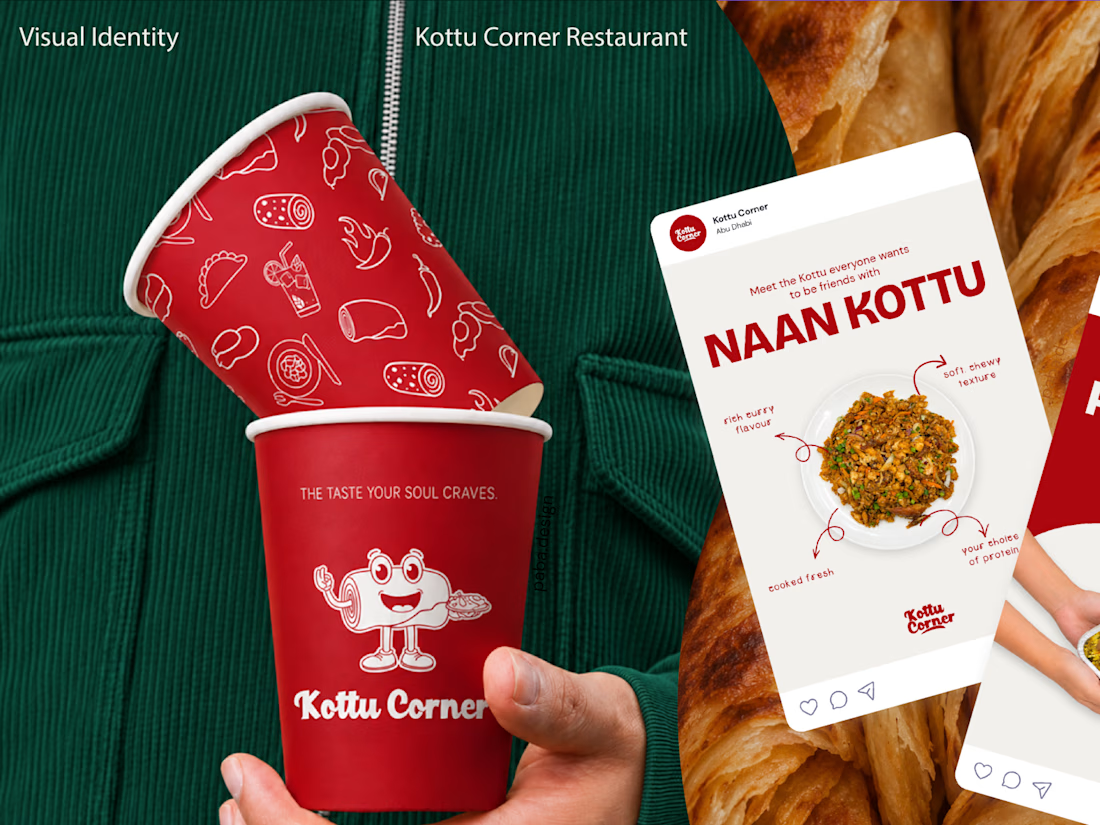
That was the starting point for my recent branding project for Kottu Corner, a restaurant in the UAE.
They came to me with an existing logo, but without a complete visual identity to support it.
Redesigning the logo simply for the sake of change wouldn't have been a smart business decision. With the brand preparing for a major transformation, the existing logo was the one familiar element customers could still recognize. Changing it alongside everything else would risk losing that connection and making the brand feel unfamiliar to the very people who already knew and trusted it.
Instead, I focused on developing a cohesive brand identity around it, guided by the restaurant's audience, business goals, and plans for future franchise growth.
From brand strategy and visual direction to packaging, merchandise, and other brand touchpoints, the goal was to create an identity that feels recognizable, consistent, and true to the business.
Because sometimes, good branding isn't about changing what already exists. It's about building on it.
Explore the full case study! ❤️


Well done!

A brand doesn't lose its identity in one big mistake.
Sometimes, it's the small details.
A social media post that feels different from the rest.
A presentation that uses completely different styles.
A business card that doesn't feel connected to the brand.
Each one might look fine on its own, but together, they create an inconsistent experience.
That's why I believe good branding is not just about creating a beautiful logo.
It's about making every touchpoint feel like it belongs to the same brand.
From the first impression to the smallest detail, consistency makes a difference.
And sometimes, the best improvement isn't changing everything. It's making everything work together.
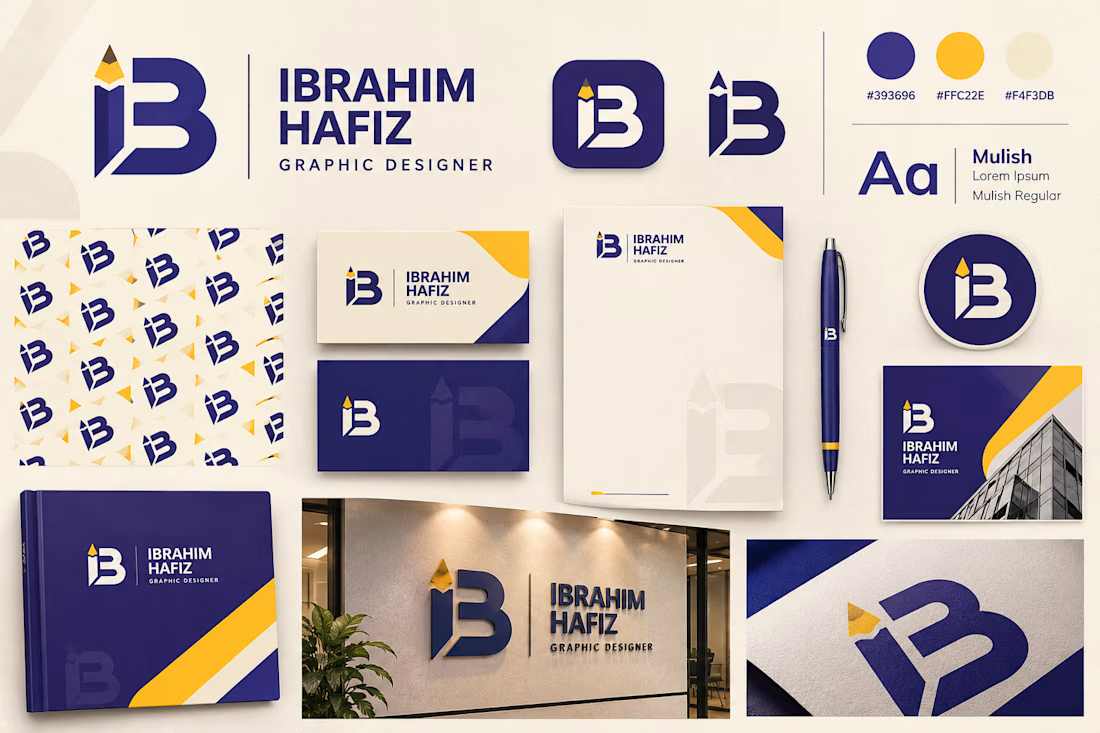


yellow corner accents tie the business card and the signage together nicely, was that the plan from day one?