The network for creativity
Join 1.25M professional creatives like you
Connect with clients, get discovered, and run your business 100% commission-free
Creatives on Contra have earned over $150M and we are just getting started
Back to feedPost

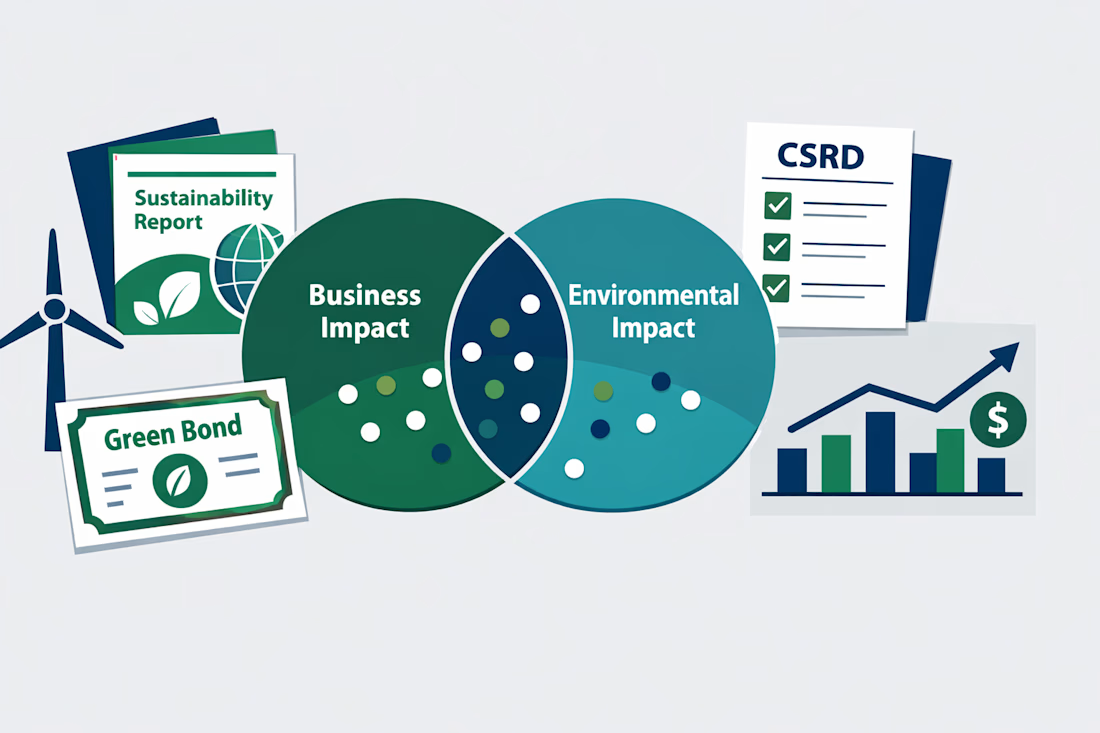
European companies facing CSRD obligations needed strategic content to communicate ESG performance to investors and regulators. I produced in-depth ESG reporting case studies and thought leadership covering CSRD/ESRS compliance, developed strategic guides for CFOs and Sustainability Officers on double materiality and digital reporting infrastructure, and created investor-facing content linking ESG KPIs to financial performance.
Results: Positioned clients as recognised thought leaders in CSRD compliance. Improved investor engagement through clearer ESG disclosures. Reduced internal review cycles by standardising ESG content frameworks.


The network for creativity
Join 1.25M professional creatives like you
Connect with clients, get discovered, and run your business 100% commission-free
Creatives on Contra have earned over $150M and we are just getting started





Related posts

A few things we’ve been working on this month.
Different industries, different problems, but the same goal: making complex products feel simple, clear, and trustworthy.
Fintech → Investment Banking → Geospatial AI
More projects are still in progress.
Full case studies coming soon.


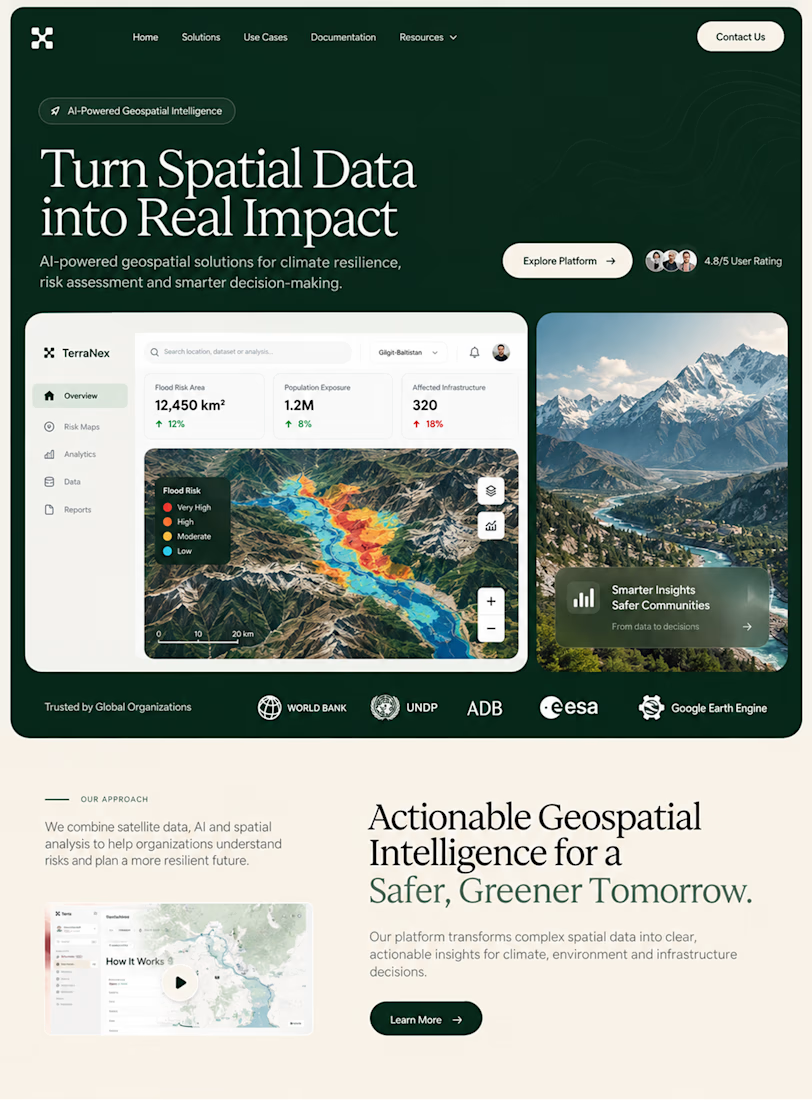
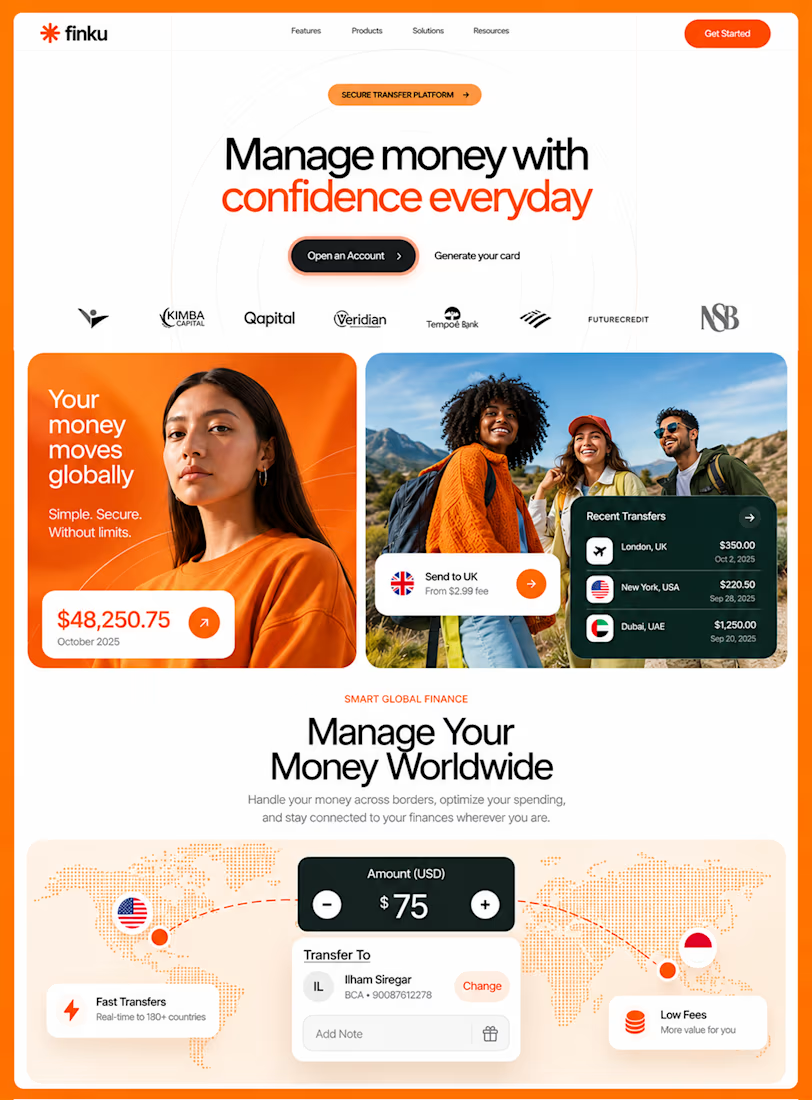
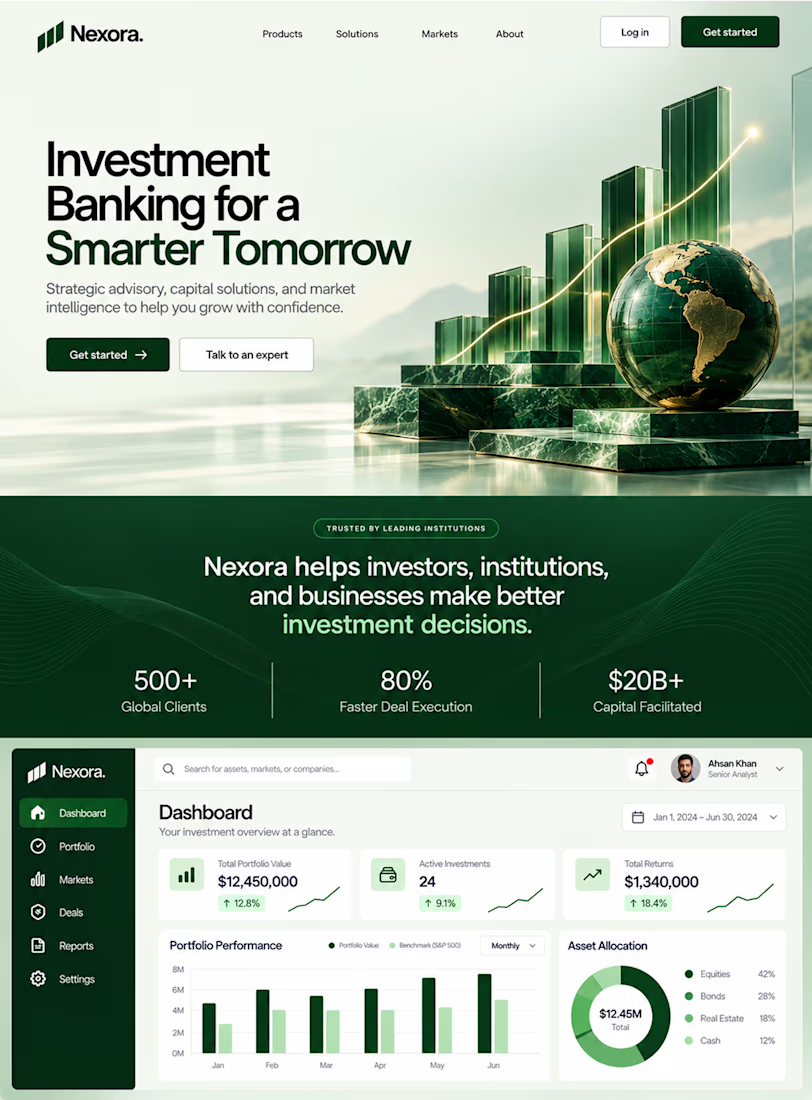

This is the kind of work I enjoy seeing — simple, focused, and actually thought through.

Indie Lee — Welcome Email Strategy & Redesign
Overview
A speculative email strategy and redesign project for Indie Lee, created to practice customer research, email strategy, copywriting, and email design for a beauty/skincare brand.
The Challenge
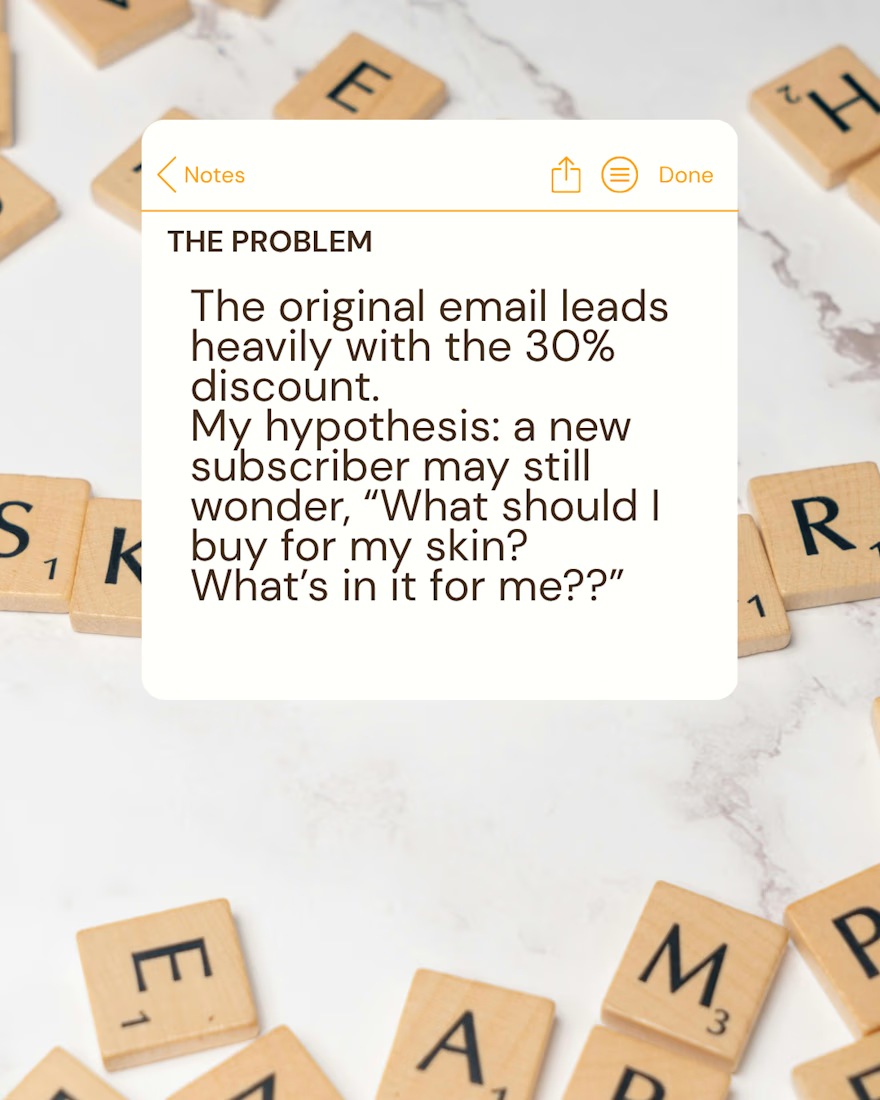
The original welcome email strongly emphasized the first-order discount and encouraged subscribers to shop.
I identified a potential customer barrier:
“What should I buy, and how do I know what's right for my skin?”
My Strategy
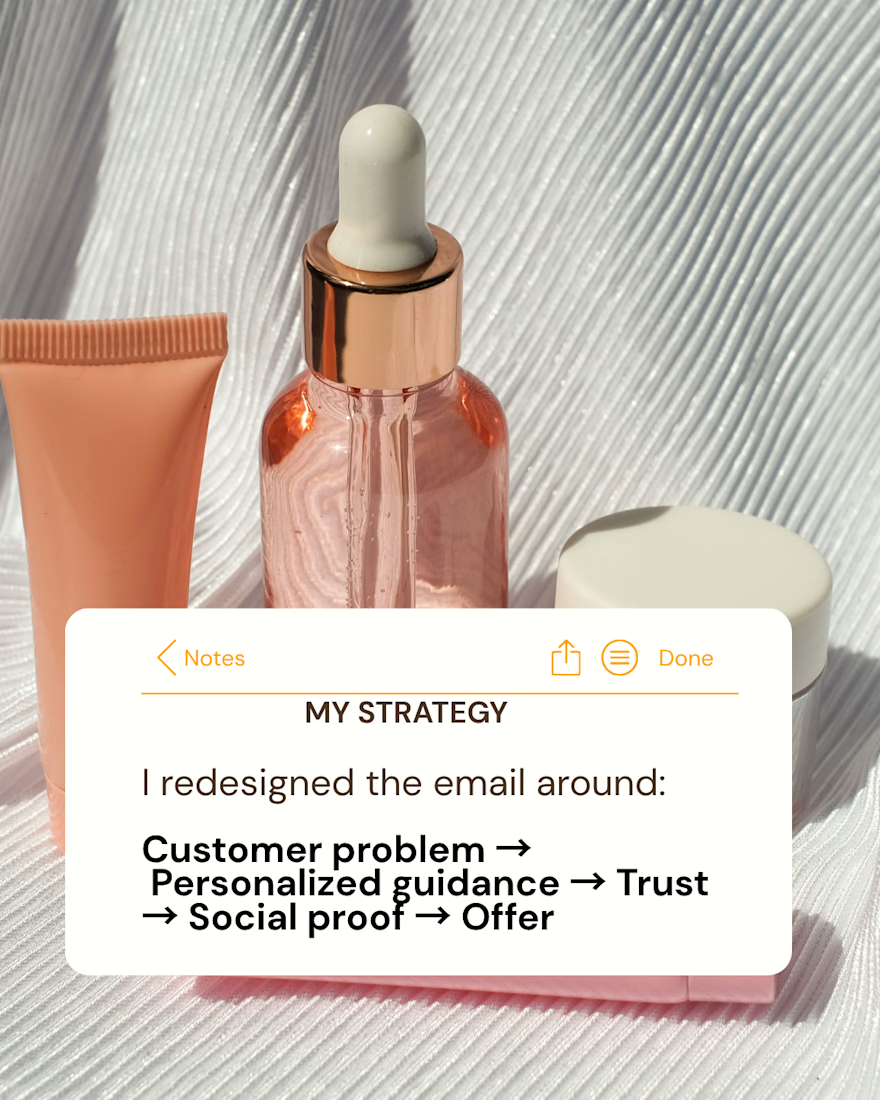
I redesigned the email around a more customer-focused journey:
Customer problem → Personalized guidance → Trust → Social proof → Offer
What I Changed
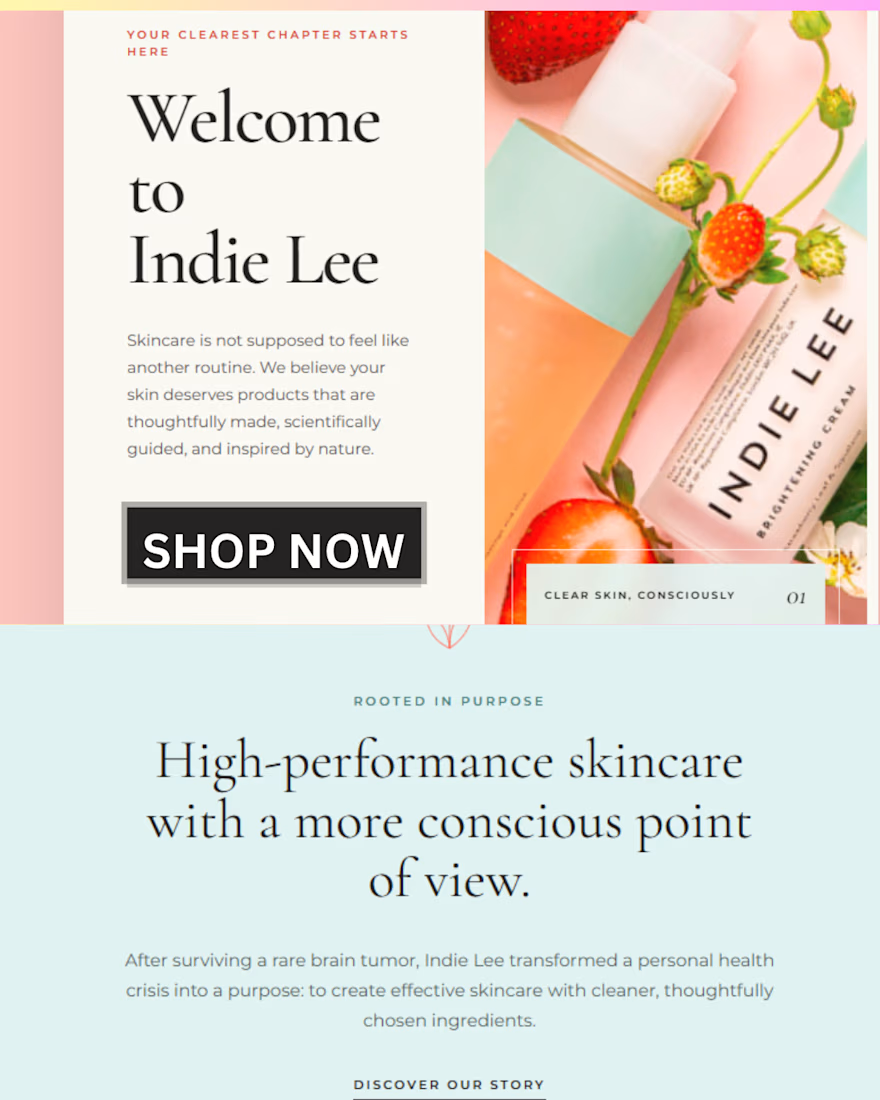
Added messaging around product-selection uncertainty.
Introduced personalized skincare consultation as a solution.
Strengthened the customer-focused messaging.
Added founder storytelling to build trust.
Added social proof around customer desires such as hydration and glow.
Kept the 30% first-order offer as a conversion incentive.
Reorganized the email to create a clearer path toward purchase.
Speculative concept created for portfolio purposes. Not affiliated with Indie Lee.

Starting from the new subscriber's question is a smart way to frame the welcome email.

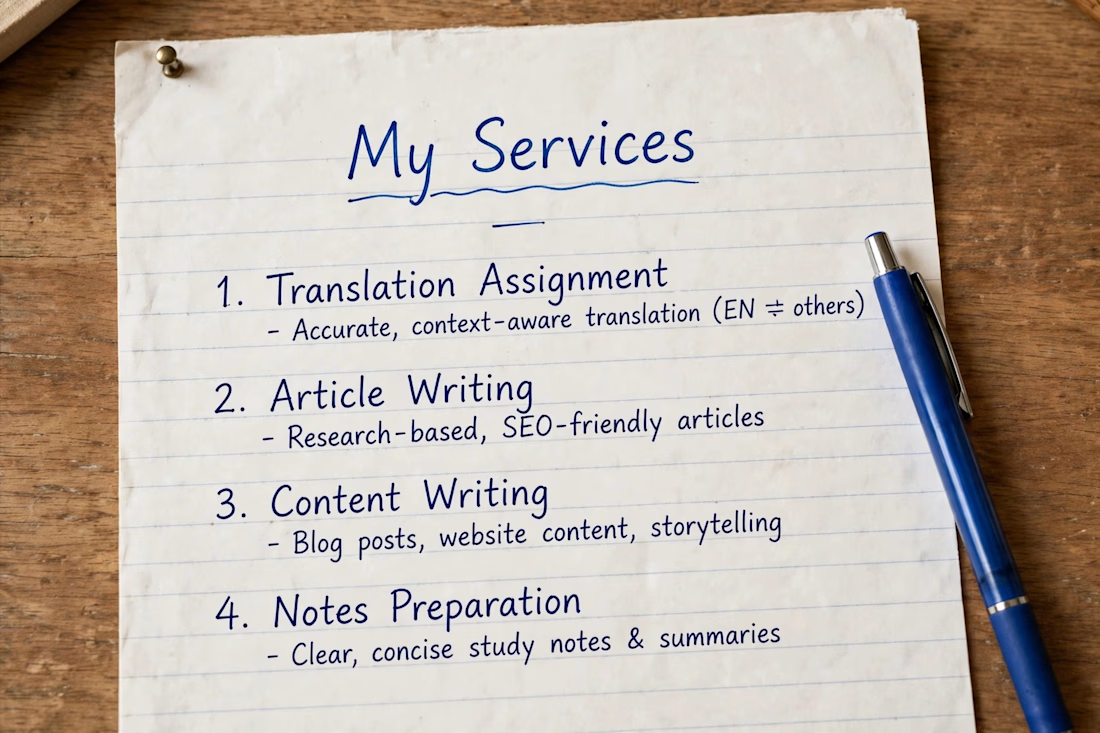
content writing Translation assignment article writing hand written YouTube channel script and story



Can you please tell me the details of the work I'm interested in typing work